REVIEW · MALAGA
6-Night Morocco Tour from Malaga: Fez, Meknes, Marrakech, Casablanca, Rabat and Tangier
Book on Viator →Operated by Julia Travel S.L · Bookable on Viator
Crossing the Strait of Gibraltar gets the trip rolling fast. This 6-night Morocco tour from Malaga strings together the key cities you want—Fez, Rabat, Marrakech, Casablanca, Tangier, and Meknes—with guided panoramic stops and time to wander major sights like Jmaa el Fnaa and the Hassan II Mosque exterior.
I especially like two things. First, the route is a smart mix of imperial-city history and modern Morocco, so you’re not stuck only in souks or only in big-city streets. Second, you get guided sightseeing with a tour escort plus meals included (breakfast most mornings, dinner several nights), which takes the guesswork out of daily planning.
The one caution: you should be ready for long road days. Even with hotel time, the touring format is coach-heavy, and parts of the experience include structured stops that may feel sales-oriented if you’re not in that mood.
In This Review
- Quick hits before you go
- Ferry-and-coach logistics: what 6:30 am really means
- Fez: medina gates, Mellah, and getting your bearings fast
- Rabat in the morning: palaces, gates, and time that’s yours
- Marrakech: Menara Gardens, Bahia Palace, and Jmaa el Fnaa at street level
- Casablanca: Hassan II Mosque exterior and a different Morocco mood
- Meknes and Tangier between the long road days
- Hotels, meals, and the value of included dinners
- The shopping-and-schedule factor (how to handle it)
- Who this Morocco tour fits best
- Price and value: $1,135 from Malaga, is it worth it?
- Should you book this 6-night Morocco tour from Malaga?
- FAQ
- How long is the tour and how many nights are included?
- What cities are included in the tour?
- Do I get a ferry crossing from Spain to Morocco?
- What sightseeing is included?
- Are meals included?
- What kind of hotels should I expect?
- What should I know about luggage and passports?
- What time does the tour start?
- What is the cancellation window for a refund?
Quick hits before you go
- Ferry start via Tarifa: you begin with a short crossing to Africa, then settle into the circuit right away.
- Big-city highlights with real anchors: Hassan II Mosque exterior in Casablanca and major medina areas in Fez and Marrakech.
- Three- and four-star hotel mix: hotels are based in key cities, with six nights in total.
- Meals included (not just snacks): lunch is included, plus breakfast for 6 mornings and dinner for 5 nights.
- Coach time is the deal: expect driving to eat into free time on some days.
- Shopping stops can feel pushy: build your own pace and skip anything you don’t want.
Ferry-and-coach logistics: what 6:30 am really means
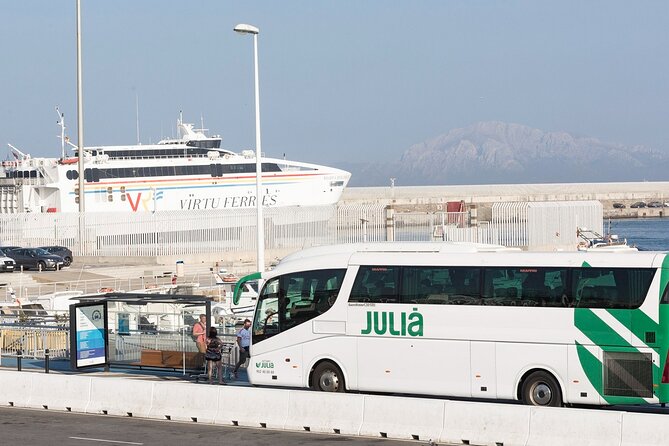
The tour starts early, with a 6:30 am start time and a schedule built around getting you to Tarifa for the ferry. You’ll use a ferry boat for the short crossing of the Strait of Gibraltar toward Morocco, and then you’re into the rhythm of coach touring. The early start is worth it if you like maximizing daylight in the cities—but it can feel like a lot on day one.
You’ll also want to plan like this is a border-trip. You need a current passport, and the operator requires passport data well in advance (at least 30 days) so paperwork can be handled for the passage to Morocco. You’re limited to one piece of luggage per person, and it goes through customs control with you, so pack lightly.
Last practical note: this is a group tour with a max of 50 people and an air-conditioned coach. That’s a comfortable size for moving around, but it also means you’ll follow the group flow for sightseeing and departure times.
You can also read our reviews of more evening experiences in Malaga


Fez: medina gates, Mellah, and getting your bearings fast
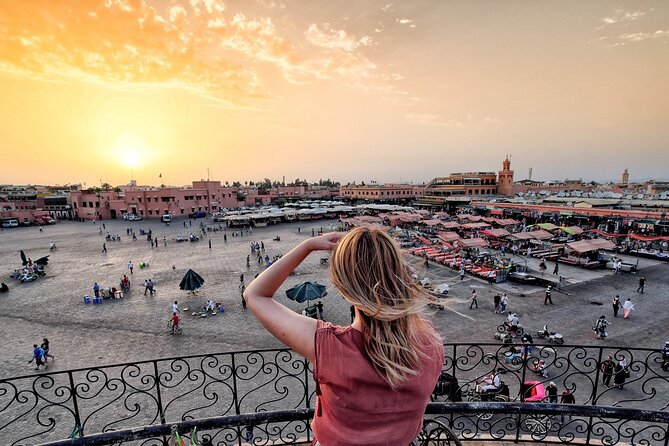
Fez is the kind of city that rewards a guided orientation, especially if you don’t read Arabic well. The tour spends time in Fez and includes a morning tour that touches major historic points: the seven gates of the Royal Palace, Bab Bou Jelous, and the medina walking area. You’ll also see the Mellah (the historic Jewish quarter area), which helps you understand how layered the city is beyond today’s street-level scene.
What I like about this approach is that Fez can overwhelm you fast. With a guided loop, you learn where to head next instead of spending your first hours wandering in circles. Even if you plan to return later on your own, this kind of first-day framework can save time.
A consideration: Fez is also where structured stops can include extra shop visits. If you hate feeling rushed, keep your mindset simple: look for one small, useful purchase at most, and move on quickly if the sales tone turns up. You can still enjoy Fez’s streets without participating in every commercial detour.
Rabat in the morning: palaces, gates, and time that’s yours
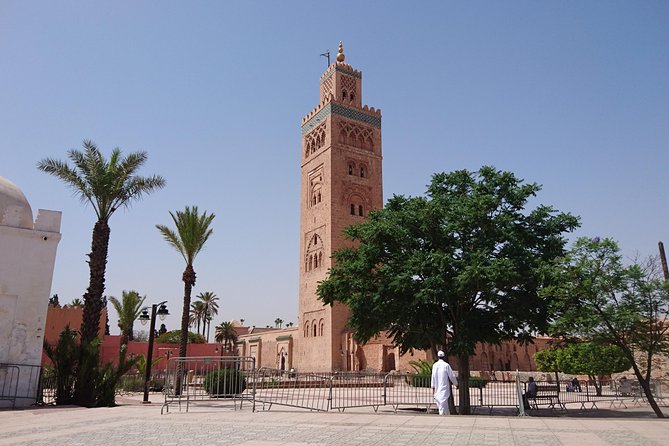
Rabat is a strong counterpoint to Fez and Marrakech because it feels more like a working capital than a theme-park medina. Your morning city focus includes historic elements similar to Fez’s style—gate sights, the old city walking area, and the medina context—with a special emphasis on landmarks such as Bab Bou Jelous and the Royal Palace gate area.
Then you get free afternoon time. I like this split because it lets you reset after sightseeing with a less frantic pace. You can browse at your own tempo, grab a casual drink or snack, and decide whether you want to add extra exploring around the central areas or simply relax at your hotel.
The main thing to watch for in Rabat is energy management. A morning guided walk can be longer than it sounds when you add group timing. If you’re the type who needs slow travel, build in breaks and don’t try to turn the free time into a second guided day.
Marrakech: Menara Gardens, Bahia Palace, and Jmaa el Fnaa at street level
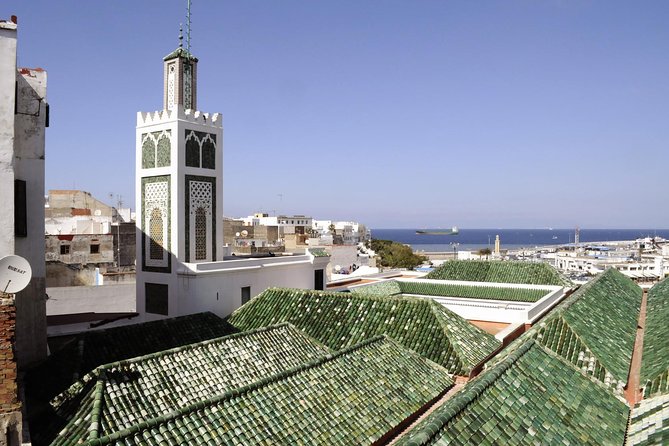
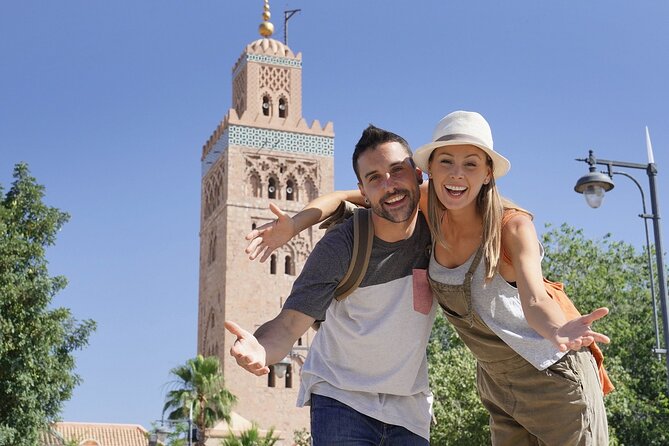
Marrakech is where many people fall in love with Morocco, and this tour gives you solid anchors for that first spark. You start with a panoramic-style look at the city, beginning at Menara Gardens, then head toward key historical stops in the old part of town. The tour includes a visit to the Bahía Palace, and it also covers the outside of the Koutoubia Tower, which adds a recognizable skyline moment.
After that, you reach Jmaa el Fnaa square, the famous square where you can step into the souks and the medina atmosphere. This is the kind of location where a guided arrival helps—because it’s not just about seeing a square. It’s about understanding how the market streets connect and where the busiest lanes lead.
Marrakech also comes with optional extra evening choices. One example mentioned is Chez Ali Fantasia, which is the sort of performance-and-dinner experience some travelers enjoy and others skip. If you want a cultural show without organizing it yourself, options like this are convenient. If you don’t, you can still keep your evenings open and go at your own pace.
A reality check: Marrakech can be intense. Even with guided structure, expect crowds and plenty of people calling out. I’d treat this day as a place to watch, not just rush. The best moments often come from slowing down near the edges of the main square and letting the streets settle into patterns.
Casablanca: Hassan II Mosque exterior and a different Morocco mood
Casablanca changes the tempo. Instead of labyrinth streets and medina gates, you get a more modern city feel. The tour’s Casablanca segment includes a panoramic-style visit to major areas such as Boulevard de la Corniche and United Nations Square, plus residential areas like Anfa.
The highlight here is the exterior of the Great Mosque of Hassan II. Even if you don’t go inside, seeing it from the outside gives you a sense of scale and how the city presents itself—big, coastal, and built for movement.
Casablanca is also where timing matters. If you’re expecting a medina like Fez or Marrakech, you might feel a mismatch. But if you want a real sense of Morocco’s business-and-coast life, this stop helps balance the itinerary.



Meknes and Tangier between the long road days
This tour includes Meknes and Tangier as part of the overall city circuit, even if the most detailed written day-by-day structure focuses on Fez, Rabat, Marrakech, and Casablanca. What matters for you is the rhythm: there are multiple days where the coach ride is a big chunk of your day.
One of the clearer lessons from how this tour runs is that it’s not a slow, spend-all-day-in-one-place style. You’ll do a lot of “see the main things” touring, then move on. That can be great if you’re short on time and want a sampler platter of Morocco’s faces. It can feel tiring if you prefer long, quiet wanderings.
Tangier, in particular, can be a welcome release because it’s tied to the sea and the end-of-trip feeling. You’re also close to the ferry again at the end, which makes the last day feel like a transition back toward Spain rather than another full sightseeing day.
If you’re sensitive to travel fatigue, pack for it: water, sun protection, comfortable shoes, and a light layer for coach air-conditioning.
Hotels, meals, and the value of included dinners
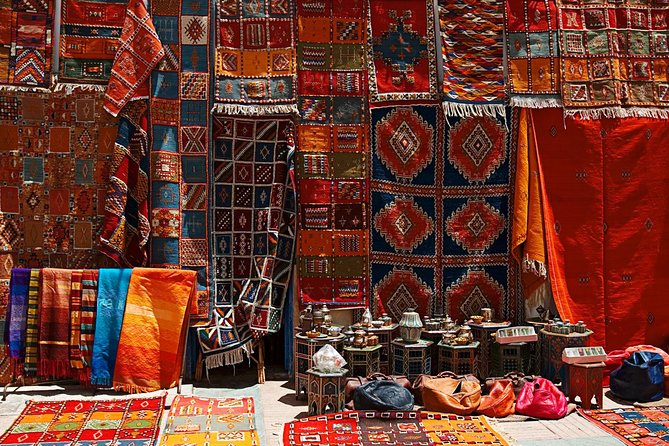
The tour offers 3- or 4-star accommodation in cities like Fez, Marrakech, Rabat, and Tangier, for six nights. Since hotel ratings vary from country to country, I treat this as midrange comfort rather than luxury. Still, staying in those key cities is practical: you’re not constantly changing hotels in minor stops.
Food is also built into the value. Lunch is included, breakfast is included for 6 mornings, and dinner is included for 5 nights. That combination matters because it reduces daily decision fatigue. You won’t have to hunt for meals right after long sightseeing.
A small caution: restaurant quality can vary, and group meal logistics can be awkward when multiple buses arrive. If you’re picky about food timing or prefer a quiet meal with room to breathe, you may want to keep expectations flexible.
The shopping-and-schedule factor (how to handle it)
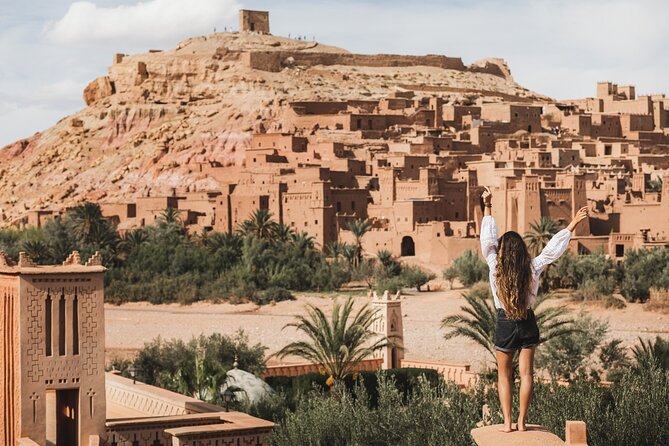
A common complaint with Morocco group tours is the frequency of shopping stops. The Fez portion in particular can include extra experiences that feel like a sales push. When you’re in old-city shopping lanes, it’s easy to feel tugged in many directions at once.
Here’s how I’d manage it without losing the fun:
- Decide in advance what you actually want to buy (or decide you want to buy nothing).
- If a stop becomes too sales-heavy, treat it as a short break, not an obligation.
- Focus your attention on materials you can spot instantly—craft technique, not just the pitch.
Also remember: the guided portion is there to help you get oriented, not to replace your own roaming. If the schedule starts to feel like it’s chewing up your mood, you still have the medina and the sights to win back your attention later.
Who this Morocco tour fits best
This is a good match if you want:
- A structured route across Morocco’s main cities without doing it yourself.
- A first-time Morocco overview with guided context in places like Fez’s medina and Marrakech’s palace-and-square areas.
- Included meals that keep costs predictable.
It may be less ideal if you hate coach days or you’re the type who wants to linger for hours in one neighborhood. This tour is a mover. You’ll see a lot, but you won’t have the kind of slow, deep pacing you might get from private tours or self-planned travel.
If you’re traveling with a group mindset—comfortable following a schedule and taking breaks when the coach pulls in—you’ll probably feel satisfied with what you get.
Price and value: $1,135 from Malaga, is it worth it?
At about $1,135.44 per person, the value comes from the combination of things that are usually expensive or time-consuming to organize: the ferry crossing from Spain, guided panoramic sightseeing in multiple cities, and a stack of meals included (lunch + most breakfasts + several dinners). You’re not only paying for “transport.” You’re paying for a pre-built route and an escort who keeps the machine running.
Whether it feels expensive or fair depends on what you’re comparing it to. If you were planning to DIY Morocco from Malaga, you’d likely spend time sorting transport, accommodation, and day-by-day guiding. With this tour, you buy convenience plus structure—and you accept that trade-off in the form of coach time and more scheduled stops.
My take: it’s a solid deal for a first Morocco trip if you’re okay with the pace and you’re not overly sensitive to shop-style detours. If you’re craving privacy and deep wandering, you may want a smaller-group or private alternative.
Should you book this 6-night Morocco tour from Malaga?
I’d recommend booking if you want a first Morocco highlight reel with enough guided support to help you navigate Fez and Marrakech without getting lost in logistics. The included meals and ferry-based routing are real wins, and the cities hit major contrasts—imperial old-world feel in Fez, palace-and-square energy in Marrakech, coastal modernity in Casablanca, and the cooler pace of Rabat and Tangier.
Skip it or choose carefully if you know you don’t do well with long coach days or you strongly dislike pressured shopping stops. This tour can still be enjoyable, but your comfort will depend on your flexibility.
FAQ
How long is the tour and how many nights are included?
The trip is described as about 7 days, with 6 nights in Morocco.
What cities are included in the tour?
You’ll visit Fez, Meknes, Marrakech, Casablanca, Rabat, and Tangier as part of the route, with panoramic sightseeing in those locations.
Do I get a ferry crossing from Spain to Morocco?
Yes. The tour includes a ferry boat crossing from Tarifa across the Strait of Gibraltar toward Africa, and a return ferry at the end.
What sightseeing is included?
You get panoramic sightseeing tours in Fez, Meknes, Marrakech, Casablanca, Rabat, and Tangier, with guided time focused on major sights such as Jmaa el Fnaa in Marrakech and the Hassan II Mosque exterior in Casablanca.
Are meals included?
Yes. The tour includes lunch, breakfast for 6 days, and dinner for 5 days. Food and drinks are not included unless specifically stated.
What kind of hotels should I expect?
The tour offers 3- or 4-star accommodation in cities including Fez, Marrakech, Rabat, and Tangier. Hotel ratings can vary by country.
What should I know about luggage and passports?
You can bring only one piece of luggage per person, and it must go through customs control. You need a current valid passport, and passport details must be provided at booking with enough time (at least 30 days) for passage arrangements.
What time does the tour start?
The experience start time is listed as 6:30 am, and it’s recommended to reconfirm the departure time at least 48 hours before travel.
What is the cancellation window for a refund?
You can cancel up to 6 days in advance for a full refund. A 50% refund applies if you cancel 2–6 full days before the start time. Less than 2 days before usually means no refund.