REVIEW · MARBELLA
Chefcooking Paella from our Andalusian Grandmother at a Family Farm
Book on Viator →Operated by Farm Las Marías · Bookable on Viator
Paella gets real when it’s cooked at home. This 4-hour afternoon in the countryside near Marbella blends a farm tour with a step-by-step cook along for the Andalusian grandmother style paella, plus you eat what you make. You start with orchard sangria, then move through starters, the paella itself (seafood, meat, or vegetarian), and finish with local desserts and Colombian coffee.
I love how the experience stays hands-on: you’re not just watching, you’re learning the “why” behind the technique as the meal comes together. I also like the setting and storytelling—meeting the farmers behind the ingredients, with the Mediterranean and the Sierra Bermeja framing the day. The hosts, including María José, Rafael, and Sebastian, keep things friendly and practical, which makes the cooking feel doable.
One possible drawback to think about: this is a working family kitchen and a small farm space, so the comfort level depends on how your session group fits. The price is solid for an all-in meal and cooking lesson, but you’ll get the most value if you’re hungry, curious, and ready to participate.
In This Review
- Key things I think you’ll remember
- A 4-hour farm pause near Marbella: what the afternoon is like
- Meeting at Las Marías: arriving, then eating immediately
- Starters that set the stage: mussels, cheeses, olives, ham, and more
- The farm tour: Mediterranean views plus Sierra Bermeja stories
- Cooking Paella de la Abuela Andaluza: the technique and the why
- What you’ll actually eat: paella, desserts from Estepona, and included coffee
- Price and value: what $138.17 buys you (and how to judge it)
- Language, tickets, and making the logistics feel easy
- Who this farm paella class suits best
- Should you book the Abuela Andaluza paella experience?
- FAQ
- Where does the experience start, and what time?
- How long is the paella cooking experience?
- What food and drinks are included?
- Do they offer vegetarian options or handle dietary restrictions?
- What paella types are available?
- Is alcohol included, and is there an age limit?
- What if the weather is bad?
Key things I think you’ll remember
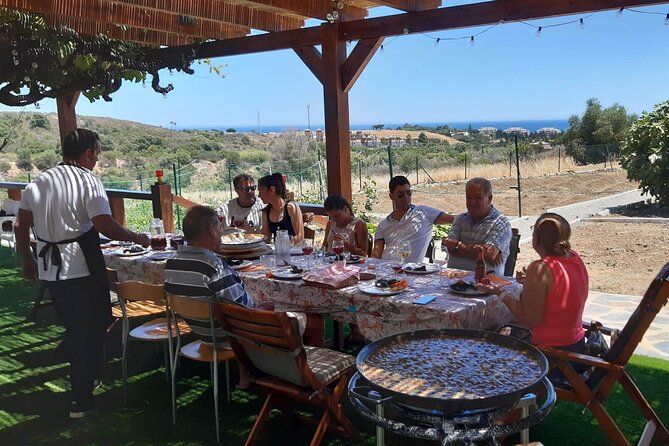
- Abuela Andaluza paella technique taught step by step, not just recipe sharing
- Orchard-based sangria made with local wine, fruit, and citrus from their harvest
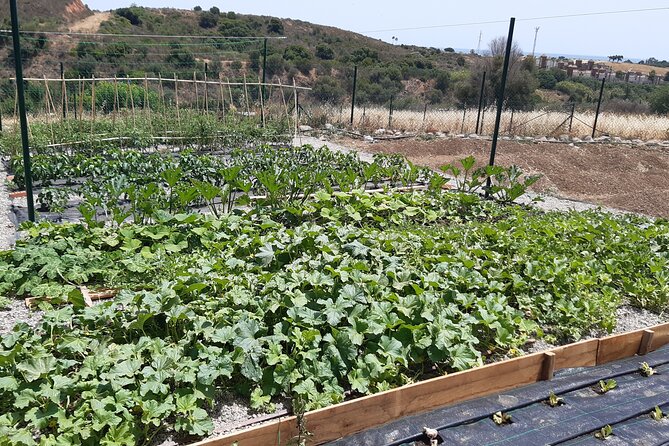
- Farm-to-table ingredients pulled from sea, mountains, and the garden
- Real family-farm context with stories of the farmers in the area
- Small-group format (maximum 4 people) that keeps the pace personal
- Vegetarian and allergy support when you let them know your needs
A 4-hour farm pause near Marbella: what the afternoon is like
This outing is built like a meal with a mission. You’re in the hands of a family farm in the Estepona area, starting at 1:00 pm and running about 4 hours. Since it’s offered in English, you should expect clear explanations of the cooking steps, the ingredients, and the local traditions behind the flavors.
The timing matters. Starting in the early afternoon gives you enough time to tour, cook, and eat without feeling rushed into evening dinner hours. It’s also a nice “mid-trip reset” if you’ve been bouncing between beach stops and want one grounded, local experience.
One small practical note: you’ll need good weather for this activity. If weather goes sideways, the plan can be moved or refunded, so it’s smart to avoid booking it on a day you’re counting on for an exact schedule.
You can also read our reviews of more tours and experiences in Marbella.


Meeting at Las Marías: arriving, then eating immediately
You start at Las Marías on Cam. Nicola, km 1, Estepona (Málaga). You’ll find the event ends back at the same meeting point, so you’re not left guessing about the end of the day.
Once you arrive, you don’t wait around for food. The welcome includes sangria made with local wine, plus fruits and citrus from their orchard. It’s a great first clue about what you’ll get all afternoon: ingredients tied to the farm and the region, not just store-bought shortcuts.
Also included is water from their deep well—high in magnesium and minerals. It’s a detail you might notice if you’re sensitive to water taste, and it adds a bit of authenticity to the whole table experience.
The format is small, so it feels more like being invited over than marching through a schedule. You’ll have time to talk with the hosts while appetizers and drinks keep coming.
Starters that set the stage: mussels, cheeses, olives, ham, and more
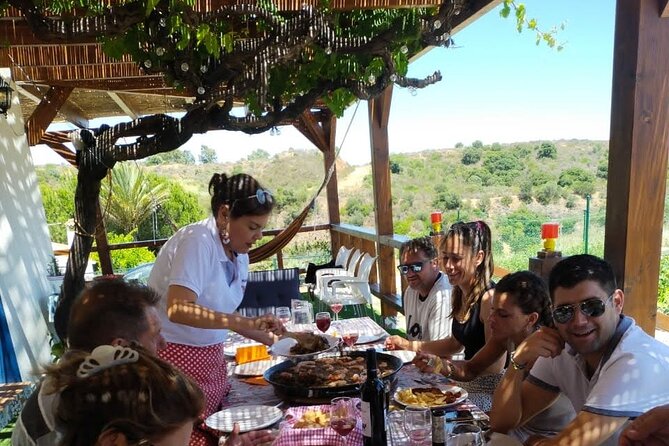
Before the paella even starts, you’re already eating like you’re in southern Spain. The appetizers are described as typical local production, with a lineup that often includes:
- Steamed mussels
- Fresh and cured cheeses
- Olives
- Iberian ham and sausages
- Artisanal breads
The way this works for you: the starters act like a training warm-up. Mussels and cured meats help you understand the “sea + land” pairing that shows up again in Andalusian cooking. Even if you choose a vegetarian paella, this section gives you the flavor map for how the region balances ingredients.
There’s also flexibility. The experience says it offers vegetarian options and can adapt to dietary restrictions or allergies you tell them ahead of time. If you’re gluten-free, avoiding pork, or have shellfish allergies, this is exactly the kind of class where you should confirm what can be swapped.
The farm tour: Mediterranean views plus Sierra Bermeja stories
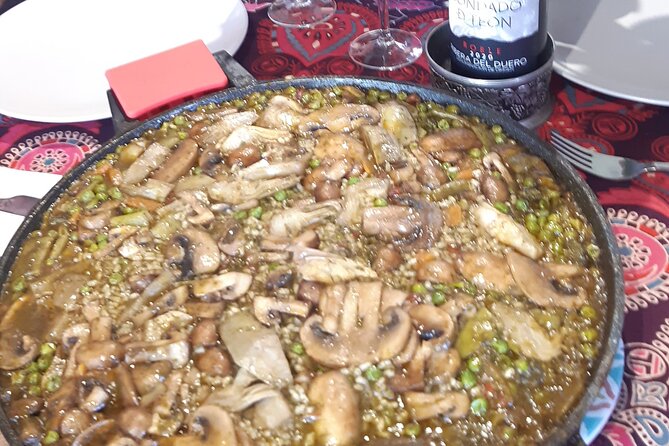
After you settle in, you tour the farm. The setting is described with a clear sense of place: the Mediterranean Sea and the Sierra Bermeja frame the day. That matters more than it sounds—paella isn’t just a dish here, it’s tied to soil, water, harvest timing, and access to seafood.
You’ll also hear the story of the local farmers. That part turns the meal into context: instead of thinking of ingredients as random purchases, you see them as outcomes of land use, labor, and tradition.
If you enjoy small details—where herbs come from, why certain seafood is chosen, how gardens and nearby resources fit into daily life—this farm tour is a big part of what you’ll take home. It’s the difference between a cooking lesson and a sense of belonging to the region.
Cooking Paella de la Abuela Andaluza: the technique and the why
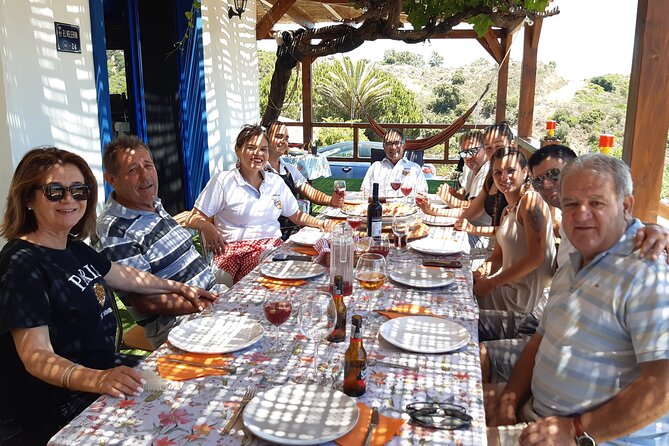
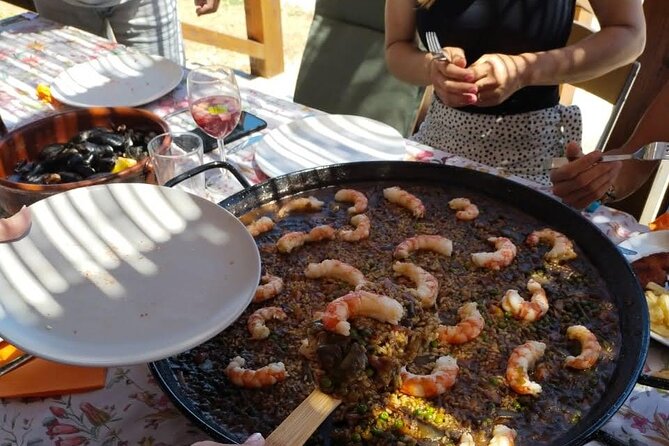
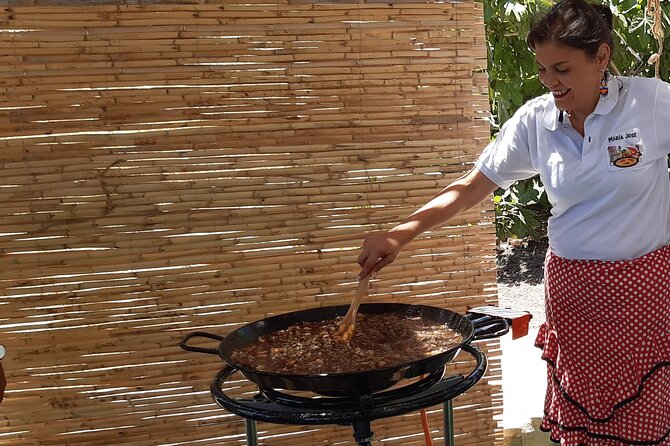
Now the main event: Paella de la Abuela Andaluza. You’ll cook along in a practical, step-by-step demonstration, and the hosts explain the history and secrets behind the traditional recipe as the meal unfolds.
Here’s what makes this valuable for you: paella can feel intimidating because so many things seem to matter—heat, timing, the order of adding ingredients, and getting the right texture. This format is designed to break that down so you can actually remember what to do next time.
You also get choice. The paella can be made in one of three styles:
- Seafood
- Meat
- Vegetarian
The key is that the paella is described as made with fresh products from the local market, plus items from the mountains and their garden, alongside seafood from the area. That combination is the heart of why the dish tastes “real” rather than generic.
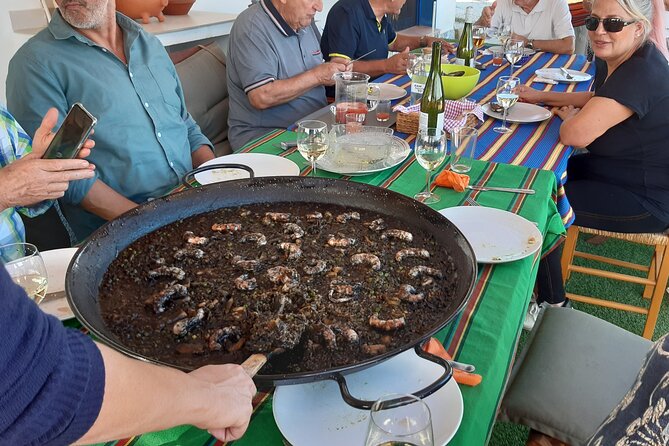
Also note: the lesson is paired with “while you cook” eating. During the explanations, you can enjoy drinks and starters. For you, that means the session doesn’t turn into a dry lecture. It turns into a lived meal, which makes learning easier.



What you’ll actually eat: paella, desserts from Estepona, and included coffee
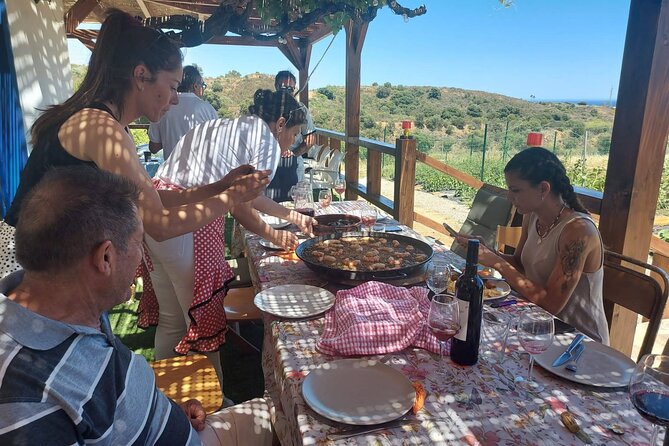
Paella isn’t just a lesson step. It’s served as lunch with the class built around it. The meal includes lunch paella with fresh seafood plus appetizers and dessert. It also includes soda/pop non-alcoholic drinks, and the drink lineup includes wine, beer, and cocktails by the hosts’ authorship (with the standard rule that alcohol is only for people over 18).
The dessert stage matters because it rounds out the Andalusian vibe. You’ll have traditional Estepona desserts, described as locally produced artisan pastries. Think of this as your “proof” that the hosts aren’t just focused on one dish—they’re building a full regional afternoon.
Finally, the day ends with Colombian coffee served alongside a traditional cake. It’s a sweet closing that feels personal, not packaged.
And yes, you take something home. You’ll receive a recipe book of their preparations, so you can recreate the flavors later without guessing.
Price and value: what $138.17 buys you (and how to judge it)
At $138.17 per person for about 4 hours, this sits in the “special experience” category. So you should judge it by what’s included, not by the cooking part alone.
You’re paying for:
- A hands-on cooking lesson centered on a traditional paella style
- A complete meal (starters, paella, dessert)
- Drinks starting with orchard sangria plus other beverages
- A farm tour with ingredient sourcing and local farmer stories
- A recipe book so the lesson doesn’t vanish after the last bite
If you normally pay for lunch plus a separate tour, it can start to look more reasonable. If your travel style is DIY food research, it might feel pricey—because there’s a lot of value in having it packaged with people who explain the steps.
One more reality check: the experience is capped at a small group size (maximum 4). That can be great for attention and pacing. If you’re the type who likes personal guidance and doesn’t want to fight for table space, the price makes more sense.
Language, tickets, and making the logistics feel easy
You’ll get a mobile ticket, and the experience runs in English. That’s helpful if you want the cooking tips without translating in your head.
Because private transportation isn’t included, plan to get yourself to the meeting point. That usually means either arranging a short taxi/rideshare or building it into a day where you’re already positioned in the Estepona/Marbella area.
Also keep in mind: the session needs good weather. If you’re traveling in shoulder season or the forecast looks moody, it’s wise to schedule this earlier in your week so you have flexibility.
Who this farm paella class suits best
This experience is a strong match if you want:
- A traditional Andalusian recipe taught in practical steps
- Food that feels tied to the place—sea, mountains, and the garden
- A small, friendly session where you can ask questions
- A full meal experience, not a quick tasting
It’s also ideal for food travelers who care about technique. Paella is technical enough that you’ll likely appreciate learning the sequence and reasoning, not just collecting an ingredients list.
If you’re traveling as a couple or small group, the small group format can make you feel more included. If you’re coming with strict dietary needs, this is also promising because the experience says they adapt when you inform them.
Should you book the Abuela Andaluza paella experience?
I’d book it if you want a cooking lesson that ends with a real lunch, in a place where the story behind the food is part of the meal. The combination of orchard sangria, a structured paella lesson, and a farm tour with scenery (Mediterranean + Sierra Bermeja) gives you more than “just learn to cook.”
Skip it—or at least think twice—if you’re expecting a wide, studio-style cooking space where you can spread out and watch every moment from a distance. This is family-farm cooking, so it’s cozy by nature. Also, if you’re very budget-focused, you’ll want to compare the price to the cost of an equivalent meal plus a separate tour, because value depends on how much you’ll use every included part.
FAQ
Where does the experience start, and what time?
It starts at Las Marías, Cam. Nicola, km 1, 29689 Estepona, Málaga, Spain, with a start time of 1:00 pm.
How long is the paella cooking experience?
It lasts about 4 hours.
What food and drinks are included?
You’ll get sangria on arrival, starters (including items like steamed mussels, cheeses, olives, ham and sausages, and artisan breads), paella (seafood, meat, or vegetarian), dessert (traditional Estepona desserts), plus Colombian coffee with cake. Also included are soda/pop non-alcoholic drinks and water from their deep well.
Do they offer vegetarian options or handle dietary restrictions?
Yes. They offer vegetarian options and can adapt to dietary restrictions or allergies if you tell them what you need.
What paella types are available?
The Paella de la Abuela Andaluza can be made as seafood, meat, or vegetarian.
Is alcohol included, and is there an age limit?
Alcoholic beverages are included, including sangria and other drinks by the hosts’ authorship, but alcohol is only for people over 18.
What if the weather is bad?
This experience requires good weather. If it’s canceled due to poor weather, you’ll be offered a different date or a full refund.