REVIEW · FUENGIROLA
Fuengirola: Bioparc Entrance Ticket
Book on GetYourGuide →Operated by Tixalia · Bookable on GetYourGuide
Lemurs without barriers? Yes, at Bioparc Fuengirola. I love the Madagascar lemur walkthrough, because you can watch them at close range without glass between you.
I also like how the park is built around four habitat worlds (Equatorial Africa, Southeast Asia, Indo-Pacific, and Madagascar), with experts explaining what you’re seeing and animal feedings along the way. The result is a zoo visit that feels more like guided nature time than a shuffle through cages.
One planning note: Bioparc doesn’t let you re-enter after you leave, so don’t treat this as a quick drop-in. Plan a full visit window before you step out.
In This Review
- Key highlights at a glance
- Bioparc Fuengirola in one day: what you’re really buying
- Entering Bioparc: your “do this first” move
- Four habitats, one smart idea: seeing ecosystems instead of cages
- The Madagascar lemur walkthrough: the closest you’ll feel to wildlife
- Animal feedings, birds in flight, and shows: timing tips that save frustration
- Conservation that’s more than posters
- Getting around inside: compact, shaded, and designed for stopping
- Food, drinks, and the little cost surprises
- Rules that keep the experience safe (and actually enjoyable)
- Price and value: is $35 worth a full day?
- Who should book Bioparc Fuengirola?
- Should you book this Bioparc Fuengirola ticket?
- FAQ
- FAQ
- How long is the Bioparc Fuengirola ticket valid?
- What’s included with the ticket?
- Are food and drinks included?
- Can I re-enter Bioparc after I leave?
- Is Bioparc wheelchair accessible?
- Are there restrictions on what I can bring in?
- Can I feed the animals?
- Is flash photography allowed?
- Where do I meet for the ticket?
- Is the ticket refundable if plans change?
Key highlights at a glance

- Barrier-free lemurs in the Madagascar habitat
- 200+ species across four themed ecosystems
- Conservation focus with 40+ breeding programs
- Up-close feedings and bird moments, with staff explanations
- Compact layout that still gives you time to slow down
Bioparc Fuengirola in one day: what you’re really buying
This is a 1-day entrance ticket to Bioparc Fuengirola in Andalusia. For about $35 per person, you’re paying for a self-guided day in a wildlife park designed around habitats, not just individual animal pens.
What makes it feel like good value is the mix: you get lots of species (over 200) plus a conservation message you can actually read and connect with. It’s not just the animals; it’s the why behind the animals.
The park is also intentionally easy to manage in a day. People report it as not too big, with a layout that helps you see more without sprinting from one end to the other.
You can also read our reviews of more tours and experiences in Fuengirola.



Entering Bioparc: your “do this first” move
Your meeting point is simply Bioparc Fuengirola, and once you’re in, you’re there for the day. Since re-entry isn’t allowed after you leave (unless authorized by staff in exceptional cases), I’d treat the ticket like a one-shot, planned visit.
Before you start walking, do a quick scan of the map signs and decide what you care about most. If lemurs are your top priority, I’d head toward the Madagascar area early, since the lemur walkthrough is the kind of stop that people wait for and take seriously.
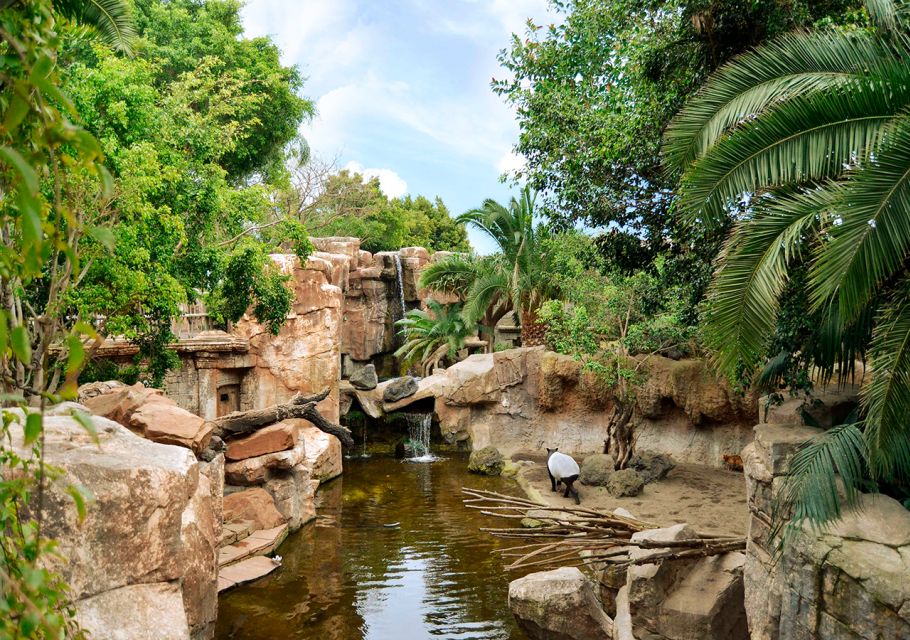
Also, set yourself up for a comfortable route. Reports mention plenty of shade while you walk, which is a big deal in southern Spain when the sun is doing its thing.
Four habitats, one smart idea: seeing ecosystems instead of cages

Bioparc’s big concept is four habitats that imitate regions like Equatorial Africa, Southeast Asia, the Indo-Pacific, and Madagascar. This matters because the park design pushes you to notice behavior, movement, and habitat details, not just the fact that an animal is present.
Here’s how each habitat usually plays for your day:
- Madagascar habitat: This is where you’ll find the standout experience—lemurs with no barriers in a walkthrough-style area. It’s close, active, and one of those moments where you end up standing still longer than you planned.
- Equatorial Africa: Expect big wildlife presence and a jungle-feel layout. Reviews mention species like orangutans, and the whole space is designed to make the area feel alive rather than ornamental.
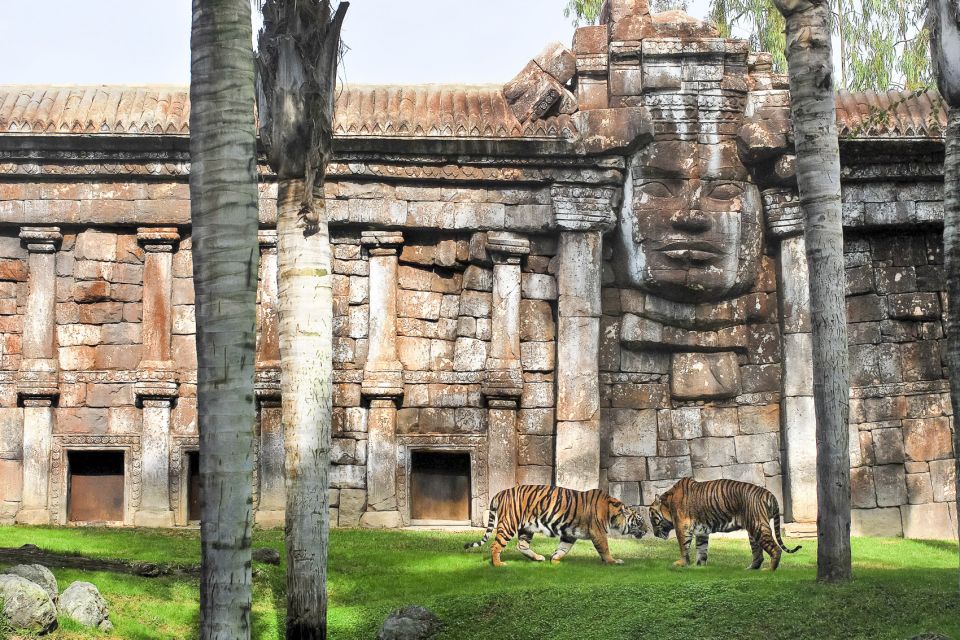
- Southeast Asia: This is where you’ll look for Asian wildlife moments. People mention seeing animals such as tigers in the park overall, and this habitat helps you connect the region theme as you move through.
- Indo-Pacific: This habitat is a favorite for reptile lovers in particular. One review specifically called out Komodo dragons, which is a strong clue that the Indo-Pacific section is where you’ll want extra time if you’re chasing that species.
The key is pacing. You don’t need to hit every corner at full speed to get value. The park is set up so that stopping for feedings, explanations, or a quiet watch moment fits naturally into your route.
The Madagascar lemur walkthrough: the closest you’ll feel to wildlife
If you’re only going to remember one part of your day, make it the Madagascar lemurs. The park’s defining feature here is that you can get up close with no barriers.
That has a practical upside for your visit: you’re not just looking at an enclosure from a distance. You’re seeing how lemurs move, pause, and interact with their space. It’s one of those experiences where you’ll likely forget to check your phone.
It also comes with responsibility. It’s forbidden to feed the animals, and you should avoid touching anything you’re not allowed to touch. If you’ve brought kids, this is a good place to reinforce that the rules aren’t just for show.
My tip: slow down once you’re in the walkthrough area. People tend to rush into photos, and then they miss the better moments—like when the animals change position and you get a clearer view.
Animal feedings, birds in flight, and shows: timing tips that save frustration
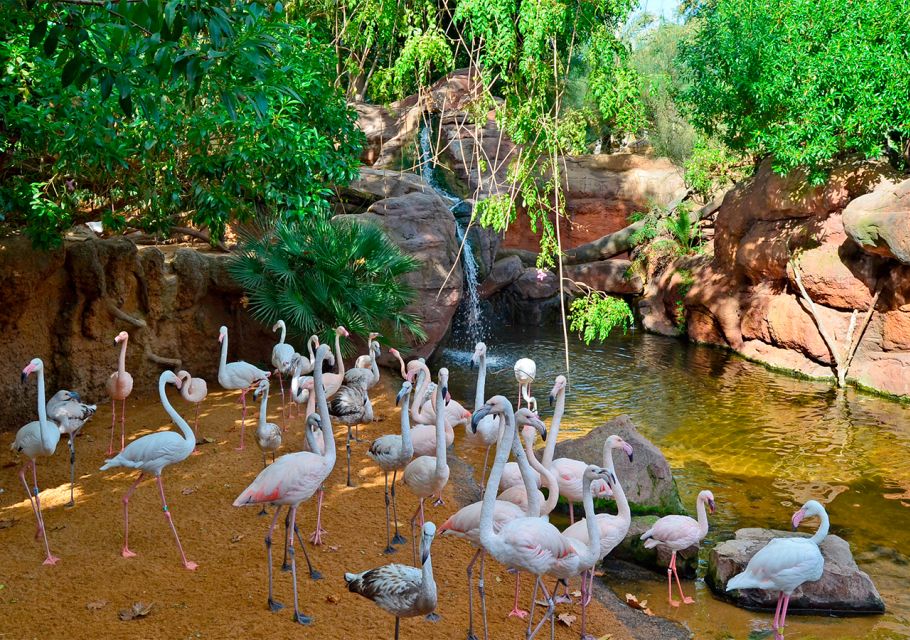
One of the most enjoyable things about Bioparc is that the day isn’t only about passively walking. There are interactive moments, including experts talking about animal characteristics and scheduled animal feedings.
Bird lovers also have something to look forward to. One review mentioned watching a mammal show where birds fly over your head at close distance. That’s the kind of moment that’s worth arriving a bit early for, because finding a good viewing spot takes time.
Shows can also affect your day depending on when you arrive. For example, one visitor arrived after 2pm and missed an animal show that had no immediate alternative until later. So if you care about specific show times, arrive with a cushion and avoid treating the day as only “whenever we wake up.”
If your plan is flexible, you can let feedings guide your timing. When you see activity posted on-site, it’s often the easiest way to keep your visit feeling fresh instead of repetitive.





Conservation that’s more than posters
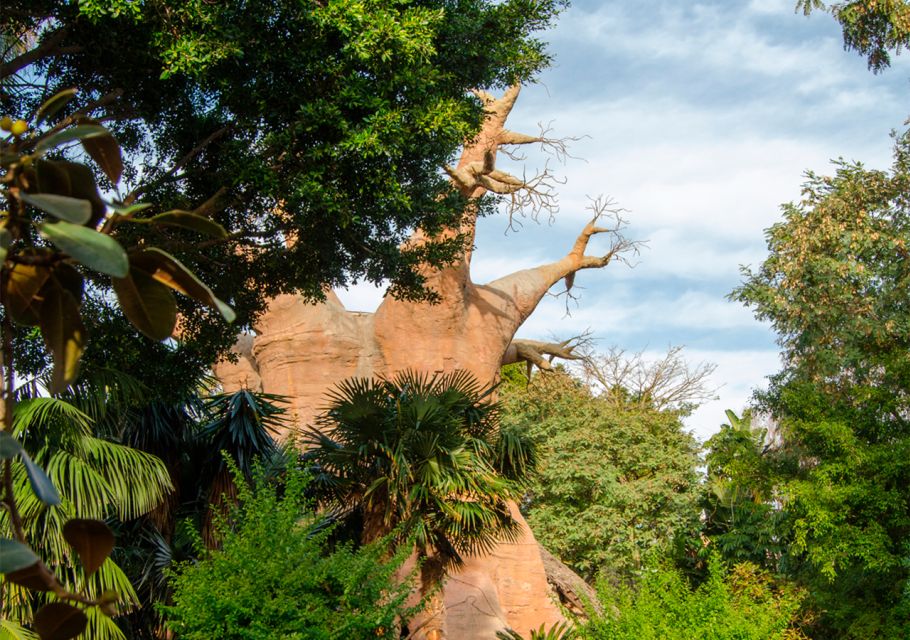
Bioparc is explicit about its mission: it’s created to protect endangered wildlife. The park references over 40 breeding programs and multiple preservation projects, which is the kind of detail that turns “cute animals” into “real-world conservation.”
Why you should care as a visitor: breeding programs and preservation work take time, and zoos are only one piece of the puzzle. When a park gives you context—what a species needs, what threatens it, and why the breeding work matters—you’re leaving with more than photos.
In day-to-day terms, you’ll probably notice this in how the park feels. People mention that the animals appear well cared for, and enclosures are described as clean, natural, and well maintained.
If you’re visiting with family, this is also where the park helps without turning the day into a classroom. Reviews mention an educational VR experience about plastic in oceans, plus other educational moments that help kids connect the conservation theme to something they see in real life.
Getting around inside: compact, shaded, and designed for stopping
A lot of zoos are either too big to finish or too small to feel satisfying. Bioparc lands in a middle zone that many people liked: compact layout, easy walking, and shade along the way.
You’ll also notice that the park isn’t just a straight line. One review mentioned hidden doorways and passages that lead to different areas, which helps you feel like you’re discovering parts of the park rather than following a loop.
If you like your breaks, this park gives you options. There are places to pause in the shade, and animal viewing areas are close enough that you don’t have to stand in one spot for a full hour just to feel like you did something.
And if you like a bit of variety in your day, you might spot themed structures. One review specifically mentioned a Mayan temple-style area where you can get closer views with animals behind glass. Even if that’s not the main reason you came, it adds a “this place has character” element to the visit.
Food, drinks, and the little cost surprises
Entrance ticket covers admission only. Food and drinks are not included, so you’ll need to plan for lunch or snacks on-site.
That said, reviews suggest the cafe pricing can be reasonable depending on what you buy. One visitor said cafe prices seemed reasonable after only ordering drinks. Another described using both a snack van and a restaurant, noting that the restaurant setting felt beautiful, even if one dish (macaroni cheese) wasn’t their favorite.
So here’s the practical approach: if you have dietary needs, plan ahead and assume you may need to buy your own meals. If you’re trying to save money, go for lighter snacks and drinks, then keep your big meal for later.
Also note the gift shop dynamic. One review called out that the gift shop can be expensive. That doesn’t mean you’ll hate it, but it’s good to know so you don’t get surprised at the end when you’re tired and kids are in bargain mode.
Rules that keep the experience safe (and actually enjoyable)
Bioparc has clear animal-care rules, and they’re for your benefit too. It’s forbidden to feed the animals, and you should not touch animals, throw objects, or tap on glass. The park also asks you not to use flash photography.
These rules can change the vibe of your photos. If you want crisp pictures, rely on available light and keep your movements quiet. The payoff is that the animals also seem less stressed in calmer viewing situations.
Finally, there are restrictions on transport inside the park: no bicycles, roller skates, or skateboards. Plan to walk comfortably and keep your hands free for maps, water, and whatever you’ll end up buying at the end.
Price and value: is $35 worth a full day?
At about $35 per person for one day, you’re paying for a full park experience: 200+ species, four habitats, and conservation messaging backed by breeding programs. That’s a decent deal compared with paying separately for multiple animal experiences in one area.
Where the value really shows is in the sensory payoff. The lemur walkthrough is the kind of moment that people remember for months, and the animal feedings plus expert talk create built-in “events” without you needing to schedule much.
There’s also a practical value in park design. People liked that it’s not too big, which means fewer “we missed everything” regrets and more time to slow down.
One caution: since re-entry isn’t allowed, you’re committing to the day once you go in. If your schedule is tight, consider arriving with enough time to see at least the major habitats and catch one show or feeding, depending on your interests.
Who should book Bioparc Fuengirola?
This works best if you want an animal day that’s organized around ecosystems and a conservation mission you can understand. Families usually like the close-up lemurs and educational extras like VR.
Nature lovers also tend to enjoy the habitat focus. If you like comparing how different regions “feel” and how different species behave, the four-world layout makes the day easier to follow.
If you’re an ultra–show-first person, plan timing carefully. Arriving late can mean missing an animal show until later in the day, and shows aren’t guaranteed to land in the exact time window you prefer.
Should you book this Bioparc Fuengirola ticket?
Yes, I’d book it if you want a single-day, family-friendly wildlife park with a genuine conservation angle and at least one standout moment—barrier-free lemurs in Madagascar. The price makes sense for the number of species and the way the park is designed around habitats, not just animals in place.
I’d think twice only if you’re the type who needs frequent breaks outside the park or you hate committing to a one-entry schedule. In that case, make sure your timing is right before you go, because leaving and coming back isn’t the default plan here.
FAQ
FAQ
How long is the Bioparc Fuengirola ticket valid?
Your ticket is valid for 1 day. You’ll need to check availability for the starting times.
What’s included with the ticket?
The ticket includes entrance to Bioparc Fuengirola.
Are food and drinks included?
No. Food and drinks are not included, so you’ll need to buy them in the park.
Can I re-enter Bioparc after I leave?
No. You may not re-enter after leaving unless you’re authorized by Bioparc staff in exceptional cases or you purchase a new ticket.
Is Bioparc wheelchair accessible?
Yes. The experience is wheelchair accessible.
Are there restrictions on what I can bring in?
Yes. No bicycles, roller skates, or skateboards are allowed inside Bioparc.
Can I feed the animals?
No. Feeding the animals is forbidden. Also avoid touching animals, throwing objects, tapping on glass, and other disruptive behavior.
Is flash photography allowed?
No. Please do not use flash photography.
Where do I meet for the ticket?
The meeting point is Bioparc Fuengirola.
Is the ticket refundable if plans change?
No. The activity is non-refundable.