Malaga feels different when you hear it from a local. I love the small-group pace and the way coffee-and-food stops turn landmarks into real-life stories. One thing to consider: it’s a lot of short walking between sights, so if you want a super-relaxed stroll, plan for a few steady minutes on your feet.
The route strings together old-town squares and big monuments, then ends at the Mercado de Atarazanas, where the city’s daily rhythm is easy to feel. With a maximum of 10 people and an English guide, it’s a good way to start your trip without getting stuck in the tourist-only loop.
In This Review
- Key highlights you’ll care about
- A local-first Malaga route that feels human
- Coffee at Plaza de la Merced: where the day starts
- Church of Santiago and street-level bites
- Alcazaba viewpoints and why Holy Week matters
- Malaga Cathedral: a monument with a social role
- Plaza de la Constitución and the coffee connection
- Calle Larios and fried almonds in the city’s main artery
- Mercado Central de Atarazanas: the ending that explains daily life
- Price and value: what $36.28 really buys you
- Logistics that make the walk easier
- Who this tour is best for
- When it might not be the best choice
- Should you book Go Local for a Day in Malaga?
- FAQ
- FAQ
- How long is the Go Local for a Day tour?
- Where do you meet, and where does it end?
- What does it cost?
- Is it offered in English?
- How big is the group?
- Does it include admission fees?
Key highlights you’ll care about
- Top-to-bottom old town, in 2.5 hours with lots of “why this place matters” context
- Coffee/tea at Plaza de la Merced plus Picasso talk right from the start
- Holy Week and local tradition stories tied directly to viewpoints and churches
- Tastings at street level, including local bites like fried almonds
- End at Mercado de Atarazanas so you see how locals shop, snack, and talk food
A local-first Malaga route that feels human
This is the kind of walking tour that helps you get your bearings fast. Instead of treating Malaga as a checklist, it treats the city like a set of neighborhoods with character, people, habits, and stories you can actually picture.
The group size is capped at 10, which matters more than it sounds. You get room for questions, and the guide can connect the dots between places like Plaza de la Merced, the Cathedral, and the market without rushing past your curiosity.
You’re also not locked into formal museum mode. The plan is built around everyday public spaces—squares, churches, viewpoints, and market aisles—so you leave understanding how locals move through the city.
And yes, you’ll hear English commentary throughout, with a mobile ticket sent after booking and a meeting point that’s easy to find in central Malaga.
You can also read our reviews of more tours and experiences in Malaga.

Coffee at Plaza de la Merced: where the day starts
The tour begins at Plaza de la Merced (Pl. de la Merced, 25), and that first stop isn’t just a “meet-and-greet.” You start with coffee or tea while the guide sets the tone for the whole day.
This square is tied to Picasso, and the conversation helps you understand why the city keeps returning to him. You’ll also get a feel for what makes this part of Malaga “Malaga,” not just another pretty plaza you pass through on the way to something else.
Practical tip: show up a few minutes early. You’ll want to be settled for the drink-and-story start so you don’t miss the early context.
Church of Santiago and street-level bites
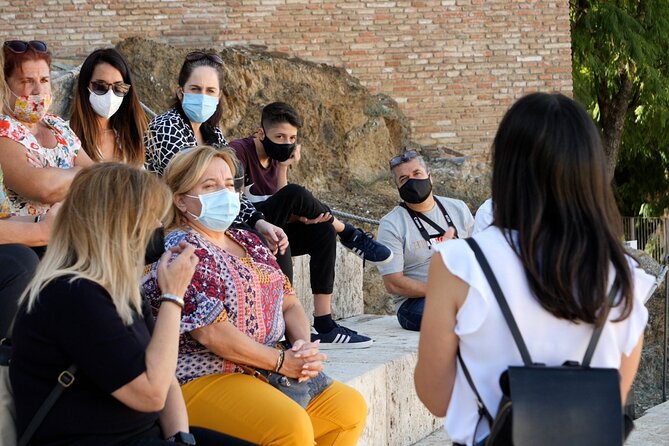
From there you head toward the Church of Santiago. This stop is short, but it’s built for curiosity: the guide explains what the church represents and points out secrets inside—details you’d likely walk past without context.
Along the way, you’ll also try local specialties connected to the street area (the plan mentions tasting at Granada St.). This is a smart move because it breaks up the walking rhythm with food you can connect to the place you’re standing in.
If you’re the type of traveler who likes history when it’s tied to real objects—like buildings and small local traditions—this part is likely to click. If you only want grand views and skip anything that smells like church-adjacent quiet, you may want to go in with low expectations and let the guide’s stories carry the stop.
Alcazaba viewpoints and why Holy Week matters
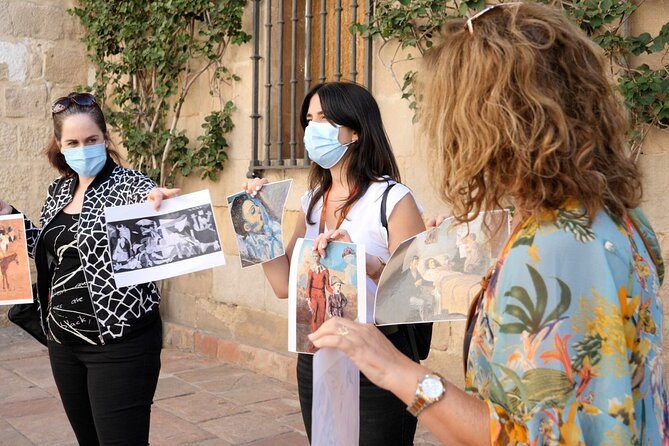
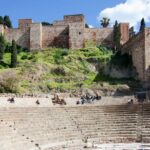
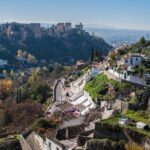
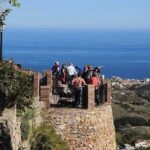
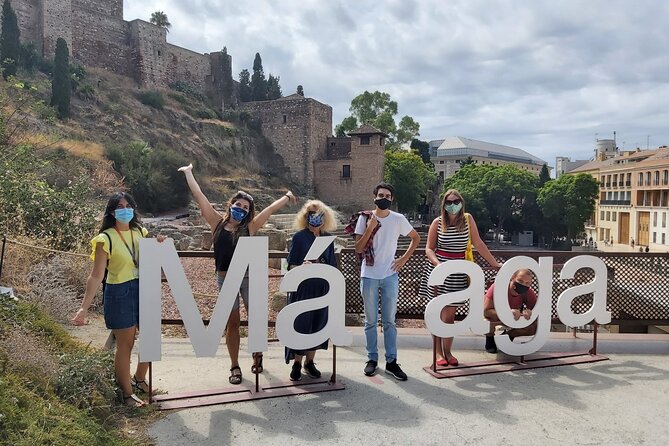
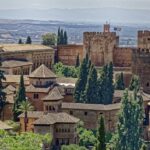
Next comes one of the day’s visual payoffs: the Alcazaba area, with views over the Roman Theatre and the Alcazaba fortress from the viewpoint at Alcazabilla St.
Short stop, big payoff. You get a clear sense of how Malaga stacks time on time—Roman layers, Moorish-era fortifications, and modern city life all coexisting.
Then the tour connects the viewpoint to one of Malaga’s biggest local events: Holy Week. The guide shares how these festivities shape local identity, not just as something you watch from a distance, but as part of community life. That’s the kind of context that changes how you notice a city when you come back later.
If you visit in a year when Holy Week is on (dates shift), this stop may land even harder. Even if you don’t, you’ll still understand why locals care so much.
Malaga Cathedral: a monument with a social role
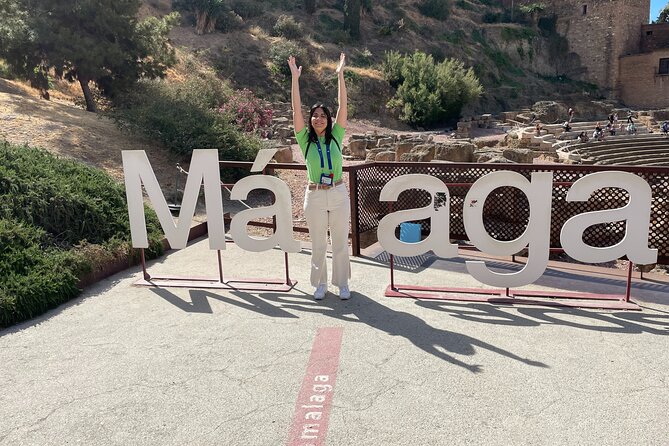
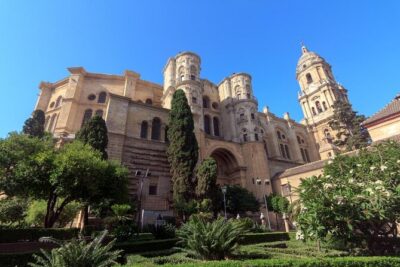
The tour continues to Malaga Cathedral, and the story here is about construction and symbolism—why this building matters to malagueños beyond its architectural beauty.
This is another stop designed to be meaningful in minutes. Instead of treating the Cathedral as a photo backdrop, you’ll learn what it represents and why it’s considered an important local symbol.
This is also where you’ll likely notice how the guide’s style works: stories first, facts second. That can be a great fit when you don’t want your entire day to sound like a textbook.

Plaza de la Constitución and the coffee connection
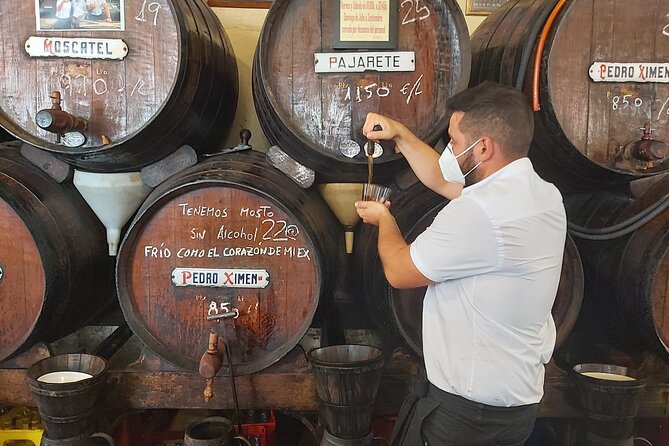
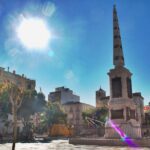
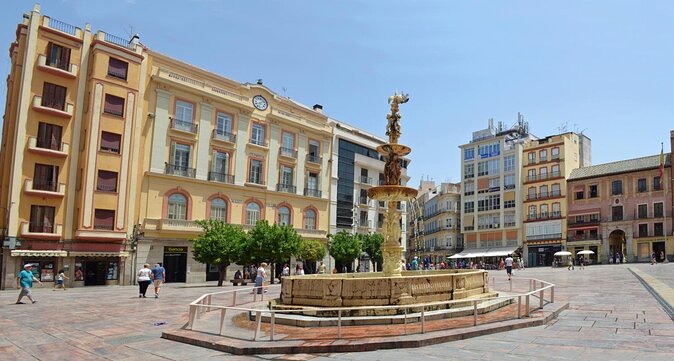
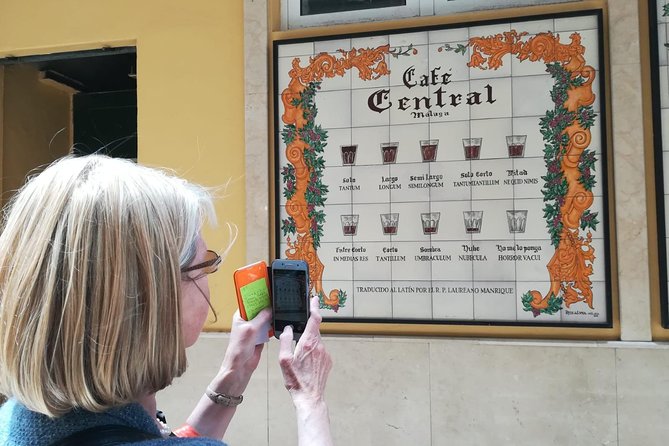
Next is Plaza de la Constitución, framed as more than a square. The guide explains it as a place where locals gather—and then drops a detail that makes it stick: the square is said to have witnessed the creation of nine different types of coffee found in Malaga.
Is that number something you’ll verify later in a museum? Probably not. But it does something more useful on a walking tour: it gives you a reason to connect daily culture (coffee habits) with a specific place in the city center.
If you like small local trivia that feels tied to real life, this stop is worth leaning into. If you prefer fewer “fun facts” and more hard history, treat this as a cultural pause rather than a lecture.
Calle Larios and fried almonds in the city’s main artery
After the squares, the route heads to La Calle Larios, Malaga’s central street. Here, the tour shifts into “how the city grew” mode, focusing on secrets behind the street and the family involved in its construction.
Then comes the snack moment: you’ll taste fried almonds, tied directly to what’s typical here. This is one of those small choices that elevates a walking tour from sights-only to city-sense.
One caution: Calle Larios is a main thoroughfare, so expect more foot traffic than some of the earlier stops. That’s not a deal-breaker, but it means your guide will likely keep things moving smoothly to maintain the group’s pace.
Mercado Central de Atarazanas: the ending that explains daily life
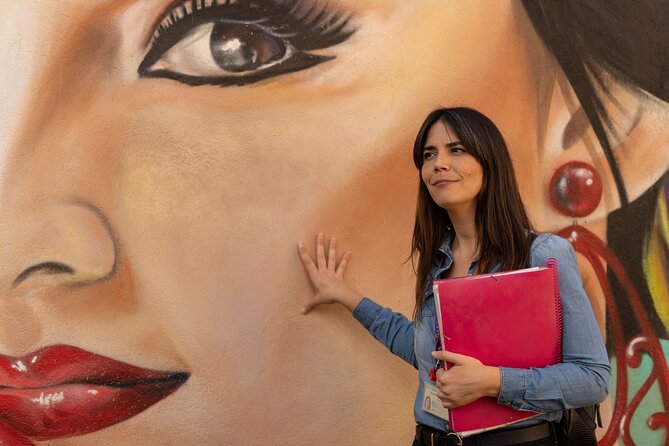
The day wraps at Mercado de Atarazanas, which is a strong ending point because markets are where you see how people actually live.
The guide explains why the central market is called that way and even addresses why locals are named as a particular kind of fish. Then you’ll learn what products are central to local consumption.
And this is also where the tour’s food energy often peaks. The plan includes market tastings, and participants describe sampling items like almonds and olives during the market stop. Some people also mention a drink at the end, including wine, which makes the ending feel like a proper finish rather than just “we’re done.”
If you plan to eat later, this ending helps you choose with more confidence. You’ll better understand what to look for—ingredients, local staples, and what the market signals about the region.
Practical tip: if you’re hungry after the tour, don’t assume the market is only for “touristy browsing.” It’s meant for real shopping and real food culture. You’ll be in the right mindset to handle it.
Price and value: what $36.28 really buys you
At $36.28 per person for about 2 hours 30 minutes, the value is in the structure, not the raw “price-per-minute math.”
You’re getting:
- A tight route across major old-town landmarks and local gathering places
- English guided storytelling that connects locations to culture
- Food elements throughout the walk (coffee/tea and tastings)
- A small group cap of 10, which keeps it from feeling generic
There are no paid admissions mentioned in the plan, and the stops list free admission tickets, so you’re not getting hit with museum fees mid-day. That keeps the budget predictable.
One more value point: the guide’s style. Many participants emphasize the experience feels personal and non-corporate, with guides like Isa/Isabel described as warm, funny, and very tuned to the group. If you want a tour that feels like someone’s showing you their home city rather than reading scripted captions, this is the right price bracket for that kind of experience.
Logistics that make the walk easier
This experience is designed for good walking comfort rather than wheel-in, wheel-out transport. The plan is a continuous loop through central Malaga, and it starts at Plaza de la Merced and ends near the central market.
A few practical notes from the provided info:
- Start time: 10:30 am
- Meeting point: Pl. de la Merced, 25 (Distrito Centro)
- End point: near Mercado de Atarazanas, C. Atarazanas, 10
- Mobile ticket is provided
- Near public transportation
- Service animals allowed
One important consideration: the tour requires good weather. If weather shuts it down, you’ll be offered a different date or a refund.
Who this tour is best for
This is a strong match if you:
- Want a first-day introduction to Malaga’s old town
- Like learning how places connect to local customs, not just monuments
- Prefer smaller groups where you can ask questions
- Enjoy food as part of culture (coffee and tastings along the way)
It’s also a good fit for travelers who don’t want to spend a full day stuck in only two or three “big ticket” sites. This route spreads attention across squares, churches, viewpoints, and the market, which helps you build a mental map quickly.
When it might not be the best choice
If you’re trying to maximize time in one specific theme—say, only Picasso museums—or you want a slow, stop-and-stretch style day with minimal walking, you might feel the schedule is a bit tight.
Also, while the tour includes tastings, it doesn’t market itself as a full-on food tour with heavy dining stops. Think of food as part of the storytelling and local texture, not as a multi-meal restaurant crawl.
Should you book Go Local for a Day in Malaga?
I’d book it if you want a human-scale Malaga intro that connects history, everyday habits, and food culture in one morning-to-late-morning window.
It’s especially worth it when you:
- Like asking questions and getting tailored local tips
- Want to end at the market so you can keep exploring after the tour
- Are traveling in an English-speaking group and want smooth guidance
If you’re the type who hates walking tours, you’ll probably feel the effort. But if you’re okay with a steady stroll and you want your first taste of Malaga to feel like locals showing you the city, this one hits the mark.
FAQ
FAQ
How long is the Go Local for a Day tour?
It runs for about 2 hours 30 minutes.
Where do you meet, and where does it end?
You meet at Pl. de la Merced, 25, Distrito Centro, Málaga, and you finish close to Mercado de Atarazanas on C. Atarazanas, 10, Distrito Centro.
What does it cost?
The price is $36.28 per person.
Is it offered in English?
Yes, the tour is offered in English.
How big is the group?
The tour is capped at a maximum of 10 travelers.
Does it include admission fees?
The tour plan lists free admission tickets for the stops included (Plaza de la Merced, Church of Santiago, Alcazaba, Malaga Cathedral, Plaza de la Constitucion, Calle Larios, and Mercado de Atarazanas).