REVIEW · MALAGA
Guided Tour to the only coffee farm in Europe
Book on Viator →Operated by Manolo Mateos · Bookable on Viator
Coffee grows in Europe, who knew? At this guided walk in La Herradura, you’ll see the only coffee plantation in Europe—woven into a working tropical fruit farm with up to 30 plant types, plus a chance at wild wildlife sightings.
I especially like the way Manolo Mateos (owner-guide) turns farming into a story you can follow, with humor and big-picture explanations that make the place feel alive, not staged. I also like the hands-on, practical angle: the tour connects coffee growing with ecological practices like how they manage water and keep the farm’s biological balance working.
One thing to plan around: the route is on a steep slope and it’s an open-air walk, so it may be uncomfortable in hot hours—and it’s not recommended if you’re sensitive to seasonal pollen or plant allergies.
In This Review
- Key highlights to know before you go
- Coffee in Europe, set in a real tropical orchard
- Meet the guide: Manolo Mateos makes it feel personal
- Stop 1 in La Herradura: the walk, the fruit, and the coffee
- Tropical fruit you can actually see on the tree
- Wildlife: not guaranteed, but part of the charm
- The coffee part: why it’s special here
- Sustainability explained in plain terms
- The slope and the timing: how to make the walk comfortable
- What you get at the end: fruit discount and shopping chances
- Price and value: $18.15 for 1h10–1h30 of walking
- Getting there: meeting point, taxis, and return plans
- Who should book this tour in Malaga?
- Should you book the La Herradura coffee-farm tour?
- FAQ
- How long is the coffee farm tour?
- Is the tour in English?
- How big is the group?
- What should I bring or consider?
- Is anything included besides the tour itself?
- What if the weather is bad?
Key highlights to know before you go
- The only coffee farm in Europe (and they position it as the most northern coffee plantation in the world)
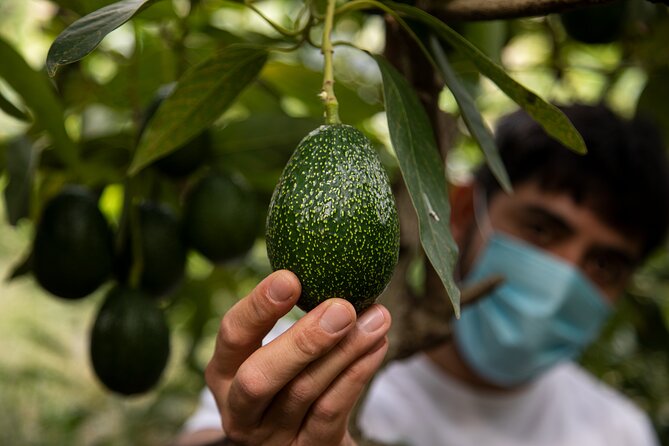
- Up to 30 tropical fruit types, including avocado, mango, lychee, red bananas, pitaya, and more
- Small group size with a maximum of 15 travelers for a more personal walk
- A sustainability-focused tour, explaining water and matter cycles and biological balance
- Wildlife may show up (chameleons, eagles, owls, partridges, wild goats, wild boars, if you’re lucky)
- 15% discount on fruit purchases at the farm shop at the end
Coffee in Europe, set in a real tropical orchard
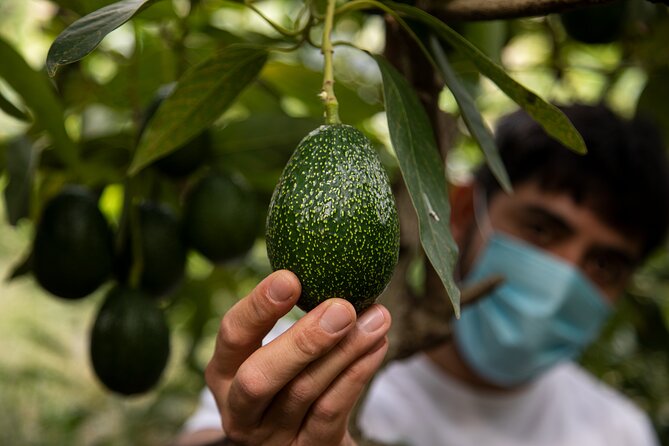
This is the kind of tour that changes how you think about where food comes from. Instead of a museum talk, you’re walking through a working farm in La Herradura, where coffee is grown alongside a crowd of tropical trees.
The big draw is simple: you’re visiting the only coffee plantation in Europe, and you’re doing it in the context of a whole ecosystem. You’ll hear how the farm manages sustainability—especially the “closing the circle” theme around water and organic matter—while you look at trees that produce fruit you may only ever see in a supermarket.
If you like travel that’s a little off the usual path, this one fits. You’ll come away with more than coffee facts. You’ll also understand the logic of mixed tropical agriculture: coffee and fruit aren’t separate worlds here—they’re part of how the land is managed.
You can also read our reviews of more guided tours in Malaga
Meet the guide: Manolo Mateos makes it feel personal
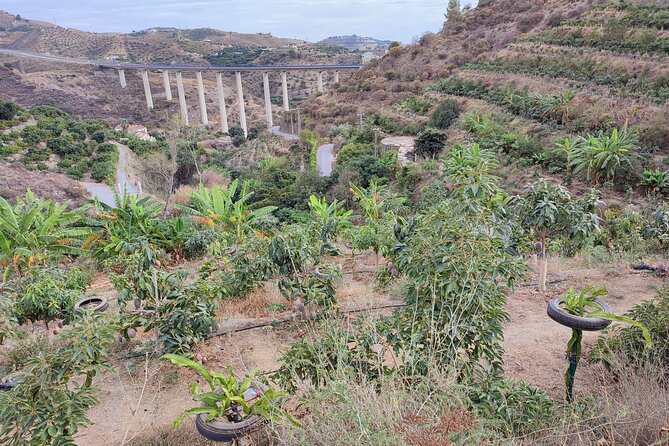
The experience hinges on the guide. The owner running this tour is Manolo Mateos, and multiple past guests describe him as entertaining and easy to listen to, including families and groups with kids. One review even points out that he speaks several languages, which matters if you want clarity rather than a rushed translation.
You’ll also feel that this isn’t just a job. Guests mention the family connection to the land (one person shared that the property has been in the family for around 300 years). Whether you care about coffee history or not, that long-term perspective helps the sustainable practices make more sense. Farming isn’t quick; it’s patience with results you can’t force.
Practical note: the tour is offered in English, but you may hear the guide adjust to other languages depending on the group. In one example, a guide named Sonia handled English with visitors who asked for French support too—so ask if language matters for your group.
Stop 1 in La Herradura: the walk, the fruit, and the coffee
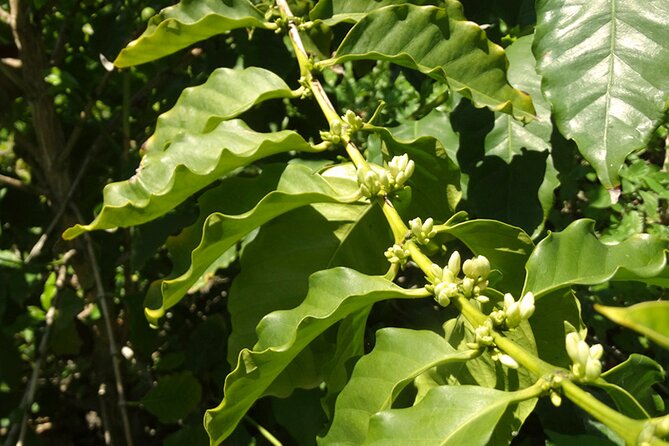
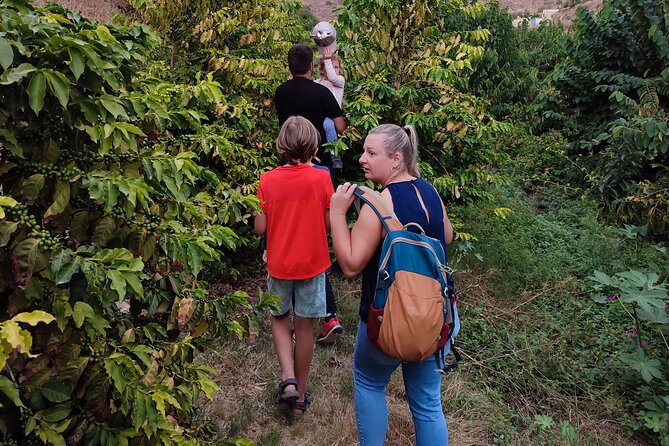
The heart of the tour is a guided, open-air route in La Herradura. Plan on walking on uneven ground and spending time among tropical trees rather than standing in one viewing spot.
Here’s what the walk is built around:
Tropical fruit you can actually see on the tree
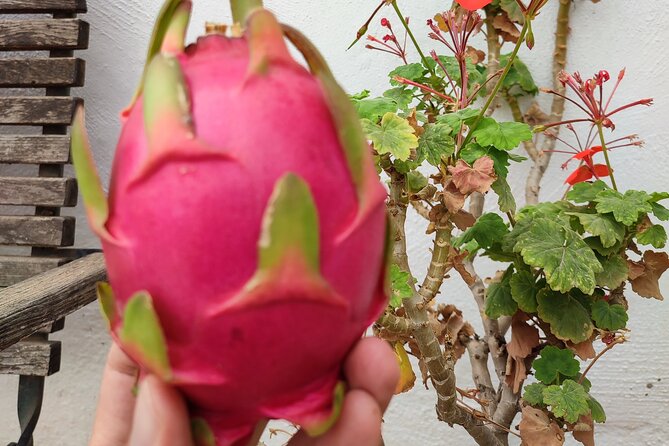
You’re not just told what the farm grows. You’ll look at trees producing varieties such as avocados, mangoes, custard apples, lychees, red bananas, macadamias, and pitayas, plus other exotic species. The tour frames this variety as more than a botanical flex. Mixed fruit farming helps manage the land’s biological balance, and it creates a living environment rather than a single-crop field.
If you’ve ever wondered why some fruits taste different by region, this is where you start connecting dots: climate, soil choices, shade, water planning, and biodiversity all show up in the way the farm is managed.
Wildlife: not guaranteed, but part of the charm
With luck, the tour may include wildlife sightings like chameleons, eagles, partridges, owls, wild goats, and wild boars. You shouldn’t count on a specific animal. But even knowing it’s possible adds to the “this is a living place” feeling.


The coffee part: why it’s special here
As a culmination, the tour brings you to the coffee area they highlight as the most northern coffee plantation in the world and the only one in Europe. Even if you don’t consider yourself a coffee person, this is where the whole story clicks: the farm’s tropical setup isn’t just for fruit—it’s the environment that supports their coffee project.
Sustainability explained in plain terms
During the walk, you’ll hear how the farm handles sustainable agriculture and the biological balance of the land. The tour specifically mentions the “closing of the circle of water and matter,” which is farmer language for reducing waste and feeding the system rather than fighting it.
That matters because it turns coffee from a product into a process. You start seeing why sustainable farming is hard work. It’s not a buzzword; it’s day-to-day decisions that take time to get right.
The slope and the timing: how to make the walk comfortable
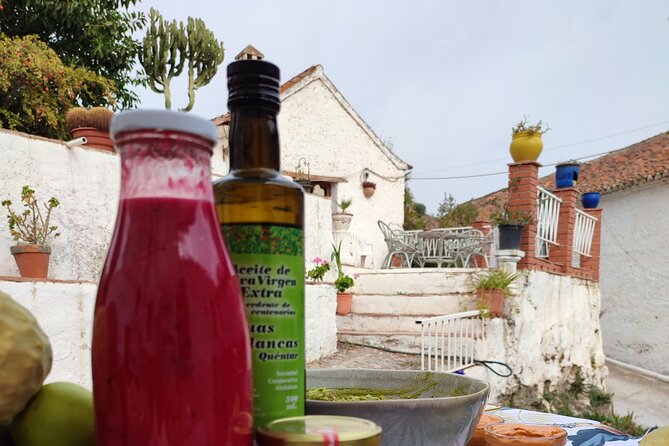
This tour includes a steep slope. That affects comfort more than most people expect.
So here’s your best play:
- Wear comfortable, closed shoes with good grip.
- Hydrate properly before you start.
- Aim to avoid the hottest hours of the day, especially if you’re prone to heat fatigue.
Also, if you have plant or pollen allergies, the tour notes you should consult beforehand and it’s not recommended for seasonal pollen allergy sufferers. Even if you’re fine outdoors in general, this is still a working orchard with lots of vegetation, so don’t gamble with your symptoms.
Group size is capped at 15, which helps. You can usually move at a sensible pace and ask questions without feeling stuck behind a crowd.
What you get at the end: fruit discount and shopping chances
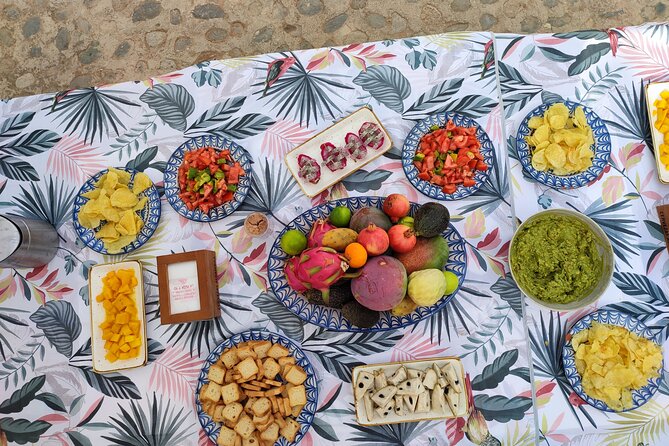
The tour includes a 15% discount on fruit purchases. That’s a real value add if you want to bring home something you can’t easily replicate.
Coffee and fruit are commonly part of the final moments. Several reviews mention buying coffee and tropical fruit at the end, and people describe the fruit as delicious—especially because it’s fresh and picked in the context of the farm.
A detail to keep straight: local wine and tapas are not included. If you’re expecting a tapas-style ending, you’ll need to plan a separate meal or snack elsewhere.
Also, the itinerary doesn’t list a tasting as a core inclusion, but some guests mention optional tastings or small samples. Treat that as a bonus you might find, not a guaranteed feature.
Price and value: $18.15 for 1h10–1h30 of walking
At about $18.15 per person, this isn’t a big-ticket experience, and that price makes sense for what you’re getting: a small-group farm walk, guided storytelling, and a chance to see rare coffee agriculture in Europe set inside a tropical fruit operation.
Where the value really comes from is uniqueness plus context. Many food tours show you one thing—usually a product tasting or a single agricultural theme. This one pairs coffee with tropical fruit diversity and sustainability practices in one circuit.
That said, there’s one fair caution. One lower rating criticized the experience for feeling focused mostly on fruit trees and not delivering on the coffee-only-in-Europe promise the way they expected. Translation for you: go with the right frame. Expect coffee as a key highlight, but this is still primarily a tropical farm walk, with fruit trees around you the whole time.
If you love plants, farming, and food you can point to, the low price can feel surprisingly good. If you want a coffee-focused tasting session, you might feel the time is more educational than culinary.
Getting there: meeting point, taxis, and return plans
The start is in La Herradura (meeting location is listed by coordinates). The end point is different and given as an address in the Granada area, so assume you’ll need to plan your return to wherever you’re staying.
A practical tip from past visitors: if you’re arriving by taxi, message ahead so the driver can be met and guided up the hill—because the farm approach isn’t always easy to find on your own. Also, one review notes there’s no Uber service for the return, so you’ll want to organize a lift to town or book a local taxi.
If you’re building a day plan, it’s easy to pair this with nearby beach towns like La Herradura and Almuñécar. Even if you don’t turn it into a full day trip, the farm walk works well as a “change of scenery” between Malaga and Granada-area exploring.
Weather matters too. The tour requires good weather. If it gets canceled due to poor conditions, you’ll be offered another date or a full refund.
Who should book this tour in Malaga?
This tour fits best if you want:
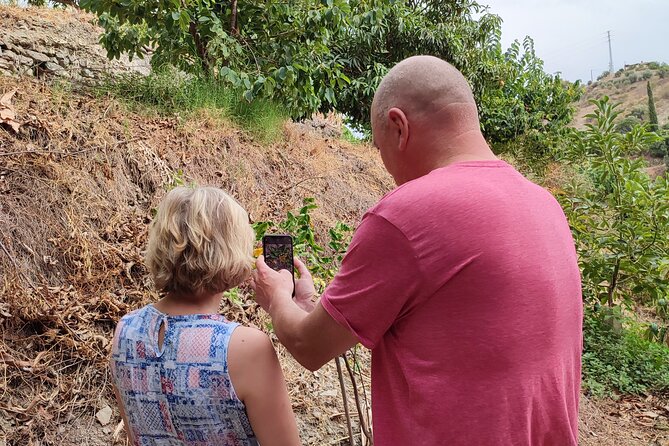
- A small-group outdoor experience with a real working farm
- A learning-focused walk about sustainable agriculture and mixed tropical crops
- Family time where kids can look, taste what’s growing, and ask questions (past visits include families with young children, and people noted the kids got involved)
- An offbeat food experience that isn’t a factory, not a market with cameras, and not a long bus ride
You might want to skip or choose another plan if:
- You don’t handle slopes and uneven ground comfortably
- Seasonal pollen allergies could flare up
- You’re mainly chasing wine and tapas (those aren’t included)
Should you book the La Herradura coffee-farm tour?
Yes, if you’re the type of traveler who gets excited by real agriculture: plants, climate, how a system is managed, and food you can see growing. The combination of Europe’s only coffee plantation, a big range of tropical fruit, and a passionate guide like Manolo Mateos is a strong match for curious travelers—and the price is friendly for what you’re doing.
Book with the right expectations: this is a guided outdoor walk first, with coffee as a highlighted culmination and fruit as a bonus you can purchase with a 15% discount. If you want a cushy, flat, indoor tasting tour, this isn’t that.
If you want a plan that’s different from the usual Malaga itinerary, this one earns its spot.
FAQ
How long is the coffee farm tour?
It runs about 1 hour 10 minutes to 1 hour 30 minutes.
Is the tour in English?
Yes. The tour is offered in English.
How big is the group?
It has a maximum of 15 travelers.
What should I bring or consider?
Wear comfortable, closed shoes because there’s a steep slope. Hydrate properly, and if you have plant or seasonal pollen allergies, consult beforehand. It’s also recommended to avoid the hottest hours of the day.
Is anything included besides the tour itself?
You get an admission ticket included, plus a 15% discount on fruit purchases at the farm. Local wine and tapas are not included.
What if the weather is bad?
The tour requires good weather. If it’s canceled due to poor weather, you’ll be offered a different date or a full refund.