REVIEW · MALAGA
Guided visit to the Roman Theater and Alcazaba in Malaga
Book on Viator →Operated by Memorias de Málaga · Bookable on Viator
One climb through time in Malaga. The Roman Theater and Alcazaba combo is a smart way to see the city’s layers in just about two hours. You start with the older Roman world, then work your way up into the fortress atmosphere of Muslim Malaga, with an official local guide keeping the story clear and chronological.
I especially liked two things: the small group feel that makes photos easy and questions welcome, and the way the guide brings the views from the palatial area into the explanation, so you understand what you are seeing instead of just looking at it. Guides like Antonio and Esther have been praised for making history feel real, not like a textbook you can’t remember.
One thing to think about: you’ll need to wear a mask throughout the tour, and the experience depends on good weather since it’s outdoors with walking and viewpoints. Also, rare last-minute disruptions can happen, so I’d keep an eye on any day-of updates.
In This Review
- Key highlights you should know
- A tight 2-hour route that actually makes sense
- Meeting at Plaza de la Aduana: easy to find, easy to return
- Teatro Romano de Málaga: how you get context fast
- Alcazaba climb: lower enclosures up to the palatial views
- Muslim Malaga and the Catholic conquest thread
- Guides like Antonio and Esther: history that sticks
- Price and value: $24.92 for a guided, ticketed outing
- Who should book this tour (and who might not)
- Should you book this Roman Theater and Alcazaba tour?
- FAQ
- Where does the tour start?
- What time does the tour begin?
- How long is the guided visit?
- How much does it cost?
- Is the ticket mobile?
- Are monument entrance fees included?
- How big is the group?
- What if weather is poor?
- Do I need to wear a mask?
Key highlights you should know
- Chronological storytelling: Roman → Muslim → the Catholic conquest thread that follows
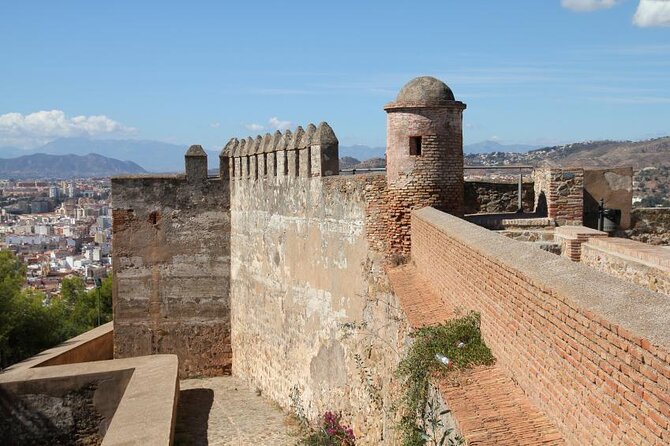
- Alcazaba viewpoint time: you reach the upper palatial zones for big photo moments
- Official local guide: a native guide from Malaga who ties history to what’s in front of you
- Small group cap of 15: enough people for energy, small enough for personal attention
- Monument admission included: you don’t have to manage separate tickets at the last minute
- Mobile ticket: easier check-in, less paper to juggle
A tight 2-hour route that actually makes sense
This tour is built for people who want the headline sights, but also want the why behind them. Two hours sounds short, yet the rhythm works because you move in a logical order: first you set the scene with the Roman Theater, then you shift into the fortress that became central to Malaga’s later history. It’s the kind of plan where you leave with a mental map, not just a memory of standing in front of stones.
The pace is also practical. You get a focused introduction at the theater, then you spend most of your time climbing through the Alcazaba, starting in the lower enclosure and moving upward step by step. The guide doesn’t treat the walk like a race; they slow down when a corner, wall section, or viewpoint helps explain the story.
And yes, you’ll be outdoors. Bring your common-sense basics: a bottle of water, sun protection, and comfortable shoes. If you hate stairs or long uphill walks, this is the part that matters most.
You can also read our reviews of more guided tours in Malaga

Meeting at Plaza de la Aduana: easy to find, easy to return
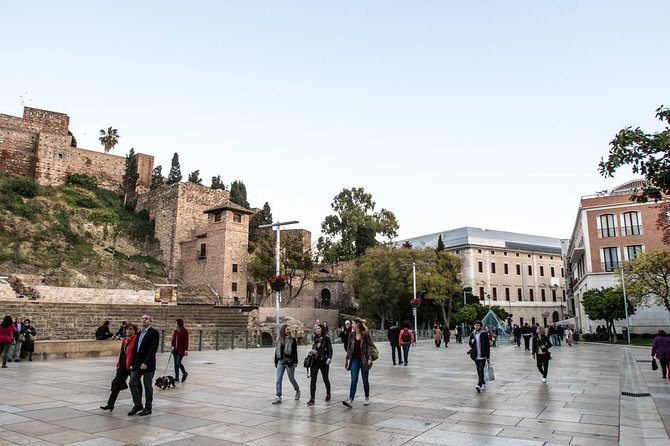
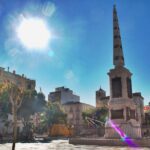
The tour starts at Plaza de la Aduana in Malaga’s Centro district, and it ends back at the meeting point. That matters more than you might think, because you do not have to reorganize your whole day afterward. You can keep exploring on foot, or pop into nearby cafés once you finish.
Also, the meeting area is near public transportation. If you are staying outside the core, this is a plus. You’ll likely be able to get there without a complex plan, then come back down afterward without the stress of finding a ride in a hurry.
Timing-wise, the start is set for 10:00 am. That’s usually a good choice for daylight photos and for avoiding the hottest hours later in the day. It also gives you options afterward if you want to add a museum stop or a beach walk.
Teatro Romano de Málaga: how you get context fast
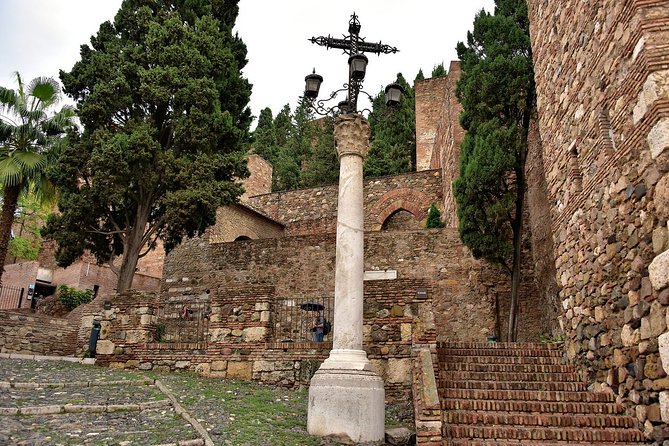
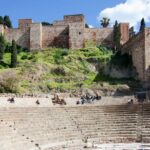
The Roman Theater stop is about 30 minutes, and it has a purpose beyond checking the first box. The guide uses it to build the historical timeline before you enter the Alcazaba. That is key. The theater is not just an ancient ruin; it’s your doorway into the older layers of Malaga, so the rest of the tour lands better.
You’ll get an introduction to the theater, then move along so you can see how Roman and later eras connect within the same city landscape. The best part of this setup is that you don’t have to guess what came first and why. The explanation is meant to help you follow the cultural sequence, not just memorize dates.
A practical note: the Roman Theater area is an outdoor setting with uneven footing in parts. Wear shoes you trust on stone and slightly sloped ground. If you want photos, aim to do them right when the guide points out what to look for, since that’s when the story connects to the shapes and structure you are seeing.
Alcazaba climb: lower enclosures up to the palatial views
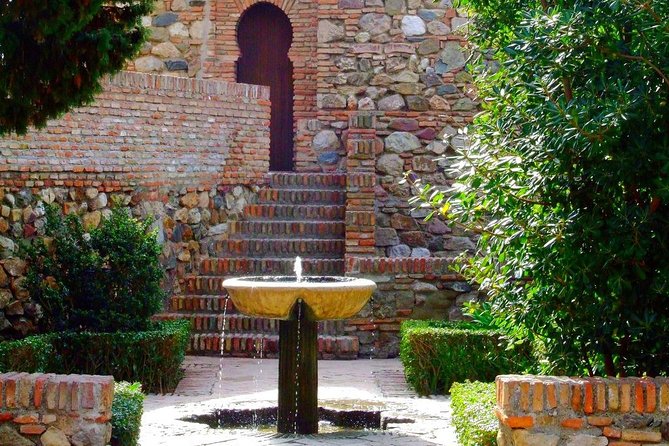
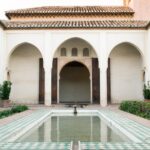
This is where the tour earns its reputation. The Alcazaba stop is about 1 hour 30 minutes, and the route is designed to move you gradually upward—from the lower enclosure up to the palatial area.
You will discover corners and secrets of this fortress as you go. The guide points out different areas of the stronghold and explains why they mattered, not just what they look like. That approach changes your experience. A wall becomes part of a defensive idea. A turn in the path becomes part of how the place was used.
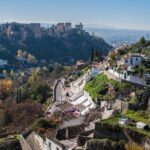
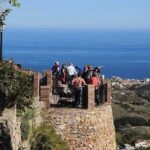
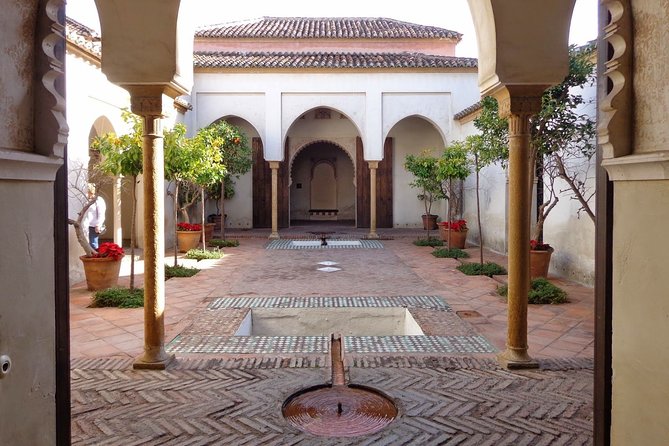
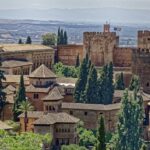
Then comes the payoff: the palatial area, where the guide calls out the unbeatable views and helps you interpret what you’re looking at. It’s one thing to see a view. It’s another to understand why that spot was chosen and what the fortress allowed people to control.
Because you climb, plan for a steady effort. Take it slow when you start the uphill section. You want your legs to last you until the viewpoint part, since that’s where you’ll likely want to stop and photograph for a few minutes.
Muslim Malaga and the Catholic conquest thread
One of the smartest parts of this tour is how the guide uses Muslim history as the common thread through the second half. You are not just walking around; you are getting a story that connects the fortress era to the later Catholic conquest.
That matters because Alcazaba is often described as one thing, when in reality it represents a bigger transition in the city. By the time you reach the higher areas, the explanation helps you see the place as a living page of history, shaped by different rulers and different needs.
This is also why the Roman Theater-first approach works. You aren’t only seeing two separate monuments. You’re watching Malaga’s timeline unfold along the same overall geography—older culture below, fortress power above.
If you enjoy explanations that connect art and architecture to real historical change, this part will feel satisfying rather than just scenic.



Guides like Antonio and Esther: history that sticks
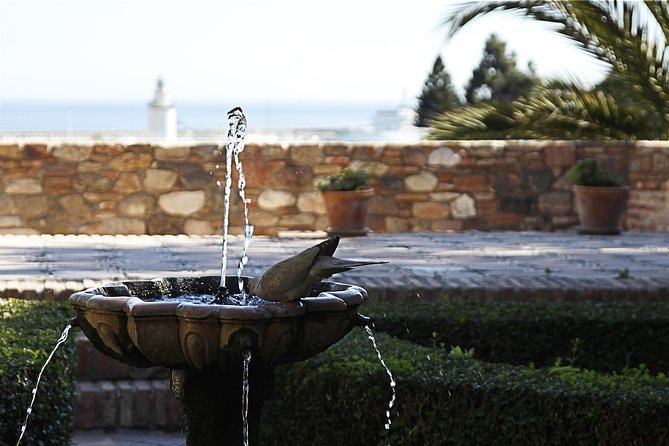
Small groups make a big difference in a tour like this. With a maximum of 15 people, you usually get enough breathing room for questions and for photo pauses without feeling like you’re in a crowd scene.
The strongest feedback in the local guide style is enthusiasm tied to expertise. Antonio has been praised for professionalism and for making you feel like you were transported into the past. Esther is repeatedly mentioned for turning the explanation into something you can understand quickly, with beautiful viewpoints along the way.
One additional detail I like: some guides go beyond the monuments and offer practical suggestions, like where to fit a museum visit after the tour. If you get that kind of guidance, it can help you plan the rest of your day in a way that feels effortless.
So think of this as guided movement with a strong interpretive layer. You come for the sights, and you leave with a better mental timeline.
Price and value: $24.92 for a guided, ticketed outing
At $24.92 per person, this tour isn’t trying to be the cheapest option in Malaga, but it does check the value boxes.
First, the route is guided. You are paying for a local official guide who tells the story and helps you notice what you’d likely miss on your own. Second, monument admission is included in the price, which saves time and effort once you’re on site.
Third, you get a two-part experience: the Roman Theater plus the Alcazaba climb. Many short tours cover just one. Here, the duration lines up with the two sites so you don’t feel rushed at the main climb.
If you’re the type of person who likes doing a bit of planning once, then letting a guide handle the connections, this is good value. If you prefer unguided exploration with no structured story, you might feel less benefit from the guiding portion—though the viewpoints still help either way.
Who should book this tour (and who might not)
I think this fits best if you want a clear introduction to Malaga’s layers without a full day. It’s also a smart choice for people who like photos but don’t want to stop every five minutes to figure out what they are looking at.
It’s a strong pick for history-minded visitors who like chronology: Roman, then Muslim-era fortress life, then the Catholic conquest storyline. The route helps the pieces connect, instead of showing you a set of unrelated stops.
If you struggle with uphill walking or you really dislike climbing, take a careful look at the Alcazaba portion. This tour is only two hours, but the upward movement is real. And because it’s outdoors, you should be ready for weather changes.
Finally, consider that a small group can still feel compact at the viewpoints. If you prefer wide-open space and silent wandering, you might want to balance this with more free time afterward.
Should you book this Roman Theater and Alcazaba tour?
Yes, I’d book it if you want the fast-but-meaningful version of Malaga. The biggest reasons: the chronological guide approach, the focus on the Alcazaba palatial viewpoints, and the fact that it’s structured around two major sites in a short time window.
I’d also book it if you like tours where the guide’s energy is part of the experience. Names like Antonio and Esther come up because they make the explanations work, not just because they know facts.
Before you commit, keep two practical things in mind: the tour requires a mask throughout, and it depends on good weather since it’s outdoors with walking and viewpoints. And if you want maximum peace of mind, plan to check any day-of updates so you’re not stuck wondering what happened.
If your goal is to leave Malaga feeling like you understand the city’s timeline in your own head, this tour is a solid use of two hours.
FAQ
Where does the tour start?
It starts at Plaza de la Aduana, Distrito Centro, Málaga, Spain.
What time does the tour begin?
The start time is 10:00 am.
How long is the guided visit?
It lasts about 2 hours.
How much does it cost?
The price is $24.92 per person.
Is the ticket mobile?
Yes, the tour uses a mobile ticket.
Are monument entrance fees included?
Yes, entrance fees to the monuments are included in the price.
How big is the group?
The tour is typically done in small groups, with a maximum of 15 travelers.
What if weather is poor?
The experience requires good weather. If it’s canceled due to poor weather, you’ll be offered a different date or a full refund.
Do I need to wear a mask?
Yes. Visitors must wear a mask at all times during the tour, properly covering the nose and mouth.