REVIEW · MALAGA
Malaga Tour with Cathedral, Alcazaba and Roman Theatre
Book on Viator →Operated by Córdoba a Pie | Visitas Guiadas y Free Tours · Bookable on Viator
History hits different in Málaga.
This 3-hour guided loop packs Alcazaba, the Roman Theatre, Calle Larios, and la manquita Cathedral into one walkable plan. I love the hands-off navigation (your guide handles the route) and that you get admission tickets for the big stops, so you spend less time queuing. The main drawback to plan for: it can be hard to hear if you drift to the edges of the group.
I also like that it’s not just sightseeing. You get a clear story arc—Romans, then Muslims in al-Andalus, then the city’s later heart in the historic center—so the sights make more sense when you’re standing in front of them. Guides are often praised for humor and strong city pride, including names like Danny, Maria, Hanna, Fabiola, and Rosie on past tours.
For most people, the pace is very doable, but you should be ready for crowds and a climb at Alcazaba. With a maximum of 30 people, it stays friendly, but popular sites can still feel packed.
In This Review
- Key things that make this Málaga tour work
- A 3-hour Malaga highlights route that actually makes sense
- Alcazaba start: fortress views plus the Roman-and-Muslim contrast
- Teatro Romano de Málaga: seeing how Romans staged a city
- Calle Larios stroll: the historic center’s 19th-century main street
- Málaga Cathedral and la manquita: finishing where the city centers itself
- How the guide experience affects your day (and how to fix it)
- Price and value: $45.62 for four major stops
- Who this tour is best for (and who should pick something else)
- Should you book this tour?
- FAQ
- How long is the Málaga tour?
- Is the tour offered in English?
- What’s included in the ticket price?
- Are hotel pickup and food included?
- Where do I meet the guide?
- How does cancellation work?
Key things that make this Málaga tour work
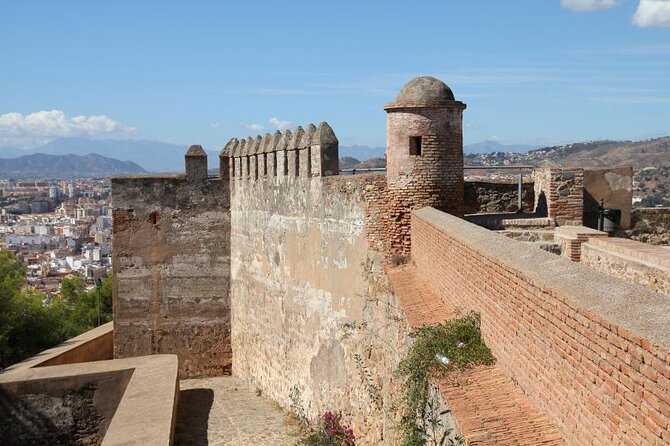
- Big landmarks in 3 hours: Alcazaba + Roman Theatre + Cathedral, with Calle Larios as the easy strolling break
- Tickets included for Alcazaba, the Roman Theatre, and Málaga Cathedral
- Great for first-timers who want the highlights without building a route from scratch
- Views from the Alcazaba—harbor and center panoramas from the upper courtyards
- A story-led walking experience that ties Roman and Muslim Málaga together
- You’ll need to stay close to hear well since there aren’t personal headsets listed
A 3-hour Malaga highlights route that actually makes sense
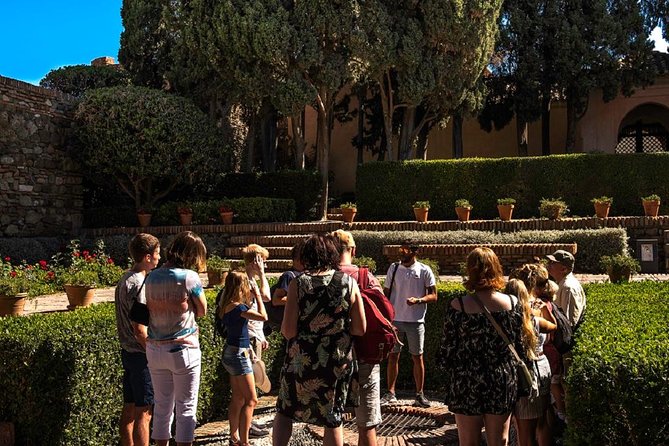
This is the kind of tour you book when you don’t want to spend your holiday doing research. In about 3 hours, you cover four of Málaga’s most recognizable stops: the Alcazaba, the Roman Theatre, Calle Larios, and the Cathedral known as la manquita.
What makes it feel efficient isn’t speed for speed’s sake. It’s the way the stops connect. You start with the defensive and ceremonial world at Alcazaba, then step into the Roman setting with the Theatre and its Visitors Center, then you move into street-life at Calle Larios, and finish at the Cathedral in the center of town.
The result is that your brain builds a timeline, not just a checklist. And you’ll probably appreciate that more when you look back at Málaga’s skyline from high ground.
You can also read our reviews of more tours and experiences in Malaga.



Alcazaba start: fortress views plus the Roman-and-Muslim contrast
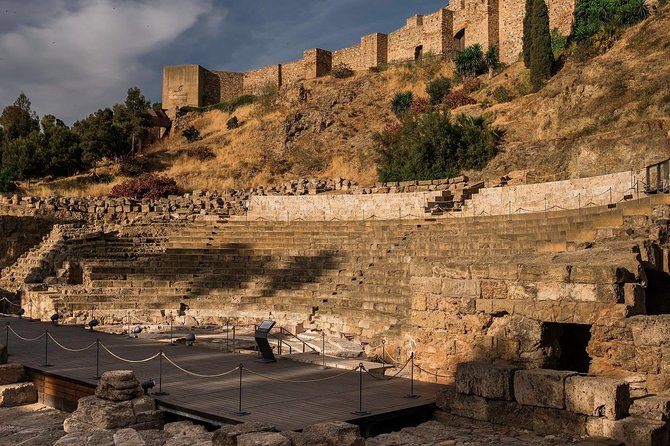
Starting at Alcazaba is smart because it sets the stage. This is where you feel Málaga’s strategic location—packed into a fortified setting built during Muslim Spain (al-Andalus). If you’ve seen the Alhambra before, the comparison is natural: both are palace-fortress vibes with courtyards and layered meaning behind the walls.
The tour focuses you on the parts that matter most:
- The Roman Theatre and Visitors Center come first (so you can picture an older Málaga before the fortifications)
- Then you move into the Alcazaba experience itself
At Alcazaba, you’ll visit courtyards tied to later Spanish history too, including the Arms Courtyard used by the Catholic Monarchs after the conquest. That’s a useful reminder that these sites weren’t frozen in time. Empires changed hands; buildings kept being used and reshaped.
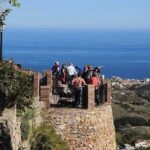
One of the best payoff moments comes from the Cuartos de Granada area, where you get spectacular panoramic views over the harbor and the city center. If you’re the type who likes a viewpoint that gives you orientation for the rest of your day, this is it. You’ll look down and suddenly you know where you are.
A practical note: wear comfortable shoes. Even if the walk isn’t long, Alcazaba is the kind of place where uneven stone and stairs add up, especially in cooler, windy weather.
Teatro Romano de Málaga: seeing how Romans staged a city
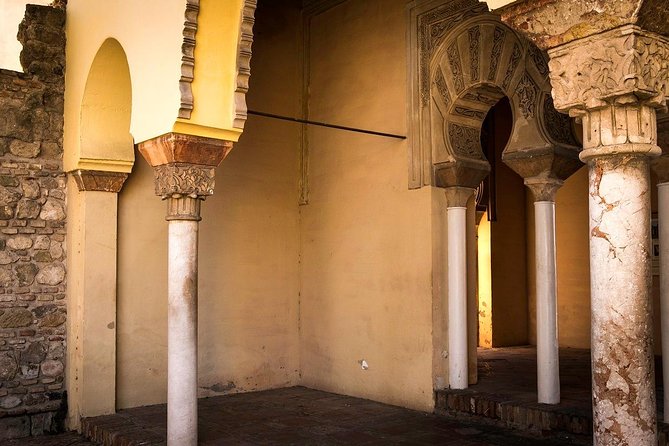
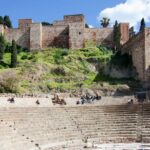
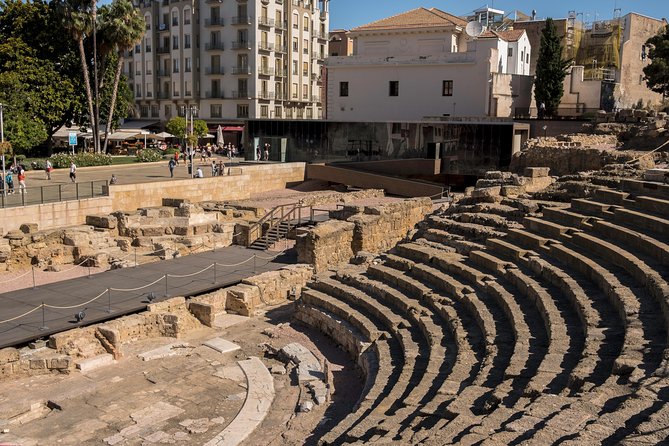
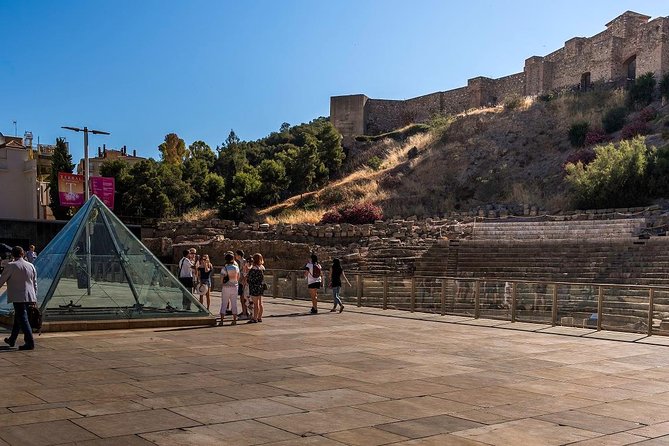
Your next big jump backward in time is the Roman Theatre of Málaga and its Visitors Center. The Roman Theatre matters because it’s not a random ruin. It’s a piece of a lived-in civic culture—built for gatherings, performances, and public life in imperial-era Málaga.
Even if you’re not the biggest Roman-art fan, this stop helps you “read” the city. You learn to notice layers: Roman foundations and ideas that still shape what came later. Having the Visitors Center before (or alongside) the theatre helps you make sense of the structure instead of just scanning for walls and columns.
How long is this stop? About 30 minutes with the admission included. That short window is good news if you’re working with limited time and want the highlights without turning the day into a museum marathon.
Crowd reality check: Roman sites can get busy, so stay aware of foot traffic around viewing points. If your guide keeps moving the group efficiently, you’ll get more out of the theatre than if you stop and start too much.
Calle Larios stroll: the historic center’s 19th-century main street
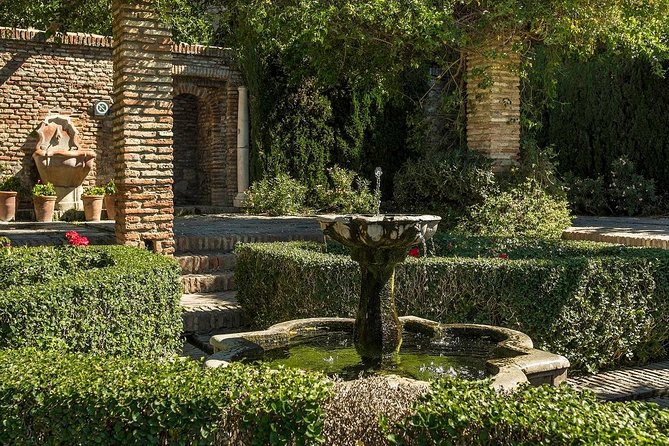
After the ancient sites, you shift gears with a simple but worthwhile walk: La Calle Larios. This is Málaga’s iconic street, known for elegant 19th-century architecture, upscale shops, and a lively calendar of cultural events, parades, and festivals.
For you, the value here is pacing. It gives your legs a breather after the climbs, and it also lets you see how the old city feels in day-to-day life. It’s pedestrian-friendly, which means you’re not constantly fighting traffic noise.
You can treat this stop like a reset button:
- look around and orient yourself
- snap photos of the street architecture
- enjoy the atmosphere without committing to another ticketed site
Also, it’s a good moment to regroup as a group. By the time you reach the Cathedral area, you’ll be more ready for a longer indoor-and-streets segment.
Málaga Cathedral and la manquita: finishing where the city centers itself
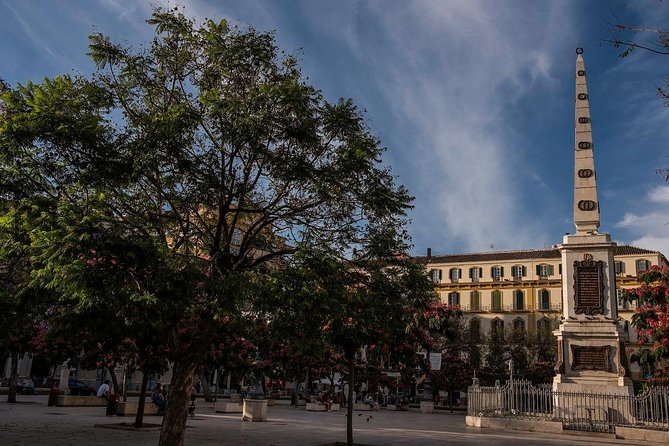
The last landmark on the route is Málaga Cathedral, officially tied to Santa Iglesia Catedral Basílica de la Encarnación de Málaga. It’s famous enough to have a nickname—la manquita—and the tour uses this stop to land you right in the historical streets that lead there.
You’ll spend about 1 hour at the Cathedral with admission included. What you’ll likely enjoy most is that the guide doesn’t just point at walls. The point is internal beauty—so you’re not stuck squinting at architecture from the entrance area.
This ending also has a timing logic. After seeing fortified courtyards and an ancient theatre, finishing at the Cathedral feels like stepping into the city’s later spiritual and civic center. It closes the loop. Romans and Muslims made Málaga powerful in different ways; the Cathedral shows how the city later defined itself in religious and cultural terms.
Crowds are common here. If you want a calmer experience of the inside, arrive mentally ready to move with the group rather than trying to linger at every corner.


How the guide experience affects your day (and how to fix it)
Most people love the guide component, and it makes sense. A history tour works when the guide turns shapes and dates into something you can picture.
Names you may see on this route include Danny, Maria, Hanna, Fabiola, and Rosie—and they’re often praised for a mix of history, clear explanations, and humor. That’s a big reason this feels more fun than self-guided walking.
But there’s one practical catch: hearing. This kind of walking tour does not list personal headphones, and some guests report it can be hard to hear unless you’re close. So do yourself a favor:
- Stay near the front of the group, especially at the meeting point and in tight areas
- If you find yourself straining, move a little—don’t just wait for the guide to repeat
- Use photos strategically. If you’re filming constantly, you’ll miss the key explanation that makes the architecture click
Group size is capped at 30, which helps, but popular sites still attract crowds. You may be asked to step aside so you don’t block pathways or doorways, so keep your patience dialed in.
Price and value: $45.62 for four major stops
At $45.62 per person for about 3 hours, this tour is priced like a “high-yield highlights” option. The biggest value driver is not just the guide—it’s the admissions.
You get tickets included for:
- Málaga Cathedral
- Alcazaba
- Roman Theatre
That matters because these are the three stops where tickets and timing can slow you down on your own. With a guide, you also spend your energy interpreting what you see instead of figuring out logistics.
Also consider timing. The tour is described as commonly booked around 40 days in advance. If you’re traveling in a busy season or want a specific day, booking early helps you lock in a spot.
If your goal is to see the best-known Málaga landmarks in a tight window, this is a strong value play.
Who this tour is best for (and who should pick something else)
I think this tour fits best if you:
- want an intro-level history walk without building your own route
- like seeing Roman and al-Andalus influences in the same day
- enjoy viewpoints and want time-efficient panoramas from Alcazaba
- prefer guided storytelling over guidebooks
It’s also a good fit for people visiting from a cruise or anyone with limited daytime hours. Ending at the Cathedral area is handy because it drops you in the center where you can keep exploring afterward.
If you’re the kind of traveler who hates group logistics, hates crowds, or needs a lot of quiet to process architecture, you may feel rushed at a few stops. Alcazaba and the Cathedral can get busy, and some people find it hard to hear depending on where they stand.
Should you book this tour?
If you’re aiming for a smart, ticket-included highlights loop—Alcazaba, Roman Theatre, Calle Larios, and Málaga Cathedral—this is an easy yes. The strongest reason to book is that the route is designed to connect the major layers of the city, so you don’t just collect photos. You get understanding, views, and a practical timeline in one afternoon.
If you’re sensitive to hearing issues, commit to staying close to the guide and plan for crowds. If you want a slow, meandering day with lots of downtime, you might prefer a more flexible option.
For most visitors, though, this is a dependable way to see Málaga’s big hitters without overthinking your plan.
FAQ
How long is the Málaga tour?
The tour lasts about 3 hours.
Is the tour offered in English?
Yes, it’s offered in English.
What’s included in the ticket price?
You get a professional guide plus admission tickets for Málaga Cathedral, Alcazaba, and the Roman Theatre.
Are hotel pickup and food included?
No. Hotel pickup is not included, and food and drink are not included.
Where do I meet the guide?
The start meeting point is Pirámide de Cristal, C/ Alcazabilla, 4, 6, Distrito Centro, 29015 Málaga. The tour ends at the Cathedral area on C. Molina Lario, 9, Distrito Centro, 29015 Málaga.
How does cancellation work?
You can cancel for a full refund if you cancel at least 24 hours before the experience starts. If it’s canceled due to poor weather, you’ll be offered a different date or a full refund.