REVIEW · MARBELLA
Marbella Old Town: Group Tour with a True Local
Book on GetYourGuide →Operated by Tour Marbella · Bookable on GetYourGuide
Old Town Marbella can feel like a maze, but this tour gives it shape fast. You’ll walk the medieval streets and learn how Marbella grew after the Christian reconquest in 1485, plus you’ll taste extra virgin olive oil along the way. I especially love that it mixes real sights—like a palace dating to 1502—with practical local flavor you can bring home.
Two things I like a lot: the guide focus (many groups rave about guides like Javier/Xavier, Ara, Eva, and Silvina for being friendly and talkative in the best way), and the olive oil tasting experience at the end. One thing to consider is that the tasting is subject to availability, so it’s smart to keep expectations flexible, especially if you’re visiting on a busy day.
In This Review
- Key takeaways before you go
- Why This Marbella Old Town Walk Feels Like a Local Introduction
- Meeting at Alameda Park: The Start That Gets You Oriented
- Alameda Park to Avenida del Mar: How the City’s Layout Tells a Story
- Capilla San Juan de Dios and Plaza Altamirano: Small Stops With Big Meaning
- Torre de la Pólvora and Plaza de los Naranjos: Spotting What You’d Otherwise Miss
- The 1502 Palace Stop: The Moment History Gets Real
- Olive Oil Tasting: How to Make It Worth Your Time
- Pace, Timing, and What to Wear for 1.5 Hours
- Price Value: What $29 Buys Beyond a Walk
- Should You Book This Marbella Old Town Tour?
- FAQ
- FAQ
- Where does the tour start?
- How long is the tour?
- How much does the tour cost?
- What language is the guide?
- Is olive oil tasting included?
- Does the tour run in bad weather?
- Is there a minimum number of people?
- Is the tour wheelchair accessible?
Key takeaways before you go
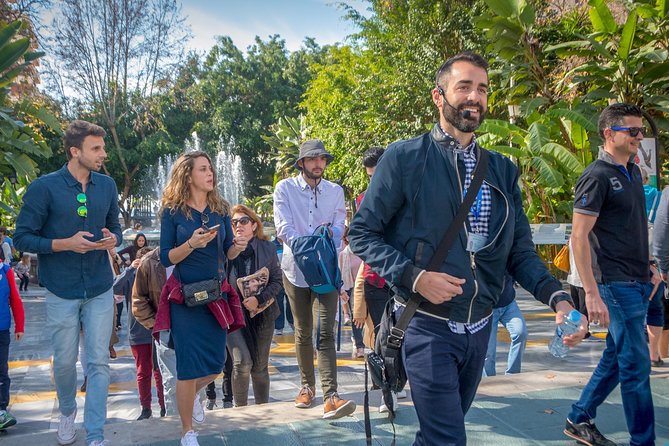
- Small-group feel: you get a more human pace and room to ask questions.
- Old Town focus: narrow streets, the Arab medina story, and key public squares.
- 1502 palace visit: a standout historical stop that gives Marbella a timeline.
- Olive oil tasting: included and designed to teach what makes the local product special.
- Easy-to-join starting point: meet at the fountain by Virgen del Rocío in Alameda Park.
- English guides: the tour is run in English and stays accessible for many visitors.
Why This Marbella Old Town Walk Feels Like a Local Introduction
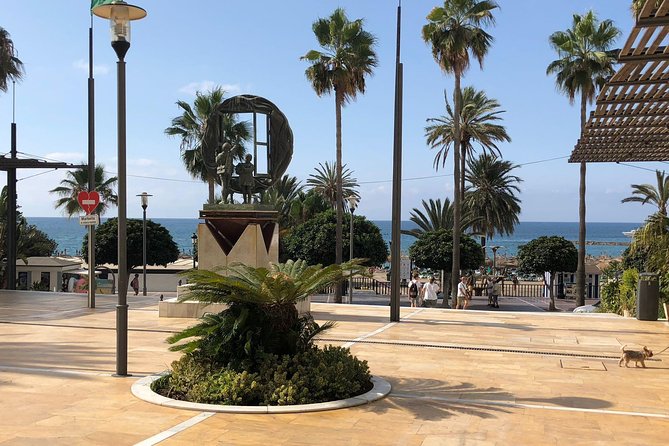
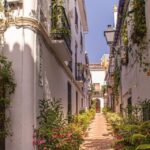
This is the kind of tour that helps you stop guessing. In 90 minutes, you’ll connect the dots between landmarks in Marbella’s Old Town and the bigger story of Andalusia—starting with an Arab medina setting and moving into the Christian-era development after 1485.
I like that the experience is built around “what to notice,” not just “where to stand.” You’ll hear why certain streets and squares matter, and you’ll also get food context, not just a snack at the end.
The tour also has a relaxed group energy. Reviews describe guides who keep things moving at a comfortable pace, and who answer questions in a way that reaches everyone, even if you’re near the back.
You can also read our reviews of more tours and experiences in Marbella.

Meeting at Alameda Park: The Start That Gets You Oriented
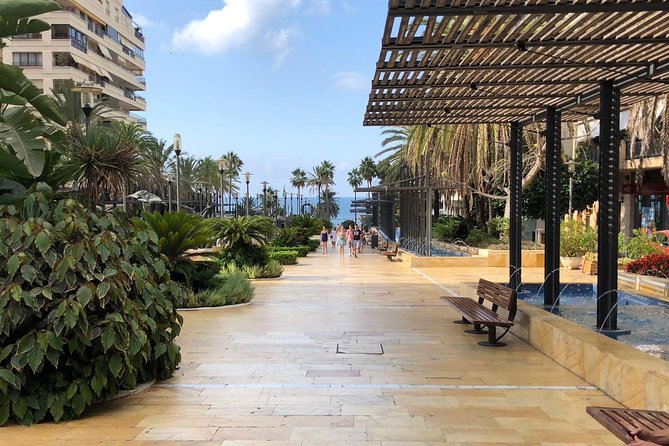
Your tour starts in the center of Alameda Park, at the fountain of Virgen del Rocío. That’s a smart setup for a walking tour because it’s easy to find and gives you a clean beginning point before the Old Town streets tighten up.
From there, you head out toward Avenida del Mar. This short transition matters because it sets the tone: you’re not just jumping straight into the maze; you’re getting a light “before and after” mental map of where the city breathes more openly, and where it becomes tight and historic.
Bring the basics and you’ll be happier. Comfortable shoes are non-negotiable here, and you’ll thank yourself for sunscreen and water—Marbella weather can turn fast, even when the day looks mild.
Alameda Park to Avenida del Mar: How the City’s Layout Tells a Story
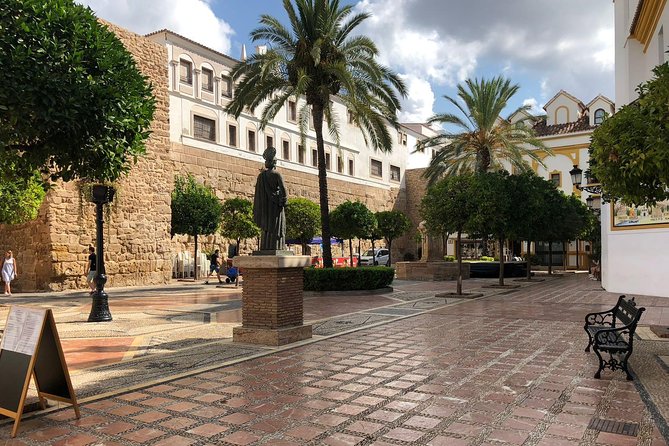
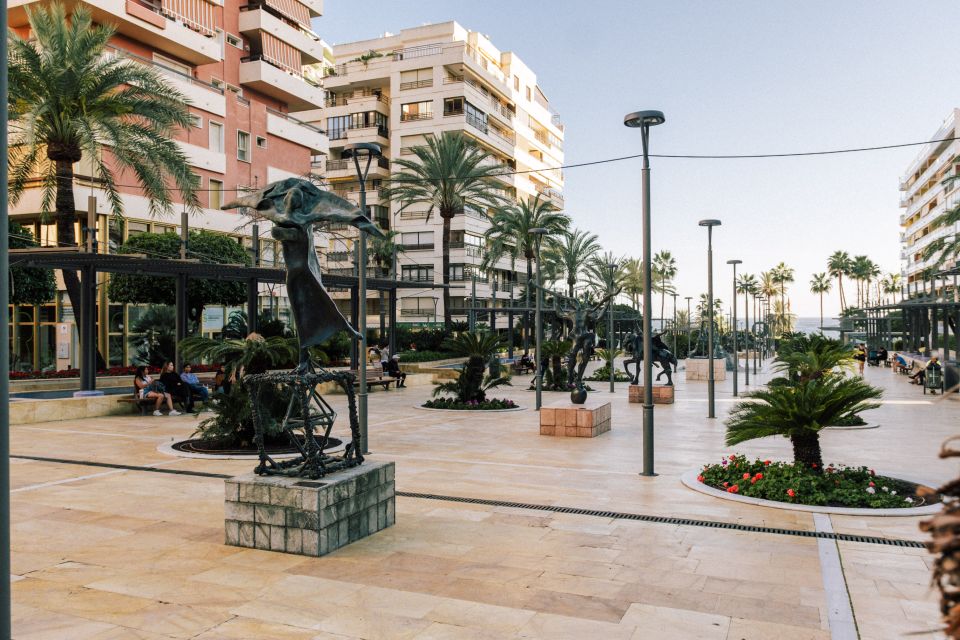
Avenida del Mar is more than a street you walk down. It’s a reminder that Marbella isn’t only Old Town postcard views—it also has a modern rhythm that helps explain why the historic core feels like its own world.
This early part is useful if you’ve never really navigated Marbella before. You’ll learn how to read the city layout so later, when you’re wandering on your own, you’ll understand what direction you’re heading and why.
Expect short guided stops as you go—enough time for context without turning the walk into a lecture marathon. The duration stays tight at about 1.5 hours, so every segment has a purpose.
Capilla San Juan de Dios and Plaza Altamirano: Small Stops With Big Meaning
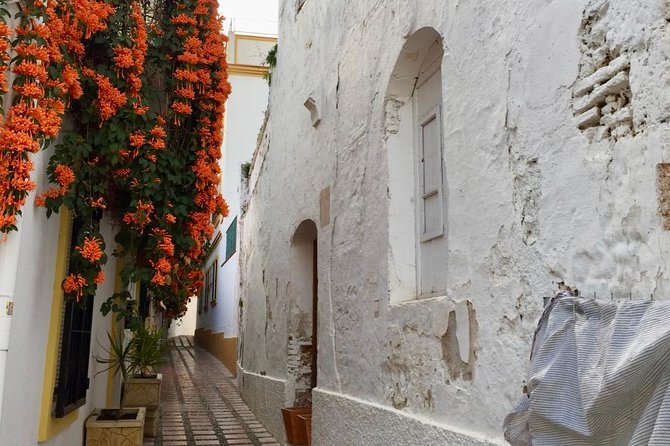
Next up is Capilla San Juan de Dios, a quick but memorable stop. In just a few minutes, you’ll pick up how religion and community spaces shaped Old Town life over centuries—especially important in a city where layers of culture overlap.
Then you move to Plaza Altamirano. Plazas are where Marbella’s social life shows up, and on this tour they act like “story checkpoints.” You’ll learn what to look for around the square, so you’re not just staring at architecture—you’re reading it like a timeline.
One reason these stops get praise is that the guiding style tends to feel personal. People mention guides who offer clear explanations and also point out practical details like where to eat after the tour.
Torre de la Pólvora and Plaza de los Naranjos: Spotting What You’d Otherwise Miss
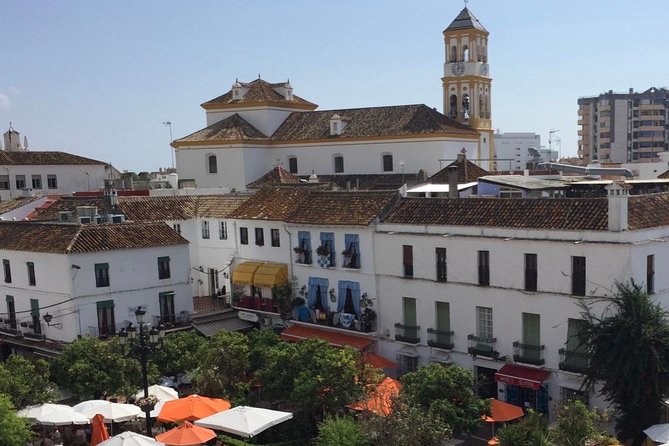
Torre de la Pólvora is one of those landmarks that can look “fine” from the outside until someone connects it to what it used to guard or represent. Here, it helps you understand Marbella’s defensive and strategic side—before you move into more open, everyday spaces.
Then you end at Plaza de los Naranjos. If there’s a single “Old Town feeling” that captures Marbella, it’s the atmosphere of this square—an area that works for photos, people-watching, and relaxing after your walk.
What I like about ending here is that it sets you up to keep exploring immediately. After the tour, you’re not wandering around with no plan—you’re finishing in a place where you can naturally extend your evening.
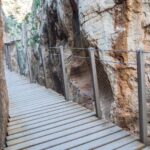
The 1502 Palace Stop: The Moment History Gets Real
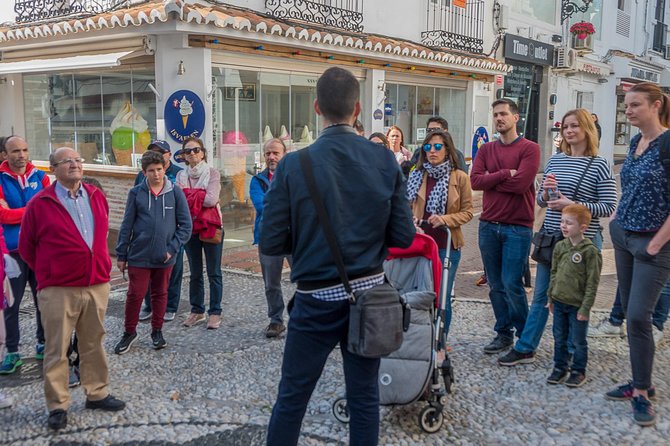
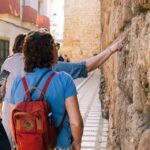
You’ll also visit a magnificent palace dating back to 1502. This is the highlight that turns the tour from “nice storytelling” into “wow, this place is anchored in time.”
A palace built in that era tells you Marbella was more than coastal scenery—it was a political and social node. When you hear the palace described alongside Marbella’s shift after the reconquest in 1485, the city’s transformation becomes easier to grasp.
Even if you’re not the type who usually cares about dates, this kind of stop works because it gives you a physical reference point. Afterward, you’ll spot more details in the Old Town and feel like you actually understand what you’re looking at.
Olive Oil Tasting: How to Make It Worth Your Time
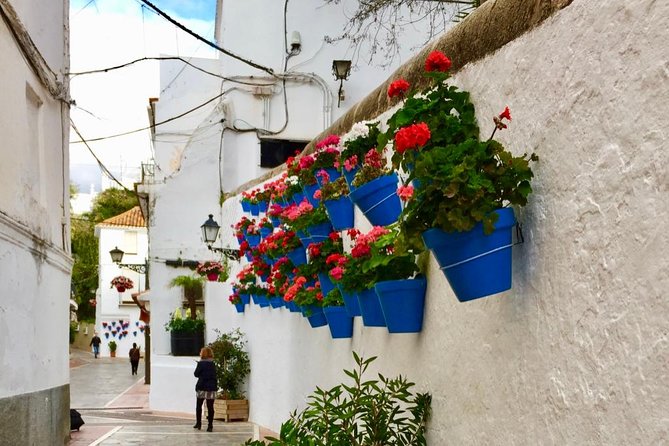
The tour includes a local tasting focused on Spanish olive oil—typically extra virgin olive oil. It’s described as free of charge and subject to availability, so it’s not just a marketing moment; it’s built into the tour experience.
Here’s what to pay attention to during the tasting:
- The difference between mild and strong profiles, which often comes down to fruit and processing.
- How you smell it first—yes, first—and then taste slowly. Your palate will catch more than if you rush.
- What the guide says about local production. You’re not just buying oil; you’re learning how to recognize what you like.
I also like that this ending doesn’t end with instructions like buy this, buy that. Some guides and groups mention extra touches like pairing or a glass of wine, but the main point is the tasting itself and the understanding you take away.
Pace, Timing, and What to Wear for 1.5 Hours
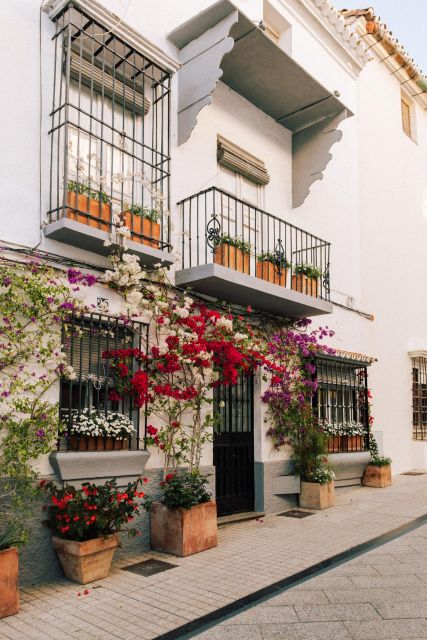
This is a short tour by design: about 1.5 hours with multiple guided stops. That length is great when you want context without sacrificing your whole day to walking.
The pace tends to be “steady and friendly,” not sprinty. Reviews highlight guides who kept groups together and ensured everyone could hear them, including participants farther back—so you won’t feel like you’re trudging while the front gets the good parts.
Since it happens rain or shine, plan for changing weather. Comfortable shoes handle the Old Town surfaces, and a sun hat plus water handle the sunny version. If you’re visiting in shoulder season, a light layer also helps.
Price Value: What $29 Buys Beyond a Walk
At $29 per person, you’re paying for two things that usually cost more separately: guided context and a guided food experience.
If you tried to do this on your own, you’d still have the streets and squares—but you’d miss the why. The guide’s job is to connect the 8th-century Arab medina setting, the reconquest-era shift in 1485, and the later palace-era presence into a story that makes the Old Town click.
The olive oil tasting matters for value too. It gives you something tangible at the end, and it’s the kind of souvenir that’s actually useful. People also mention buying oil and even arranging shipment, which tells you this tour can go beyond sightseeing and into practical local shopping.
Should You Book This Marbella Old Town Tour?
Book it if you want a quick, guided Old Town orientation with a food payoff. This fits well when you’re limited on time, you don’t want to plan a route from scratch, or you enjoy history when it’s explained in plain language by a local.
Skip it only if you’re the type who hates structured walks or you’re expecting a long, inside-only museum marathon. This is a street-and-story experience, not a full-day deep academic tour.
If you can handle weather, wear good shoes, and keep the olive oil tasting subject-to-availability idea in your head, it’s a strong way to get your bearings and enjoy Marbella like you live there for a day.
FAQ
FAQ
Where does the tour start?
Meet your guide at the fountain Virgen del Rocío in the center of Alameda Park.
How long is the tour?
It lasts about 1.5 hours.
How much does the tour cost?
The price is $29 per person.
What language is the guide?
The tour is guided in English.
Is olive oil tasting included?
Yes, the tour includes a free olive oil tasting, but it’s subject to availability.
Does the tour run in bad weather?
Yes, it takes place rain or shine.
Is there a minimum number of people?
Yes. A minimum of 4 people is required for the tour to operate.
Is the tour wheelchair accessible?
Yes, it’s wheelchair accessible.