REVIEW · MARBELLA
Marbella Old Town group tour with a True Local
Book on Viator →Operated by Tour Marbella · Bookable on Viator
Old Town Marbella has a second life. This small-group walk turns history into street-level stories, then finishes with an included extra-virgin olive oil tasting. You’ll also get a guide-led route through chapels, plazas, and old city walls that show Marbella isn’t only beach and nightlife.
Two things I really like about this tour are the way it connects different eras of the city and the payoff at the end. And the main drawback to consider is simple: this experience depends on good weather, and the tasting timing can be affected by shop hours.
In This Review
- Key highlights to know before you go
- Old Town Marbella told by people, not postcards
- What $30.23 buys on this 90-minute walk
- From the locals’ shade spot to Plaza de los Naranjos
- Paseo Marítimo and Avenida del Mar: sea air and Salvador Dalí
- Capilla de San Juan de Dios: woodwork you can still spot
- Hospital Bazán and the National Engraving Museum stop
- Plaza Altamirano, Torre de la Polvora, and Moor-to-Castile streets
- Plaza de los Naranjos: orange grove shade and a natural finish
- D.OLIVA olive oil tasting: 3 to 6 oils, included
- Who should book this group tour
- Practical tips for a smooth Old Town afternoon
- Should you book this Marbella Old Town True Local tour?
- FAQ
- What is the duration of the Marbella Old Town group tour?
- How much does the tour cost?
- Is the tour offered in English?
- Is the olive oil tasting included?
- Are there admission fees for the stops?
- How many people are in the group?
- Where does the tour start and end?
- Do I need a printed ticket?
- Is private transportation included?
- What happens if the weather is bad?
Key highlights to know before you go
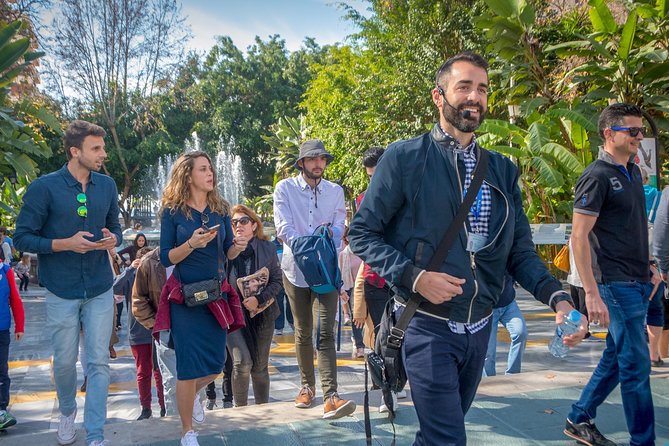
- Licensed local guide in English with small group size (maximum 20)
- Earphones are used, so you can hear the guide clearly on narrow streets
- Many free stops, including a 16th-century chapel and medieval wall remains
- A Museum option: Hospital Bazán connects to the National Engraving Museum when open
- D.OLIVA olive oil tasting included (3–6 extra-virgin oils, subject to availability)
- You end in the orange-grove Plaza de los Naranjos, with plenty of places to grab food after
Old Town Marbella told by people, not postcards
Marbella’s Old Town can look like a clean postcard from the outside. But on this walk, it starts to feel like a living place—because your guide explains how the city grew, what each era left behind, and why certain corners still matter.
You’ll hear stories that link religion, defense walls, and neighborhood life in a way that makes the streets easy to follow. And because the group is small and the route is made of short hops between key spots, you don’t spend your time waiting around—you spend it looking.
You can also read our reviews of more tours and experiences in Marbella.

What $30.23 buys on this 90-minute walk
At about $30.23 per person for roughly 1.5 hours (often closer to 2 hours in real life), you’re paying for something most independent wandering can’t replace: a well-paced local explanation plus a food finish.
Here’s where the value comes from. The tour includes a local licensed guide, and the route is built around several free admission moments—chapels, plazas, and exterior wall remains. On top of that, the ending olive oil tasting adds a tangible Andalusian experience instead of just another souvenir stop.
What’s not included is private transportation. That’s fine here, because the whole point is walking Old Town on foot and letting your guide steer you to the right streets without detours.
From the locals’ shade spot to Plaza de los Naranjos
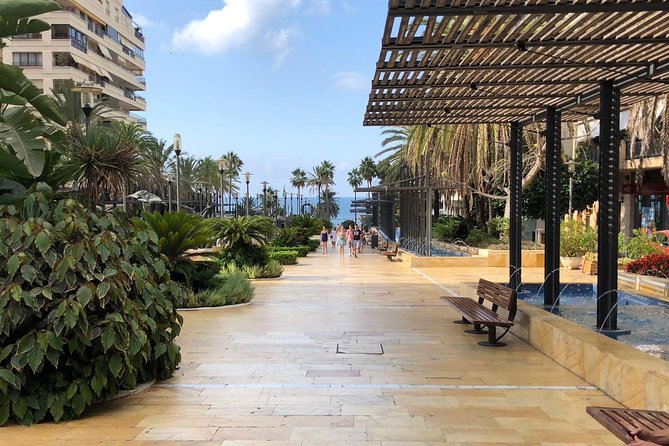
The tour starts at a meeting point where locals gather—either for small events or simply to enjoy the shade. That’s a smart opening move, because it gives you a calm baseline before the route tightens into narrower, older streets.
You’ll then move toward the sea-front promenade area, and by the time you reach the end, you’re walking back into the heart of the Old Town’s social life. The finishing point is Plaza de los Naranjos, a sheltered square lined with cafes, orange trees, and 16th-century buildings. It’s a great place to stop, reset, and decide what to eat next.
Paseo Marítimo and Avenida del Mar: sea air and Salvador Dalí
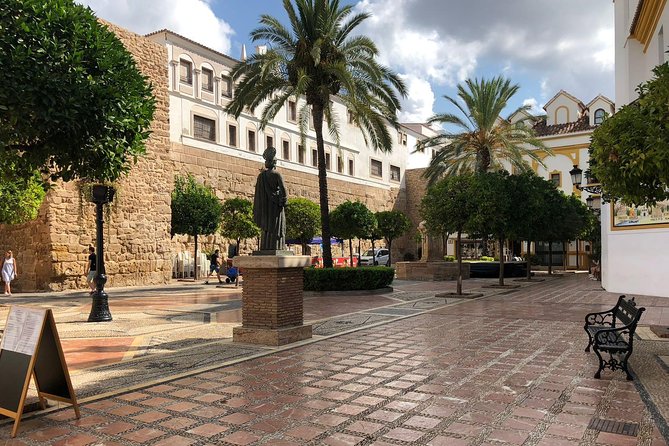
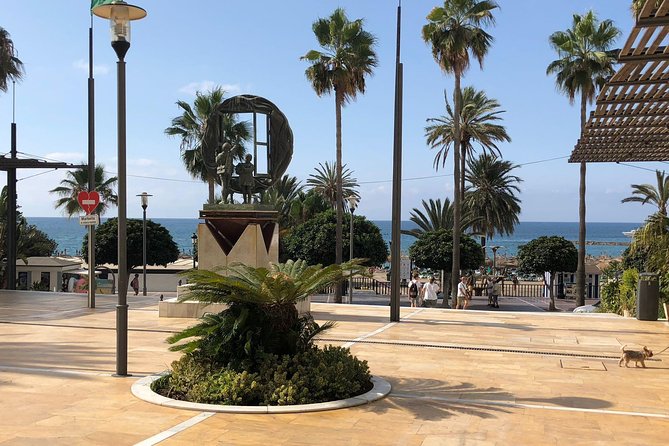
One of the best “first transitions” in Marbella happens as you leave the main shopping streets and head toward the water. You’ll walk through Avenida del Mar, where you may spot some Salvador Dalí sculptures, then you’ll arrive at the Paseo Marítimo—the busy promenade zone with bars, restaurants, and chiringuitos.
This section works even if you’re not a museum person. It gives you context fast: Marbella’s Old Town doesn’t feel isolated from the rest of the city. It breathes with the coast. And the guide’s commentary helps you notice details you’d otherwise miss, like how the beachfront area ties into the broader city rhythm.
Capilla de San Juan de Dios: woodwork you can still spot
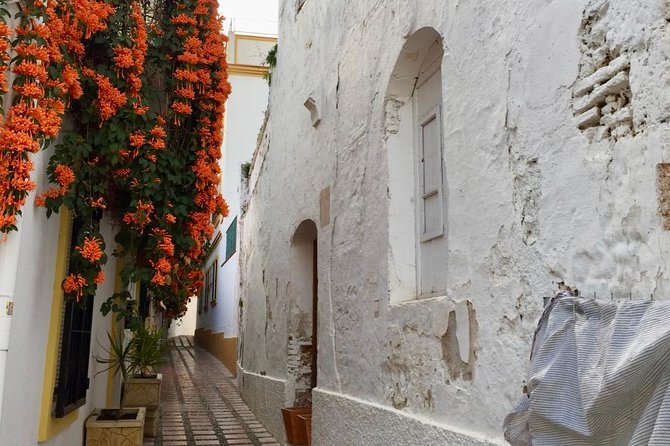
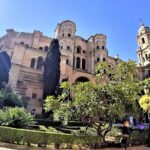
Next is the Capilla de San Juan de Dios, a chapel dating from the 16th century. What makes it worth your time is the craft: the ceiling woodwork still remains, and it’s the kind of detail you’ll actually remember once you’re back in your hotel.
This is also one of the calmer stops on the route. You don’t have to race through it. It’s short enough that you stay fresh, but it’s meaningful enough to slow you down and make you look upward, not just ahead.

Hospital Bazán and the National Engraving Museum stop
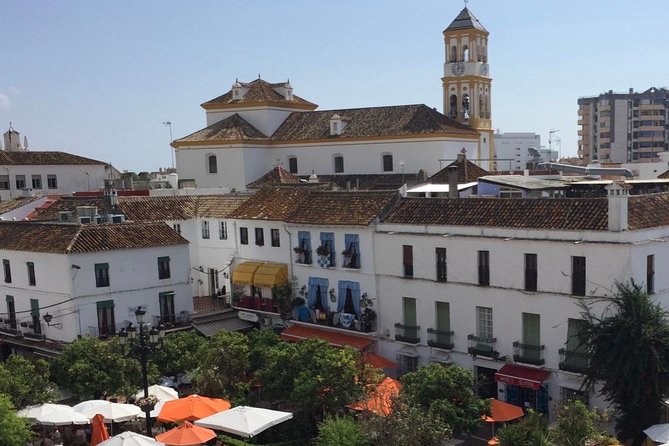
At Hospital Bazán, you’re looking at historic architecture inside the Old Town. The building connects to the National Engraving Museum, and if the museum is open during your walking window, the tour tends to include entry.
Even if you don’t go inside, the stop still helps you understand why Old Town buildings matter. Marbella wasn’t built only for pleasure; it also had institutions tied to daily life and public service. A guide can make those links click quickly, and this is the kind of stop that benefits from a bit of explanation.
A practical note: this museum entry is not guaranteed. It depends on opening times on the day of your tour—so treat it as a bonus, not a promise.
Plaza Altamirano, Torre de la Polvora, and Moor-to-Castile streets
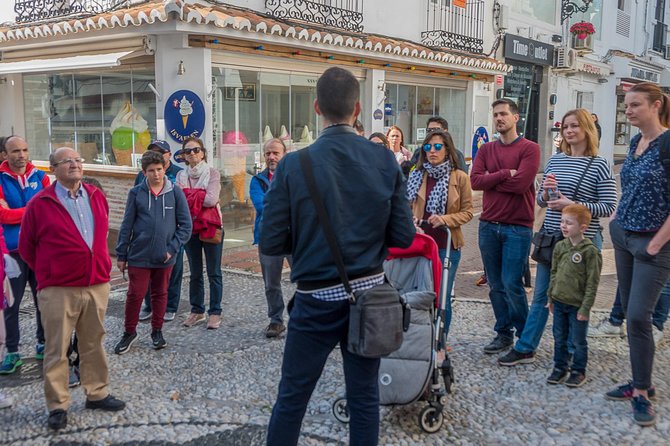
Old Town Marbella has a “layers” feel, and this part of the walk shows it clearly.
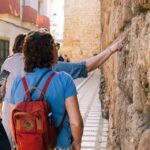
You’ll pass through Plaza Altamirano, a charming square tied to a 16th-century palace linked to the former commander of the city. Nearby, Torre de la Polvora shows remains of Marbella’s medieval walls. It’s not about recreating a fortress scene—it’s about seeing how defense and settlement shaped the streets around it.
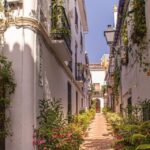
Then comes the Moorish-to-Castilian story thread. Plaza de los Naranjos is especially important for that. The narrow winding Moorish-era streets were replaced to create the 16th-century Castilian-style square you see today. That single transformation explains a lot of why Old Town feels the way it does: older patterns can disappear, but their influence still shows in the shape of how people move.
Plaza de los Naranjos: orange grove shade and a natural finish
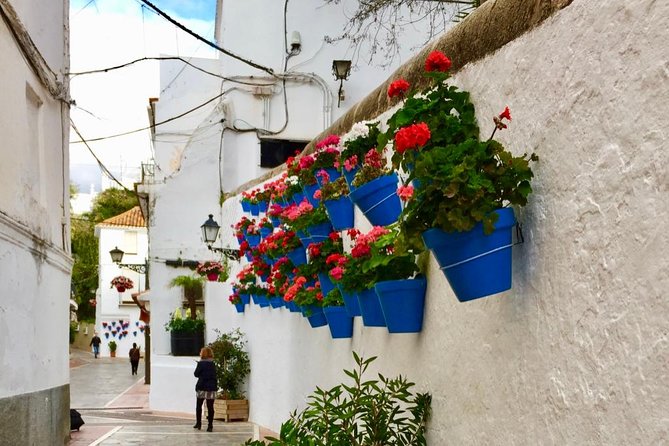
The tour ends at Plaza de los Naranjos, and that’s a smart choice. This square has the kind of shade and shelter that makes it easy to catch your breath after a focused walk. It’s also surrounded by cafes and restaurants, so you can turn the experience into a full afternoon instead of scrambling to find a plan afterward.
If you want to keep the momentum going, use this moment like a reset button. Grab a drink, compare notes with what you learned, then pick a place to eat while you’re still in Old Town mode.
D.OLIVA olive oil tasting: 3 to 6 oils, included
This is the Andalusian finale, and it’s included: a tasting at D.OLIVA featuring 3 to 6 extra virgin olive oils. Your guide frames it as more than a snack. Olive oil in southern Spain is part of daily food culture, not a tourist-only idea.
Taste count can vary, and the shop’s opening hours can affect availability. Still, even when the tasting is shorter than expected, you’ll walk away with a real sense of what “extra virgin” means in practice—different aromas, different flavors, different intensities.
It’s also a fun stop because it gives you something to do with your senses. After all the stone, wood, and street corners, it’s a nice shift.
Who should book this group tour
This tour is a great fit if you want to:
- get your bearings in Marbella quickly without mapping apps
- see Old Town beyond the beach and souvenir streets
- learn how chapels, walls, and plazas connect to city life
- add a practical food moment through the olive tasting
It also tends to work well for mixed groups, including people traveling with a young child, since the route is made of short timed stops rather than one long slog.
You’ll likely be especially happy here if you appreciate architecture and history that you can actually walk around, not just read about.
Practical tips for a smooth Old Town afternoon
A few things will make this tour easier and more enjoyable.
- Bring comfortable walking shoes. Old Town streets are narrow and uneven in spots, and you’ll be moving between several stops.
- Plan for changing weather. The experience is designed for good conditions, and it can be adjusted if weather doesn’t cooperate.
- If you’re sensitive to loud crowds, take comfort in the setup: earphones help you hear the guide clearly.
- Stay flexible at the end. The D.OLIVA tasting is included, but it’s subject to availability based on opening hours.
Finally, treat this as the start of your own Old Town exploration. A good guide will often share practical dining ideas and routes so you can continue on your own afterward.
Should you book this Marbella Old Town True Local tour?
Yes—if you want a short, high-impact intro to Marbella’s Old Town that’s guided by real local context. The price feels fair because you’re not just paying for someone to walk beside you; you’re buying an English-speaking licensed guide, a tight route with several free sights, and an included olive oil tasting finish.
Book it early in your trip if you can. This tour helps you understand what you’re looking at later when you wander on your own—especially the plazas, the wall remains, and how Moorish and Castilian city planning still shapes what you see today.
FAQ
What is the duration of the Marbella Old Town group tour?
The tour runs about 1 hour 30 minutes (approx.).
How much does the tour cost?
The price is $30.23 per person.
Is the tour offered in English?
Yes, it’s offered in English.
Is the olive oil tasting included?
Yes. The tour includes an olive oil tasting at D.OLIVA featuring 3 to 6 extra virgin olive oils. It’s subject to availability based on opening hours.
Are there admission fees for the stops?
Most of the stops listed have free admission, including places like the chapel and the museum stop at Hospital Bazán when opening times allow entry.
How many people are in the group?
The tour has a maximum of 20 travelers.
Where does the tour start and end?
It starts at the Marbella meeting point shown on the listing and ends at Plaza de los Naranjos (near Old Town, with cafes and shade).
Do I need a printed ticket?
You’ll use a mobile ticket.
Is private transportation included?
No. Private transportation is not included.
What happens if the weather is bad?
The experience requires good weather. If it’s canceled due to poor weather, you’ll be offered a different date or a full refund.