REVIEW · MARBELLA
Marbella: Parasailing Flight from Puerto Banus
Book on GetYourGuide →Operated by The Port Ticket Office Group · Bookable on GetYourGuide
That first lift off the water is pure rush. Parasailing from Puerto Banus gives you real height over the Costa del Sol, with views of Marbella and even the Sierra Nevada on clear days. It’s also run with a safety-first setup, including a briefing and high-quality gear.
What I like most is how professional and welcoming the crew feels, plus how smoothly the whole experience flows from meeting point to launch to landing. The views are the other big win: you get a sky-level view of Puerto Banus, the shoreline, and the water below without needing any special skill. The main thing to consider is weather: when conditions aren’t right, limits can change, and you’ll need to follow the day’s safety decisions.
In This Review
- Key things to know before you fly
- Puerto Banus to the sky: why this launch point works
- How the 1-hour experience actually plays out
- Safety and the EPPA-backed professionalism you can feel
- From shore to lift: what takeoff and landing are like
- How high you might fly: the 650-foot view
- Solo, pairs, or triples: how the group setup feels
- Views that make the ticket feel worth it
- Price and value: is $74 a fair deal?
- What to bring, wear, and avoid (this is where people get tripped up)
- Kids, teens, and who this is right for
- Small comfort details that affect the experience
- Should you book this parasailing flight from Puerto Banus?
- FAQ
- Where is the meeting point for the Marbella parasailing flight?
- How long does the parasailing experience last?
- What height can you reach while parasailing?
- Can I fly alone, or only with others?
- Do you do a weight check before flying?
- What rules should I know about clothing and what I bring?
Key things to know before you fly
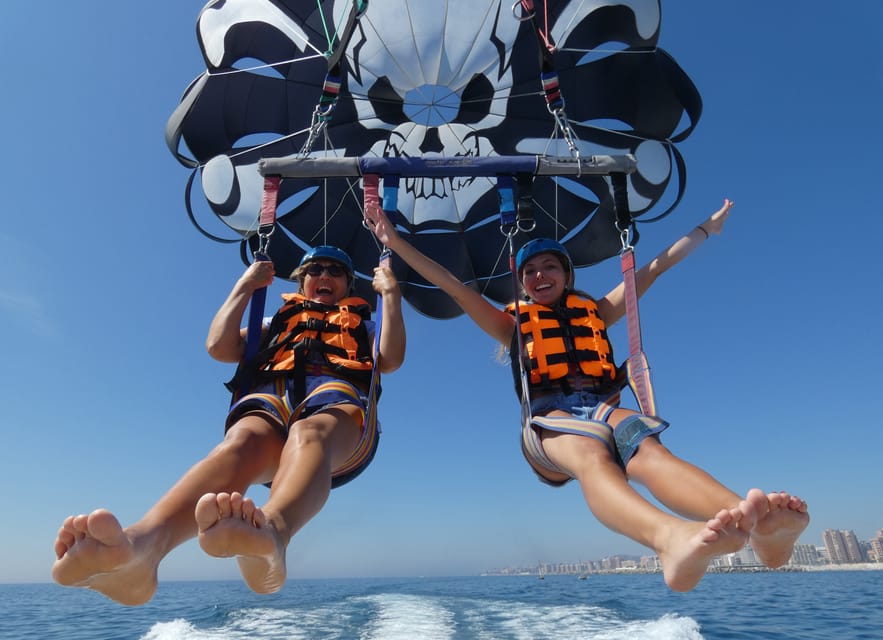
- Up to 650 feet above the water, with big-picture views of Marbella and the coast
- Winch-boat takeoff and landing, which keeps the experience organized and controlled
- Small group size (limited to 10) and options to fly solo, in pairs, or in triples
- Weight checks before flying with a parachute capacity limit of 200 kg
- EPPA-endorsed operation, including an instructional safety briefing and maintained equipment
- T-shirt required when wearing the lifejacket, or you can be turned away
Puerto Banus to the sky: why this launch point works
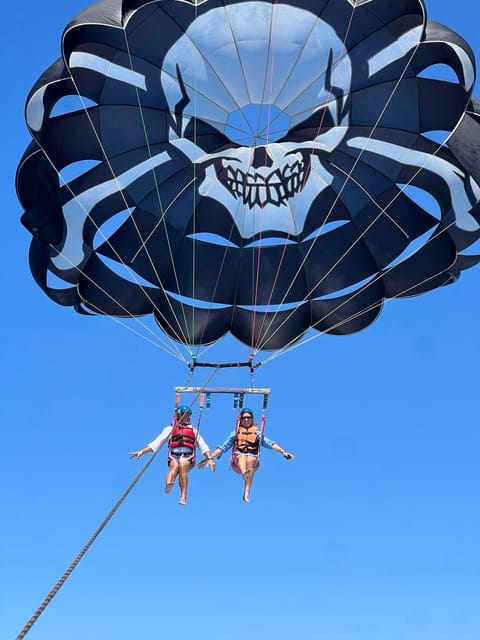
Puerto Banus is one of the easiest places to get the right mix of “vacation city” and “fast start.” You meet at Pier 3 (Pantalán 3), and the crew meets you at the gates, so you’re not wandering around trying to find the right dock. When you’re paying for an activity like this, that clarity matters.
You’ll also appreciate the setting. From the water and from the air, Puerto Banus and Marbella don’t look like postcard landmarks. They look like a coastline you can actually understand: marina edges, beaches, and the curve of the shoreline.
One practical note that can save you stress: parking in Puerto Banus can get tricky in high season. Give yourself extra time so you arrive relaxed, not rushing.
You can also read our reviews of more tours and experiences in Marbella.

How the 1-hour experience actually plays out
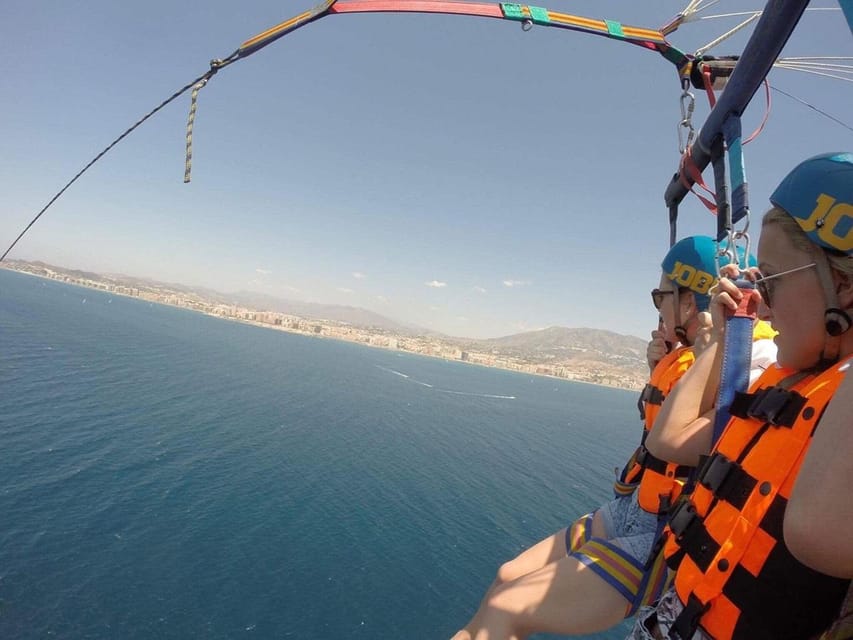
This activity runs for about 1 hour, and it ends back at the same meeting point. In practice, that means you’ll be moving through check-in, briefing, boat time, flying time, and then return without lots of downtime.
Here’s the flow you should expect:
First, you check in at Pier 3. A crew member meets you at the gates, and then you’ll get pulled into the pre-flight process. Before anything happens in the air, the team weighs each participant to help choose the safest flight setup.
Next comes the safety briefing and gear fitting. You’ll be instructed on how the harness works, how the flight operates, and what to do during takeoff and landing. This matters because parasailing isn’t just “sit and go.” You’re wearing equipment designed for controlled lifting and safe water landings.
Then you board the specialized winch boat. You’ll take off from the shore area and the boat ride helps position you for the flight. Once you’re set, it’s time to get up and enjoy those uninterrupted views over the water.
After your flight, you’ll land back near where you launched and return to the starting point. The whole schedule is built to keep things moving, which is a big part of why this feels like a clean, well-run outing instead of a half-day commitment.
Safety and the EPPA-backed professionalism you can feel
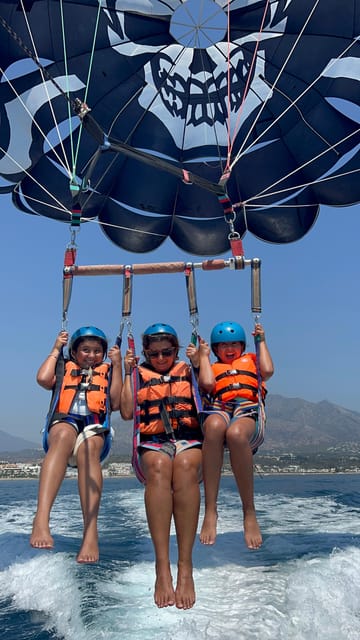
Parasailing can sound simple, but a good operation shows itself in the details: briefing quality, equipment condition, and how calm the crew stays when sea conditions change.
This one is endorsed by the EPPA (European Professional Parasailing Association), which is a useful signal that the training and operational standards are taken seriously. The team also runs a full instructional briefing, and the equipment is described as maintained to the highest safety standards.
You’ll also notice how they handle limits. Weather conditions determine what’s possible on the day, including limits for safe flying and the method/capacity used. That’s a positive, not a buzzkill. It means they’re choosing safety first rather than just trying to “sell a flight at all costs.”
One extra rule you should treat as part of the safety system: you must wear a t-shirt while wearing the lifejacket. It’s for hygiene reasons, and the team may deny participation if you don’t follow it. Bring one that covers well and feels comfortable in warm coastal weather.
From shore to lift: what takeoff and landing are like
The takeoff and landing are part of the attraction here. You’re not just getting pulled by a random cable. You’re launching from a shore-based setup with a specialized winch boat, which makes the whole process feel more controlled than a “grab and go” vibe.
You’ll feel the lift as the system takes tension and starts raising you above the water. It’s a quick change from “on land” sights to “everything below me” views. If you’re nervous, the briefing is there to help you know what to expect with your body position and what the team is doing.
Landing is just as important as takeoff in any water-based activity. Here, the team uses the same organized setup for landing and returning. That’s why people often come away talking about the professionalism of both the captain and assistant, not just the thrill.
Tip: if you’re sensitive to heights, ask about flying height options when you’re onboard. Based on real experiences, you can often adjust the height if you don’t want to go as high as possible. Don’t assume every day allows it the same way, but it’s worth asking early.
How high you might fly: the 650-foot view
The headline is up to 650 feet in the air, and that number matters because it changes the kind of views you get. Below you, the shoreline turns into clean shapes. Beaches and marina areas look like patterns rather than crowds and buildings.
At that altitude, you’re also positioned to appreciate the “spread” of the region. You can see Puerto Banus and Marbella from above, plus turquoise waters that look almost unreal when you’re high enough to see the color changes.
Another cool element is how the sky angle can bring distant features into view. The activity notes include views of Marbella and the Sierra Nevada. Whether you’ll see the mountains clearly depends on day conditions, but even partial visibility makes the flight feel bigger than just a short coastal moment.
And yes, the altitude can be a factor for comfort. If you’re planning for motion sensitivity or you’d rather keep things calmer, it’s a smart move to communicate your preference. The operation is set up to weigh participants and choose safer flight parameters.

Solo, pairs, or triples: how the group setup feels
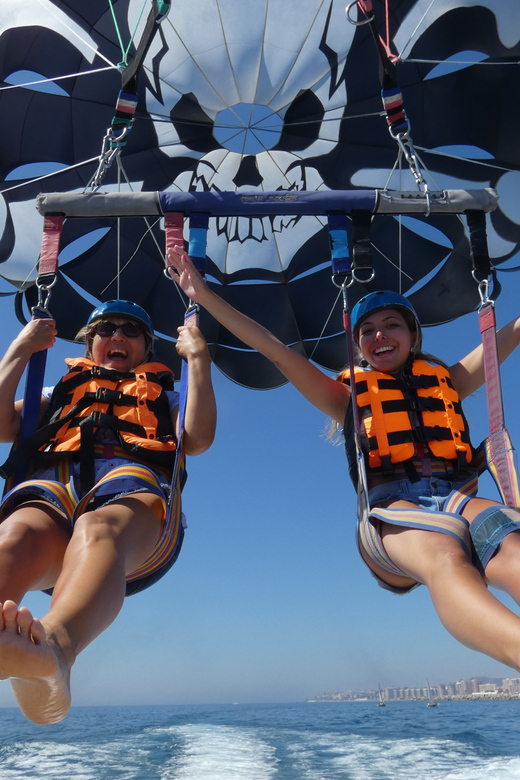
You have options to fly solo, in pairs, or in triples, depending on what you book. The experience can also allow up to 6 people to fly together, so your group experience can be flexible without feeling crowded.
For many people, the biggest difference isn’t just who sits next to you. It’s how the time feels. Flying solo can make the experience feel like your own little sky bubble. Flying with others can turn it into a shared moment where you’re comparing views and reacting to the height.
Either way, the group size is kept small: limited to 10 participants. That usually translates into faster boarding, less waiting, and more personal attention when it’s time for the briefing.
Views that make the ticket feel worth it
There are lots of “fun” activities in coastal Spain. What you’re paying for here is a viewpoint you can’t easily replicate from the promenade.
You’ll get an up-close view of Puerto Banus, including the marina area and the shoreline geometry that makes the area famous. Then, as you glide and rise, Marbella opens up into a long stretch of water and beaches. It’s not just pretty. It’s informative. You start to understand how the town and coast connect.
Even better, the photos you can take from up there feel different than standard vacation snapshots. From altitude, phones capture scale, not just scenery. If you’re serious about getting usable video, plan ahead: bring a waterproof cover for your phone. One experience recommendation specifically calls this out as a big help for filming.
Price and value: is $74 a fair deal?
At about $74 per person, this sits in the “pay for the moment” category. You’re not paying for a long tour day or transport included from your hotel, but you are paying for the essentials that cost money: the boat time, parasailing equipment, a safety briefing, and a guided flight.
That value math gets stronger because most of the package is built into the experience itself. The time you’re buying isn’t just the flight; it’s the full operation behind it (gear checks, briefing, the winch setup, and the return). Also, photos and videos are offered separately for €10 extra, which lets you choose whether you want a memory package without forcing it into the base price.
If you’re visiting Marbella and you want one truly vertical experience, parasailing often beats the “another beach activity” option. It’s brief, it’s high-impact, and it gives you a different perspective on a place you probably already walked around.
What to bring, wear, and avoid (this is where people get tripped up)
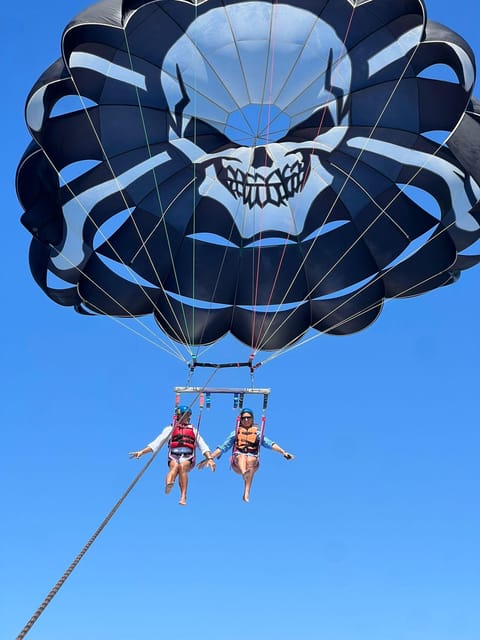
This is one of those activities where small clothing choices affect your day. You’ll want to show up ready.
Wear comfortable clothes, and avoid denim and wool because they’re not recommended. Light coastal clothing works best. Swimwear is fine, but you still need to wear a t-shirt when you put on the lifejacket.
Bikinis and swimwear are allowed, but the t-shirt requirement is mandatory for hygiene. If you forget it, you could be denied participation and lose your booking, so it’s not a “maybe” rule.
For your phone, consider a waterproof cover. Since you’ll be on water and you’ll want video during the flight, this is one of those small add-ons that can save you from ruined footage.
And if you’re thinking about bringing extras, check what isn’t allowed. Items like glass objects, backpacks, and alcohol or drugs aren’t part of the setup. The list also includes restrictions like no baby strollers and no bikes.
Kids, teens, and who this is right for
This activity has a clear age suitability rule: not suitable for children under 4. For family planning, the guide lays out specifics:
- Ages 4–12 can fly with a responsible adult
- Ages 13–15 can fly without an adult but must have a responsible person onboard the boat
- Ages 16–17 can fly alone with parental consent and no need for someone onboard
If you’re traveling with teenagers, this flexibility is helpful because you might not need to pay for extra adult participation for every person, depending on the age group.
It’s also not suitable for pregnant women and not suitable for wheelchair users. If either applies, you’ll want to skip this one and look for a different coastal activity that matches your needs.
Small comfort details that affect the experience
I like experiences where the “human part” is handled well. Here, the crew quality shows up in how they manage the day.
One standout detail from real feedback: when someone arrived late, the crew still waited and provided great service afterward. That tells you the operation runs with real people in charge, not just a rigid conveyor belt. Another common theme is how professional and friendly the captain and assistant are, even when someone is having one of those teenage moments.
Also, the experience can feel relaxing once you’re in the harness. Even though it’s an adrenaline moment, the overall pacing is calm, helped by a briefing that prepares you and a setup that keeps things steady.
Should you book this parasailing flight from Puerto Banus?
Book it if you want a short, high-impact experience with serious safety habits and big views. The winch-boat takeoff, the chance to fly solo or with a partner, and the possibility of reaching 650 feet make it feel like more than a casual activity. It’s also a solid choice if you’re staying in the Puerto Banus area and you don’t want a long day plan.
Skip it (or choose something else) if you’re not comfortable with height, if you’re pregnant, or if accessibility needs don’t match what’s allowed. Also take the t-shirt rule seriously and bring one so you don’t lose your spot.
If you go, my best practical advice is simple: arrive early enough to park without stress, bring a t-shirt you’ll actually want to wear for the lifejacket, and protect your phone if you care about video. If you want to keep the flight lower, ask about adjusting the height early during your prep.
FAQ
Where is the meeting point for the Marbella parasailing flight?
You meet at Pier 3 (Pantalán 3) in Puerto Banus. A member of the crew meets you at the gates, and the activity ends back at the same meeting point.
How long does the parasailing experience last?
The duration is about 1 hour. Exact starting times depend on availability.
What height can you reach while parasailing?
The flight can reach up to 650 feet above the water, depending on conditions and the day’s safe flying limits.
Can I fly alone, or only with others?
You can fly alone, in pairs, or in triples, based on the option you choose.
Do you do a weight check before flying?
Yes. All participants are weighed at the start to determine the safest flights possible. The maximum parachute capacity is 200 kg.
What rules should I know about clothing and what I bring?
You must wear a t-shirt while wearing the lifejacket for hygiene reasons, and you may be denied participation without one. Comfortable clothes are recommended (denim and wool are not recommended), and you should avoid items like glass objects and backpacks.