REVIEW · MALAGA
Morocco: Tangier Private Tour from Malaga & Tarifa, All Inclusive
Book on Viator →Operated by APARTRIP TRAVELS · Bookable on Viator
Tangier is close, if you plan it right. This Malaga-to-Morocco private day tour turns an early morning ferry into a full guided circuit: round-trip ferry tickets plus escorts through customs, then a focused walk with a local guide through the Medina and Kasbah. I like that you get big highlights fast, especially the Hercules Caves and Cap Spartel viewpoints. The main drawback to keep in mind is that the souk area includes market time, and that can feel sales-heavy if you hate shopping pressure.
You’re up early, usually starting around 6:00 am, and you’ll be back in Spain around 8:00–9:00 pm. I also like that you can pick how “private” you want the Spain-side part to be, from fully private transfers to a shared transfer option that keeps the Morocco touring private.
In the best versions of this day, the team connection really matters: drivers like Nikolay and guides like Ahmed or Rachid show up prepared and keep the pace friendly so you see the real Tangier highlights, not just bus-window views.
In This Review
- Key points to know before you go
- Why Tangier from Malaga feels like a smart detour
- Getting there: the 6:00 am start and ferry reality
- Tangier overview: a day built around viewpoints, not wasted time
- Hercules Caves and Cap Spartel: the scenery stops that anchor the day
- Atlantic camel ride: do it if you want the story, but know what it is
- Medina and Kasbah: where Tangier turns from sights into a story
- The Sultan’s Palace Museum swap: Tuesdays change the plan
- Markets and shopping time: fun if you’re ready, awkward if you’re not
- Lunch in the Medina: where the day turns into comfort
- Private guide vs shared transfer on the Spain side
- Price and value: what $282.50 buys you in real-world terms
- Who should book this Tangier private tour
- Should you book this Tangier from Malaga private day tour?
- FAQ
- What’s included in the tour?
- What time does the tour start and how long is it?
- Is this tour fully private?
- What happens if the Sultan’s Palace Museum is closed?
- Do I need a visa for Morocco?
- What if my Schengen visa has limited entries?
- What if the ferry cancels due to weather?
Key points to know before you go

- Ferry + customs handling included so you don’t burn your day in lines and confusion
- Hercules Caves and Cap Spartel give you two very different kinds of Tangier scenery
- Medina and Kasbah walking tour with a local guide who knows where to go for photos
- Optional camel riding on the Atlantic dunes in an official area (duration can vary)
- Breakfast plus a big Moroccan lunch in the Medina area, not a sad sandwich stop
Why Tangier from Malaga feels like a smart detour
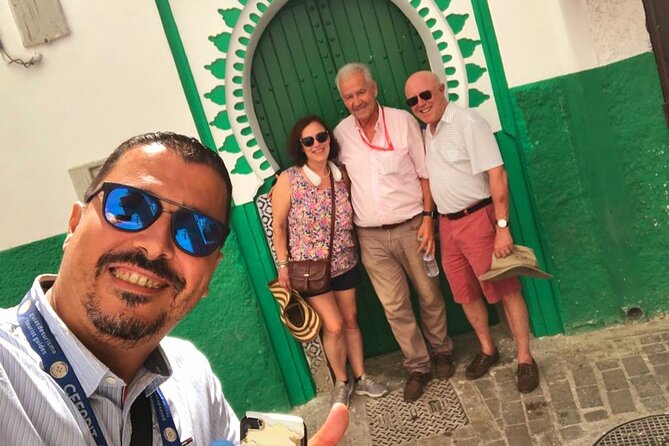
If you’re staying on the Costa del Sol, Tangier is one of those trips that feels almost unfair. You’re crossing from Europe to North Africa in a single day, but you’re not doing it with DIY chaos. The value here is the hand-holding on both sides: ferry access, escorts, and a guide once you reach Morocco.
Tangier also rewards speed. In a short time you can see colonial-era outlook points, traditional neighborhoods, and the Atlantic meeting the Mediterranean. This tour is built around that logic: move early, cover the big geography, and end with the old-city wandering that makes Tangier feel like Tangier.
The day is long, no way around it. But it’s structured so your time is used for viewpoints, sites, and guided walking rather than waiting around.
You can also read our reviews of more private tours in Malaga


Getting there: the 6:00 am start and ferry reality
The tour kicks off around 6:00 am from Costa del Sol pickup points like Marbella, Málaga, Estepona, Benalmádena, Málaga Centre, Torremolinos, Nerja, and more (depending on your departure option). You’ll be on a van in Spain, and your team helps manage boarding and customs steps so you’re not figuring it out with shaky phone maps.
Once you reach the ferry side, expect the usual international-travel rhythm: passport checks, queues, and the fact that ferry operations are their own world. Even when your service is well-run, ferry delays or cancellations can happen for reasons outside the agency’s control.
Two things I’d treat seriously before you go:
1) Have your original passport on hand and keep it easy to grab.
2) If you have a Schengen visa, double-check you have enough entries to return to Spain after Morocco.
Some people find the ferry part a bit hectic, especially around passport handling. The good news: the tour team’s job is to help you get through smoothly, and the overall flow tends to work well when you’re early and organized.
Tangier overview: a day built around viewpoints, not wasted time
Your Tangier route is basically three layers:
- the dramatic outer-city views (Atlantic and Mediterranean meeting points)
- the historic landmarks and iconic attractions outside the core old town
- the old neighborhoods where the real Tangier feeling lives (Medina and Kasbah)
The structure matters. If you only do the Medina without the outer-city stops, you miss the best angles and context. If you only do viewpoints, you miss the daily life and the market streets. This tour tries to do both, with a guide to keep it coherent.
Most versions of the tour run from about 6:00 am to 8:00–9:00 pm, with time in Tangier that includes the exterior circuit, the Medina/Kasbah walking, and meals.
Hercules Caves and Cap Spartel: the scenery stops that anchor the day
Early in the Tangier portion, you’ll make the jump from “crossing the strait” to “seeing Morocco.” One of the headline stops is the Hercules Caves area. Even if you don’t care about mythology, the payoff is the geography and the sense of place. It’s one of those stops where the views and the story both land.
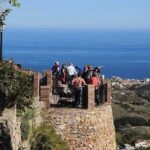
Then comes Cap Spartel, where the Atlantic meets the Mediterranean. This is classic postcard territory, but it’s also practical: it gives you a strong visual orientation for the rest of the day. You’ll get solid photo moments and a clear sense of how Tangier sits at the water’s edge.
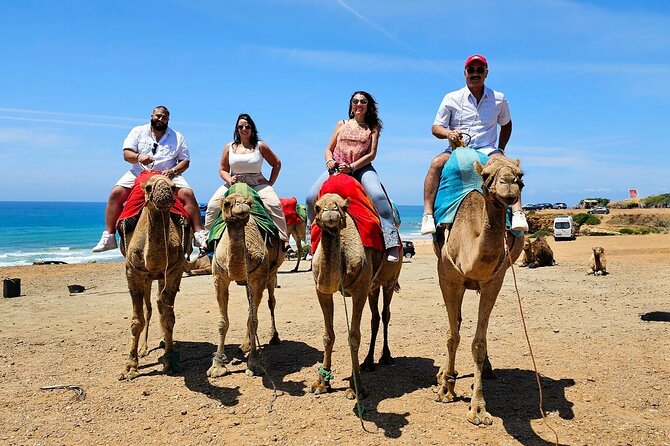
From here, the tour heads toward the Atlantic dunes where you’ll have the option of a camel ride. Think of it as a “do it while you’re here” experience, not a calm, long hangout.
Atlantic camel ride: do it if you want the story, but know what it is

The camel ride is optional, but it shows up as one of the most memorable parts for many people. The key detail: it happens in an official camel area where rides are allowed. That means it’s organized, not random wandering on the beach.
What to expect in real terms:
- The ride can feel short and loop-like, depending on timing and how your day is moving.
- Some days feel longer, with people reporting around 30 minutes, while other experiences are closer to a quick loop setup.
Also, be realistic about the beach environment. Some riders love it; others notice that the beach area doesn’t look like a postcard resort. If you go in expecting a clean, private stretch, you might be disappointed. If you go in expecting a cultural, somewhat touristy activity with great photos, you’ll probably be happy.
My practical advice: treat the camel ride as part photo session, part experience. If you’re the type who hates being rushed, ask how long the ride will be and how much time you’ll have on foot at the dunes.




Medina and Kasbah: where Tangier turns from sights into a story
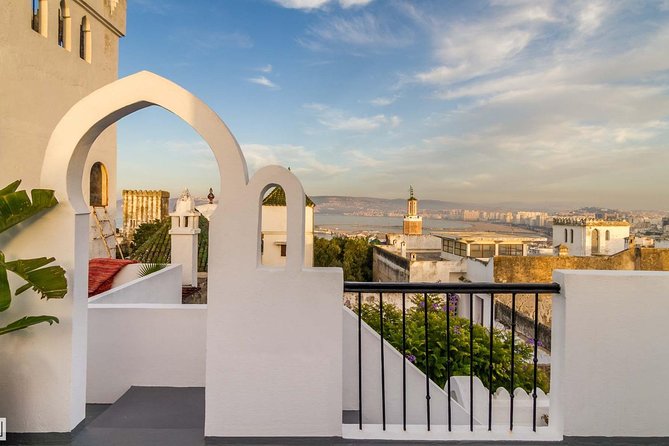
This is the heart of the tour: the guided walk through the Medina and Kasbah. This is where you shift from looking at Tangier to walking inside Tangier.
The Medina portion includes:
- market streets and a view into everyday trade
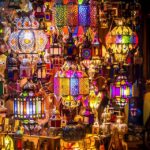
- souk browsing with items like dried fruits, vegetables, spices, and jewelry
- the atmosphere of Moroccan neighborhoods rather than museum-only tourism
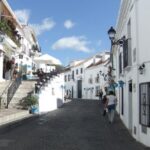
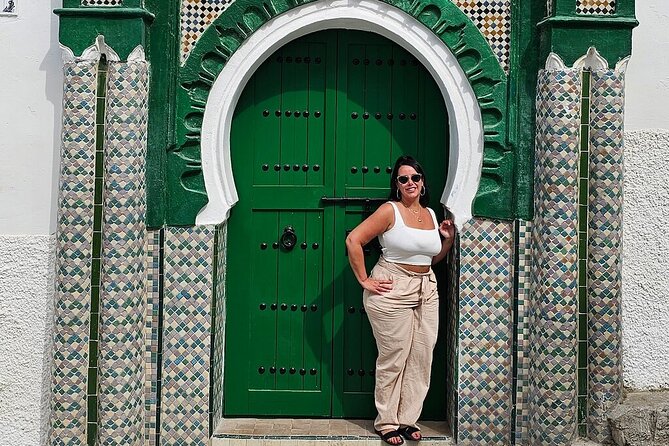
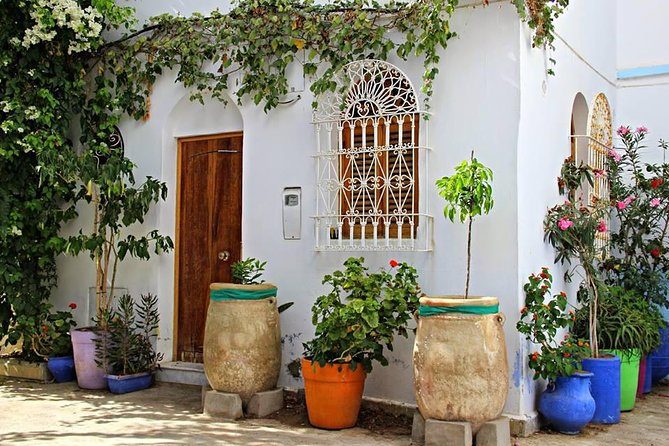
Then you’ll move toward Kasbah areas where the architecture and older walls feel different from the waterfront viewpoints. The Kasbah stops give you that “Tangier has layers” feeling, with angles and elevations that make photos look more dramatic than you’d expect.
One of the best parts of having a real guide here is navigation. Tangier’s old streets can feel like they fold onto themselves. A guide like Ahmed or Rachid (names that show up often) helps you get bearings fast and keeps you from spending the day circling the same blocks.
The Sultan’s Palace Museum swap: Tuesdays change the plan
The Sultan’s Palace Museum visit depends on the day. It’s listed as closed on Tuesdays. When that happens, the tour swaps in a synagogue visit instead.
This is a smart detail to know ahead of time. It means you shouldn’t treat the palace museum as a guaranteed must-see every day. With the swap, you still get an important stop rather than losing time.
Markets and shopping time: fun if you’re ready, awkward if you’re not
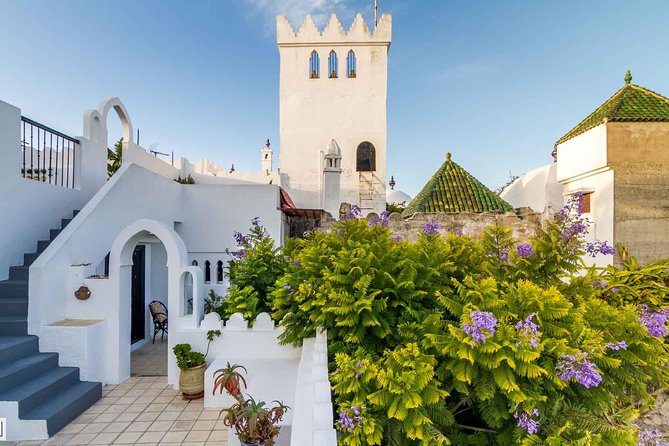
The tour includes souk exploration and market time. For many people, that’s a highlight: spices, crafts, and the sensory overload of a place where commerce is part of daily life.
But it can also be intense. Some shoppers love it; others get uncomfortable if they feel steered toward buying. One theme that came up for certain guests is that the bazaar can feel too focused on shopping, with limited flexibility to switch activities on the fly.
My advice if you’re not a buyer:
- Decide what you’re willing to spend before you go.
- Smile, browse, and move on when it feels pushy.
- If you want more time just for walking and photos, say it early so the guide can adjust.
You’ll still get plenty of real sightseeing, but it helps to know that market time is part of the design.
Lunch in the Medina: where the day turns into comfort
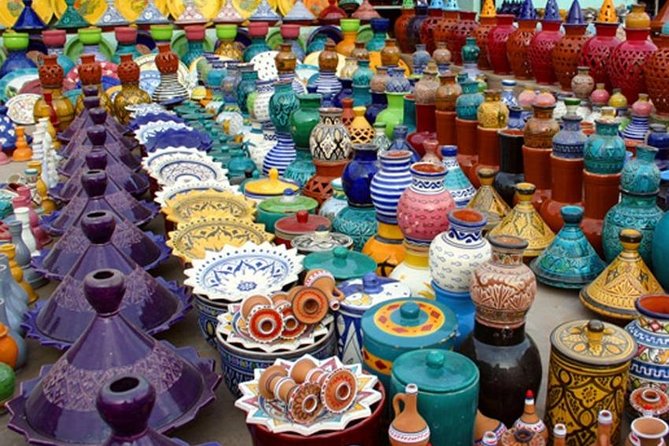
The food is a major reason people rate this tour so highly. You’ll have breakfast plus lunch, and lunch is described as a full Moroccan meal served with lots of dishes, not a quick plate-and-go.
Breakfast is tied to the ferry area and can be simple, like cafeteria-style food or sandwiches from the terminal area, depending on the flow that day. Lunch, though, is where the tour shines. People describe it as a feast-style Moroccan experience with many courses and plenty to eat.
There’s also often a warm, welcoming vibe at the restaurant level. Several guides (including Rachid in one account) are known for navigating the spice and market experience efficiently, then steering you to a restaurant where the hospitality feels personal. That’s a real value add because food in Morocco is not just about taste; it’s about context.
Timing note: lunch can land later than you’d expect, with one account placing it around almost 3:00 pm. If you’re prone to getting hangry, bring a small snack for the gap.
Private guide vs shared transfer on the Spain side
Here’s one of the most important practical choices: how you get from your Spain pickup point to the ferry and back.
You have multiple options:
- Private from Málaga province: van transfer from Costa del Sol points to Tarifa, round-trip ferry tickets, then a private guide and private vehicle in Morocco, with return drop-off to the same areas.
- Shared transfer + private Morocco: cheaper on the Spain side, where the ride to/from the ferry might include other guests. Once you’re in Morocco, you still get the private guide and private van.
- From Tarifa port independently: no pick up or drop-off in Spain, but ferry tickets plus a van and guide in Tangier.
If your priority is a fully private day from door to door, choose the fully private Spain transfer. If you’re okay with sharing just the Spain-side drive in exchange for value, the shared transfer option can still give you a great Morocco experience because the guide and touring in Tangier stays private.
Either way, the key benefit is the Morocco portion is the main action. That’s where you’ll feel the time savings from having a guide and a vehicle ready.
Price and value: what $282.50 buys you in real-world terms
At $282.50 per person, this isn’t a budget excursion. But it’s not “just a ticket to Morocco,” either.
From what’s included, you’re paying for:
- round-trip ferry tickets
- van transfers in Spain (with private or shared options depending on your chosen route)
- a private guide in Morocco plus a private vehicle there
- breakfast and lunch
- guidance for boarding and customs handling
- the reality of two countries’ worth of logistics in one day
Think of the price as paying for friction removal. Ferry days are stressful. Customs days are stressful. Add a foreign city with a maze-like old town, and stress multiplies. When you get guides who coordinate meeting points cleanly, and drivers who keep you moving, you’re effectively buying time and calm.
So the value question is simple:
- If you’d hate dealing with customs lines and navigation, this is worth it.
- If you love DIY planning and want maximum control, you might prefer booking ferry and guide separately. But you’d be trading the day’s structure for extra effort.
Who should book this Tangier private tour
This tour fits best if you want:
- a fast, guided introduction to Tangier
- strong photo stops like Cap Spartel and the Hercules Caves area
- a Medina and Kasbah walk with real local help
- a food stop that’s clearly a highlight, not a filler
It may not be ideal if:
- you hate any shopping pressure and want only pure sightseeing
- you dislike activities that are short and loop-style, like some versions of camel rides
- you strongly prefer fully private door-to-door transfers without any chance of shared elements on the Spain side (pick the fully private option)
For families and couples, it often works because it packs a lot in without requiring you to manage details.
Should you book this Tangier from Malaga private day tour?
If you want a one-day Morocco hit with good organization, I’d book it. The big reasons are the included ferry help, the private guiding once you reach Tangier, and the food. When guides like Ahmed or Rachid show up prepared, you get a real sense of Tangier’s layers instead of just ticking off stops.
My final decision tip: choose your transfer option based on your tolerance for sharing the Spain-side drive. If privacy is your top priority, go fully private from Málaga province. If you’re flexible and want value, the shared transfer option can still deliver a private experience in Morocco where the real magic happens.
FAQ
What’s included in the tour?
The tour includes round-trip ferry tickets and escorts to help with boarding and customs. It also includes a private guide and private vehicle in Morocco, plus breakfast and lunch. Spain-side transfers are included depending on which pickup option you choose.
What time does the tour start and how long is it?
The start time is around 6:00 am. The full day runs roughly 12 to 13 hours, with return drop-off often around 8:00–9:00 pm.
Is this tour fully private?
It’s a private activity, meaning only your group participates. However, on the Spain side you can choose between a fully private transfer or a shared transfer option. In Morocco, the guide and vehicle are private in the options described.
What happens if the Sultan’s Palace Museum is closed?
The Sultan’s Palace Museum is closed on Tuesdays. On those days, the tour includes a visit to a synagogue instead.
Do I need a visa for Morocco?
You should check whether you need a visa for your nationality. Some nationalities need to apply for an electronic visa before the trip.
What if my Schengen visa has limited entries?
If you have a Schengen visa, you must make sure you have enough entries to return to Spain after the tour ends. Each traveler is responsible for checking their own documentation.
What if the ferry cancels due to weather?
This experience requires good weather. If it’s canceled due to poor weather, you’ll be offered another date or a full refund. In rare cases of a return ferry cancellation from Tangier, the team will guarantee a meal and transfer to an alternate nearby port, and the return can be delayed by two to three hours.