REVIEW · MARBELLA
Sensory Tasting to Discover Wine with the 5 Senses
Book on Viator →Operated by Wine&Senses · Bookable on Viator
Wine, but with all five senses. This Marbella session by Wine&Senses is designed to slow you down and notice what usually goes on autopilot, then put it into words. I like the 5 local wines and the way the tasting turns into a guided sensory workout (not a lecture). I also like the local cheese board and snacks that keep things relaxed and food-friendly. One consideration: show up without perfume or strong hand cream, because the whole point is to focus on the aromas.
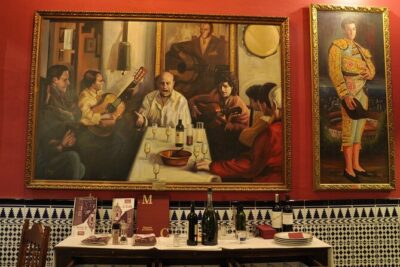
The setting matters here. You’ll be surrounded by artworks that inspire, plus music picked to match the mood, so your senses feel connected instead of separate. If you get a guide like Sofia, her communication style makes it easy to laugh while you learn how wine works.
Logistics are simple: it’s about 2 hours 30 minutes, starts at 6:00 pm, and runs in English. You can go solo, as a couple, or with friends, and you don’t need wine experience. It is not suitable for children under 18, and transport isn’t included, so plan your way to C. de Marcasitas, 12.
In This Review
- Key things that make this tasting work
- Wine With Your Eyes and Ears: What the 5-Senses Format Really Means
- Arriving in Marbella: Meeting Point, Timing, and Small-Group Feel
- The Taste Round: 5 Local Wines With Character and Balance
- Smell and Memory: How the Guide Turns Aromas Into Real Clues
- Hear, View, and the Mood of the Room: Artworks and Music That Match the Sip
- Touch and Texture: Feeling Territory Through the Grape
- Cheese Board and Snacks: The Part That Keeps It Fun
- What You Learn (Beyond the Wine Words)
- Price and Value: Is $59.17 Worth It?
- Who This Wine&Senses Tasting Fits Best (And Who Might Skip It)
- Should You Book This 5-Sense Wine Tasting in Marbella?
- FAQ
- How long is the Sensory Tasting to Discover Wine with the 5 Senses?
- Where does the tour start?
- What time does it begin?
- Is the tour offered in English?
- Do I need prior experience with wine?
- Is it suitable for children?
Key things that make this tasting work
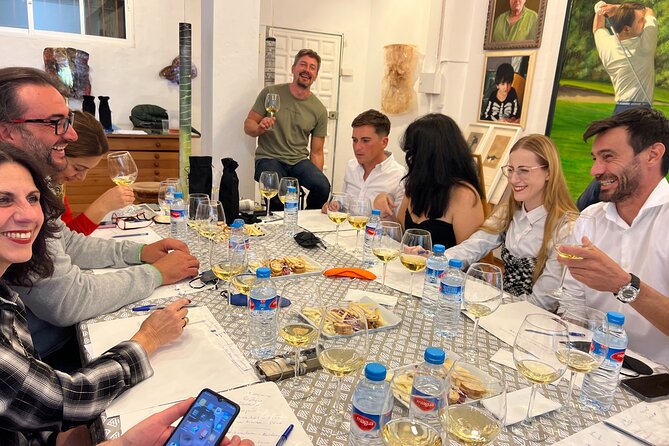
- A true 5-sense format, so taste is only one step of the experience
- 5 local wines poured as part of a guided tasting, with bottled water included
- Art + music + description, which helps you notice emotions and sensations
- Small group size (max 10), so you can actually participate
- Cheese board pairing so you’re not just sipping alone
Wine With Your Eyes and Ears: What the 5-Senses Format Really Means
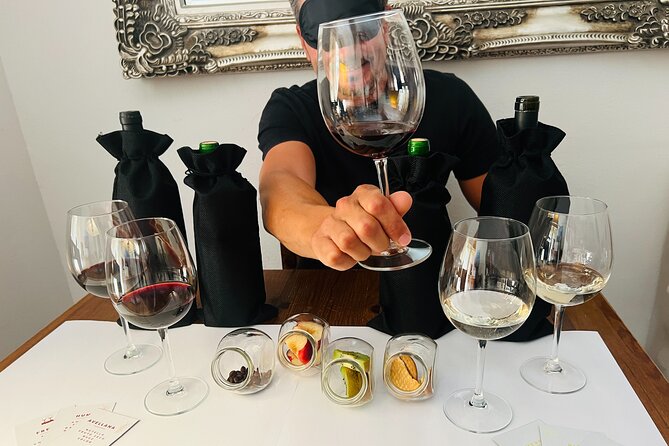
Most wine tastings ask you to focus on one lane: taste. This one builds a whole road system for your senses. The idea is straightforward: wine doesn’t just have flavors. It has smell, textures, and even a kind of rhythm you can feel. And if you can connect those signals, you start tasting like someone who actually knows what’s happening.
Here’s what that means for you in practice. You’ll be guided through a process where you slow down, then switch attention. One moment you’re trying to catch olfactory notes and connect them to memory. Next, you’re looking at the artworks and letting color and movement shape your expectations. Then you’ll add music to the mix, which can change how aromas and flavors land in your mind.
I like this approach because it’s not about sounding smart. It’s about learning your own language for what you’re experiencing. You’ll be encouraged to put emotions and sensations into words, which makes the whole thing stick longer than a checklist of terms.
You can also read our reviews of more food & drink experiences in Marbella

Arriving in Marbella: Meeting Point, Timing, and Small-Group Feel
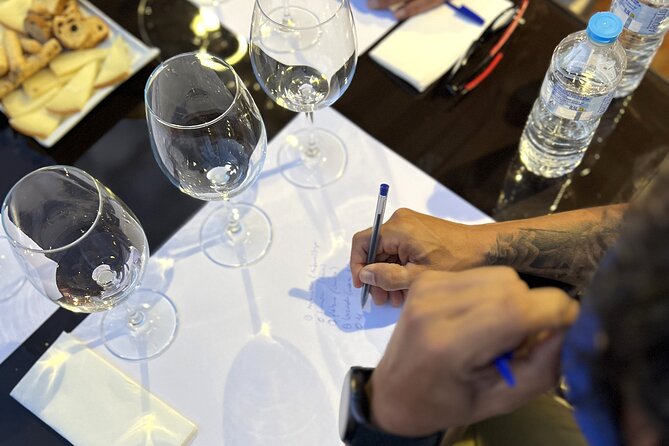
The session starts at 6:00 pm in Marbella, at C. de Marcasitas, 12, 29602. It ends back at the same meeting point. It’s also near public transportation, which helps if you’re already exploring the center on foot and want an easy add-on.
Duration is around 2 hours 30 minutes, and that’s a good length for a guided tasting. It’s enough time to do multiple sensory rounds without rushing, but not so long that you get bored or exhausted. And with a maximum of 10 travelers, the vibe tends to stay personal. You’re less likely to feel like you’re being processed in a conveyor belt.
Because transport is not included, I’d plan to arrive on your own schedule. In a place like Marbella, taxis and rideshare are usually simple, and public transport nearby can work if you’re already in the area. The more predictable your arrival, the more you’ll enjoy the tasting itself.
The Taste Round: 5 Local Wines With Character and Balance
This is a tasting of 5 local wines, poured during the guided session. The description focuses on wine with character, balance, and complexity. That wording matters, because it hints at what you’ll be learning: not just which wine you prefer, but what each one is doing.
As you move through the pours, pay attention to how the wine changes as you go. A balanced wine often feels structured rather than loud. Complexity usually shows up as the flavor evolving across sips—maybe fruit first, then something more savory, then a drying finish that feels clean instead of harsh.
I also appreciate that bottled water is included. That’s practical. Your senses stay sharper when you can reset your palate and avoid getting overwhelmed by alcohol.
And yes, you don’t need wine experience. That’s built into the format. Even if you’ve only ever liked wine that tasted sweet or easy, you’ll still be able to participate. You might just start with simpler observations, like noticing texture or whether the finish feels short or lingering.
Smell and Memory: How the Guide Turns Aromas Into Real Clues
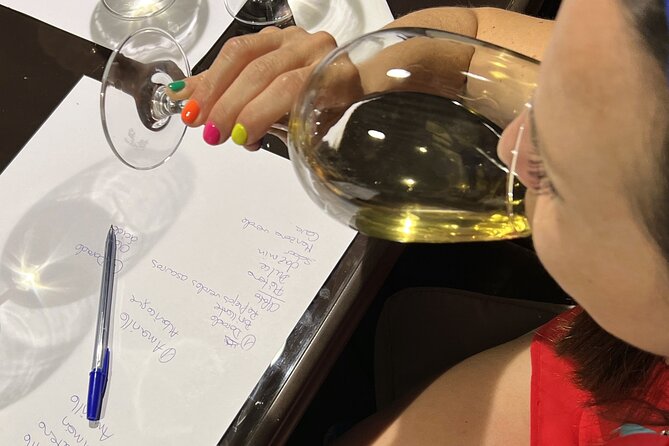
Wine smell can feel mysterious until someone gives you a method. This tasting uses the Smell sense intentionally, with the goal of helping you notice olfactory notes and connect them to memory.
Here’s how you can make this part easier on yourself. Think less about getting the perfect label and more about identifying the category your nose is reacting to. For example: does it remind you of something fresh, something floral, or something that feels like spices? You don’t have to be right on the first try. The point is to practice noticing.
The best part of learning smell is that it changes how you taste. Once your brain has a hook—like a familiar scent—you’ll often find the flavors become easier to recognize in the glass. That’s the payoff of this 5-sense idea: one sense unlocks the next.
Also, remember the simple heads-up from the experience tip: avoid perfume and heavy hand cream on the day. If your personal scent is strong, it can blur what you’re trying to detect in the wine.
Hear, View, and the Mood of the Room: Artworks and Music That Match the Sip
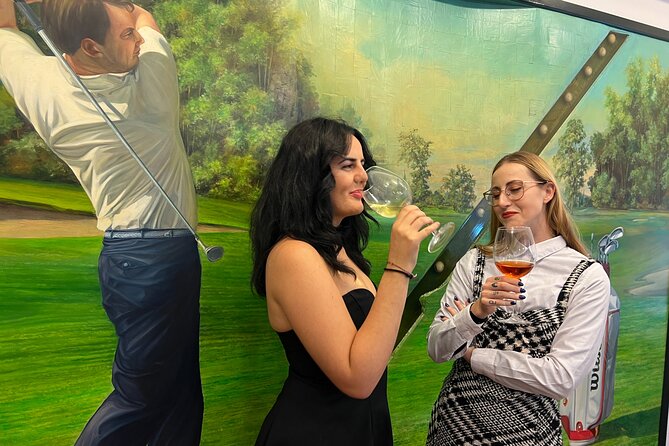
This is where the tasting stops feeling like a typical wine class and starts feeling like an experience.
For Heard (music), the tour description says music is chosen to enrich the tasting. Even if you can’t explain exactly how, music can influence your sense of timing and mood. Mood changes how you interpret flavor. If the music is slow and reflective, you’ll naturally slow down too, and your palate will pick up subtler notes.
Then there’s the View component. You’ll connect the wines to the artworks in the gallery—specifically how color and movement merge with the essence of each wine. That’s not just decoration. It’s a prompt. When you look at something with color or motion, your brain starts projecting meaning. You’ll likely notice that you describe wine differently when you have a visual cue helping you shape expectations.
I find this practical rather than artsy-for-the-sake-of-it. If you struggle to describe wine, visual prompts can give you a starting point. Instead of trying to memorize tasting notes, you can describe what you’re sensing in the moment—then refine it as the guide helps you translate it.
You can also read our reviews of more wine tours in Marbella


Touch and Texture: Feeling Territory Through the Grape
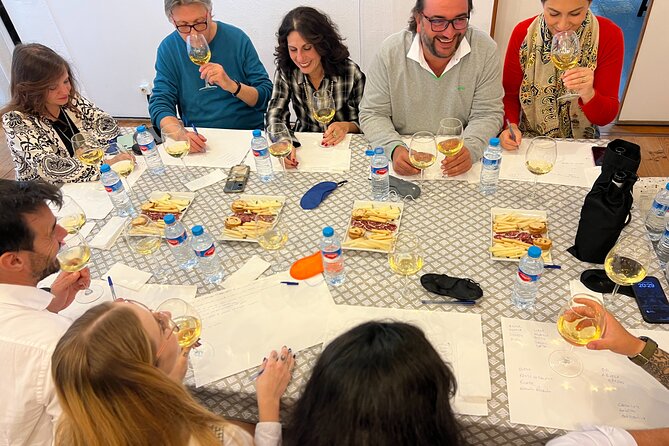
The Touch element is often missing from tastings. Here, you’ll feel textures of the wines and their connection to territory and grapes. That’s a big claim, but it’s also something you can notice without needing technical training.
Texture shows up in a few ways. Does the wine feel light or weighty on your tongue? Does it feel dry and grippy in the finish? Is it smooth, or does it feel a little structured? These sensations are usually easier to grasp than complicated flavor vocabulary, which makes this round especially friendly if you’re a newcomer.
This also ties back to the main promise: learning to describe wine emotions and sensations. Texture gives you something concrete. Instead of only saying it tastes like fruit, you can say it feels like it has structure, or like it finishes in a clean way.
And when the guide connects texture back to territory and grapes, you start building a real mental map. You may not know varietal names yet, but you’ll understand the concept: different growing conditions and grape characteristics tend to produce different mouthfeel and balance.
Cheese Board and Snacks: The Part That Keeps It Fun
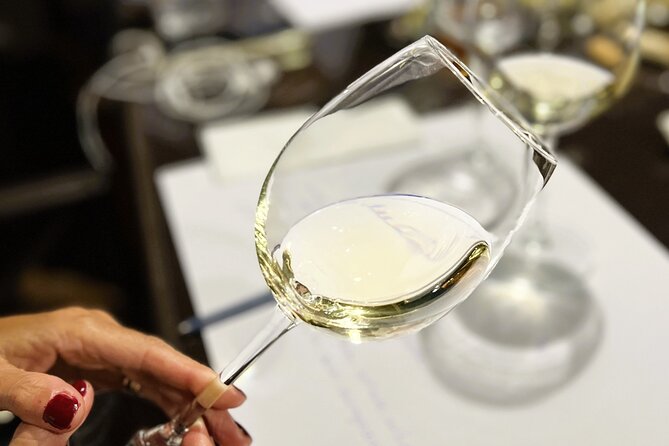
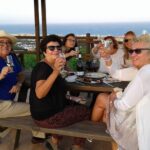
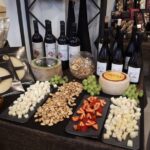
Wine tastings can drift into rigid sipping. Here, the included local cheese board and snacks change the rhythm. You get bites alongside the pours, plus bottled water, which helps you stay comfortable through all five wines.
The practical benefit is clear: food gives you texture contrast and freshens your palate. It also helps you keep the tasting social. This matters because the experience is designed to be enjoyable even if you’re meeting people for the first time.
If you’re going with a friend, couple, or group, snacks make it easier to talk between tastings instead of focusing only on whether you’re doing the tasting exercise correctly. And if you’re solo, food and conversation moments help you feel less like you’re performing and more like you’re included.
What You Learn (Beyond the Wine Words)
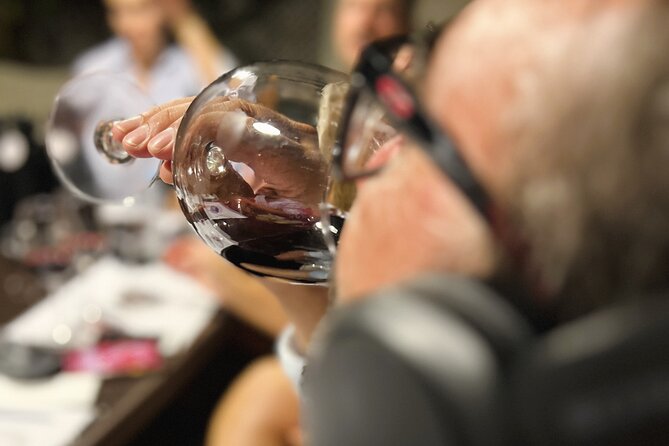
The best tastings teach you how to think, not just what to remember. This one pushes you to translate senses into language: aromas into memory, textures into sensations, and even the emotional shape of each glass.
I like that it’s not about gatekeeping. Reviews highlight that people who are new to wine still leave surprised—in a good way—by how much they can notice when someone gives them a framework. That’s important for you. If you’ve ever felt intimidated by wine vocabulary, this format is designed to lower the pressure.
And since the group is capped at 10, you’ll likely have moments to participate rather than just watch. That’s also why it can work well for couples, friends, and even work-friend outings where you want something fun but not overly formal.
One more small but real tip from the experience: go with the mindset that you’re discovering. If you treat it like a test, you’ll rush. If you treat it like a guided conversation with your senses, you’ll have an easier time enjoying every sip.
Price and Value: Is $59.17 Worth It?
At $59.17 per person, this isn’t a budget crawl-through of cheap pours. You’re paying for structure: a guided tasting of 5 local wines, plus snacks (a local cheese board), and bottled water.
Let’s translate that into value for you:
- You’re not paying separately for wine, food, and guidance. They’re bundled.
- The length is about 2.5 hours, so you’re getting time—not just quick sampling.
- The small group size helps the guide tailor the pace so you don’t feel lost.
If you like wine at all, or you want to learn in a fun, sensory way, the price starts to make sense quickly. And if you’re the type who hates dry lectures, this is built to keep things interactive—art, music, and sensory cues do a lot of the teaching work.
Who This Wine&Senses Tasting Fits Best (And Who Might Skip It)
This experience fits best if you want something different from the standard tasting format. You’ll probably enjoy it if you:
- like wine but want help noticing what’s going on
- enjoy art, atmosphere, or anything that makes learning feel creative
- want a small-group activity that still feels social
- are curious about how to describe aromas and textures without feeling technical
It may not be your top choice if:
- you’re looking for pure education about grape varietals and production methods (this is more senses-and-sip than vineyard lecture)
- you need transport included (it’s not)
- you’re traveling with kids, because it is not suitable for children under 18
If you’re traveling solo, it can also be a great pick because the format supports conversation and shared sensory reactions. If you’re going with a couple, it tends to feel like a date-night style activity: relaxing, memorable, and not overly formal.
Should You Book This 5-Sense Wine Tasting in Marbella?
If you want to taste wine and actually understand what you’re tasting, this is a strong choice. The format is designed to keep you engaged: 5 local wines, a guided sensory method, and a setting that uses art and music to make your senses work together. Add the cheese board and snacks, and you get an activity that feels good even if you’re new.
I’d book it if you’re the kind of person who likes to pay attention—really pay attention—to what’s in front of you. If your goal is purely academic wine knowledge, you might want a different kind of tour. But for a fun, guided, senses-first tasting in Marbella, this one has a lot going for it.
And if your plans are uncertain, you have the flexibility of free cancellation up to 24 hours before the start time.
FAQ
How long is the Sensory Tasting to Discover Wine with the 5 Senses?
It lasts about 2 hours 30 minutes.
Where does the tour start?
The meeting point is C. de Marcasitas, 12, 29602 Marbella, Málaga, Spain.
What time does it begin?
It starts at 6:00 pm.
Is the tour offered in English?
Yes, it is offered in English.
Do I need prior experience with wine?
No. You don’t need any experience to attend.
Is it suitable for children?
No. Minors under 18 can’t attend.