REVIEW · BENALMADENA
Benalmadena Aquarium Visit
Book on GetYourGuide →Operated by SEA LIFE Benalmadena · Bookable on GetYourGuide
A glass tunnel over sharks beats the usual aquarium. Sea Life Benalmádena takes you from the Mediterranean into an unforgettable 180º tunnel and finishes with hands-on rockpools. You can spend your time just watching, or get involved in the interactive bits.
Two things I really like here are the chance to touch creatures in the interactive bio-beach and the chance to see the green turtle and sharks from up close, at eye level. The whole setup feels built for quick wonder, without the slog of a giant museum.
One thing to consider: this is a compact aquarium. If you’re hoping for a long, hours-long day, you may feel like you’re done sooner than expected.
In This Review
- Key highlights you’ll notice right away
- First steps at Sea Life Benalmádena (and why the location matters)
- Mediterranean windows: clownfish, seahorses, and jellyfish
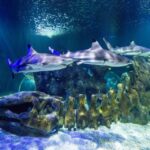
- The 180º submarine tunnel: sharks and turtle from overhead
- Bio-beach rockpools: touching starfish and hermit crabs
- Otters, creature feeds, quizzes, and fun talks
- Amazonia freshwater zone: tropical variety after the Mediterranean
- How long you should plan for (and how to avoid disappointment)
- Price and value: around $25 for a compact, high-payoff visit
- Getting the most out of your visit
- Where it fits in a Benalmádena day plan
- Should you book Sea Life Benalmádena?
- FAQ
- Where is Sea Life Benalmádena located?
- How much does the aquarium visit cost?
- What’s included with the ticket?
- How long is the ticket valid?
- Is it wheelchair accessible?
- Is there a place to buy food or snacks?
- Can I cancel and get a full refund?
- Can I reserve now and pay later?
Key highlights you’ll notice right away

- 180º submarine tunnel where fish swim above your head
- Bio-beach rockpools with starfish and hermit crabs you can touch
- Sharks and a green turtle as the showpieces of the tunnel route
- Otter feeding near the end of your visit
- Mediterranean + Amazonia zones for a two-world feel
- Small-footprint visit that often fits into about an hour (or less)
First steps at Sea Life Benalmádena (and why the location matters)

Sea Life Benalmádena sits by the Mediterranean Sea, which gives the whole visit an easy, holiday feel. You’re not trudging across a travel-weary city. It’s the kind of stop that works well for a half-day shuffle: aquarium first, then a relaxed wander or an easy meal after.
When you walk in, you’ll quickly realize the aquarium is designed like a smooth route. The animals are grouped into clear sections, so you’re not constantly backtracking. That’s great if you’re traveling with kids, or if you just want your fun to stay efficient.
The on-site setup also includes a cafeteria and shops, so you’re not stuck hunting for snacks nearby. Add that to the fact that it’s wheelchair accessible, and it becomes a straightforward plan for a lot of different groups.
One more practical note: the facility mentions ongoing works to improve the site, with something special coming. That doesn’t change what you see today, but it’s a reminder to ask staff any questions if you notice changes in layout.
You can also read our reviews of more tours and experiences in Benalmadena.


Mediterranean windows: clownfish, seahorses, and jellyfish
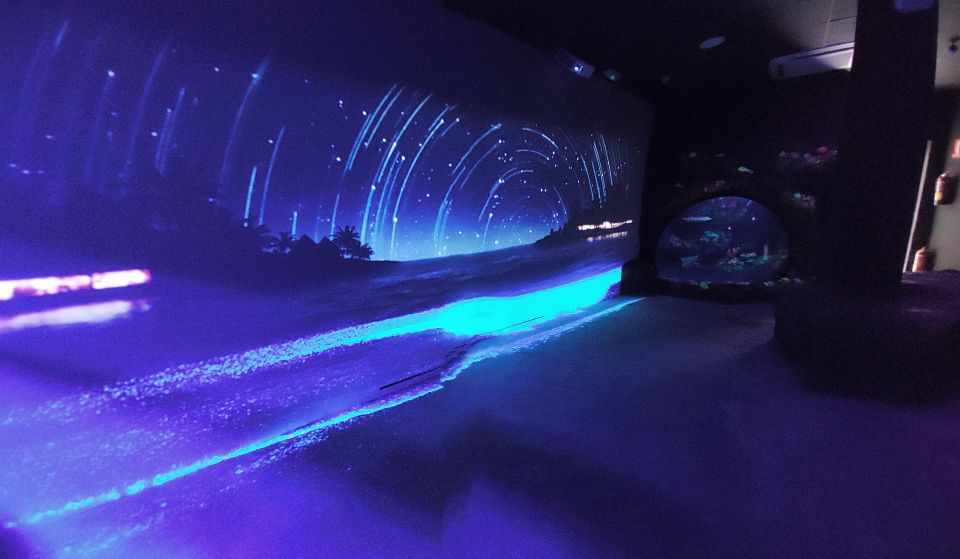
Your route starts in the Mediterranean area, which is smart because it sets the tone right away. You get colorful marine life behind clear windows, with the feeling of “this is where the locals live” instead of only exotic specimens.
This zone is your warm-up act. You’ll see fish like clownfish and seahorses, plus jellyfish that do a slow-motion show of their own. It’s not about one single wow moment yet. It’s about building curiosity as you move deeper into the aquarium.
What I like about this part is that it teaches you how to look. Even if you don’t read every label, the flow nudges you to notice patterns: where different creatures hang out, how they move, and how the tank lighting changes what you notice.
The 180º submarine tunnel: sharks and turtle from overhead
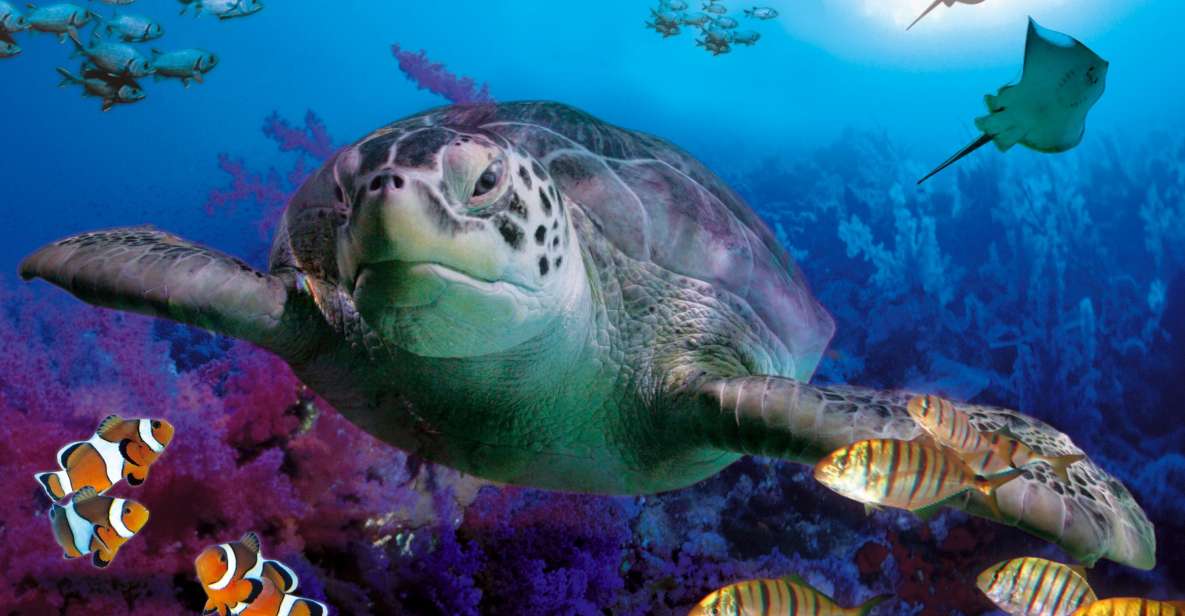
If you only remember one section, make it the 180º submarine tunnel. This is where the experience turns cinematic.
You’ll move through a tunnel lined with ocean-view windows that create the effect of being surrounded. And this is where the sharks and a green turtle become the main event. The best part is that the animals feel positioned for your line of sight, not tucked away for only the lucky angles.
I’m also a fan of how this tunnel structure changes the pace. After the more standard window exhibits, the tunnel forces you to slow down and watch. You’re not checking out one tank at a time. You’re scanning the whole space as it shifts around you.
Practical tip: if you’re traveling with someone who needs frequent photo stops, this is still manageable. The tunnel is designed for movement, so you can pause without derailing the whole route.
Bio-beach rockpools: touching starfish and hermit crabs
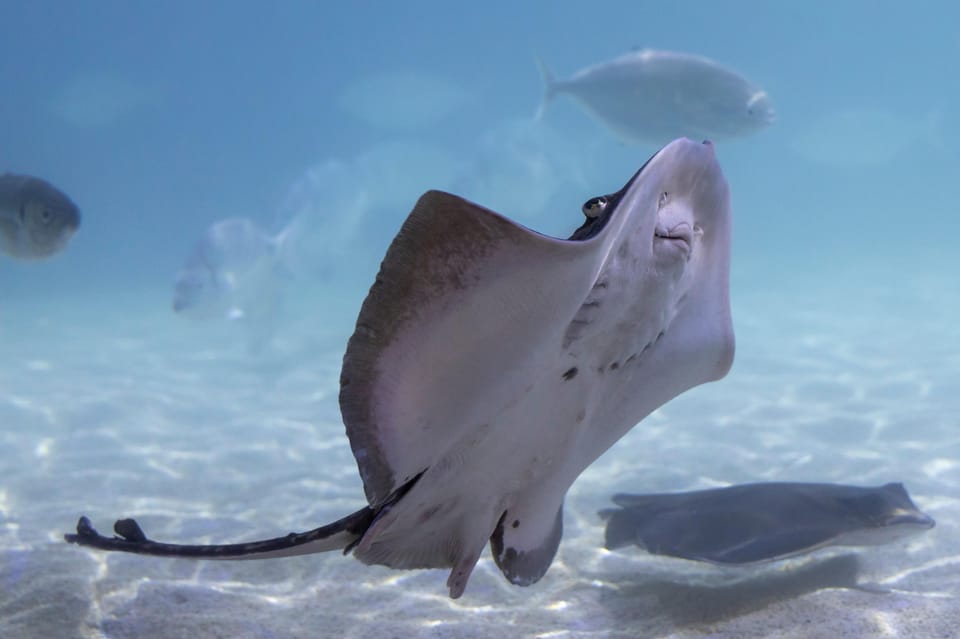
Then comes the most hands-on part: the interactive bio-beach and rockpool area. You get the chance to touch creatures like starfish and hermit crabs.
This is a big value add because it turns the visit from pure watching into participation. For kids, it’s the part they talk about after. For adults, it’s often the section that makes the aquarium feel real, not just “stuff behind glass.”
The experience is set up to feel safe and guided, with the rockpool concept doing the heavy lifting. You’re not wandering randomly; you’re stepping into a designated interaction space where the focus is clear.
If you get bored easily, give yourself a rule: don’t rush this section. Even if you think you’ve seen rockpools before, touching changes how you understand what you’re looking at. Your brain suddenly has a texture association, not just a visual one.
Otters, creature feeds, quizzes, and fun talks
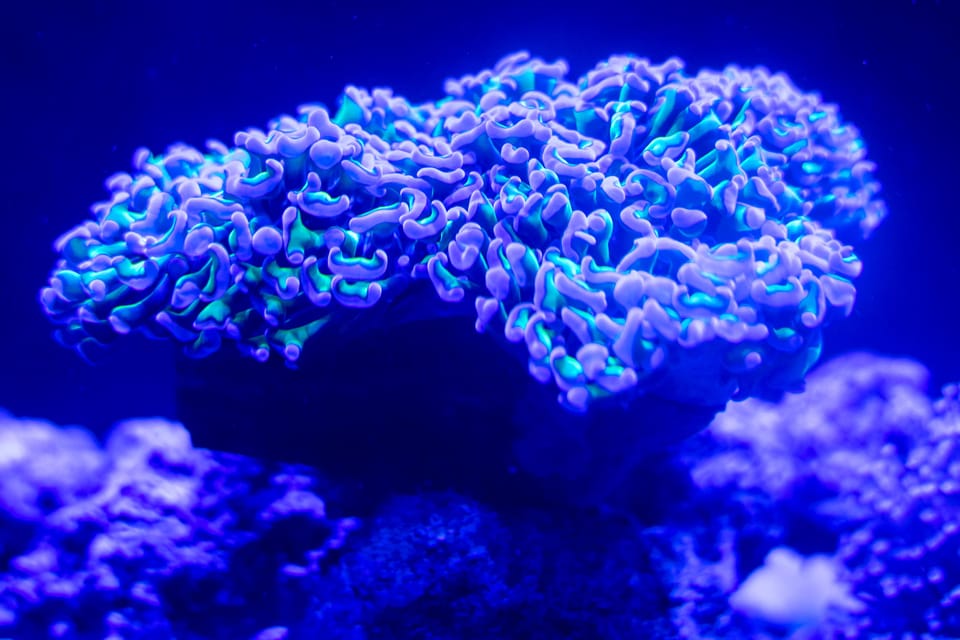
One of the easiest ways to make this visit more than a quick walk-through is to time it around the live moments. The aquarium experience includes creature feeds, plus things like quiz trails and fun talks.
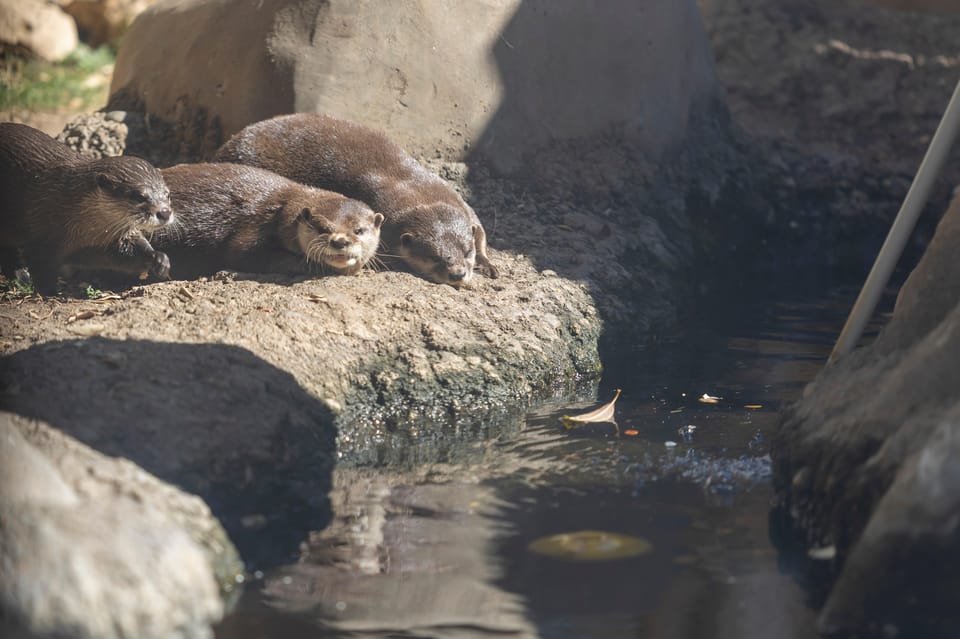
The highlight for many people is the otters feeding session before you leave. That matters because it’s the kind of moment that breaks the “stand and look” routine. Instead of just observing, you get a sense of energy and timing.
I also like the quiz-trail style of activity. You don’t need it to enjoy the visit, but it helps you slow down and look for details you might otherwise skip. It’s especially useful for families, where attention tends to bounce.
And yes, there’s also an animal-education feel built into the way the sections are arranged. It’s not heavy or academic. It’s more like: look closer, then learn the name.

Amazonia freshwater zone: tropical variety after the Mediterranean
After the Mediterranean area and the big tunnel moment, you switch gears into the Amazonia freshwater zone. This change is what keeps the aquarium from feeling repetitive.
Here you’ll see colorful tropical species, and the vibe is different from the saltwater sections. It gives you variety in both the fish shapes and the color palette, which makes the visit feel longer and more satisfying even though the building footprint is still compact.
This zone is great if you notice that you’re starting to “tank fatigue.” Your brain needs contrast. The Amazonia area provides that by changing the environment and the species focus.
How long you should plan for (and how to avoid disappointment)
This place is famous for being quick. One good piece of advice: don’t schedule it like an all-day attraction.
I’d plan around an hour if you want a comfortable pace with photos, some reading, and time for the interaction area. If you’re mainly there for the tunnel and big animals, you could finish faster. If you’re a slow reader and you catch the interactive moments, you’ll likely take your time a bit more.
So who might feel disappointed? If you were expecting a huge aquarium that takes half a day, the smaller scale can feel underwhelming. That’s the trade-off: you get a tight, fun route, but you don’t get “hours and hours” of wandering.
My practical suggestion: treat it like the best part of your seaside day, not the entire day. Pair it with something nearby and suddenly the value makes a lot more sense.
Price and value: around $25 for a compact, high-payoff visit
The ticket price is listed at $25 per person, and the question is whether that feels fair for what you get.
Here’s how I’d judge value: this aquarium packs multiple high-impact experiences into a short visit—a hands-on bio-beach, an 180º tunnel with sharks and a green turtle, plus live moments like otter feeding and interactive activities. You’re not paying only for static viewing.
Where some people feel it doesn’t match expectations is size. If you rush, it can feel like you didn’t get enough time. If you go slowly and hit the tunnel plus the interactive rockpools, the experience becomes more complete.
Smart way to stretch the day: after you go through, there’s also a simple extra activity nearby that can turn the outing into a bigger memory. One review highlighted mini golf for about €5 each afterward, and the site has a cafeteria for drinks and ice cream. If you plan a snack and a second activity, the cost feels less like a single standalone event.
Getting the most out of your visit
To make your visit feel like you paid for the best version of it, I’d do three things.
First, save the interactive touch area for when you’re not stressed. The bio-beach is fun, but you don’t want to feel rushed.
Second, build your time around the live moments. If you can catch the otter feeding, you’ll likely remember that more than most background tanks.
Third, keep an eye on how animals are labeled. There’s mention of a species-recognition app that may not always identify correctly, so if you use any tech, treat the labels as your backup.
Finally, if you want the aquarium to feel calmer, consider going earlier in the day. The overall experience tends to feel more relaxed when you’re not fighting crowds around the tunnel and touch exhibits.
Where it fits in a Benalmádena day plan
Benalmádena is a place where you’ll be tempted to fill your time with lots of small activities. This aquarium works because it’s a concentrated indoor option with a strong wow factor.
If you’re visiting with kids, this is one of those outings that’s both educational and hands-on. If you’re a couple, the tunnel and the relaxed pace can make it feel like a sweet break from heavier sightseeing.
And if you just want something that feels “holiday easy,” it fits that role well: one location, clear sections, and enough variety to keep you interested without requiring a full-day commitment.
Should you book Sea Life Benalmádena?
Book it if you want a short, high-impact aquarium visit with real payoff: an 180º shark tunnel, the green turtle moment, and the chance to touch starfish and hermit crabs. It’s also a strong choice if you like activities that mix viewing with a couple of interactive elements, including otter feeding.
Skip or rethink it if you’re chasing a massive aquarium experience that fills an entire afternoon. The size is part of its charm, but it also means you’ll likely finish sooner than you expect.
If you’re debating, my advice is to treat this as your main event for a couple of hours, then add a snack and a simple extra activity afterward. With that plan, the visit feels like great value rather than a quick detour.
FAQ
Where is Sea Life Benalmádena located?
The address is SEA LIFE Benalmadena, Calle de la Dársena, 1, 29630 Benalmádena, Málaga, Spain.
How much does the aquarium visit cost?
The price is listed as $25 per person.
What’s included with the ticket?
Your ticket includes aquarium entrance.
How long is the ticket valid?
The ticket is listed as valid for 1 month.
Is it wheelchair accessible?
Yes, the experience is wheelchair accessible.
Is there a place to buy food or snacks?
Yes, there is a cafeteria, and there are also shops available.
Can I cancel and get a full refund?
Yes. Free cancellation is available up to 24 hours in advance for a full refund.
Can I reserve now and pay later?
Yes, you can reserve now and pay later to keep travel plans flexible.