REVIEW · MALAGA
Paella Cooking Class with English Guide in Malaga
Book on Viator →Operated by Kulinarea · Bookable on Viator
Paella lessons in Malaga start with shopping, not just pans. This cooking class blends Atarazanas Market ingredients with a hands-on session in a modern kitchen, all led in English.
I especially like the way the evening feels like a real food outing, with tastings before you ever touch the pan.
Second, I like that the teaching style is built for normal humans. In the English-led sessions, guides and chefs like PePo and Alba get praised for being clear and patient, and you’ll get the kind of step-by-step direction that helps you actually pull it off.
One big consideration: this class isn’t a safe bet for everyone. It’s not recommended if you have celiac disease or a severe allergy that needs strict avoidance of cross-contamination, and it also isn’t recommended for vegans.
In This Review
- Key highlights at a glance
- Paella in Malaga starts with ingredients, not recipes on a card
- Where it starts: Kulinarea in the Centro SOHO Art District
- Atarazanas Market timing: daytime Mon–Sat, 3 hours at night, and holiday closures
- The ingredient lesson: shopping for what the paella needs
- Olive oil tasting: your first clue that paella is built on basics
- The kitchen session: how they teach seafood paella (and adjust for you)
- What’s included in the meal: sangria, wine, beer, and churros
- Group size and the English guide: small enough for questions
- Price and value: why $84.69 can make sense in Malaga
- Who should book this paella class in Malaga?
- Who should think twice
- Common snags: meeting point confusion and what to watch for
- Should you book the Malaga paella cooking class?
- FAQ
- Is the Atarazanas Market visit included?
- What happens if I’m booking during a holiday when the market is closed?
- How long is the class?
- What paella will I cook?
- What food and drinks are included?
- Do they provide an English guide?
- What is the group size limit?
- Is it suitable for vegans or people with celiac disease?
- Can I cancel for a full refund?
Key highlights at a glance
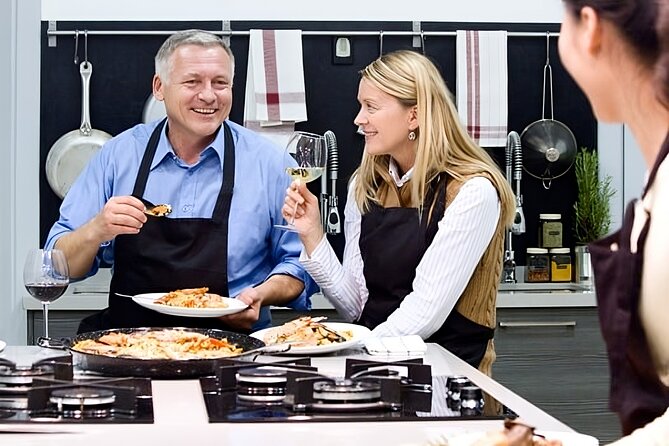
- Market visit (daytime only): Included Monday to Saturday, with holiday closures noted
- English guide + cooking support: Instruction is repeatedly praised for being understandable and paced well
- Full meal included: Gazpacho, seafood paella (plus adaptations), sangria, churros, and wine/beer
- Olive oil tasting first: Three Extra Virgin Olive Oils to taste before cooking starts
- Small group size: Maximum 14 travelers, so questions don’t get lost
- Take-home gift: A Kulinarea apron at the end
Paella in Malaga starts with ingredients, not recipes on a card
If you’ve ever made paella at home and wondered why it tastes like yours was missing something, this format helps. You start by learning what you’re actually using, then you cook with an eye on timing and process. In a city like Malaga, that matters.
I like that it’s not just about eating a finished dish. The class treats paella as a set of choices: what goes in, how you balance seafood or meat, and what seasonal products taste like when you buy them locally.
You can also read our reviews of more guided tours in Malaga



Where it starts: Kulinarea in the Centro SOHO Art District
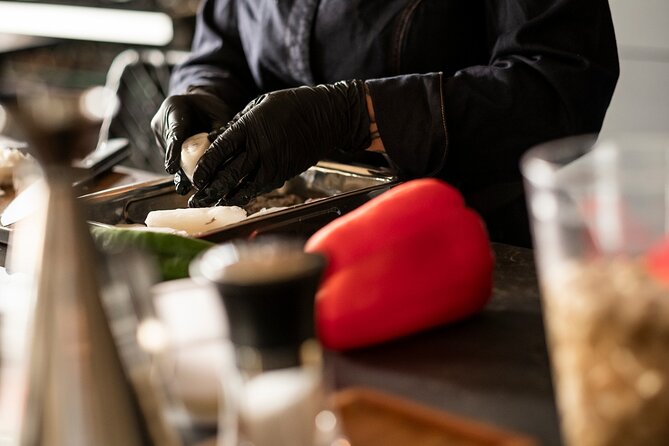
Your meeting point is Kulinarea at Avenida de Manuel Agustín Heredia, 24, Distrito Centro (29001 Malaga). The activity ends back at the same spot, which makes your evening planning easier.
It’s also described as near public transportation, which matters if you’re doing this alongside beach time or the city center. Also, do plan to arrive a few minutes early so you can settle in before the market or kitchen portion starts.
Atarazanas Market timing: daytime Mon–Sat, 3 hours at night, and holiday closures
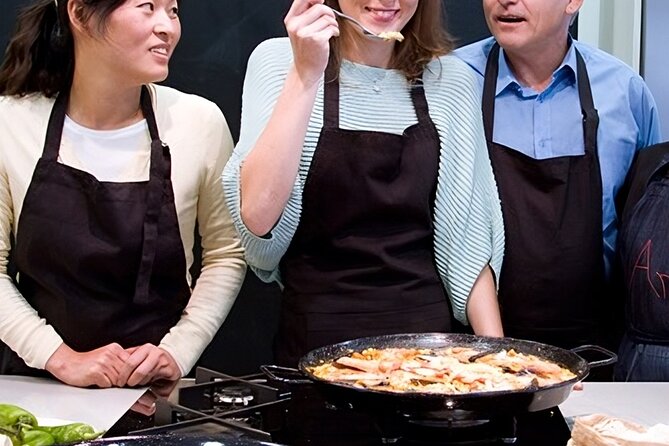
This is one of the best parts of the experience, because Atarazanas Market is where the class gets real. But when you get the market depends on your day and time slot.
- Daytime class (Monday to Saturday): Includes a visit to Atarazanas Market
- Evening and Sunday class: Lasts 3 hours and the market portion isn’t part of that format
The market is also closed on specific holidays. The listed dates include 1/1, 6/1, 28/2, and several dates tied to Holy Week plus other Spanish holiday dates like 15/8, 19/8, 8/9, 12/10, 1/11, 6/12, 8/12, 25/12. If your trip lines up with those, expect the class to run without the market stop.
Why this matters: if you’re hoping to learn how ingredients shape flavor, the market visit makes the cooking feel less random. You’ll see seasonal produce and the range of seafood and meats that go into classic styles.
The ingredient lesson: shopping for what the paella needs
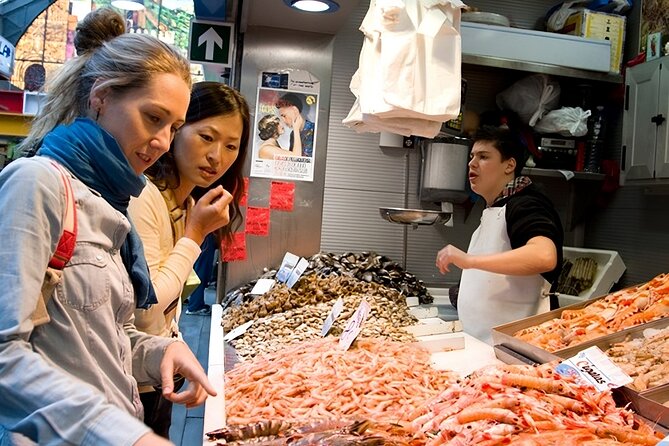
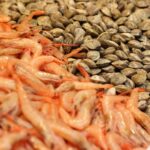
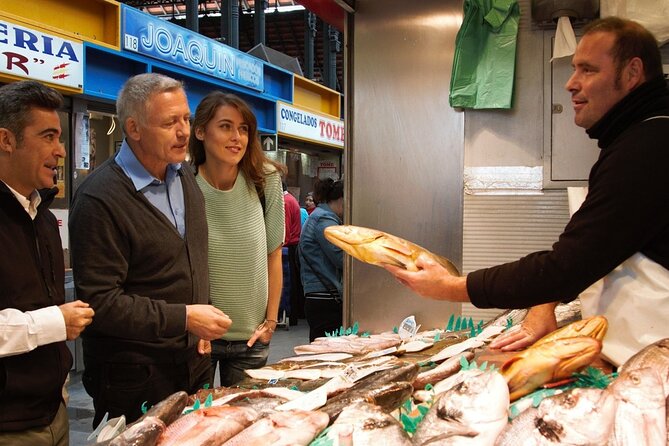
When the market visit is included, you’ll be guided through a variety of seasonal products. That includes fresh vegetables and fruit, plus seafood and meat options. The point isn’t to learn supermarket trivia. It’s to pick quality items that match the paella you’re about to cook.
You’ll then select the ingredients needed for your class session, and head to the kitchen in the SOHO Art District area. For most people, this is the moment the experience shifts from entertainment to practical learning.
Olive oil tasting: your first clue that paella is built on basics
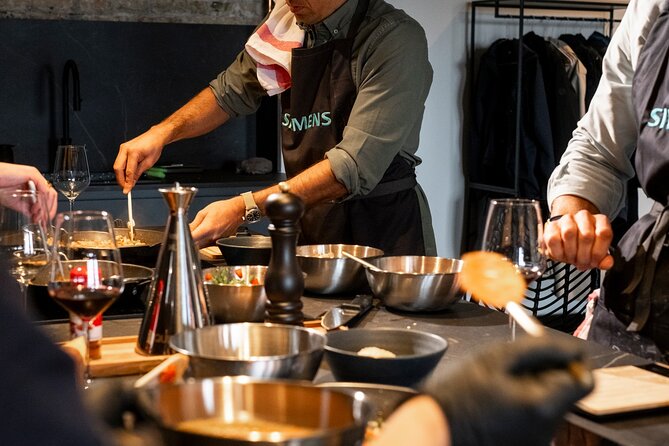
Before you start cooking, you get a tasting of three Extra Virgin Olive Oils. It’s not flashy, but it’s useful. Olive oil quality changes how everything tastes, especially when you’re using it as a base for flavor.
Then the menu keeps moving fast into real comfort-food territory, starting with a cold starter: gazpacho. You’ll also get to learn how the class timings work: tastings first, then the cooking build.
You can also read our reviews of more cooking classes in Malaga

The kitchen session: how they teach seafood paella (and adjust for you)
The main event is making an authentic Spanish paella. The sample menu lists seafood paella, and the class says they adapt it for:
- vegetarian paella (vegetable version)
- meat paella (for those who do not eat fish)
That’s a big deal for group harmony. You’re not stuck hoping the staff can squeeze you into a last-minute swap. The class is designed to handle dietary preferences within the menu framework.
In the final dish, you’ll also notice the difference between simply cooking seafood and cooking a paella that actually tastes like it belongs to Spain. That usually comes down to process and timing, which is exactly where a guided class helps.
What’s included in the meal: sangria, wine, beer, and churros
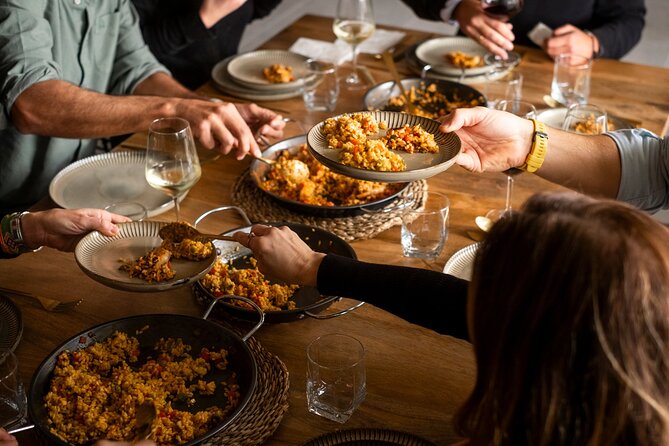
This isn’t a snack-and-smile demo. Your included food and drink are built into the flow of the class:
- Starter: gazpacho
- Main: seafood paella (with vegetarian and meat alternatives)
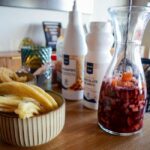
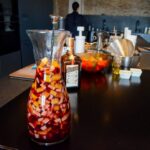
- Sangria: refreshing and served during the experience
- Dessert: churros
On the drink side, the class includes alcoholic beverages: wine and beer, plus sangria. One review specifically calls out the wine being plentiful, and the overall vibe matches that. If you want a class where the meal feels complete, not just a tasting, this hits the mark.
Also worth noting: you’ll get a regional wine described as made with local grape varieties. That helps you drink something tied to the area rather than a generic bottle.
Group size and the English guide: small enough for questions
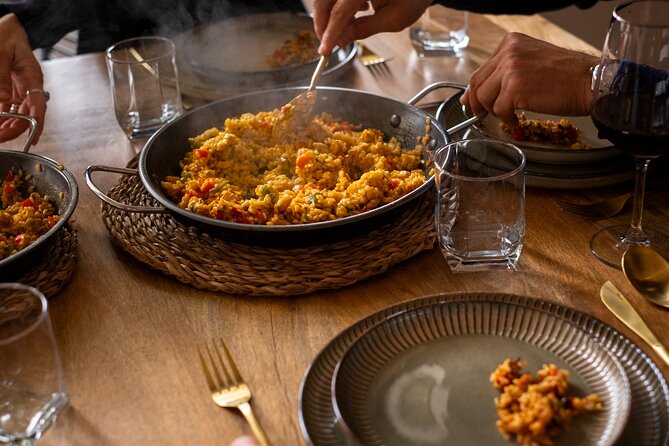
The class caps at 14 travelers, which is the kind of number that keeps the room from turning into a lecture hall. You can ask a question without waiting for a staff member to notice you in the back row.
English is offered, and the experience has strong feedback on the guide and chef pairing. Names that come up include PePo (praised for being enthusiastic and patient), Alba (praised as a standout chef), and Javier (praised for guiding well). Even when the crew shifts by day, the pattern is similar: clear explanations, a relaxed kitchen atmosphere, and enough attention that you’re not guessing.
Price and value: why $84.69 can make sense in Malaga
At $84.69 per person, this isn’t a bargain-basement activity. But you’re also buying several things at once:
- ingredient time with a market visit on daytime slots
- hands-on cooking instruction
- a full included meal (starter, paella, dessert)
- multiple drinks (wine/beer/sangria)
- a take-home Kulinarea apron
In other words, you’re not paying like it’s just a cooking show. You’re paying for a structured food experience in a real kitchen, with the kind of guidance that reduces the chance of ending up with a mediocre paella at home.
If you’re the type who likes to shop for ingredients, eat what you cook, and bring home at least one practical takeaway, this can feel like good value for the time you get.
Who should book this paella class in Malaga?
I’d point most couples, friend groups, and food-curious solo travelers to this. It’s especially good if you want:
- a taste-heavy Malaga experience beyond tapas hopping
- a practical lesson you can repeat
- a small-group format rather than a big bus-style group
It’s also a strong pick if you want to meet people without it feeling forced. The class structure naturally pushes you to talk during tastings and meal time.
Who should think twice
You should skip or choose something else if:
- you have celiac disease or a severe allergy that requires strict avoidance of cross-contamination
- you’re vegan (the class explicitly says it’s not recommended for vegans)
Common snags: meeting point confusion and what to watch for
One recurring problem in the feedback is directions to the meeting point. If you’re arriving on foot and you’re not used to the area, double-check the address (Kulinarea, Avenida de Manuel Agustín Heredia, 24) before you leave your hotel.
Also remember: if you booked a daytime slot, the market portion can disappear on holidays, based on the listed closures. If the market stop is the main reason you booked, choose your dates carefully.
Should you book the Malaga paella cooking class?
Book it if you want a true food day: market ingredients (on most daytime slots), olive oil tasting, sangria, and a paella you learn how to build—not just a plate handed to you.
Don’t book it if you need strict dietary safety for celiac/severe allergies or if you’re vegan. Those limits are stated clearly, and paella classes can’t safely improvise around cross-contamination needs.
If you’re somewhere in the middle, here’s my practical call: pick a daytime slot (Monday–Saturday) if you can, so you get Atarazanas Market and the extra learning that comes with it. Then show up a bit early, taste the olive oils with attention, and treat the kitchen lesson like a skill session, not just a dinner ticket.
FAQ
Is the Atarazanas Market visit included?
It’s included only in the daytime class from Monday to Saturday. The evening and Sunday class lasts 3 hours and does not include the market visit.
What happens if I’m booking during a holiday when the market is closed?
The market is closed on several listed holiday dates, so on those days the class won’t include the market visit.
How long is the class?
The daytime class is listed as about 4 hours. The evening and Sunday class lasts 3 hours.
What paella will I cook?
The sample menu is seafood paella. The class says they adapt the dish for vegetarian paella and for people who do not eat fish (meat paella).
What food and drinks are included?
Included items are lunch, plus alcoholic beverages (wine, beer, and sangria), snacks, gazpacho, churros, and the paella. A regional wine is also included.
Do they provide an English guide?
Yes. The experience is offered in English and is guided by an English-speaking guide.
What is the group size limit?
The class has a maximum of 14 travelers.
Is it suitable for vegans or people with celiac disease?
It’s not recommended for vegans and it’s not recommended for those with celiac disease or any severe allergy that requires avoiding cross-contamination.
Can I cancel for a full refund?
Yes, you can cancel for a full refund up to 24 hours in advance of the experience start time.