REVIEW · COSTA DEL SOL
Guided tour and olive oil tasting in Alhaurin el Grande (Málaga)
Book on Viator →Operated by Aceites Molisur · Bookable on Viator
Olive oil starts with clanking machines. This guided stop at Aceites Molisur in Alhaurín el Grande mixes a walkthrough of a century-old mill with a hands-on three-oil tasting, so you actually learn what you taste (not just watch it). What I like most is seeing the machinery running and getting help comparing extra virgin oils by aroma. One thing to consider: private transportation isn’t included, so you’ll want your own plan to reach the meeting point.
You’ll also get a small-group feel (up to 25 people), which makes questions easier and keeps the pace relaxed. I like that the visit doesn’t stay stuck in the past; it moves from the old museum setup to the current production area. You’ll even catch valley views during the drive-through parts of the tour route.
If you’re traveling with kids, this tour tends to land well because it’s visual and interactive, especially during the tasting moment. In English, and with bottled water on board, it’s a practical food stop on the Costa del Sol that doesn’t eat your whole day.
In This Review
- Key things I’d circle before you go
- Aceites Molisur in Alhaurín el Grande: what this tour is really about
- Meeting point and timing: plan for an efficient 1.5 hours
- The oil museum: seeing how a centennial mill worked
- The tasting: comparing three extra virgin olive oils
- From old equipment to current production: how “liquid gold” is made now
- The stainless-steel winery visit: a different kind of stop
- Guides and the feel of the group: why people rate this so highly
- Price and value: is $35.09 worth 90 minutes?
- Who should book this tour (and who might skip it)
- Practical tips to get the most from the tasting
- A quick word on pets, confirmation, and refunds
- Should you book the guided tour and olive oil tasting in Alhaurín el Grande?
Key things I’d circle before you go
- A centennial olive mill, shown in action, not just behind glass
- Three olive oils tasted and compared, so the differences make sense
- Small group up to 25, better hearing and more Q&A time
- From museum to current production, old-school and modern in one loop
- A visit to a stainless-steel winery, described as a Spain-only visitor option
- Valley views during the tour, a nice break from standing in rooms
Aceites Molisur in Alhaurín el Grande: what this tour is really about
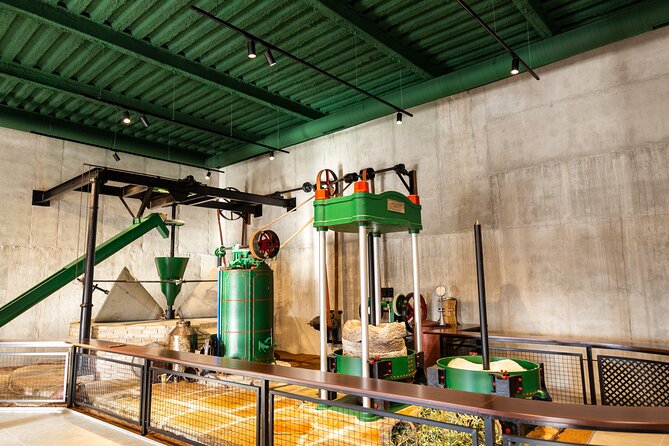
This isn’t a long, vague “olive oil story.” It’s a compact tour designed to show you how extra virgin olive oil moves from olives to finished product, with a tasting at the center. You get a full chain: traditional processing history, current production, and then a winery visit tied to the property.
The big payoff is the tasting. When someone guides you through comparing oils, the flavors stop being a mystery. You start picking up on things like fruitiness, bitterness, and peppery notes you might otherwise miss.
And the setting helps. Alhaurín el Grande sits with a view of the valley, so the tour doesn’t feel trapped indoors the whole time. Even if you’re just there for a fun foodie hour, you’ll come away with a stronger sense of what makes one oil different from another.
You can also read our reviews of more tours and experiences in Costa del Sol.



Meeting point and timing: plan for an efficient 1.5 hours
The tour meets at the Aceites Molisur site at Carretera Coín, Churriana, A-404, km 5, 29120 Alhaurín el Grande, Málaga, Spain. The visit runs about 1 hour 30 minutes (approx.), and it ends right back at the meeting point.
That loop matters because it’s easy to slot into a day of beaches and sightseeing. But it also means you should make sure you can get there and back without relying on a pickup. Since private transportation isn’t included, you’ll likely use a taxi, bus, or your own rental car.
It’s also a format that books ahead fairly often (on average, about 10 days in advance). If you’re set on a specific day, don’t wait too long.
The oil museum: seeing how a centennial mill worked
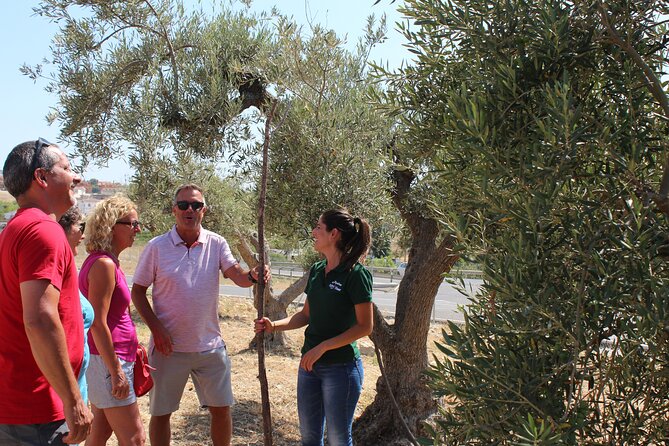
The first real stop is the oil museum, where you learn how olive oil production worked more than 100 years ago. What makes this section special is the emphasis on machinery. Instead of a purely static display, you get to see the old setup in operation, which gives the process a “click” of understanding.
You’ll learn the basics of how traditional production used gravity, pressing, and equipment that looks totally different from what most people imagine today. And for families, it’s a win: kids often remember the gears and moving parts more than any poster.
A small caution: if you’re traveling during busy hours, the museum can feel tighter in the viewing areas. The good news is the whole tour is short, so you’re not stuck there for hours.
The tasting: comparing three extra virgin olive oils
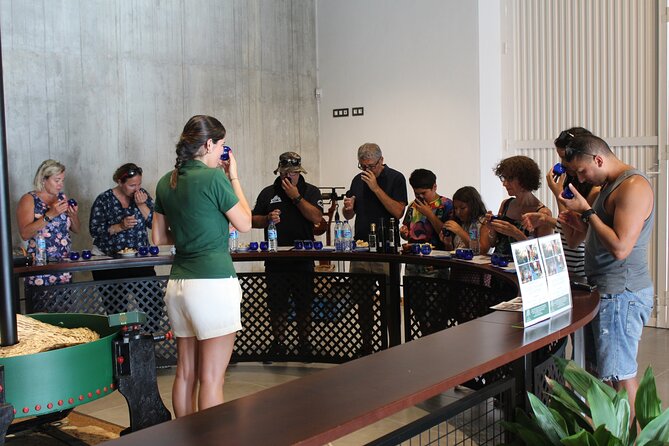
After the museum walkthrough, the tour shifts into tasting mode. You’ll taste three olive oils, and the goal is to help you differentiate nuances and aromas in an extra virgin olive oil lineup.
This is the part that turns a “factory visit” into something you’ll actually use later at home. You learn to notice differences rather than only judge by how much you like the oil overall. You might find it helps to smell first, then taste a small amount, and let your impressions settle before you decide. The guide can help you anchor what you’re noticing.
One practical tip: since you’re tasting multiple oils, go easy on strong flavors in your other snacks before the tour. If you come in hungry but not stuffed, you’ll get more from the tasting.
The tour includes bottled water, which makes it easier to rinse your palate between oils. That detail sounds minor, but it matters when you’re comparing fruit, bitterness, and peppery sensations.
From old equipment to current production: how “liquid gold” is made now
Next comes the visit to the current production factory. This is where you connect the dots. You’ll see how the process looks today, and you’ll understand what changed over time and what stayed rooted in the same core steps.
For me, this portion is the reality check. It’s easy to romanticize traditional oil-making. The factory visit brings you back to practical modern production—cleaner flow, newer equipment, and a more streamlined approach.
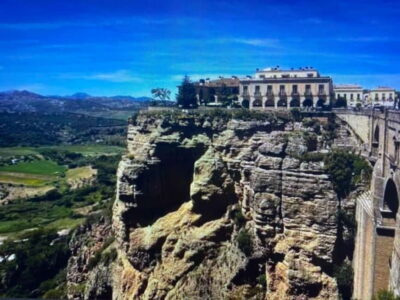
You’ll also enjoy wonderful views of the entire valley during parts of the tour route. That breaks up the sensory overload of machines and tasting notes and gives you a minute to breathe and reset.
You can also read our reviews of more guided tours in Costa del Sol


The stainless-steel winery visit: a different kind of stop
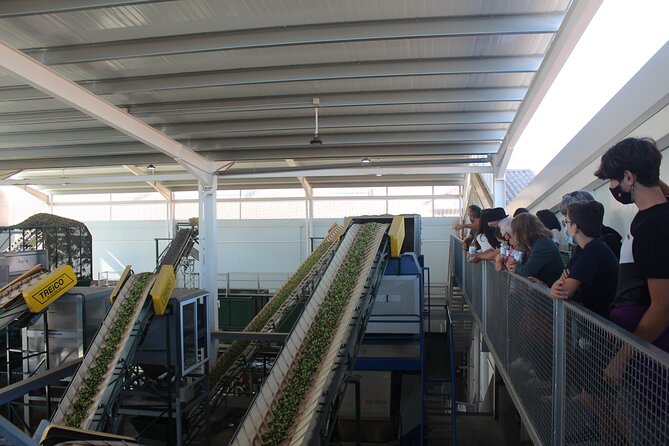
The tour ends by adding an extra layer: a visit to an exclusive winery on the property. The standout detail here is the stainless-steel setup. They describe it as the only stainless-steel winery that can be visited in Spain.
Even if you don’t consider yourself a wine person, this part can still be interesting because it’s a real-world look at how modern food production spaces operate. It also gives the tour variety, so you aren’t only moving between museum rooms and production floors.
In practice, think of it as a bonus segment that keeps the overall experience from becoming too one-note.
Guides and the feel of the group: why people rate this so highly
The tour’s quality comes down to how it’s led. The guides associated with this experience, including Ana and Lucia, are described as engaging and entertaining, and the explanations focus on helping you understand the oils you’re tasting. Jerrard is also mentioned for making the experience fun, including for younger visitors.
That matters because an olive oil tour can go two ways: either it turns into a lecture, or it turns into something you can talk back to. Here, the small-group format helps. It’s easier to ask questions, and the guide can adjust the pace.
If you want a family-friendly food activity that doesn’t feel childish, this one often hits that balance.
Price and value: is $35.09 worth 90 minutes?
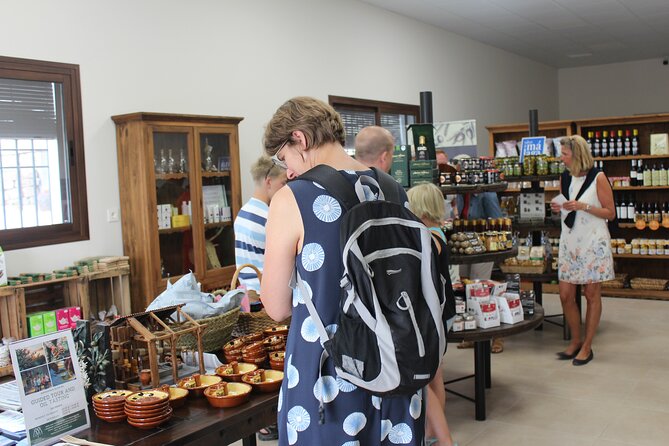
At $35.09 per person for about 1 hour 30 minutes, you’re paying for three main things: the guided tour through the oil museum and production areas, the tasting of three olive oils, and the bonus winery visit. Bottled water is included, which keeps the experience simple.
Is it “cheap”? No. But compared to many half-day food experiences, it’s focused and efficient. You get both education and tasting, and you come away with a clear memory hook: three oils you tasted and compared.
This is also one of those tours where you should judge value by what you’ll do next. If you buy olive oil after the tour, you’ll shop with more confidence because you understand what differences mean. That’s where the money often pays back.
Who should book this tour (and who might skip it)
This tour is a great match if you:
- Love food experiences that actually teach something
- Want a short activity that doesn’t require full-day planning
- Travel with kids and need a visual, interactive outing
- Prefer small groups and guided context over wandering
You might skip it if:
- You want a purely scenic walk with minimal time indoors
- You’re expecting hands-on olive pressing or a long workshop (this is a tour plus tasting, not an all-day labor-in-the-press experience)
- You don’t have an easy way to reach the meeting point, since private transport isn’t included
Practical tips to get the most from the tasting
The tasting is the star, so set yourself up to notice differences:
- Eat lightly beforehand so your palate is clear
- Take your time with smell first, then taste
- Ask questions about the differences you notice rather than just what you like
- If you’re buying oil afterward, compare how you respond to each oil, not just the price
Also, bring a simple mindset: you’re learning. Even if you don’t think you’re “good at tasting,” the guided format is built to make differences understandable.
A quick word on pets, confirmation, and refunds
Pets aren’t allowed on this tour. Confirmation is received at booking time. If your plans change, the tour offers free cancellation up to 24 hours in advance for a full refund, with local time used for the cutoff.
Should you book the guided tour and olive oil tasting in Alhaurín el Grande?
Yes, if you want a compact olive oil experience with real context and a guided tasting that helps you understand the differences among extra virgin oils. The combo of a museum look at traditional methods, a view of machinery in operation, and a tasting of three oils makes this more useful than a simple shopping stop.
Book it sooner rather than later if your schedule is tight, especially since it’s commonly reserved about 10 days ahead. And if you’re planning your day around the Costa del Sol, make sure you can get to Aceites Molisur on your own—private transportation isn’t part of the deal.
If you want a food-focused activity that feels local, moves at a good pace, and gives you something you’ll carry home (better oil taste instincts), this is an easy one to recommend.