REVIEW · COSTA DEL SOL
Málaga & Costa del Sol: Ronda and Setenil de las Bodegas
Book on GetYourGuide →Operated by Visitanddo.com · Bookable on GetYourGuide
Two towns, one unforgettable Andalusian day. This trip turns Setenil de las Bodegas into a wow moment with its houses tucked under rock, then carries you to Ronda for the drama of Puente Nuevo over the Tajo gorge. One thing to plan for: Ronda sits around 740 meters above sea level, so it can feel much cooler than the coast, especially in fall and winter.
What I like most is the balance of structure and freedom. You get a comfortable air-conditioned coach plus a live guide (English or Spanish), and then you’re left to wander with real time in each town. Some days also include optional add-ons like the Casa Museo Don Bosco, so you can choose what fits your interests.
In This Review
- Key highlights at a glance
- From the Costa del Sol to Andalusia’s two classic contrasts
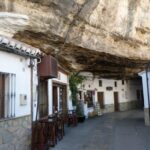
- Setenil de las Bodegas: walking into homes built under rock
- What to watch for at Setenil
- The gorge drive: why you’ll feel the scenery before you see it
- Ronda’s walking tour: what you’ll gain in 90 minutes
- Optional add-on: Casa Museo Don Bosco
- Puente Nuevo and the sweet stop: where the views do the talking
- A timing note that matters
- Free time in Ronda: your chance to choose your Ronda
- Bus comfort and the rhythm of a long day
- What’s included in the price (and why it feels like value)
- Practical tips that make the day easier
- Who this tour suits best (and who should rethink it)
- Should you book Málaga & Costa del Sol: Ronda and Setenil de las Bodegas?
- FAQ
- How long is the tour?
- Where does the tour start and end?
- What towns are included?
- Is there free time in both towns?
- Does the tour include a guided walking tour in Ronda?
- Is food or drinks included?
- Does it include Casa Museo Don Bosco?
- What should I wear or bring?
- Is the tour wheelchair accessible or suitable for mobility impairments?
- Can I cancel and get a refund?
Key highlights at a glance
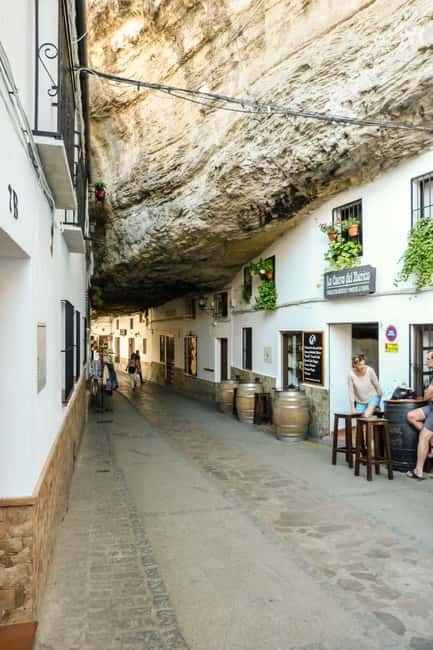
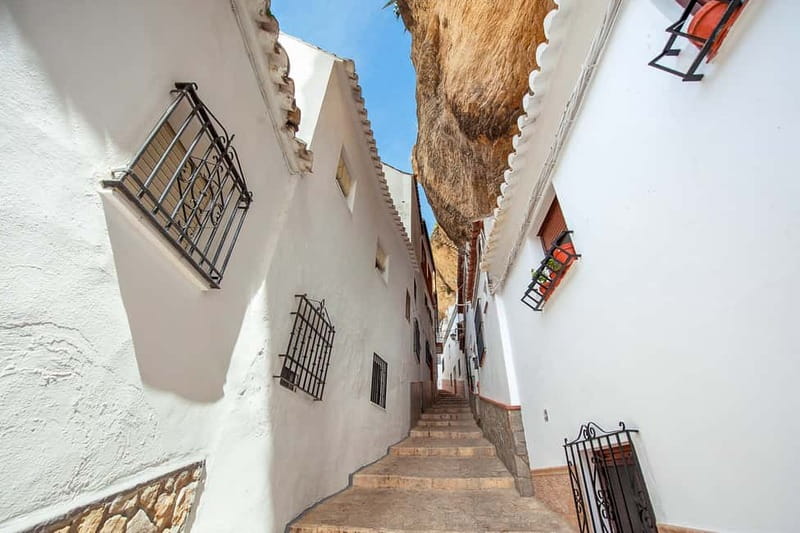
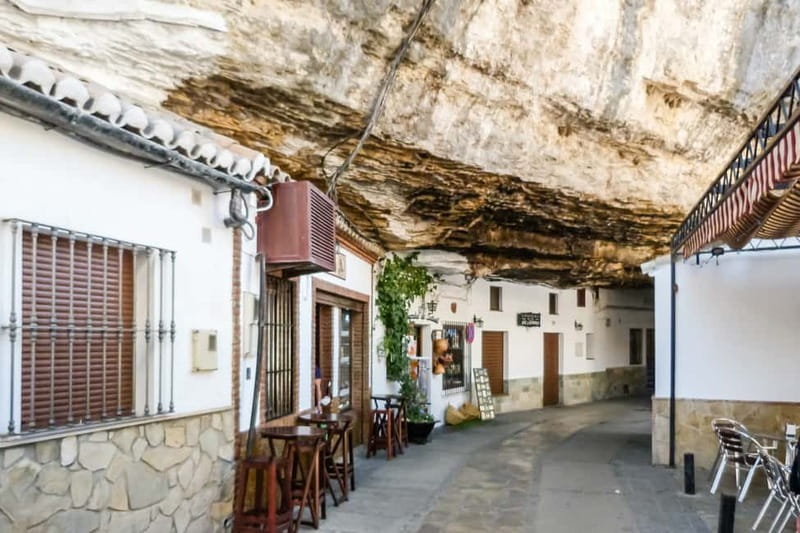
- Setenil’s rock-house streets: walk right through the strange architecture of homes built under cliffs
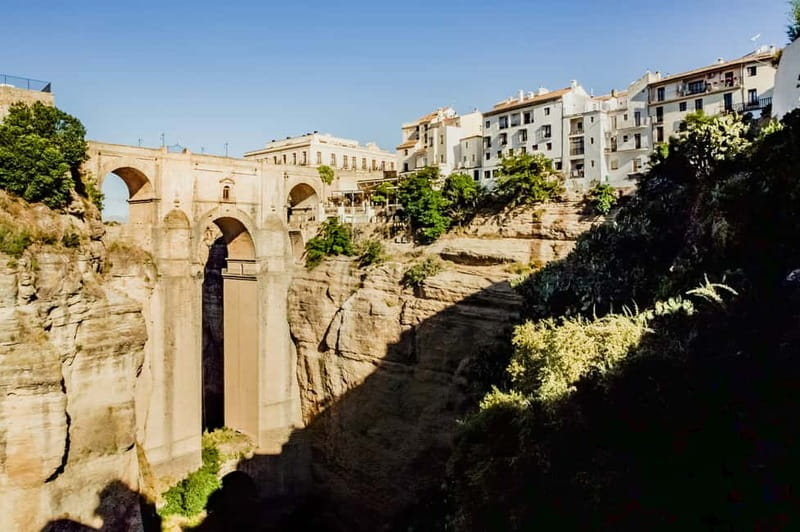
- Puente Nuevo viewpoints: dramatic views of the bridge over the El Tajo gorge
- A guided walk through Ronda’s center: churches, mini-palaces, and Spain’s oldest bullring area
- Sweets with an iconic view: taste typical Ronda sweets from a terrace overlooking the gorge
- Time to roam: free time in Setenil and Ronda so you can set your own pace
- Guides who keep moving and explain things well: names you might recognize include Jorge, Tania, and Irene
From the Costa del Sol to Andalusia’s two classic contrasts
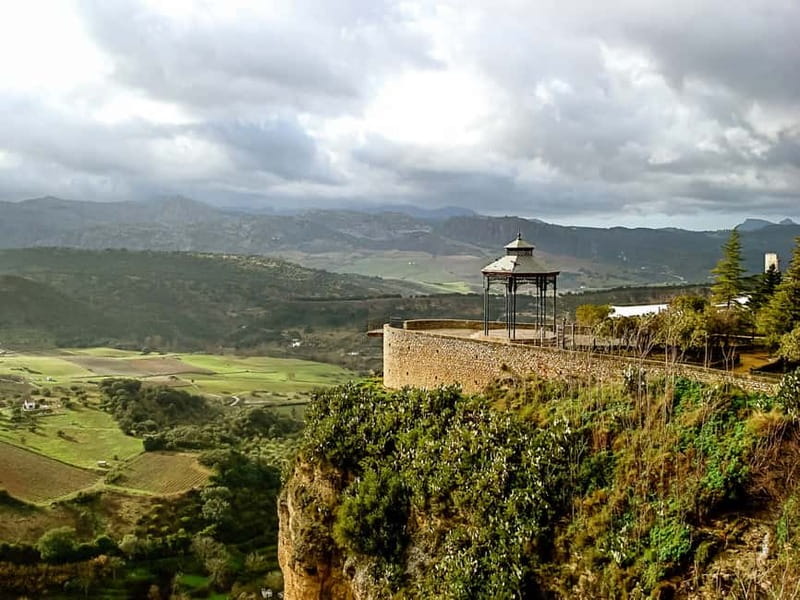
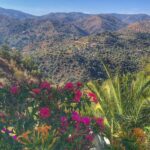
This is the kind of day trip that works because it gives you contrast. You start on the Costa del Sol and head inland, trading beach-level ease for white villages and sheer gorge views. The bus ride isn’t just “getting there,” either; it passes through countryside you’ll recognize—orange trees, olive trees, cork oak—and you’ll also pass by places like Ardales and Cuevas del Becerro along the way.
Then the day splits into two very different moods. Setenil feels strange in the best way, like the town learned to live with the rock overhead. Ronda feels romantic and elevated, built around stone, churches, and that gorge that makes every photo look dramatic.
You can also read our reviews of more tours and experiences in Costa Del Sol.

Setenil de las Bodegas: walking into homes built under rock
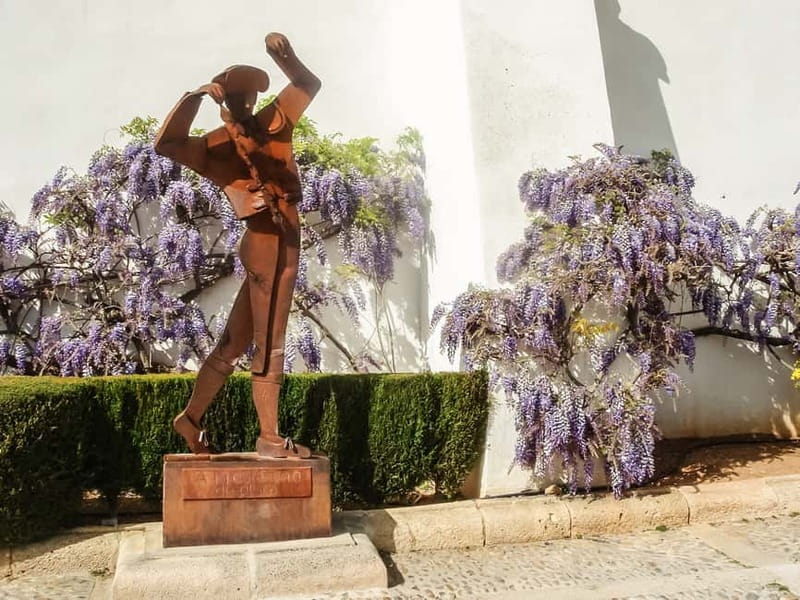
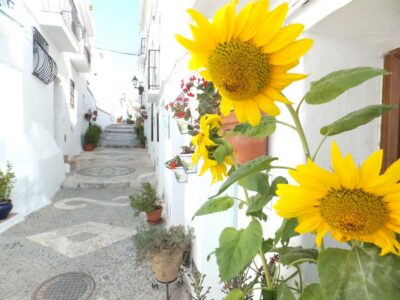
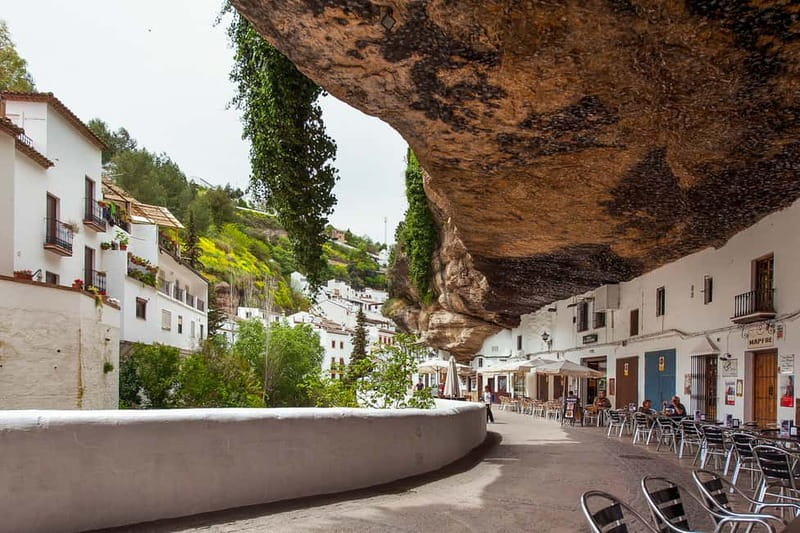
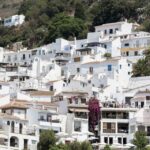
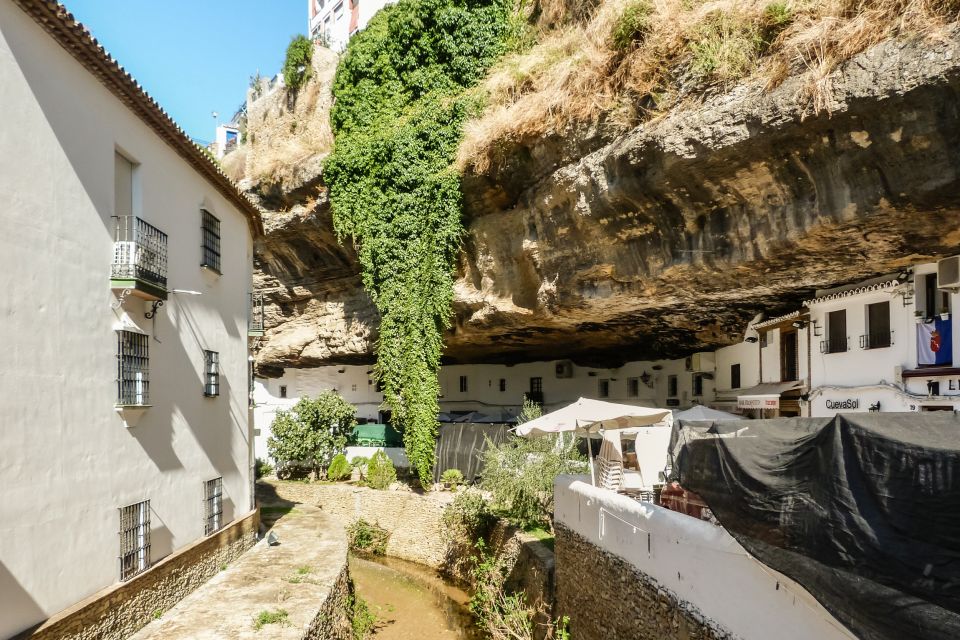
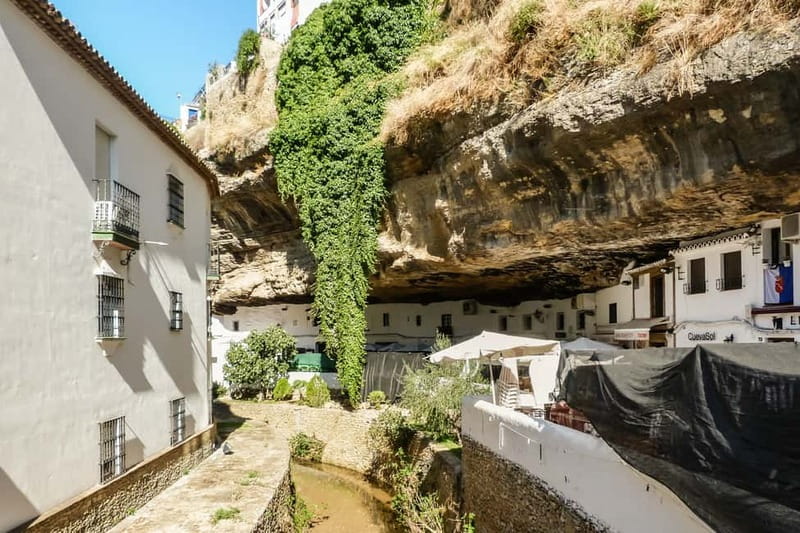
Setenil de las Bodegas is the star of the morning. The town sits around the gorge, and many buildings look like they grew directly out of the stone wall—because lots of them were built into the cliff. You’ll walk through narrow lanes where parts of the streets feel roofed by rock, and doorways open where you expect solid rock to be.
You’ll get about an hour of free time here, which is enough to do the essentials without feeling rushed. The most satisfying way to use that time is to slow down. Follow the main lanes, then cut toward the edges where you can see how the precipice shapes the houses. Coffee stops are easy to justify here, since the scenery is basically your table neighbor.
A small practical tip: Setenil has cats. If you want to be kind without being messy, bring small wet treat tubes for a quick, respectful feed if it’s allowed by the moment. It’s the kind of detail that turns a normal photo stop into a memory.
What to watch for at Setenil
The town is compact, but you’re still walking on uneven streets and uneven surfaces. If you’re traveling with sore knees or you hate cobblestones, consider saving your energy for Ronda’s viewpoints too. Also, weather can change fast inland—so if clouds build up, you’ll want a backup layer.
The gorge drive: why you’ll feel the scenery before you see it
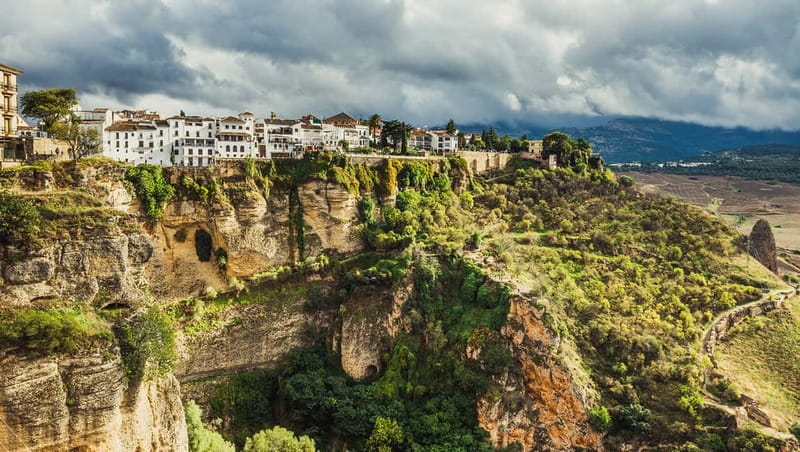
Between Setenil and Ronda, the route gives you time to see the “why” behind the architecture. This is Andalusia’s countryside, with planted trees and the look of Mediterranean land use. Then you move toward higher ground, and you can start to feel the temperature shift.
That matters because Ronda is high—about 740 meters above sea level. Even if the coast is warm, the day can turn crisp in Ronda, especially later in the afternoon or during shoulder seasons. Bring a layer you’ll actually wear on the bus and during the walk.
Ronda’s walking tour: what you’ll gain in 90 minutes
When you arrive in Ronda, you’ll go from bus drop-off to walking mode quickly. The guided portion (when selected) is about 1 hour 30 minutes and focuses on the main sights in the center. It’s not just a stroll—it’s a “get your bearings fast” tour through whitewashed streets, churches, and smaller historic buildings that feel like private spaces from the outside.
One of the coolest parts is how the guide ties the town together. You’ll learn why Ronda looks the way it does, and you’ll hear stories that connect the churches and mini-palaces to what the town became over time. Spain’s oldest bullring is also part of the route, and the guide can help you understand the tradition in context—even if bullfighting ethics are a complicated topic for you personally.
Guides you may be lucky enough to meet have included people like Monica and Jorge, and the best ones keep the pace moving while still making time for questions. A bilingual experience is common, and some days the guide alternates between English and Spanish. If you’re sensitive to losing focus when the language switches, you might enjoy having your own free time afterward to reset.
Optional add-on: Casa Museo Don Bosco
Some versions of the tour include entry to Casa Museo Don Bosco, an older palace with gardens that overlook Puente Nuevo. If this option is available when you book, it’s a good way to add another elevated viewpoint without needing extra planning.
Puente Nuevo and the sweet stop: where the views do the talking
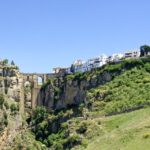
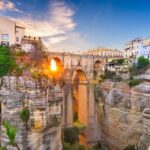
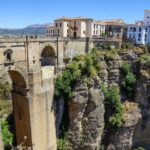
Ronda’s biggest “how is this real?” moment is Puente Nuevo. The bridge crosses the El Tajo gorge over the Guadalevin River, and it’s one of those structures that looks different from every angle. During the guided time, you’ll see the bridge from key viewpoints, and the day also includes a tasting of typical Ronda sweets from a terrace with a view.
This is one of the places where the tour format shines. Left to your own devices, you might only hit one viewpoint and miss the rest. With the guide’s route, you’re positioned for better angles, then you get a short payoff—sweet tasting right where you can actually see what the town is showing off.
If you’re comfortable walking and want extra drama, you can also look for the chance to get closer to the bridge area. Some versions of the route even steer you toward options that bring you nearer to the structure, and that change in perspective can make your photos look like you planned it for hours.
A timing note that matters
You’ll want energy here. The terrace stop helps break up the walk, but after that you may still have plenty of strolling ahead during free time. In practice, wear shoes you trust and pace yourself.
Free time in Ronda: your chance to choose your Ronda
After the guided portion, you’ll have free time to explore at your own pace. This is where Ronda becomes personal. Some people focus on viewpoints and photos. Others wander the historic streets, pop into a small shop, or just sit with a drink and watch the gorge like it’s a live show.
If the center feels too crowded or you’ve done the main photos, don’t fight it—take the free time as permission to do your own thing. Ronda’s charm isn’t one single attraction; it’s the way the town keeps revealing new angles as you move.
If the weather turns (it can), keep your plans flexible. A rainy bus ride back to the coast does happen, and it’s a good reminder to be prepared for wet steps and slippery surfaces.
Bus comfort and the rhythm of a long day
This is a nearly all-day trip, running about 8 to 10.5 hours. That long duration is the tradeoff for covering two far-apart towns in one day. It works well if you like road-trip scenery and you don’t mind sitting for stretches.
The upside is comfort. The coach is air-conditioned, and most people find the ride smooth and organized. The downside is that coach seating can feel tight—especially if you’re taller or don’t love close quarters. Bring a water bottle if you prefer, and dress for the temperature changes between coast and hill town.
What’s included in the price (and why it feels like value)
At around $23 per person, the value comes from three parts working together:
- Transport plus guide structure: you’re not planning routes or juggling timing between towns
- Scenic stops that are hard to replicate independently: Setenil and Puente Nuevo are not “accidental”
- A few built-in extras: you may get a glass of Ronda wine depending on the option, plus Casa Museo Don Bosco if you choose that variant, and sweets tasting at the Puente Nuevo viewpoint
What’s not included is food and other entrance fees. That’s normal for this type of day trip, and it’s actually helpful for budgeting: you can eat where you want in each town and choose your own pace.
If you’re comparing this to doing Ronda and Setenil independently, the economics often favor the tour. You pay for convenience, and you still get meaningful free time in both places.
Practical tips that make the day easier
These are the small decisions that can save you stress.
Wear comfortable shoes. Both towns involve walking on uneven streets. Ronda’s viewpoints also mean slopes and steps, even if the distance doesn’t sound huge on paper.
Bring a warm layer. Because Ronda sits at about 740 meters, it can be cooler than you expect. A light jacket is often the difference between enjoying the walk and wanting to rush through it.
Use free time like a plan, not a blur. In Setenil, focus on the rock-house lanes and one good coffee stop. In Ronda, do your must-sees first, then spend the remainder choosing what you enjoy most—photos, streets, or just lingering.
Watch the weather. If it rains, you’ll want to adapt quickly. Steps near viewpoints can get slick, and umbrellas can be awkward in narrow lanes, so think in terms of layers and footing first.
Who this tour suits best (and who should rethink it)
This day trip is a strong fit if you want two Andalusian experiences without spending your vacation building a route. It’s also a good choice if you like guided interpretation—especially for Ronda, where a structured walk helps you understand what you’re seeing.
It’s less ideal if you need wheelchair access or have mobility limitations. The walking and uneven surfaces around both towns make the day difficult in a typical itinerary.
If you’re traveling with kids who can handle walking, it can still work, but you’ll want to manage energy and be ready for steps.
Should you book Málaga & Costa del Sol: Ronda and Setenil de las Bodegas?
If your goal is to see Setenil’s rock-built streets and Ronda’s gorge-and-bridge spectacle in one efficient day, I’d say book it. The combination is rare: Setenil gives you a surreal architecture moment, and Ronda gives you dramatic views plus a clear, walkable historic center.
I’d hesitate only if you hate long coach days, dislike walking on uneven surfaces, or you’re very weather-sensitive. Otherwise, for the price, you’re getting a lot of real Andalusia—plus a guide route that helps you see the right places instead of playing guessing games.
FAQ
How long is the tour?
The duration is about 8 to 10.5 hours, depending on the starting time you select.
Where does the tour start and end?
It starts at one of several meeting points around the Costa del Sol area and ends back at the meeting point you used.
What towns are included?
You visit Setenil de las Bodegas and Ronda.
Is there free time in both towns?
Yes. You have free time in Setenil de las Bodegas and free time in Ronda.
Does the tour include a guided walking tour in Ronda?
There is a guided walking tour option in Ronda (about 1 hour 30 minutes). It’s described as optional depending on what you choose.
Is food or drinks included?
The tour includes a glass of Ronda wine depending on the option selected, and there is a tasting of typical Ronda sweets. Other food and beverages are not included.
Does it include Casa Museo Don Bosco?
Entry to Casa Museo Don Bosco is included depending on the option you select.
What should I wear or bring?
Wear comfortable clothes and shoes. Comfortable shoes are specifically recommended because there is walking.
Is the tour wheelchair accessible or suitable for mobility impairments?
No. The tour is not suitable for people with mobility impairments and not suitable for wheelchair users.
Can I cancel and get a refund?
Yes. Free cancellation is available up to 24 hours in advance for a full refund.