REVIEW · MALAGA
Guided Tour of Ronda
Book on Viator →Operated by Ronda Private Tours · Bookable on Viator
Ronda’s gorge views are reason enough. This private 2-hour walk pairs iconic viewpoints with great photo angles led by a local guide, and it’s priced as one flat fee for groups up to 15. One thing to consider: a couple of past cancellations and meet-up mix-ups show up in the feedback, so I’d plan to confirm details and keep your phone handy.
I like that the route is tight and efficient, so you get the feel of Ronda without losing half your day to transit. I also like that many stops are quick (often 5–15 minutes), which helps if you’re juggling other plans in Málaga. If you hate walking between viewpoints, this may feel like a lot—though the pace is built around short stops.
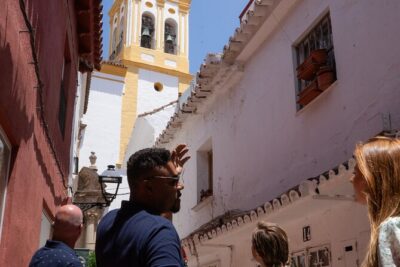
Because it’s private, you’re not blending into a big crowd. You’ll also get an English-speaking guide, and the tour uses a mobile ticket. In the wild, you might meet guides like Juan, Manuel Aviles Bravo, Marta, Alfredo, or Elena—names that have come up for strong history-by-way-of-street-life storytelling.
In This Review
- Key things to know before you go
- Why this 2-hour Ronda walk works so well on a day trip
- Getting started at Pl. de la Merced and ending near Plaza de España
- Alameda del Tajo: your garden-and-gorge warm-up
- The bullring setting and modern bullfighting stories
- New Bridge (Puente Nuevo): multiple angles that actually help
- Jardines de Cuenca: hanging gardens and the classic bridge-with-bridge shot
- Arco de Felipe V and a framed church photo moment
- Palacio de Salvatierra: the beautiful facade, with an entry detail
- Plaza Duquesa de Parcent: archaeology, churches, and civic power
- Plaza de María Auxiliadora (El Campillo): the big distance view
- Iglesia de Nuestra Senora de La Paz: color on the outside, baroque inside
- Mirador de Aldehuela: the final skyline and the bridge wrap-up
- Price and group value: how $240.30 fits your day
- Timing, walking pace, and what to bring
- Who this tour suits best (and who might want a different plan)
- Should you book this Ronda guided tour?
Key things to know before you go
- Up to 15 people, flat rate: great per-person value when you’re traveling with a group.
- Photo planning built in: multiple angles of the New Bridge and gorge views from several viewpoints.
- A real local vibe: guides tend to connect the city’s streets, religion, and even bullfighting history.
- Many stops without extra entry: several parts are ticket-free, so you control what costs you.
- Smart finishing location: the tour ends by the restaurant area around Plaza de España.
Why this 2-hour Ronda walk works so well on a day trip
Ronda can feel like two cities: one on top of the gorge, and one that drops away into it. This tour is designed for a quick hit of the essentials—gardens, bridges, plazas, churches—without pretending you’ll see everything. In about two hours, you’ll get the rhythm of the town: pause, look, take photos, then move on before the light changes too much.
The biggest practical win is the stop style. You’re not stuck in one museum room for ages. Instead, you get repeated “look points,” meaning you can keep checking the gorge and bridge views from different angles. That matters because Ronda’s drama is in the geometry—stone, height, and the way streets frame what you see.
You’ll also appreciate the private-group format. Your group sets the tone and the questions, and the guide can steer you toward what you care about more—architecture, local stories, or geology-geared explanations.
You can also read our reviews of more guided tours in Malaga
Getting started at Pl. de la Merced and ending near Plaza de España
The tour starts at Pl. de la Merced, 1, 29400 Ronda. That’s a useful anchor point because it’s not tucked away—so you can arrive, orient yourself, and begin the walk without guesswork.
You finish at Busto de Antonio Ríos Rosas, Pl. España, 6, 4, 29400 Ronda, in the area where there are lots of places to eat. That’s more than convenience. It means you can keep your energy after the viewpoints, grab lunch or dinner nearby, and avoid adding another bus or long walk just to refuel.
This route is also friendly to planning. You’ll spend a lot of time outdoors or in small, walk-through photo stops, so you’re less likely to feel trapped if the weather changes. (Still, bring a light layer—Ronda can be breezy near viewpoints.)
Alameda del Tajo: your garden-and-gorge warm-up
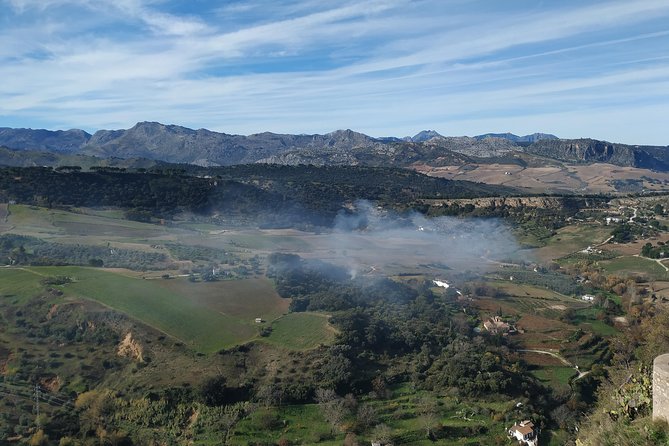
Your first major stop is Alameda del Tajo, Ronda’s standout park with gardens about 200 years old. This is your “set the stage” moment. The viewpoints here give you the first big understanding of the gorge and why Ronda looks the way it does.
Why I think this is a smart opener: gardens don’t just mean greenery. They shape your movement. Paths and terraces guide you toward outlooks, so you’re naturally positioned for photos. And because this is early in the tour, you’re still fresh enough to slow down and actually study the scene—bridge lines, stone color, and the drop-off below.
Keep an eye out for details at the edges of viewpoints—railings, stone textures, and how streets curve around the drop. Those small framing elements are what make your photos look like Ronda instead of just “a bridge photo.”
The bullring setting and modern bullfighting stories
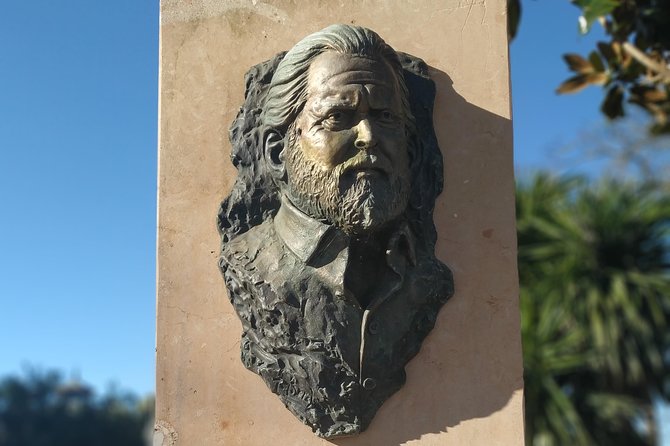
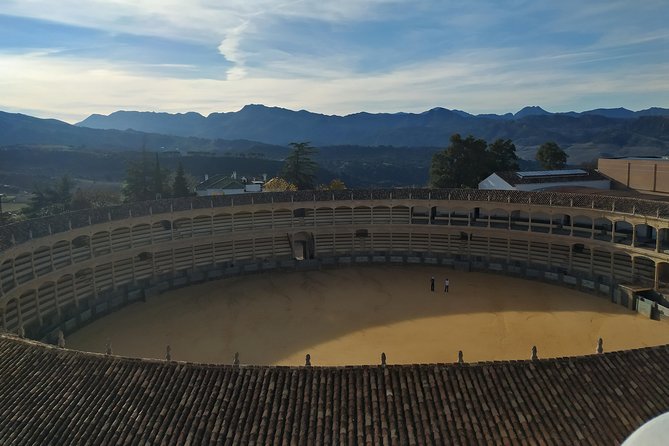
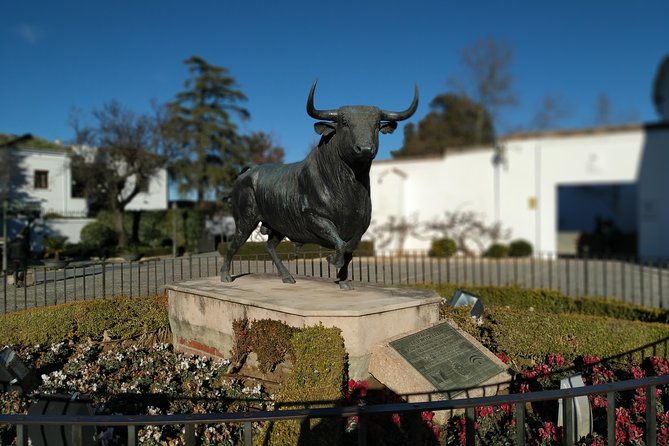
You’ll also stop in the surroundings of Ronda’s oldest bullring in Spain. Even if you’re not a bullfighting fan, this adds context you can’t get from a quick photo stop alone.
The value here is story and culture. A good guide can connect what the bullring represents—identity, tradition, and the shift from older spectacle toward modern practice. When your guide brings this up in a grounded way, it helps you understand why Ronda’s public spaces are so theatrical. They’re built to be seen.
One practical note: the stop is brief, so treat it as a “place bookmark.” Let the guide’s explanation give you the meaning, and then move on to the next perspective.
New Bridge (Puente Nuevo): multiple angles that actually help
Then you hit the star of the show: the New Bridge, completed in 1793. The tour doesn’t just show you one view. You’ll observe it from several angles, which is the difference between a postcard photo and a photo you’ll want to share.
Here’s what I’d pay attention to while you’re there:
- how the bridge’s arches break up the gorge space
- how the road and railing lines pull your eye across the frame
- where light catches the stone (timing can change how dramatic it looks)
This is also where your brain starts mapping Ronda. Once you see the bridge from a couple of points, the rest of the city makes more sense—especially the way streets lead toward viewpoints and how plazas connect to the heights.
Quick tip: if you’re with a camera, take one wide shot first. Then shift to tighter compositions. The guide’s framing advice can help you avoid shooting the same scene five times.


Jardines de Cuenca: hanging gardens and the classic bridge-with-bridge shot
Next comes Jardines de Cuenca, famous for being hanging gardens with a payoff: a sought-after view of the New Bridge tucked into the gorge. This is the stop that often makes people stop talking for a second—because the photo is that good, and because you finally see how deep the drop really is.
You’ll also get connections to nearby sights: the House of the Moorish King and the Old Bridge. Even when you’re not going inside, these names matter. They anchor what you’re looking at to different eras and different ways of living around the gorge.
One drawback to keep in mind: because this is an outdoor photo moment, you’ll want to keep an eye on footing and space around others. It’s not a long stop, but it can feel crowded if multiple groups arrive at once.
Arco de Felipe V and a framed church photo moment
Arco de Felipe V is the kind of stop I like because it’s about architecture framing the scene for you. The arch is an entrance landmark built in the 16th century. Crossing it is quick, but the photo opportunity is very specific.
Inside the arch, you’ll have a chance to photograph the Church of Father Jesus framed by stonework. That’s a small detail, but it’s exactly the kind of Ronda contrast that makes photos look intentional: a city built for dramatic sight lines, not just movement.
If you’re traveling with family, this is an easy stop to get everyone engaged. Kids can point at the shape. Adults can appreciate the composition.
Palacio de Salvatierra: the beautiful facade, with an entry detail
You’ll pass Palacio de Salvatierra, an 18th-century facade that’s described as the most beautiful in Ronda. This is a quick architectural “look and note” stop—especially because the Palacio admission is not included.
So what should you do with that information? If you’re the type who wants to go inside every interesting building, you’ll need to plan for extra entry time or cost on your own. If you’re mostly there for views and street history, the facade alone can still be worth it, since the guided portion is short.
Either way, I’d treat this as your architecture checkpoint: you’re starting to see how power and wealth made themselves visible in stone here.
Plaza Duquesa de Parcent: archaeology, churches, and civic power
Plaza Duquesa de Parcent is described as Ronda’s most important square, and the reason isn’t just vibes. It’s tied to archaeological remains and the presence of three Catholic churches—a sign of how strongly the church and civic life shaped the center.
You’ll notice how the guide ties the spaces together: city hall presence, church names, and how the plaza becomes a meeting point across centuries. Even if you only get a quick look, this stop gives you the social map of Ronda.
If you like to photograph buildings, try to capture the plaza from one spot, then walk to another for a second angle. That small shift can show different sides of the churches and help your photos feel varied without extra travel.
Plaza de María Auxiliadora (El Campillo): the big distance view
Then you’ll move to Plaza de María Auxiliadora, also known as El Campillo. This is where the tour turns outward again—toward wide-distance scenery. From its viewpoint, you can see in the distance the Sierra de Grazalema and the Hoya del Tajo, plus the archaeological site of Acinipo.
This is a great moment for understanding Ronda’s location. The city isn’t just “pretty.” It’s positioned where geography matters, and that’s part of why people historically settled and built here.
The stop also mentions gardens with two pinsapos (a type of interest tree). So while you’re looking far away, don’t forget to glance down at the plant life too. It’s a nice reminder that Ronda’s story isn’t only stone bridges.
Iglesia de Nuestra Senora de La Paz: color on the outside, baroque inside
Your next corner is Iglesia de Nuestra Senora de La Paz. The draw is visual: a colorful facade and baroque decoration inside. It’s a small church, but it packs a punch.
If you love art and religious design, this stop is worth the pause. Baroque interior details usually reward slow looking: altars, ornament, and how light hits surfaces.
The church is also connected to Ronda’s identity through the Virgin of the Paza, the patroness of the city. A guide who links the religious symbolism to local tradition helps this feel like a living place, not just a photo backdrop.
Mirador de Aldehuela: the final skyline and the bridge wrap-up
To close, you’ll stop at Mirador de Aldehuela, a viewpoint where you can take in the New Bridge, the Old Bridge, the Casa del Rey Moro, and Plaza de España—and then the tour ends nearby.
This ending is smart. It pulls multiple earlier stops into one view, so your brain finally connects the dots. You get a last look at the gorge and bridge geometry, plus the urban center where you’ll likely eat next.
Quick practical move: before you leave, check your photos and see which angle you want to re-shoot. Mirador viewpoints often change your best shot because the frame is wider and includes more landmarks at once.
Price and group value: how $240.30 fits your day
The tour costs $240.30 per group, with a maximum of up to 15 guests, for about 2 hours.
Here’s how I’d think about value:
- If you fill the group, your per-person cost drops a lot, and the price becomes one of the most efficient ways to see Ronda without paying separate entry fees for a “big bus” experience.
- If you’re only 2–4 people, it’s still reasonable compared to private guiding in many regions, but you’ll feel the cost more. In that case, it’s worth checking that the route matches your style—if you love viewpoints and architecture, you’ll use the time well.
The fact that many stops have ticket-free admission also helps. You’re not paying extra at every corner, and you can control what you want to add. The tour is also in English, uses a mobile ticket, and is private (only your group).
Timing, walking pace, and what to bring
This tour is built around short stops—often 5 to 15 minutes each—so it doesn’t drag. Still, Ronda’s charm is on slopes and viewpoints, so you’ll want to wear shoes that handle uneven ground and steps.
A few practical tips:
- Bring water. Even on a short tour, the viewpoints make you linger.
- If you’re a photographer, pack a small towel or cloth for lens smudges. Wind and mist can happen around gorges.
- Aim for a slightly earlier arrival than you think you need at the meeting point. That reduces stress if you’re parking, taking public transit, or finding the exact spot.
As for guides, you may get someone who leans more into history and stories (names like Juan and Manuel Aviles Bravo have been praised), or someone who emphasizes routes and practical photo placement (people like Marta, Alfredo, and Elena have been mentioned for that style). Either way, the structure supports it.
Who this tour suits best (and who might want a different plan)
This guided walk is a good match if you:
- want a focused Ronda introduction in about two hours
- like photo stops and enjoy seeing the same landmark from different angles
- prefer a private group where questions are welcome
- are traveling with friends or family and can split the flat group cost
It might not be the best fit if you:
- hate walking between viewpoints, even short distances
- want a lot of museum time or long indoor visits
- plan to do everything at your own pace with no guide input
One more honest note: there have been a couple of last-minute disruptions in the feedback tied to guide availability or meet-up confusion. That doesn’t mean it will happen to you, but it’s worth using best practices—confirm any updates close to departure and keep your contact method working.
Should you book this Ronda guided tour?
I’d book it if you want a high-efficiency, photo-friendly introduction to Ronda led by a local who can explain what you’re seeing in plain terms. The combination of Alameda del Tajo viewpoints, New Bridge angles, hanging gardens, plazas, and a finishing viewpoint by Plaza de España makes the time feel used.
I’d pause before booking if your schedule is extremely tight or you can’t handle the small risk of a last-minute change. If your trip has only one possible Ronda window, keep a Plan B nearby (like self-guided wandering toward the New Bridge and main plazas).
If your group is 5–15 people, this becomes especially good value because the fee is one flat rate. If it’s just you and a partner, it still works—just make sure you’re excited about viewpoints, architecture, and a guided “story map” of the town.
If you want Ronda without guessing, this is the kind of guide-led loop that helps you see the gorge the way it was meant to be seen.