REVIEW · MALAGA
Muscat Raisin Route – Small group with lunch included
Book on Viator →Operated by Oletrips · Bookable on Viator
Raisins can teach you a whole region. This full-day small-group tour from Malaga takes you through Axarquía’s muscatel raisin heartland, with real production, village walking, and an included traditional meal. You’ll ride in a Mercedes Vito with pickup along the coast, then meet the people behind that famous sweet fruit.
What I like most is the hands-on feel: you visit an Andalusian cortijo and see a traditional raisin production system up close, not just in a shop. I also love the mix of places, from inland Almáchar to El Borge and finally Moclinejo, so you get both the product and the culture around it.
One thing to keep in mind: there’s walking involved across several village stops, and the trip is best for people with moderate physical fitness. Also, lunch includes a menu but the drink isn’t included, so plan around that if you’re used to ordering beverages with meals.
In This Review
- Key highlights worth your time
- Why this Muscat raisin route day feels different
- Getting to the start: Malaga area pickup that actually works
- Stop 1 Almáchar: meeting the cortijo family and tasting muscatel raisins
- Stop 2 Almáchar walk and the Museo de la Pasa
- Stop 3 El Borge: raisin-route center and lunch at the Museum of the Bandits
- Stop 4 Moclinejo: short mountain-village walk and local history
- Price and what you get for $100.88
- Small group with max 8: the real benefit you’ll feel
- Tips to enjoy it without getting worn out
- Who should book this Muscat raisin route tour
- Should you book it?
- FAQ
- What time does the tour start?
- How long is the Muscat Raisin Route tour?
- Is hotel pickup included, and where is it available?
- How big is the group?
- What transport do you use?
- Is lunch included, and what about drinks?
- Are vegetarian options available?
- Do I need to buy tickets for the museum?
- What languages is the guide available in?
- Can I cancel for free?
Key highlights worth your time
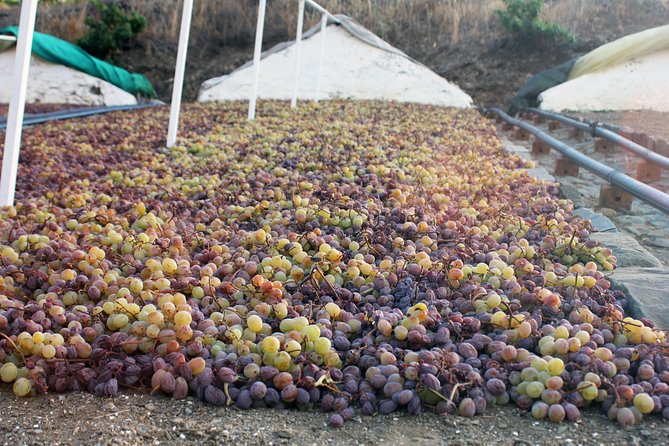
- A working cortijo visit where you see how muscatel raisins are made and you taste the result
- Almáchar’s Museo de la Pasa in a typical old house, with older tools and local context
- El Borge as the raisin route center, paired with a visit to the Raisin Interpretation Center
- Lunch at the Museum of the Bandits, in a place tied to local bandolero history
- Small group size (max 8) that keeps the pace relaxed and the questions coming
- Pickup in the Torre del Mar–Nerja belt makes it easy to show up and get going
Why this Muscat raisin route day feels different
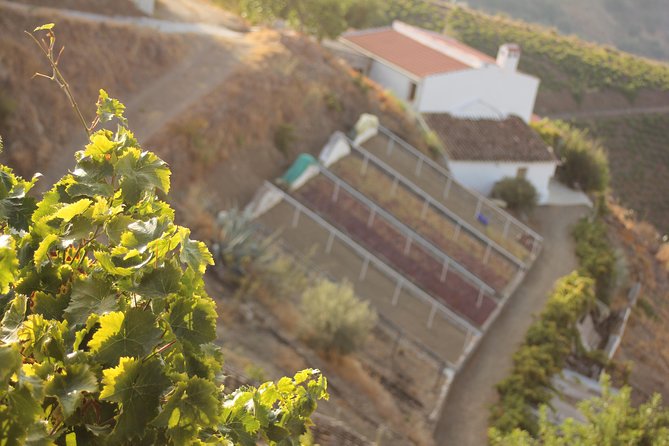
Most tours promise culture. This one pairs culture with a very specific reason the towns exist: raisin production from muscatel grapes. In Axarquía, drying and turning grapes into raisins is not a side story. It’s the economic thread that shaped how people worked, built, and lived.
The day is built around stages: a cortijo where you understand the process, villages where you see what that process created, and a meal that reflects local ingredients. If you like food history, this route makes the connection fast.
And even if you’re not a raisin super-fan, the tour helps you understand why muscatel raisins are different. Expect the kind of sweetness and size tied to the local grapes and the traditional system. It’s also a “real world” lesson in how food traditions can struggle when markets change.
You can also read our reviews of more tours and experiences in Malaga

Getting to the start: Malaga area pickup that actually works
This is a practical day trip, starting at 9:30 am. Pickup and drop-off are included if you’re staying on the coast from Torre del Mar to Nerja. If you’re elsewhere, you can ask for other pickup points.
You travel in a Mercedes Vito van, and the setup is built for comfort more than sightseeing from the window. You also get a mobile ticket, which is one less thing to worry about on a busy morning.
The guide is also your chauffeur, which helps the day stay smooth. Instead of juggling directions with multiple drivers, the pace is controlled and you’re not losing time trying to regroup at each change of location.
Stop 1 Almáchar: meeting the cortijo family and tasting muscatel raisins
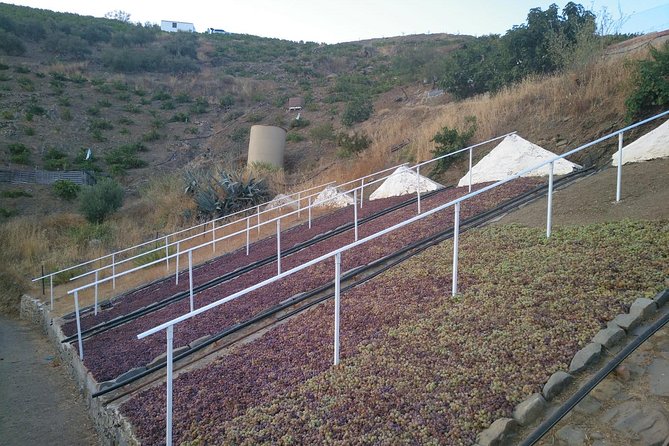
Your first major moment is the Andalusian cortijo, the place where the traditional raisin system is still used. This isn’t presented like a factory tour. It’s more like a guided walk through a working agricultural life—tools, methods, and the slow logic behind drying grapes into raisins.
You’ll see the traditional production steps used in the muscatel grape area of Axarquía. The tour highlights raisin heritage as something recognized beyond Spain, linked to long-standing agricultural know-how. You’ll learn why the region’s conditions and grape type matter for those famous raisins that are known for sweetness and size.
One of the smartest parts of this stop is the human factor. You meet the local family who produces raisins for a living and learn how their daily work fits into the harvest cycle. You’ll also get to try their sweet product, which makes the whole day click. It’s one thing to read about raisins; it’s another to taste the difference that comes from a specific grape and a specific process.
Practical note: bring comfortable shoes. Even if the walking isn’t long, cortijo terrain can be uneven.
Stop 2 Almáchar walk and the Museo de la Pasa
After the cortijo, the day shifts into town mode with Almáchar. Almáchar is treated as the muscatel grape capital in this area’s raisin story, and the walking portion helps you connect farming to place.
You’ll stroll through pretty streets with an official guide, then head to the Museo de la Pasa (Raisin Museum). What I like about this museum is the format: it’s based in a typical old house from La Axarquía. That means you don’t just see objects. You see objects in the setting of how people used to live in the region.
The museum also includes older tools used in past raisin work. That detail matters because it shows the effort and timing involved. Raisin-making isn’t passive sunbathing; it’s labor plus careful management.
Admissions are listed as free for this stop, which is a small budget relief that you’ll feel over a full day. And because you’re learning in sequence—farm first, town second—it’s easier to remember what each tool and display is meant to represent.
Stop 3 El Borge: raisin-route center and lunch at the Museum of the Bandits
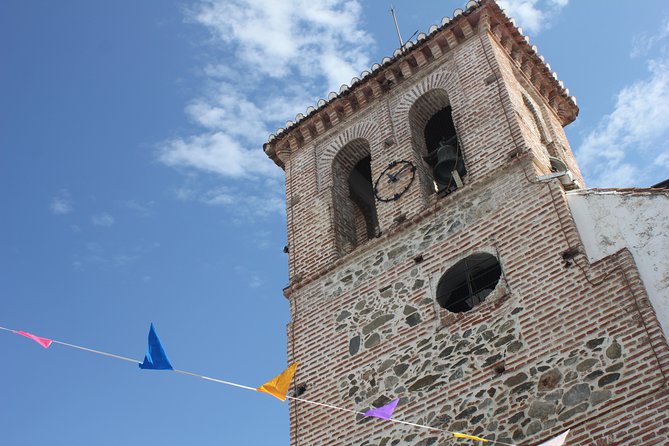
El Borge is where the tour leans into the “heart of the Raisin Route” idea. You’ll drive there and take a walking tour through the streets, with references to cultivation tied to the village’s economic base.
This stop also includes a visit to the Raisin Interpretation Center in El Borge, which helps organize everything you saw earlier. If you want the day to make sense as a single story, this is where it comes together: production methods, local geography, and why raisin heritage is still part of community identity.
Then comes the lunch, and it’s one of the best value moments of the day. You eat at a special place: the Museum of the Bandits. The setting used to be the house of the bandolero El Bizco from El Borge, and it’s now a restaurant known in the area.
Why that matters: you’re not just having lunch in a random place. You’re eating where local history and identity are part of the building. The menu is cooked with local products, and vegetarian options are available if you tell them ahead of time.
Two practical notes for lunch:
- The tour states the drink is not included, so decide in advance if you’ll budget for it.
- If you have allergies or special dietary needs, send them during booking. The tour asks you to do that for a reason.
Lunch runs long enough to slow the day down, so you don’t finish the tour running on empty.


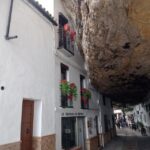


Stop 4 Moclinejo: short mountain-village walk and local history
To end, you go to Moclinejo, a small village tucked around mountains. This last stop is shorter: a brief walking tour to see key monuments and learn local history from your guide.
Even though it’s not the longest segment, it does something valuable. It widens the context beyond one village and shows how widespread the raisin-world influence is across Axarquía. It also adds variety in what you see—less museum, more streets and monuments.
The walking time here is listed as about 30 minutes, so it’s a manageable finale for most people. Still, keep in mind the day is outdoor-heavy in warm months. Sunscreen and a water bottle are not optional extras if you run hot.
Price and what you get for $100.88
At about $100.88 per person, this tour isn’t positioned as a cheap “bus and photo stops” day. The value comes from what’s included:
- Pickup and drop-off (with a specific service area along the coast)
- Small group size up to 8, which improves the experience and reduces wait times
- Guided visits across multiple locations, not just one
- Museum time built into the schedule
- Lunch included, cooked with local products
- A guide who also chauffeurs you (fewer handoffs, less confusion)
- Several listed admissions are free, including the museum stops
When you compare it to days where you pay separately for transfers, entrances, and a meal, the price starts to look fair. And because the tour is structured around a full learning story—from farm to museum to towns to lunch—you’re getting a whole-day narrative, not scattered stops.
Small group with max 8: the real benefit you’ll feel
The tour is capped at a maximum of 8 travelers, with a minimum of 3. That size matters on days like this. You don’t feel rushed, and you can ask questions without waiting for the guide to finish one long detour after another.
The day is also described as relaxed, with no stress. That’s not just marketing language. It affects how you experience each stop: you have time to look at tools, listen to explanations, and try the raisin tasting without the constant pressure of a tight schedule.
From what I see in how this kind of tour runs in Axarquía, the small group format is especially helpful because the production and traditions are detailed. People often want to know how the process works, what changed over time, and what’s at risk when it becomes less economically viable. A small group makes those conversations easier.
Tips to enjoy it without getting worn out
A few practical things will make this day smoother:
- Wear comfortable shoes. Village walking plus cortijo terrain can be rough on tired feet.
- Bring a water bottle. The itinerary includes multiple outdoor blocks, and warm months can be intense.
- Use sunscreen in hot weather. This isn’t a sit-in theater tour.
- If you get motion sick in cars, bring anti-sickness medication, because you’ll spend time traveling between stops.
- If you’re deciding between vegetarian or not, tell the operator at booking. Vegetarian is available, but you need to request it.
One last tip: go into the day curious. Raisins are the headline, but the bigger win is understanding how agriculture shapes community life.
Who should book this Muscat raisin route tour
This tour fits you best if you want:
- Food with real context, not just tasting
- A hands-on explanation of how muscatel raisins are produced in Axarquía
- A cultural day across small inland villages, not just a coastal wander
- A manageable walking load with a guide keeping things organized
It also works well for people who like smaller group travel. You get more back-and-forth, and the pace stays human.
If you’re traveling with a dog, the tour is described as dog friendly, but you need to contact them in advance. And if you have allergies or dietary restrictions, plan ahead at booking so the lunch menu can be adjusted.
Should you book it?
Book this tour if you like the idea of turning a single ingredient into a full-day story. The best part is the pairing of production + villages + lunch, which keeps the day from feeling like a checklist.
Skip it if you want a mostly low-walking, minimal-outdoor day, or if you hate cars and don’t handle movement well. Walking through village streets and traveling between inland stops are part of the deal.
If you’re on the Malaga coast and you want a meaningful, locally grounded day trip that actually teaches you something, this Muscat Raisin Route day is a strong bet. It’s not just about raisins. It’s about how a region’s work becomes its identity.
FAQ
What time does the tour start?
The tour start time is listed as 9:30 am.
How long is the Muscat Raisin Route tour?
The duration is approximately 8 hours 30 minutes.
Is hotel pickup included, and where is it available?
Pickup and drop-off are included for coast accommodations from Torre del Mar to Nerja. Other pickup/drop-off points may be available if you ask.
How big is the group?
It’s a small group with a maximum of 8 travelers (minimum 3).
What transport do you use?
You travel in a Mercedes Vito van.
Is lunch included, and what about drinks?
Yes, lunch is included as a menu using local products. Drink is not included.
Are vegetarian options available?
Yes, a vegetarian option is available. Let the operator know at booking.
Do I need to buy tickets for the museum?
Admissions are listed as free for the museum visits on the tour.
What languages is the guide available in?
The official guide is listed as available in English, German and/or Spanish.
Can I cancel for free?
Yes. Free cancellation is available if you cancel at least 24 hours before the experience start time for a full refund.