REVIEW · MARBELLA
Make Authentic Espadrilles Shoes in Marbella
Book on GetYourGuide →Operated by Handmade · Bookable on GetYourGuide
Espadrilles are more fun when you make them. In a Marbella workshop, you’ll learn how these classic shoes are built and why they became a fashion hit. I really like the hands-on pace and the way the craft feels practical, not like a museum demo.
The two things I came away appreciating most were the clear step-by-step guidance and the freedom to design your own pair—base size, stitching style, lace type, and lace color. One thing to consider up front: the classic version is geared to a flat base by default, so if you want a heel or wedge, you need to ask for the upgrade.
And yes, it can feel a bit tricky at first. Even with instruction, hand stitching and getting the lacing pattern right take some focus, so go in with patience and good shoes for standing in a workshop.
In This Review
- Key Highlights Worth Your Time
- First Stop: HANDMADE THE BRAND Shop in Marbella
- Workshop Setup: Tools, Materials, and What Espadrilles Actually Are
- The Crafting Flow: Stitch Your Pair at a Real Artisan Bench
- Choosing Between Flats and Wedges (Don’t Assume)
- The Espadrilles Story You’ll Actually Remember
- What You Take Home: A Wearable Souvenir With Real Meaning
- Price and Value: Is $102 Worth It?
- Who This Workshop Suits Best in Marbella
- Should You Book Make Authentic Espadrilles Shoes in Marbella?
- FAQ
- How long is the espadrilles making workshop?
- Is the workshop taught in English or Spanish?
- What’s included in the price?
- Can I make a version with a wedge or heel instead of flats?
- Are there lacing options taught during the workshop?
- Is this activity family-friendly, and is it accessible?
Key Highlights Worth Your Time
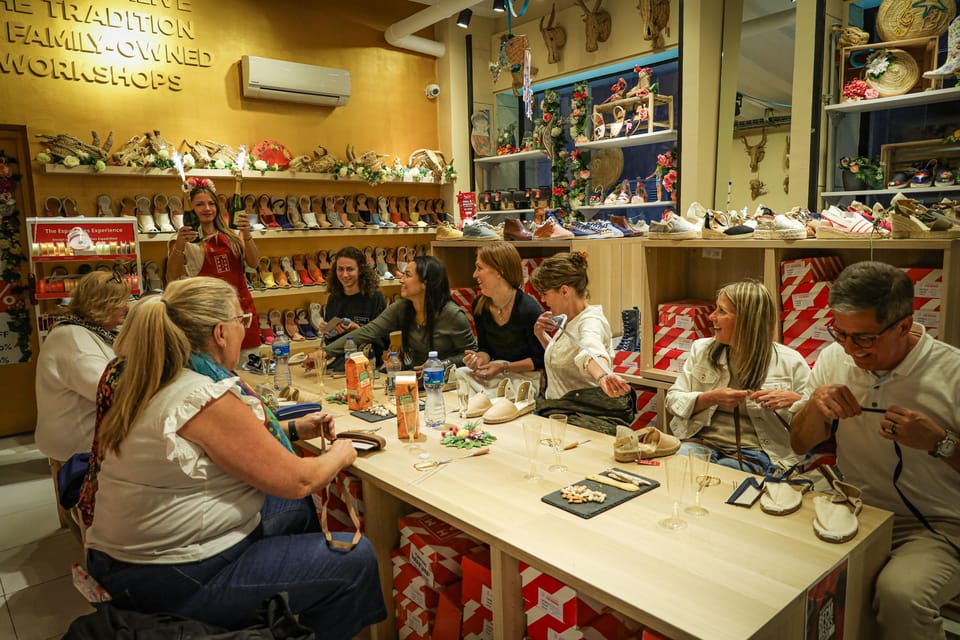
- Hands-on crafting: You stitch and assemble your own espadrilles, with guidance when it gets fiddly.
- Design choices: Pick the base size, stitching style, and lace color/type from a huge set of combinations.
- Materials and workshop context: You see the tools, materials, and finished products up close.
- Story behind the shoe: You’ll hear how espadrilles went from humble beginnings to modern fashion.
- Practical lacing instruction: You learn different ways to lace them so you can wear your pair confidently.
- Really good hosting: The vibe is friendly and well-run, with staff/instructors who explain things clearly, including English support and at least one guide named Angela.
First Stop: HANDMADE THE BRAND Shop in Marbella
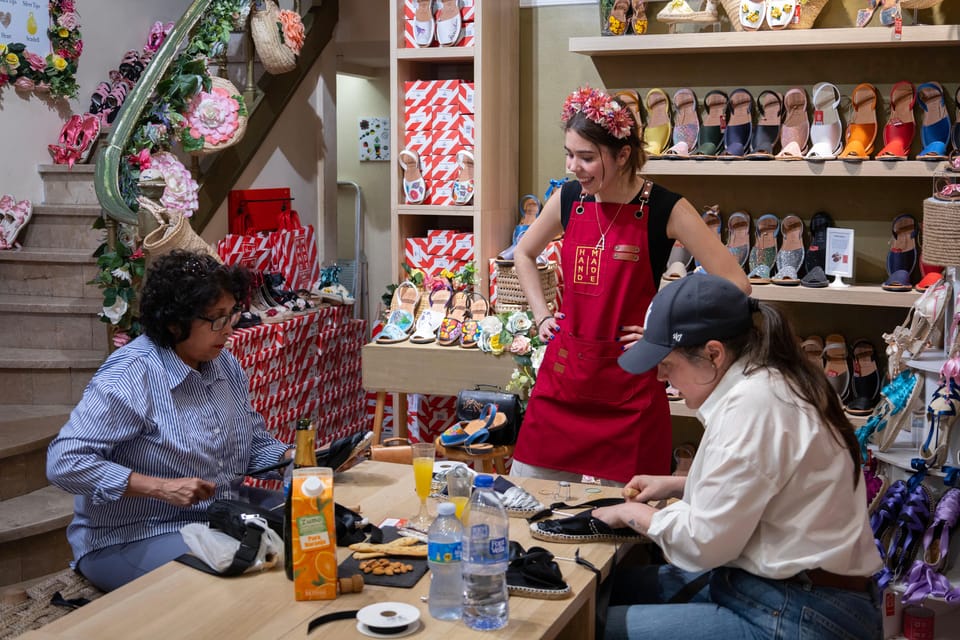
This workshop starts in a real workspace, not a staged studio. When you check in, you’ll meet the staff inside the HANDMADE THE BRAND shop, where artisans have the materials, tools, and finished products ready for you. The feeling here is that you’re about to get started, not just watch.
The meeting point matters because it sets expectations. You’ll be among ongoing craft items and people who know the process, so you should arrive ready to stand, move around, and get your hands involved. Also, the instruction is designed for a wide age range, from 5 to 99, which tells you the pace is approachable.
Language support is also a big plus. The instructor is listed as English and Spanish, so you can relax if your Spanish is basic or your English is the only option. For me, that kind of built-in language comfort makes the whole experience less stressful.
If you’re planning your day tightly, keep in mind the workshop is about 2 hours total. That’s long enough to make something real, but short enough that you can still keep other Marbella plans.
You can also read our reviews of more tours and experiences in Marbella.



Workshop Setup: Tools, Materials, and What Espadrilles Actually Are
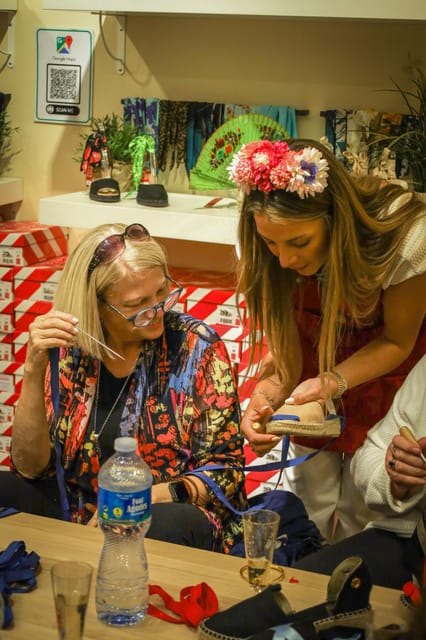
Before you touch anything, you’ll spend time in the workshop space where you can see what makes espadrilles work. You’ll be surrounded by materials and finished products, which helps you understand the shoe in layers instead of as one finished object. This is one of those moments where you start seeing how it’s built, not just what it looks like.
You’ll also learn the materials used for espadrilles. Even if you’ve seen them on vacation or in a shop window, you likely haven’t thought about how the base and stitching come together. In this kind of workshop, that knowledge becomes useful later when you’re choosing your own base and stitch style.
This is also where the story portion kicks in. You’ll hear about the tradition behind a humble people’s shoe and how it evolved into a fashion trend. That part is valuable because it turns your finished pair into more than a souvenir. You’re learning a reason for the look, not only the method.
And the mood is practical. There’s no pressure to be an expert crafter. The goal is that you leave with a pair you feel proud wearing, and the process is explained as you go.
The Crafting Flow: Stitch Your Pair at a Real Artisan Bench
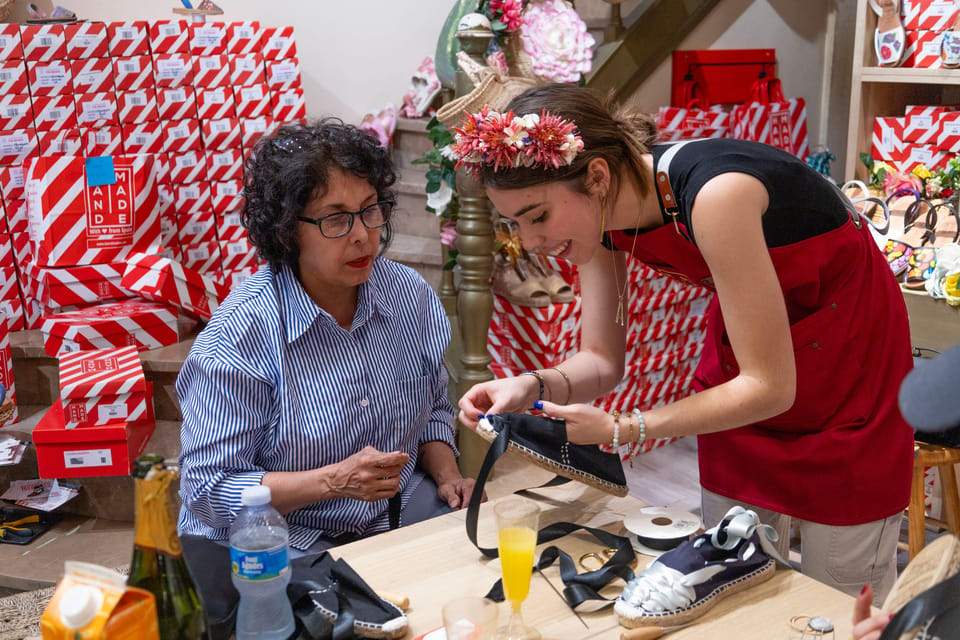
Once it’s time to craft, you’ll work with master artisans to build your pair from scratch. The structure is simple: pick your style choices first, then stitch and assemble your espadrilles with guidance. If you’re wondering whether you need prior experience, you don’t. The whole activity is designed so you can follow along and finish.
Here’s what you’ll do during the main making stage:
- Choose your base size (so it fits you when you take it home)
- Choose the stitching style
- Choose the lace type and lace color
This part is where the experience becomes personal. You’re not just selecting a pre-made design; you’re building a combination that matches your taste. And the workshop emphasizes choosing from a massive set of options—100k+ different combinations—so you’re unlikely to end up with the same exact look as someone else.
You’ll also learn different ways to lace them up. That’s not a throwaway detail. Espadrilles can look great on day one and still be annoying if the lacing is uncomfortable or confusing. This instruction gives you the confidence to wear the shoes the way you intended.
If you’re the type who worries about getting something wrong, I’d treat this as normal. One of the most praised parts of the workshop is how the explanation helps when you’re learning a new hand skill. The difficulty at the start is real, but the support is built into the experience.
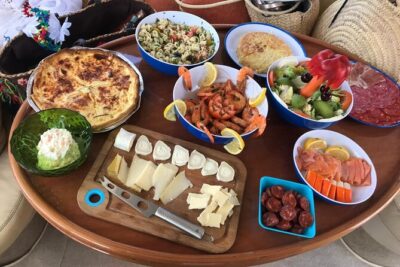
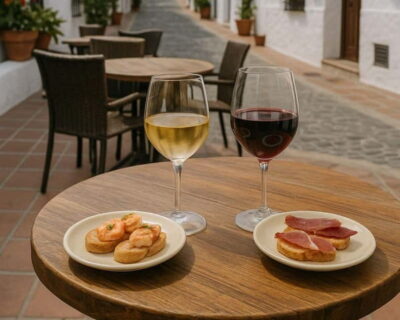
You’ll also have the option to enjoy cava or non-alcoholic drinks, and you can tell the team what you prefer. Snacks are included too. That matters because you’re working with your hands and standing for stretches, and a little fueling keeps the mood cheerful instead of rushed.
Choosing Between Flats and Wedges (Don’t Assume)
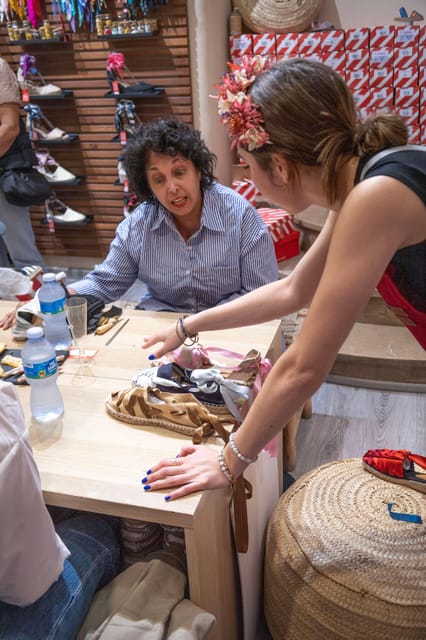
The workshop description is clear that the classic version makes the flat traditional base. If you want a high heel, wedge, or platform, you can ask the artisans for an upgrade, with a premium wedge base available.
This is the main decision point I’d flag. If heel styles are important to you, mention it early so you’re not stuck adapting mid-workshop. If you don’t care, then flats are straightforward and true to the classic look.
Also, if you’re planning to wear the espadrilles soon after making them, think practically. Flats are easier to get comfortable with quickly. Wedges can be just as fun, but you’ll want to be sure they’re the style you want before your stitches are set.
The Espadrilles Story You’ll Actually Remember
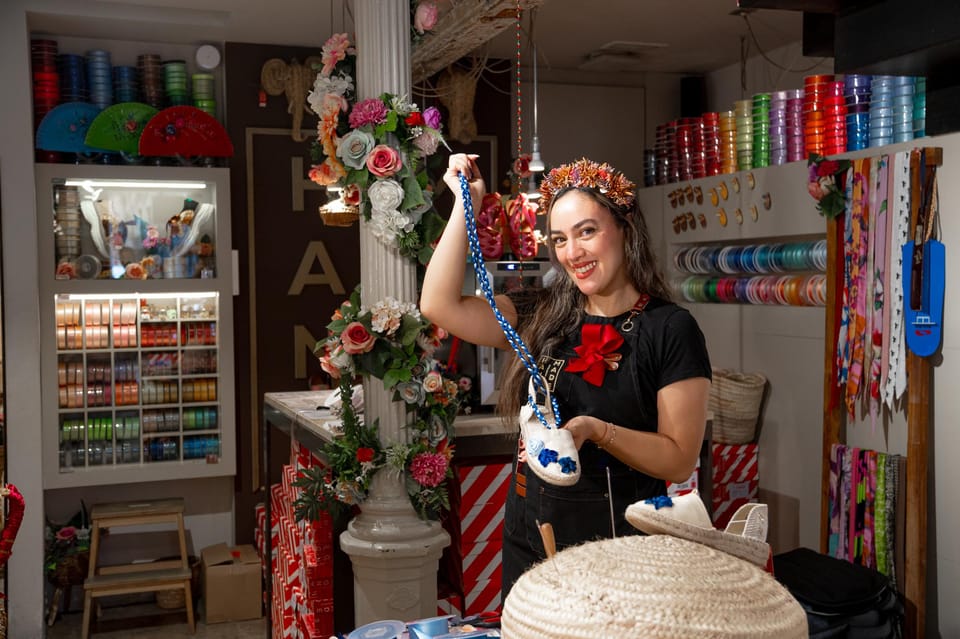
The best craft workshops do two things: you make something, and you understand it. Here, you get the story of espadrilles going from humble beginnings into modern fashion. The workshop frames it as a tradition that many people know through style now, but started as an accessible shoe for everyday life.
That context is useful because it shapes how you talk about your pair when you get home. Instead of saying you bought espadrilles in Marbella, you’ll be able to explain how they’re made and why the design made its way into mainstream trends.
Even if you’ve seen espadrilles at beach resorts or in city boutiques, this is where you connect the dots between craft and culture. And because you’re making the shoes yourself during the story, the information sticks.



What You Take Home: A Wearable Souvenir With Real Meaning
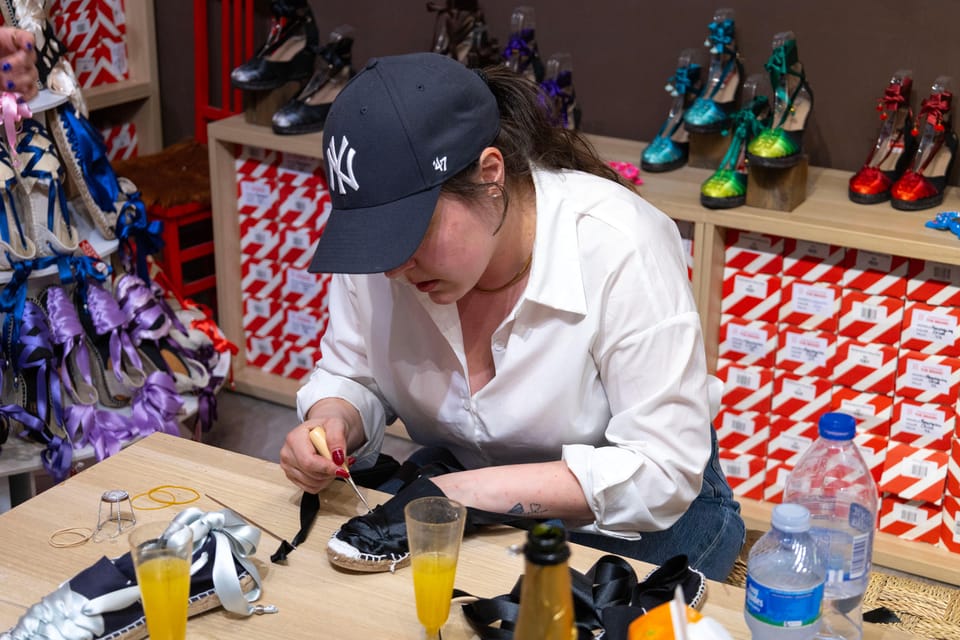
At the end, you get a pair of espadrilles that you created and can take home. That’s the big difference between this and many “local experience” tours where you just get a certificate and photos. Your pair is functional—something you can wear and enjoy, not only display.
And there’s a nice emotional payoff: stepping into your own creation. It’s a small moment, but it’s exactly why this is worth doing on vacation. You’ll feel like a true artisan because you literally did the work.
There’s also a practical souvenir angle. Espadrilles are lightweight and travel-friendly compared with fragile items. If you pack carefully, your handmade pair can be a legit suitcase find rather than a bulky purchase.
One more plus: the workshop isn’t tied to one look. Because you can choose style and lace details, you’re more likely to end up with shoes you’d actually wear at home.
Price and Value: Is $102 Worth It?
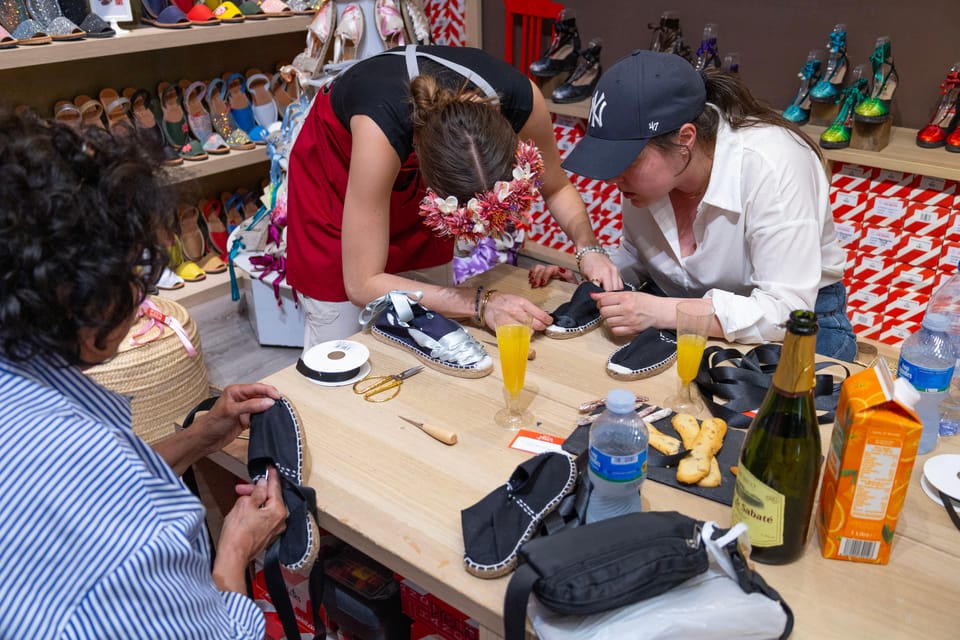
At about $102 per person, this workshop may sound like more than a typical tourist activity. But the value is tied to what you get for that price: a workshop visit, instructions, snacks, cava or non-alcoholic drinks, and the completed pair of espadrilles you take home.
You’re paying for:
- Time with artisans who guide you through a hands-on craft
- Materials and setup inside the workshop
- Your personalized design (base, stitch, lace choices)
- A final product you’ll use
If you’re the kind of traveler who likes experiences that produce something real, the cost makes sense. If your idea of a good day is more sightseeing and less hands-on work, it may feel pricier than other half-day options. But even then, the fact that you leave with wearable shoes—plus the historical context—helps justify the spend.
In plain terms: this is not a quick photo stop. It’s a full craft session with a built-in souvenir, so you get both the making and the meaning.
Who This Workshop Suits Best in Marbella
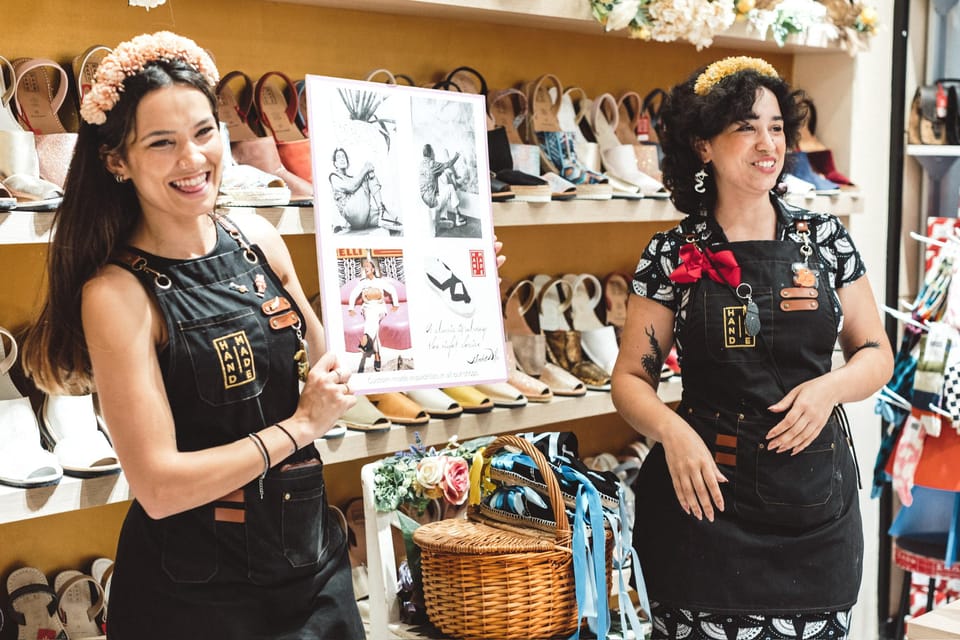
This is a good fit if you want an authentic local craft experience without needing advanced skills. It’s also ideal for travelers who enjoy design choices and want to leave with something personal.
I’d especially recommend it for:
- Couples or small groups who like doing one memorable activity together
- Anyone who wants a souvenir that isn’t just a magnet
- People who enjoy learning how things work, not only where to go
- Families, because the experience is designed for a wide age range (5 to 99)
If you’re traveling with limited time, two hours is manageable. And if you’re worried you’ll struggle, the strong guidance is part of the appeal. The workshop is set up so beginners can succeed with help.
Should You Book Make Authentic Espadrilles Shoes in Marbella?
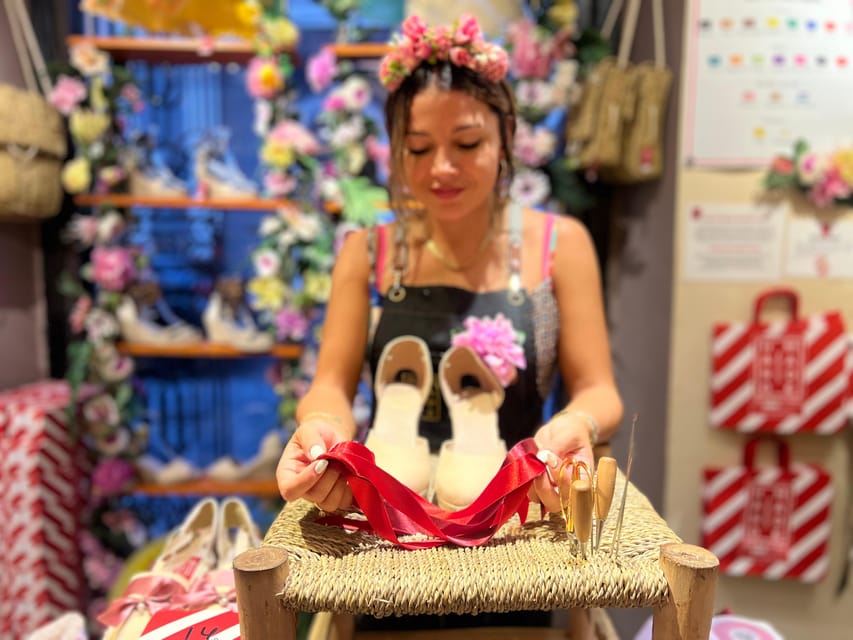
Book it if you want a hands-on craft in a real workshop setting, with clear instruction, snack-and-drink comfort, and a souvenir you’ll actually wear. The parts that feel most “worth it” are the design freedom, the step-by-step support, and the practical lacing lessons that help you use your finished pair comfortably.
Skip it (or consider alternatives) if you dislike focused manual work or you’re expecting a mostly sightseeing experience. This is about making. Your hands will be busy, your brain will learn a craft rhythm, and you’ll leave with something tangible.
If you do book, one small tip: decide your shoe style preference—flat versus wedge/heel—before you start. That one conversation can save you stress and make sure your finished pair matches your expectations.
FAQ
How long is the espadrilles making workshop?
The experience lasts about 2 hours.
Is the workshop taught in English or Spanish?
Yes. The instructor provides guidance in English and Spanish.
What’s included in the price?
The workshop includes a visit to the workshop, instructions, snacks, cava or non-alcoholic drinks, and a pair of espadrilles shoes.
Can I make a version with a wedge or heel instead of flats?
The classic version uses a flat traditional base. If you want a high heel, wedge, or platform, you should ask the artisans for an upgrade (a premium wedge base is available).
Are there lacing options taught during the workshop?
Yes. You’ll learn different ways to lace your espadrilles after the making part.
Is this activity family-friendly, and is it accessible?
It’s designed for ages 5 to 99. It is also wheelchair accessible, and the workshop offers private or small groups.