Malaga’s secrets start at a Roman port gate. This private walking tour strings together some of the city’s best-known landmarks with story-driven stops, from the Dark Door to Alcazaba and Picasso’s world around Plaza de la Merced. I especially like the guide-led details (you’ll hear meanings behind Malaga’s name and symbols, plus how Roman life worked in the 2,000-year-old theater), and I like that the route is paced for real wandering rather than a quick checklist.
There is one catch: a few stops may require separate entry tickets, and Alcazaba involves a climb and descent that’s roughly 40 minutes. If you have moderate fitness and you’re okay budgeting a little extra, this is a very fun, high-value way to get oriented fast in Malaga.
In This Review
- Key things you’ll notice on this tour
- Starting at the Dark Door: the Roman port-gate origin story
- Gardens, exotic plants, and the alley of 100-year-old civic buildings
- Alcazaba: why the fortress still shapes Malaga’s view
- The 2,000-year-old Roman theater and what you learn from seating
- Plaza de la Merced: Picasso’s birthplace square, monument, and the obelisk
- The church linked to Picasso’s baptism and the art that people go back for
- Malaga Cathedral: the unfinished structure and how a mosque element fits
- From the old main square to New Year’s Eve rituals at midnight
- The end of the walk on Calle Marqués de Larios
- Price and logistics: when $101.27 per group feels like a smart deal
- Who this private Malaga walk suits best
- The guiding style matters: Elmira’s kind of storytelling
- Should you book this private walking tour of Malaga?
- FAQ
- How long is the private walking tour in Malaga?
- What is the price for this tour?
- Is the tour private?
- What language is the tour offered in?
- Where does the tour start and end?
- Is a mobile ticket provided?
- Which monument entrances might cost extra?
- What fitness level is required?
- Is there free cancellation?
Key things you’ll notice on this tour
- The Dark Door start: a Roman-era port gate setting that frames the city’s identity from minute one
- A plant-and-street segment: 155 varieties of exotic plants, plus a look at buildings around 100 years old
- Alcazaba access is optional: you’ll hear the Arab fortress story and decide on the entrance ticket on the day
- Picasso in the “real places”: Plaza de la Merced, the monument, and the baptismal church are part of the narrative
- Cathedral context before you enter: you learn how different styles—and a mosque element—fit into the unfinished cathedral
Starting at the Dark Door: the Roman port-gate origin story
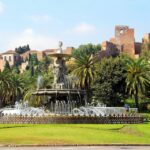
You begin at the Estatua del Biznaguero area in Jardines de Pedro Luis Alonso, then head toward the meeting spot known as the Dark Door. The guide starts with what this place used to be: a port gate from Roman times. That matters because it gives you a map-in-your-head. You’re not just walking past pretty streets—you’re tracing how Malaga’s location shaped its power and its movement of people.
From there, you’ll learn what Malaga’s name connects to, and how its symbols tie back to the city’s past. It’s the kind of opening that helps everything click later when you reach the Moorish and Roman layers.
I also like that this early intro doesn’t feel like a lecture. It’s tied to landmarks you’ll see right away, so you get context while your eyes are still “fresh.”
You can also read our reviews of more walking tours in Malaga
Gardens, exotic plants, and the alley of 100-year-old civic buildings
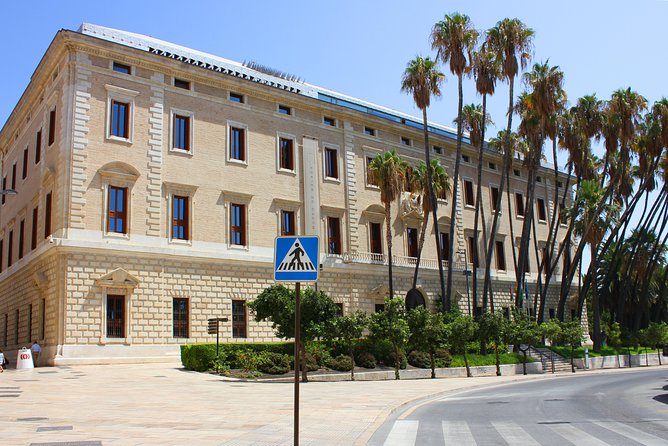
One of the most distinctive parts of this route is the segment in the park area. You’ll hear that there are more than 155 varieties of exotic plants, and the guide shares facts that make you look twice at ordinary-looking greenery.
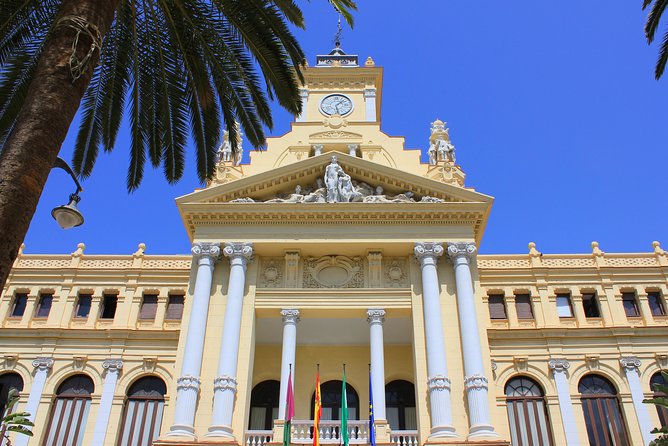
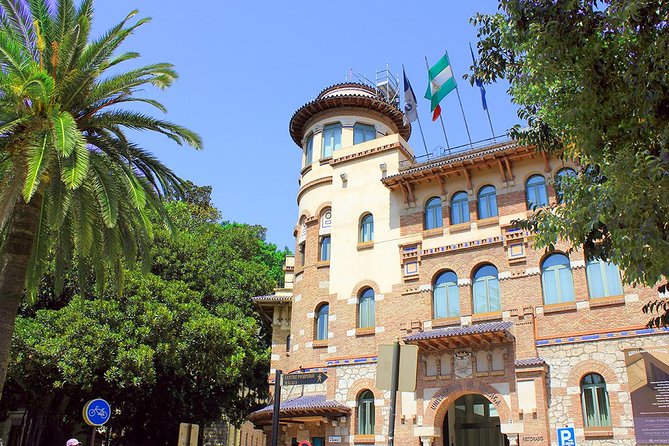
Then you walk along an alley where you can see buildings built about 100 years ago—including the Town Hall, Malaga city university, and Spain’s national bank. This is a smart break from stone-and-towers touring. You get a calmer pace, and the plant talk also gives you an easy topic to ask questions about.
Practical tip: since you’re spending time outdoors before the climbs, wear comfortable shoes and consider something to protect your head and face if the sun is strong.
Alcazaba: why the fortress still shapes Malaga’s view
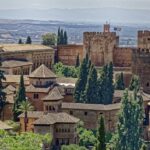
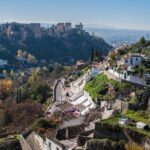
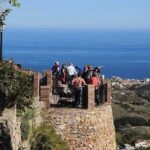
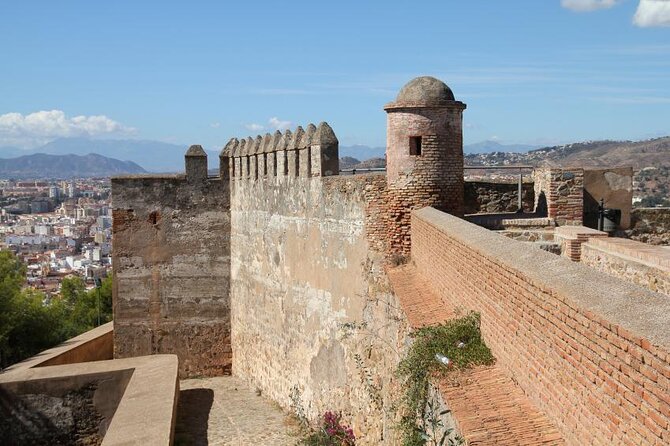
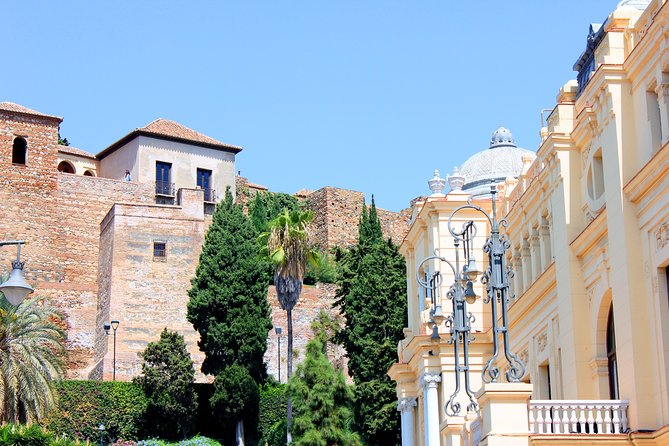
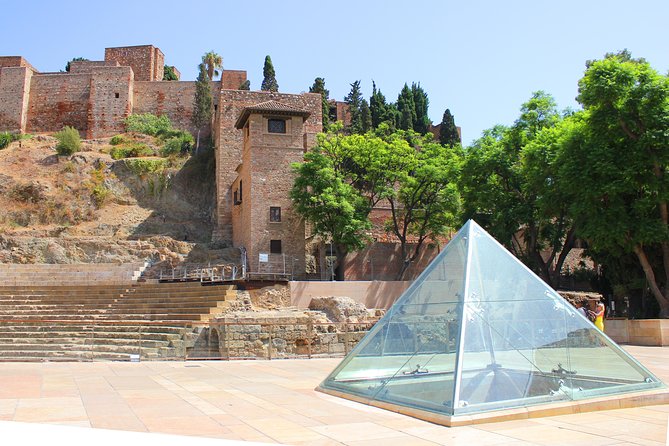
Alcazaba is where the tour’s walking earns its payoff. Built by Arabs around 1,000 years ago, it’s a fortress you can feel in your body—because you’ll likely spend about 40 minutes climbing up and coming back down. The guide connects Alcazaba to the long, multi-century conflict between Moors and Christians, described here as an eight-century war, and then layers in some legends tied to the site.
Two things I like about how this stop is handled:
First, the story doesn’t treat Alcazaba like a museum. It explains why the fortress was designed the way it was and what it protected.
Second, the entrance is described as something you can decide on—your guide will tell you what’s possible, and you’ll handle the Alcazaba ticket (3.5 euros) separately if you choose to visit.
Possible drawback: if you don’t enjoy steep walking, this may be the hardest part of the whole tour. It’s also a good reminder to wear footwear with grip and to take your time on the ascent. The climb is part of what makes the viewpoints worth it.
The 2,000-year-old Roman theater and what you learn from seating
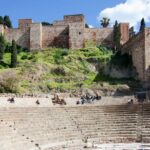
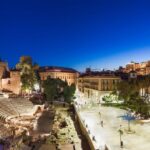
After Alcazaba, the tour pivots to an older layer of Malaga: a 2,000-year-old Roman theater discovered by accident. That detail makes the stop feel less like a random ruin and more like a story of discovery.
You’ll learn where the seats for women and men were located, and you’ll also hear about the status of actors in Roman times. That last bit is especially useful, because it changes your understanding of the space. A theater isn’t just architecture—it reflects how society viewed performance and public life.
Even if you’re not a “Roman ruins” person, I think you’ll enjoy this stop because it gives you social context. It’s not just stone; it’s what people did in that stone.
Plaza de la Merced: Picasso’s birthplace square, monument, and the obelisk
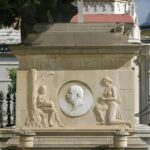
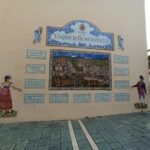
Plaza de la Merced is one of the most famous squares in Malaga, and this tour uses it for a strong narrative. You’ll see the Birthplace of Pablo Picasso and the Picasso monument. The guide shares facts about his birth and childhood that help you understand why this square matters beyond name recognition.
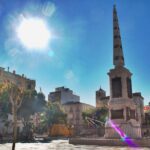
Then you’ll notice the obelisk dedicated to the death of a Spanish revolutionary. That adds political texture to what might otherwise feel like a purely arts-focused stop.
There’s also an optional add-on: if you want to go deeper, the tour can include a visit to the house where Picasso was born, described as about 15 minutes. The entry ticket for this is listed as 3.5 euros and is not included in the tour price. If you love Picasso, it’s a nice way to turn a square stop into something more personal and grounded.
One caution: this is still a walking tour with a fixed timeline of about 2 hours. So if you want the extra house visit, arrive ready to move quickly between stops and ask your guide what fits best on your day.
You can also read our reviews of more private tours in Malaga






The church linked to Picasso’s baptism and the art that people go back for
From Picasso’s square, you’ll continue to a church famous as the place where Picasso was baptized. You’ll also see its sculptures and religious paintings, and you’ll hear about the tradition that these works grant wishes.
This stop works for two types of visitors:
- If you like art and symbols, you’ll enjoy learning what to notice in the religious imagery.
- If you prefer culture through people’s stories, the Picasso-baptism link keeps the stop grounded in real life events, not just architecture.
If you’re short on time, you can still get a meaningful feel for the church without rushing. Just be sure you’re respectful of the space and any quiet rules in place.
Malaga Cathedral: the unfinished structure and how a mosque element fits
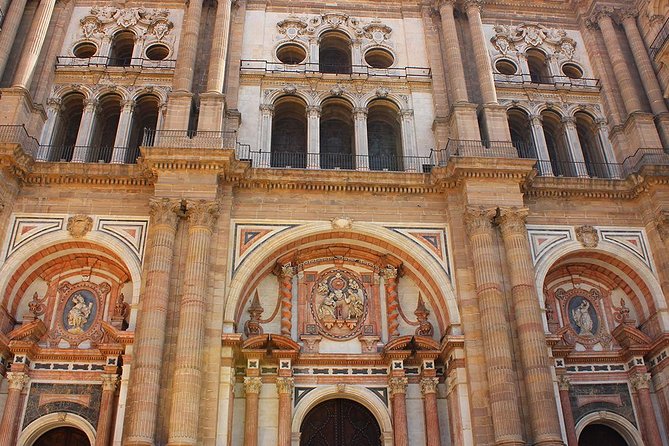
Next comes Malaga Cathedral, described as unfinished—and presented as the city’s gem for how it mixes different styles, including a part that connects to a Muslim mosque. That combination is one of the most interesting ways to understand Malaga’s layers: Christian and Islamic eras aren’t floating separately; they overlap in the same physical footprint.
If access is possible, the tour aims for a visit that normally takes 20–30 minutes, and the ticket is 7 euros, not included in the tour price.
Why I think this cathedral stop is worth doing on a guided walk: it’s easy to see a large building and miss the logic behind its construction. With the guide’s framing, you’ll likely spot the different elements more clearly and understand why the unfinished look isn’t just a flaw—it’s part of the story.
From the old main square to New Year’s Eve rituals at midnight
You’ll also stop at a main square that connects the port and the city center. Historically, it was used for bullfights and executions, which is a heavy reminder that civic spaces in older cities often served multiple roles.
The tour then adds a tradition people still associate with the square: on New Year’s Eve, when the chimes strike 12, you make a wish, eat 12 grapes, and believe it will come true. Even if you’re not visiting around the holidays, the guide’s explanation helps you understand how the modern ritual is tied to the space’s public importance.
If you’re a person who likes cultural habits (not just monuments), this is one of the most memorable “story stops” because it turns a physical place into a living tradition.
The end of the walk on Calle Marqués de Larios
The tour finishes on Calle Marqués de Larios, a main street with a nickname you’ll hear during the walk. The guide shares the story behind the founder and includes a detail about how the city was disinfected at the expense of architecture.
That last line is a great example of why a guide matters here. You walk past buildings and assume they’re just old. But you learn what changed, why it changed, and what people were willing to trade for public health and cleanliness.
After the tour ends, you’ll be placed right in the center of Malaga’s main shopping and strolling area. It’s an easy spot to continue on your own—grab a coffee, keep wandering, and use what the tour taught you to navigate more confidently.
Price and logistics: when $101.27 per group feels like a smart deal
The price is $101.27 per group for up to 10 people, for about 2 hours. In other words, it’s not priced like an attraction entry—it’s priced like a private “story guide” for your group size.
This can be good value if:
- You’re traveling with 3–6 people and want something you can actually talk through (not just follow a line).
- You want flexibility within the route, like whether you add the optional monument entries.
- You prefer a focused 2-hour plan rather than a full half-day.
The main “cost add-on” to plan for is entrances you handle separately: Alcazaba (3.5 euros) if you go in, the Picasso birthplace house (3.5 euros) if you choose that option, and Malaga Cathedral (7 euros) if access works out.
As a practical matter, you’ll get the most satisfaction if you treat those tickets as part of the itinerary plan, not surprises. Your guide will tell you what’s included in the walk and what’s separate, so you can decide on the spot.
Who this private Malaga walk suits best
This is a private tour/activity, so you won’t be merged into a large crowd. Based on what’s described, it’s a strong match for:
- Couples and small groups who want a relaxed pace and time to ask questions
- People who want a “first-time Malaga” route that mixes Roman, Arab, and modern stories
- Visitors with moderate physical fitness, since there’s a noticeable climb related to Alcazaba
It may be less ideal if:
- You want only fully level walking with no climbs
- You hate managing optional entry tickets during a tour
- Your group only wants a museum-style itinerary with minimal strolling
The guiding style matters: Elmira’s kind of storytelling
One recurring theme from experiences is how much the guide shapes the mood. In the best versions of this tour, you get a guide who’s funny, efficient, and sharp with details—someone like Elmira, who’s described as making people feel taken care of from the moment the day starts. That kind of start matters if you’re arriving by cruise or you’re trying to get the city under your feet quickly.
You’ll also benefit if your group likes conversation. The tour format is clearly set up for questions, not silent head-nodding.
One more note: some groups have been able to add a moment like sharing a drink in a memorable bar while still keeping the tour’s history moving. If your guide suggests a quick stop, it’s a nice way to turn the walk into something more like an evening in Malaga.
Should you book this private walking tour of Malaga?
Book it if you want a 2-hour private route that helps you understand Malaga fast—through a Roman-port gate start, gardens and civic buildings, the Arab fortress of Alcazaba, Picasso’s places, and an unfinished cathedral with mosque connections. The structure gives you a clear sense of the city’s layers, and the guided storytelling keeps each stop from feeling random.
Skip it or adjust expectations if your top goal is only ticketed indoor sights with no extra costs, or if your group struggles with the Alcazaba climb. Also, if you’re allergic to separate monument tickets, read your choices carefully for Alcazaba, Picasso’s house visit, and the Cathedral.
If you like walking that’s story-led and practical—this is a very solid pick for your first days in Malaga.
FAQ
How long is the private walking tour in Malaga?
It lasts about 2 hours.
What is the price for this tour?
The price is $101.27 per group, up to 10 people.
Is the tour private?
Yes. It’s a private tour/activity, and only your group participates.
What language is the tour offered in?
The tour is offered in English.
Where does the tour start and end?
It starts at Estatua del Biznaguero in Jardines de Pedro Luis Alonso (C. Guillén Sotelo, 31, Distrito Centro, 29016 Málaga) and ends on Calle Marqués de Larios (Calle Marqués de Larios, Distrito Centro, Málaga).
Is a mobile ticket provided?
Yes, the tour includes a mobile ticket.
Which monument entrances might cost extra?
Alcazaba has a listed ticket of 3.5 euros, and Malaga Cathedral has a listed ticket of 7 euros. The Picasso birthplace house option is also listed at 3.5 euros. These are not included in the tour price.
What fitness level is required?
The tour is recommended for people with a moderate physical fitness level.
Is there free cancellation?
Yes. You can cancel for a full refund up to 24 hours in advance of the experience’s start time.