REVIEW · MALAGA
Málaga: Museo del Automóvil y la Moda Ticket
Book on GetYourGuide →Operated by Museo Automovilistico y de la Moda · Bookable on GetYourGuide
Cars meet couture in Malaga. The Automobile and Fashion Museum in La Tabacalera pairs immaculate Cadillacs with slick English icons like Rolls-Royce (and you’ll also see Jaguar), all mapped across decades of design. The only catch is it sits a bit out of central Málaga, so you’ll want to plan transport before you go.
With this pre-booked entrance ticket, you can wander at your own pace for about 50 minutes, with an optional guided tour add-on if you want extra commentary. If your timing lines up, Sunday at 12:30 brings the activity Running the Engines, when some vehicles are started so you can hear what they sound like.
The museum is in La Tabacalera, a former tobacco factory built in 1923 and now turned into a stylish museum space. It’s an easy stop to slot into a day trip because there’s free parking and even a free WiFi area on site.
In This Review
- Key Things I Think You Should Know First
- What You’re Really Buying With the Malaga Car and Fashion Ticket
- La Tabacalera: Touring a Former Tobacco Factory Built in 1923
- How the 50-Minute Plan Works (Self-Guided vs Optional Tour)
- The Museum Route: Past, Present, and Future of Automobile Design
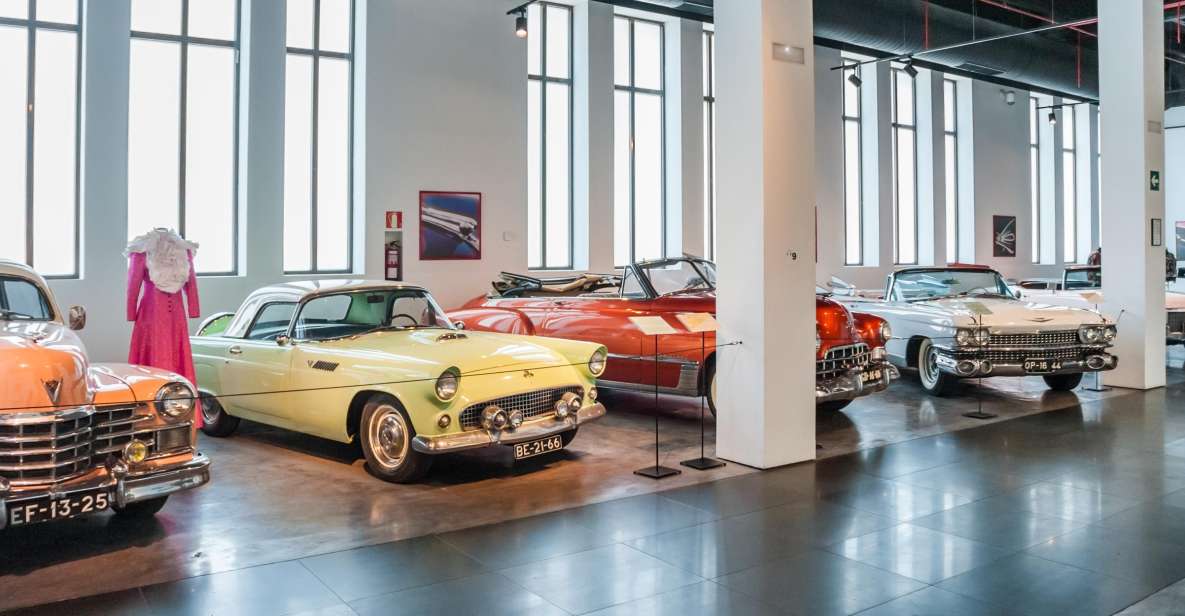
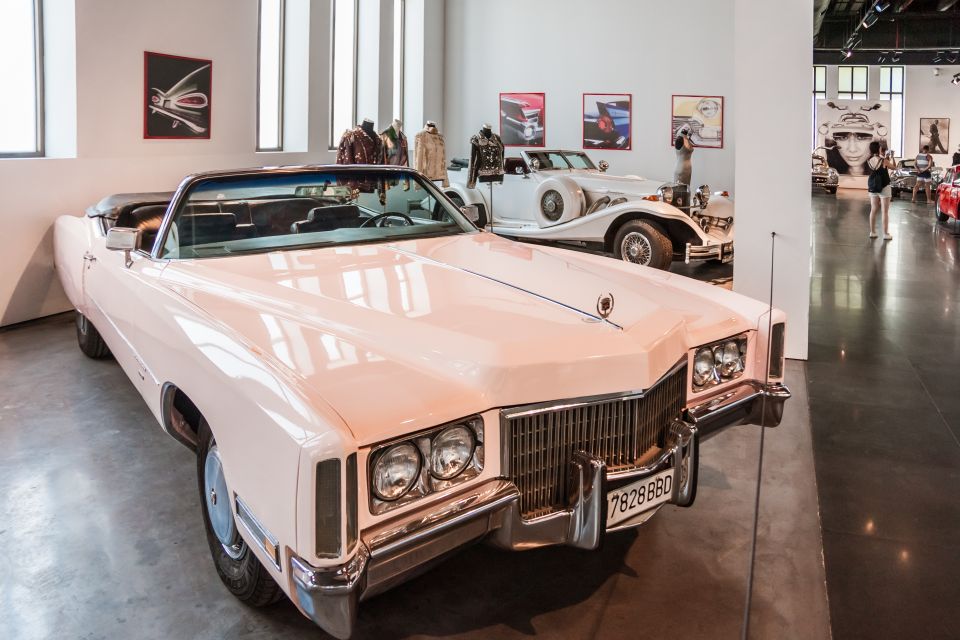
- American Dream Cars and the Cadillac Collection
- English Heritage Branding: Rolls-Royce and Jaguar Details
- Fashion Rooms: Clothing by Era (Including a Virtual Dior Moment)
- Alternative Energy Vehicles: The Future Section That Isn’t Just Talk
- The Popular Cars Timeline: Austin Seven, Morris Minor, and Velorex
- Sunday at 12:30: Running the Engines (The Sound Bonus)
- Price and Value: Is $14 Worth It?
- Practical Tips: Parking, Bags, WiFi, and What to Bring
- Who This Museum Ticket Fits Best
- Should You Book This Malaga Museum Ticket?
- FAQ
- How much is the Malaga Automobile and Fashion Museum ticket?
- How long does the visit take?
- Where is the meeting point?
- Is the visit self-guided, or do I get a tour?
- If I select the guided tour, do I still need a museum ticket?
- Is parking included?
- Is there WiFi on site?
- What is Running the Engines?
- What should I bring for entry?
- What items are not allowed inside?
Key Things I Think You Should Know First
- La Tabacalera (1923) is part of the show: you’re touring in a former tobacco factory that now works like a creative museum stage.
- Cars and fashion are paired by era: you don’t just look at vehicles; you see design choices reflected in clothing and styling from the same periods.
- Alternative-energy vehicles are included: the collection reaches beyond gas-and-steam nostalgia into cars designed for different energy sources.
- Sunday at 12:30 can include engine starts: Running the Engines lets you listen and learn more about power.
- It uses a helpful “popular-car” timeline: there’s a set of nine widely recognized cars through history, including an Austin Seven, Morris Minor, and a 1960s Velorex.
- It’s flexible: you can go self-guided with your ticket or add a guided tour, plus there’s free parking and on-site WiFi.
What You’re Really Buying With the Malaga Car and Fashion Ticket
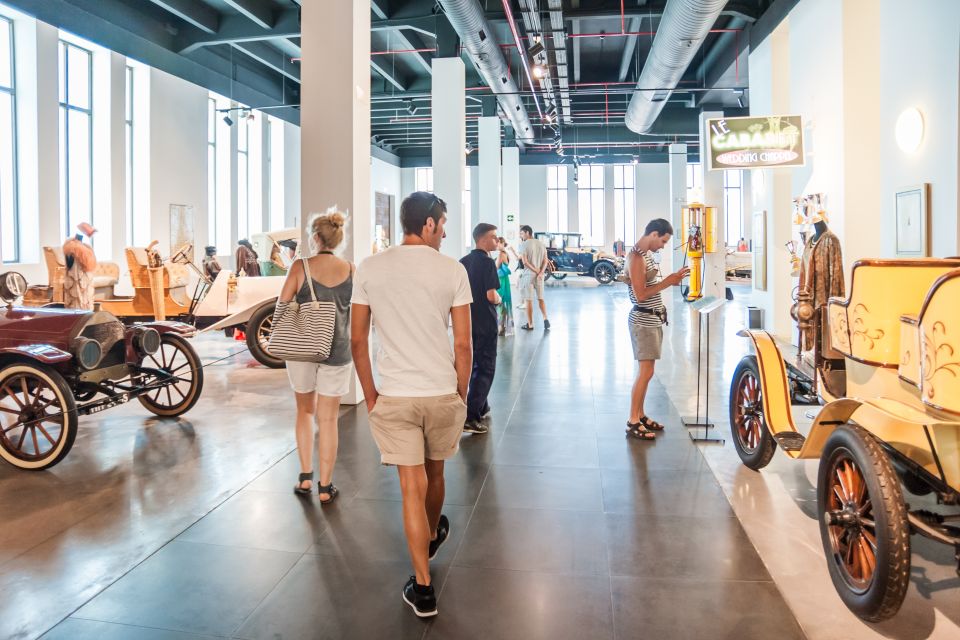
This is a straight-up museum ticket with built-in flexibility. You’re paying for access to the Automobile and Fashion Museum in Málaga, plus the freedom to explore themed collections on your own. The typical visit length is listed at 50 minutes, which is a good target if you’re the type who likes to read the labels and actually look, not just power-walk.
There’s also an optional guided tour you can add if you want someone to point out details and connect dots between design, technology, and style. The ticket info also makes one thing clear: if you pick the guided tour option, you still need your museum entrance ticket for the collection itself.
And for the value angle: for $14, you’re getting more than a car exhibit. You’re stepping into a museum that mixes vehicle history with fashion history, plus a bit of performance-style fun on Sundays.
You can also read our reviews of more tours and experiences in Malaga



La Tabacalera: Touring a Former Tobacco Factory Built in 1923
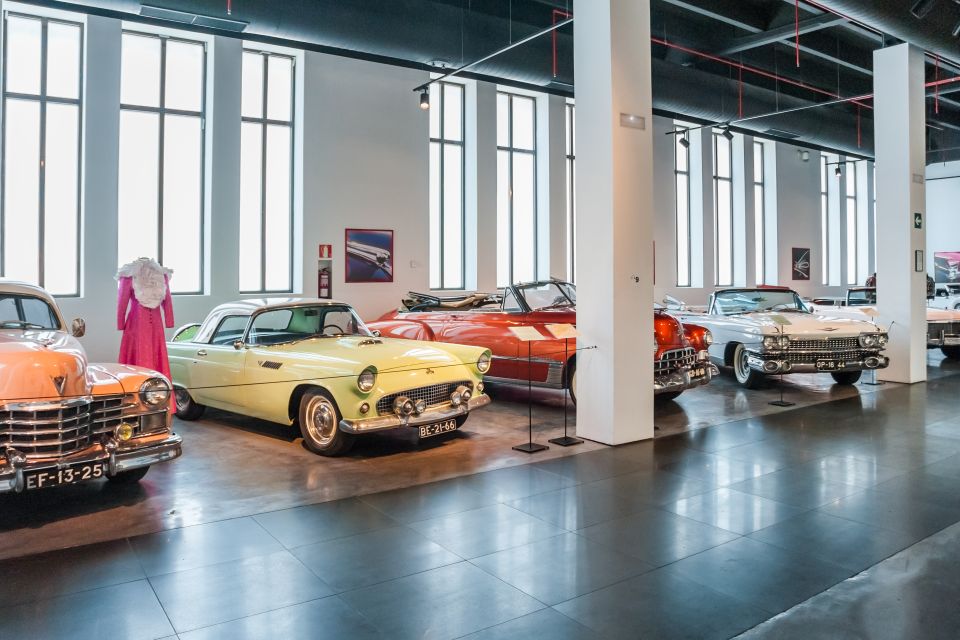
Location matters here. The museum is housed in La Tabacalera, a former tobacco factory built in 1923 and later converted into a museum space. That old industrial shell does two useful things for your visit.
First, it makes the experience feel more like a design gallery than a stuffy warehouse. The museum is set up for walking, with themed areas that help you follow the collection without getting lost.
Second, it helps with comfort. Some visits mention the interior feeling cool and easy to spend time in, which matters in Málaga’s warmer months. You can plan to linger on the details without feeling rushed.
Practically, you’ll find the meeting point listed as Avenida Sor Teresa Prat, 15-29003 Málaga. If you’re using a taxi or rideshare, that address is the cleanest anchor.
How the 50-Minute Plan Works (Self-Guided vs Optional Tour)

This ticket is built for self-guided wandering. You enter, and then you move through the museum’s themed collections at your own pace. The visit length is listed at 50 minutes, but you don’t have to treat it like a stopwatch. If you’re especially into cars, you might stretch it a touch by spending more time at the major displays and reading the short story panels.
If you choose the optional guided tour, you’ll get extra commentary. The key idea: the guided tour is helpful if you want someone to explain why certain cars are important and how fashion choices mirror what people were wearing and valuing at the time. If you’re more of an independent “read the placards and go where you want” person, the self-guided option works well too.
The Museum Route: Past, Present, and Future of Automobile Design
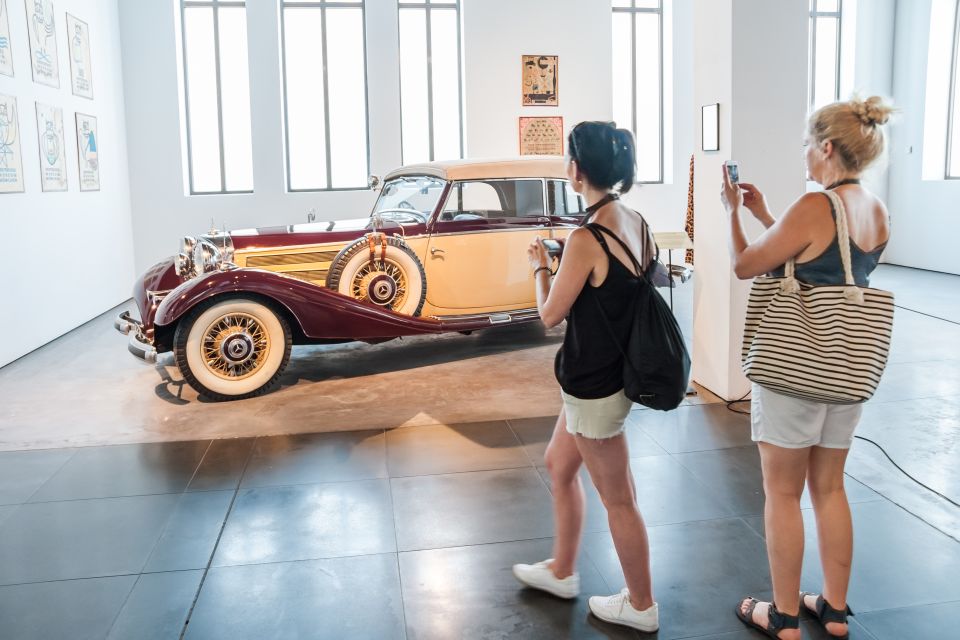
The collection is divided into themed areas that map the evolution of car design. You’re meant to walk through past, present, and future rather than just see a random lineup of vehicles.
What that means for you in the galleries:
- You’ll encounter early, rarer models, including late 19th-century vehicles.
- You’ll move forward into eras where styling becomes a bigger part of identity, such as the “Roaring ’20s.”
- You’ll also see technology-forward cars, including vehicles designed to run on alternative energy sources.
This structure is actually useful. Instead of trying to remember car history as a timeline you read once, you experience it as a sequence of rooms and themes. It helps if you’re not a hardcore gearhead, because you can still follow what changed and why.
American Dream Cars and the Cadillac Collection
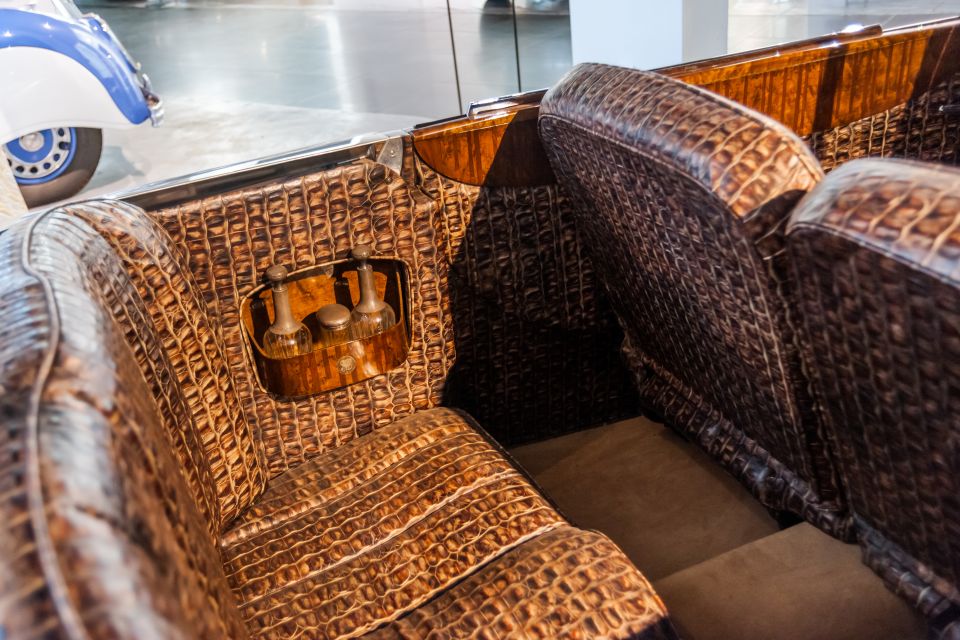
If you’re looking for a highlight section, the American side of the museum is a big one. The info notes Cadillacs as a featured collection, and the overall museum concept leans into the 1950s dream-car idea for a lot of the American displays.
Why this part works even if you’re not obsessed with American cars: American vehicle design is often easier to “read” at a glance. The shapes, the size, and the styling cues tend to be bold, so it’s the kind of exhibit where you can look fast and still feel like you’re getting something.
Also, the museum doesn’t just drop cars in a row. The vehicles are paired with period-matched fashion and presentation choices, which makes the American displays feel tied to a whole lifestyle, not only engineering.






English Heritage Branding: Rolls-Royce and Jaguar Details
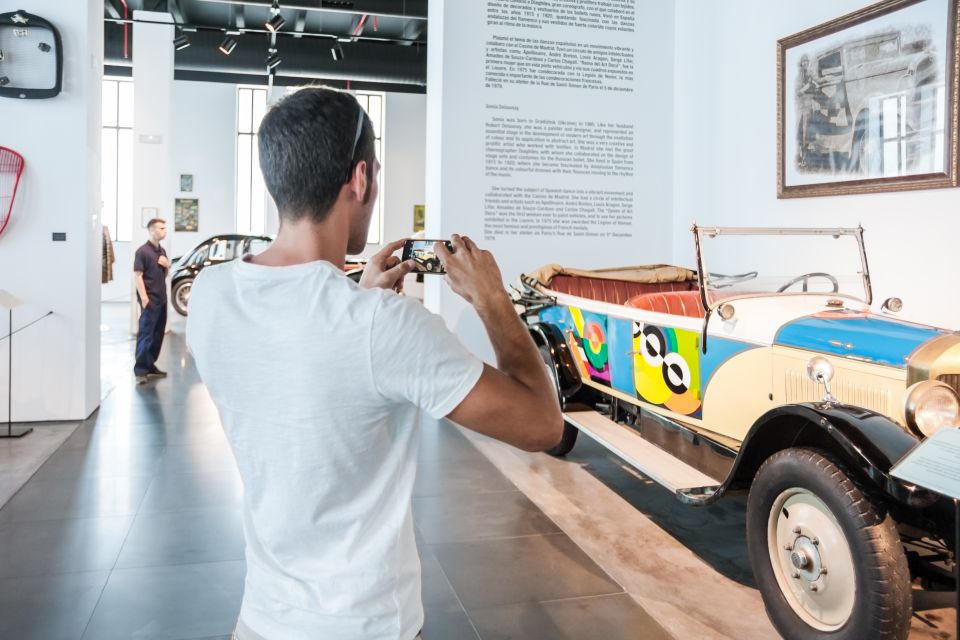
Another major attraction is the styling of English heritage brands, including Rolls-Royce and Jaguar. Here’s the advantage of seeing this in a fashion-and-style museum rather than a car-only one: you get to spot design language.
English heritage cars often carry an elegance that’s as much about surface and proportion as it is about mechanics. Pair that with era fashion and the effect becomes clearer. You’re not just looking at a vehicle; you’re seeing how taste shows up across categories.
If you want quick wins for your visit, English heritage brands are a good place to slow down. Take a minute to compare shapes and finish styles, then look at the related displays nearby for the clothing-era context.
Fashion Rooms: Clothing by Era (Including a Virtual Dior Moment)
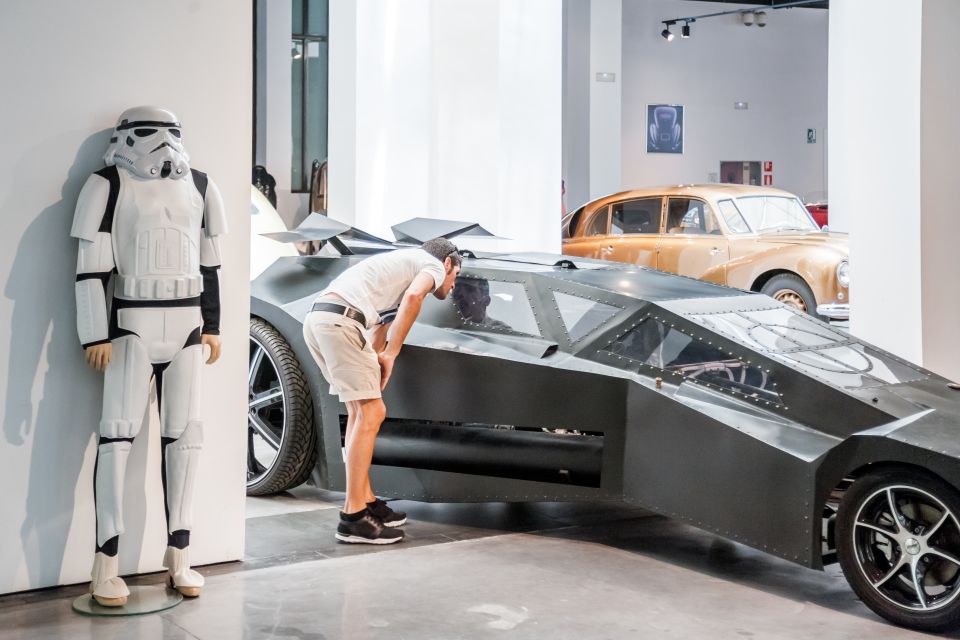
One of the most praised parts of the museum is the fashion component. It’s not treated like a side poster. Fashion is displayed alongside the cars from matching periods, and it’s presented with artwork and styling that helps you connect the visual worlds.
In particular, some visitors point to a virtual try-on experience with Dior dresses. That’s exactly the kind of interactive detail that can turn a “car museum” stop into a “whole family can enjoy this” stop.
If you’re wondering whether fashion will feel like a gimmick: it doesn’t. The museum aims to show how cars and fashion were both part of the same cultural moment—what people wanted to show, and what they wanted to feel.
A small note: the museum uses manikins in some car displays. Some people find them charming; others find them a bit odd. It’s not a dealbreaker, just something to be aware of before you expect everything to be purely “car-focused.”
Alternative Energy Vehicles: The Future Section That Isn’t Just Talk
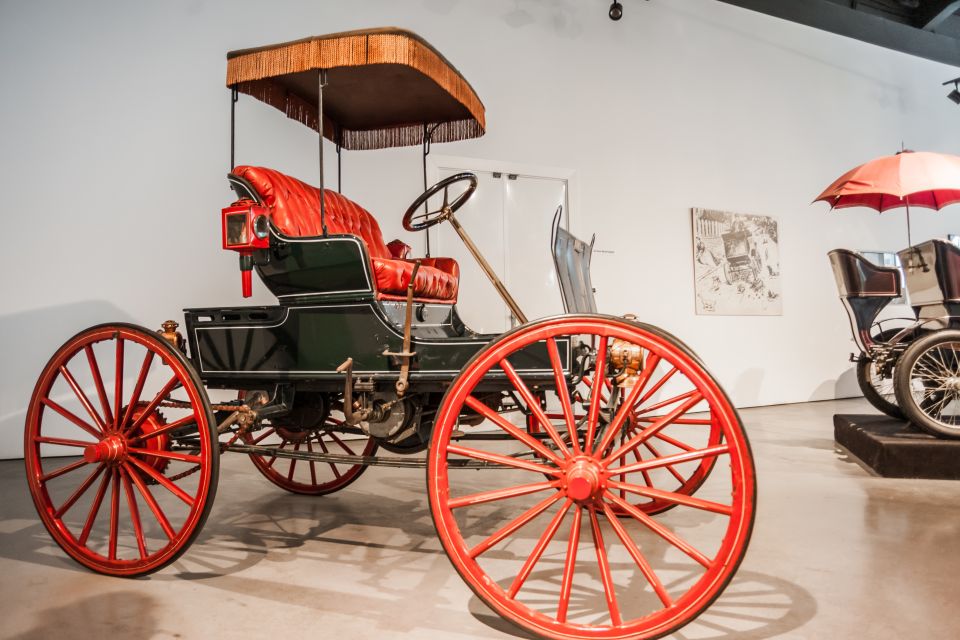
Not every exhibit is only about nostalgia. The museum includes automobiles designed to run on alternative energy sources, which gives you a “future” thread that feels connected to design history rather than tacked on.
This matters because it changes how you interpret the collection. Instead of treating the car as a finished invention from a past decade, you see that innovation and design choices continue. Even if alternative-energy cars are not your passion, you’ll likely appreciate the visual design choices that come with different technology goals.
The Popular Cars Timeline: Austin Seven, Morris Minor, and Velorex
One of the most grounding parts of the museum is a collection of nine of the world’s most popular cars through history. It acts like an anchor so you’re not only floating through era themes.
The examples listed include:
- An Austin Seven
- A Morris Minor
- A 1960s Velorex
This is a smart move for visitors. You get a mix of recognizability and variety. It also gives you an easier way to remember what you saw afterward, because those are cars with enough cultural presence that your brain can file them away.
If you’re short on time, this section is a great place to focus. You’ll walk out with a sense of how everyday cars evolved, not only how headline models looked.
Sunday at 12:30: Running the Engines (The Sound Bonus)
If you can go on a Sunday, the museum’s Sunday feature is worth building your schedule around. Every Sunday at 12:30, there’s an activity called Running the Engines.
The idea is simple and fun: some of the vehicles in the collection are started. You get a chance to listen to the engines and learn about their power.
This is also the best reason to come with a little extra time in mind. When engines are started, your visit becomes more than static looking. It turns into a brief live moment that car and non-car fans can both enjoy.
If you’re deciding which day to visit, and you care about experience value rather than just artifacts, Sunday 12:30 is a strong choice.
Price and Value: Is $14 Worth It?
At $14 per person, the ticket price is relatively friendly for a museum that includes:
- a large car collection across eras,
- the fashion side of the same story,
- themed room organization,
- optional guided tour possibility,
- and even an occasional engine-start activity on Sundays.
The biggest value factor is that the museum is designed to entertain multiple interests at once. If you’re a car person, you get famous brands, dream-car styles, and tech-forward examples. If you’re more fashion-inclined, the matching era displays give you a reason to pay attention to both clothing and styling.
For the time: 50 minutes is a realistic “good visit” length. Some people may want more seating or more chances to pause, but the typical visit duration is long enough to feel you saw the core of the collection without needing an entire day.
Practical Tips: Parking, Bags, WiFi, and What to Bring
Here’s how to make the visit smoother.
Getting there and parking
The museum includes free parking, which is a big win if you’re driving in Málaga. The site is a bit outside the town center, so parking access matters.
What to bring
Bring your passport or ID card. The info also lists student cards and disability cards, so if you have those, have them with you.
What not to bring
- No luggage or large bags
- No smoking indoors
- No swimwear
Comfort and breaks
Some visitors say there could be more places to sit. If you need frequent pauses, plan for it. Bring water if you’re allowed to, and build short stops into your walking route.
WiFi and on-site extras
There’s a free WiFi area on site. Outside, there’s also a coffee shop mentioned in reviews, which can get busy in summer—so expect possible lines.
Who This Museum Ticket Fits Best
This is a strong pick if you’re traveling with mixed interests. I’d also recommend it if you like design stories that combine technology with visual culture.
You’ll likely enjoy it most if you:
- like classic cars but aren’t sure where to start,
- enjoy fashion history and era styling,
- want a museum that feels more like an experience than a lecture,
- are able to visit on a Sunday for the 12:30 engine-start event.
If you only want the most hardcore car mechanics or pure racing history, you might find the focus is more about design and styling than technical deep dives. But even then, the way cars and clothing are paired can keep it interesting.
Should You Book This Malaga Museum Ticket?
Yes, I think you should book it if you want an easy, design-focused museum stop that doesn’t require you to be a lifelong car fan. The pricing is reasonable for what you get, and the time length matches how most people actually want to spend an hour in Málaga.
I’d especially lean “book” if:
- you can manage the trip outside the center and you want a high-impact one-hour visit,
- you’re traveling with someone who likes fashion or interactive touches,
- you’re visiting on a Sunday and can catch 12:30 Running the Engines.
If you hate parking hassles or you want everything right in the historic core with zero planning, then the location may feel inconvenient. But if you can handle the short trek, this museum is the kind of stop that sticks with you.
FAQ
How much is the Malaga Automobile and Fashion Museum ticket?
The ticket price is listed as $14 per person.
How long does the visit take?
The duration listed is 50 minutes. You can check starting times for availability.
Where is the meeting point?
The meeting point is Avenida Sor Teresa Prat, 15-29003 Málaga (Spain).
Is the visit self-guided, or do I get a tour?
With the pre-booked entrance ticket, you can explore the museum collections on your own. An optional guided tour is available if you select that option.
If I select the guided tour, do I still need a museum ticket?
Yes. The info says that if you choose the guided tour, you should also buy your ticket to the museum.
Is parking included?
Yes, free parking is included.
Is there WiFi on site?
Yes, there is a free WiFi area on site.
What is Running the Engines?
Running the Engines is an activity every Sunday at 12:30, when some vehicles are started so you can listen and learn more about their power.
What should I bring for entry?
Bring a passport or ID card. The info also lists student cards and disability cards.
What items are not allowed inside?
Luggage or large bags are not allowed. Smoking indoors is also not allowed, and swimwear is not permitted.