REVIEW · MALAGA
Malaga: The Ultimate Tapas Workshop with Market Visit
Book on GetYourGuide →Operated by Kulinarea · Bookable on GetYourGuide
Tapas make more sense after you cook them. This Malaga workshop pairs a market walk with a hands-on kitchen lesson so you learn the meaning behind Spanish small plates. I especially liked the way guides (from Felipe to Alba) keep the market stop practical, and the way the chef and team pull everyone into the cooking, not just a watching role. One caution: it’s not suitable for vegans, and dietary needs need to be flagged before you arrive.
You’ll spend 3 hours in total, with morning sessions (Monday to Saturday) including Atarazanas, and evening/Sunday/National Holiday sessions skipping the market since it’s closed. The payoff is that you leave with food you made yourself, plus the recipes and even a Kulinarea apron to bring home. If you’re the type who likes tasting and learning at the same time, this is a very efficient use of vacation time.
In This Review
- Key takeaways before you go
- Atarazanas Market shopping in Malaga’s daytime class
- How to handle the “market day” vs “closed market day” difference
- The tapas lesson: from meaning to technique, with real classics
- What you’ll walk away able to do
- Cooking in the Kulinarea kitchen: hands-on, guided, and social
- Dietary needs and substitutions: what’s supported
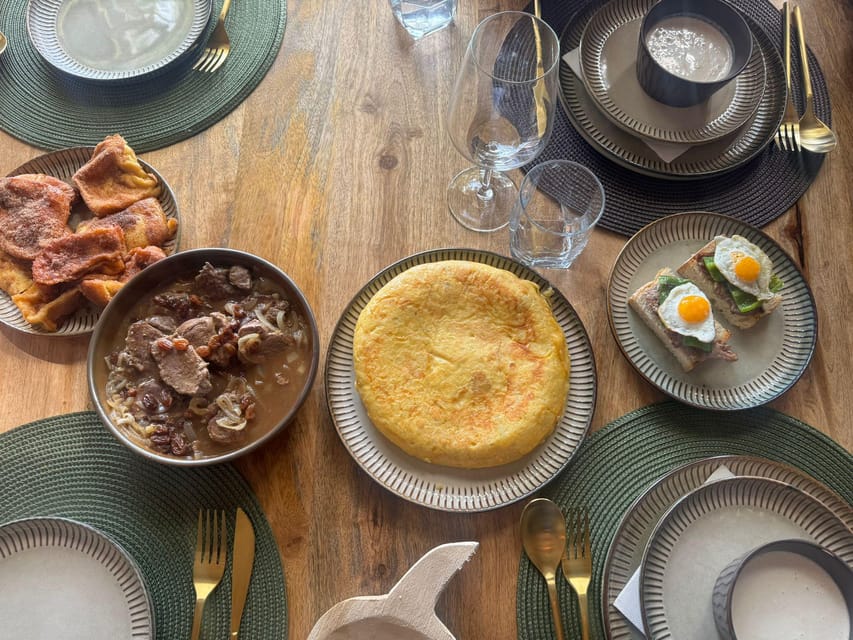
- The menu you’ll cook: what each dish teaches you
- 1) Sangría
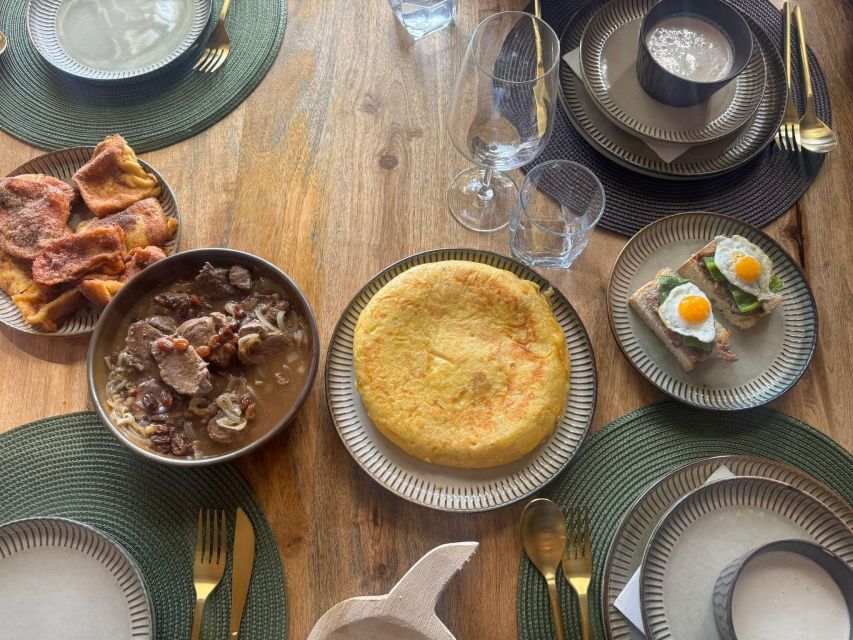
- 2) Fideos tostados (crispy noodles)
- 3) Tortilla de patatas (traditional Spanish omelette)
- 4) Solomillo al Pedro Ximénez (sirloin with Pedro Ximénez sauce)
- 5) Churros
- Wine pairings and drinks: what’s included in the price
- Where to meet Kulinarea and what to expect on arrival
- Price and value: is $78 worth 3 hours of tapas?
- Who this tapas workshop suits best (and who should skip it)
- Final verdict: should you book this Malaga tapas class?
- FAQ
- How long is the Malaga tapas workshop?
- Do you visit Atarazanas Food Market?
- Is the workshop available in English?
- What tapas dishes are included?
- Are drinks included in the price?
- Is it suitable for vegans?
Key takeaways before you go
- Atarazanas Market, when it’s open: A daytime visit to shop the ingredients idea-first.
- Interactive cooking: You cook your tapas alongside the chef and guide team.
- Classic menu with pairing: Sangría and selected wines (plus beer or soft drinks) match the dishes.
- You eat what you make: No awkward ending where you leave hungry.
- Take-home apron and recipes: You get a Kulinarea apron gift and all recipes at the end.
Atarazanas Market shopping in Malaga’s daytime class
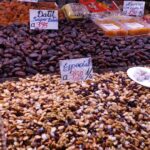
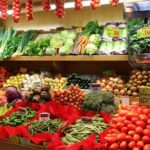
If you want tapas to click, start with the ingredients. The workshop does that by building the experience around Malaga’s Atarazanas Food Market for the morning sessions (Monday to Saturday). You’ll take a short stroll from the kitchen to the market and learn what matters when Spanish cooks pick their food: freshness, seasonality, and that preference for simple, high-quality components.
What makes this smart for your trip is that it gives you context before you touch a stove. Instead of memorizing recipes like a school worksheet, you begin to understand why tortilla de patatas tastes the way it does, or why a sauce like Pedro Ximénez ends up so deep and mellow. And when a guide like Felipe or Carmen walks you through the market, the talk stays tied to real buying decisions you’ll recognize back home.
A practical note: on evenings, Sundays, and National Holidays, Atarazanas is closed. In those sessions, you go straight to the kitchen space in Malaga’s artistic Soho district area (near the market). You still get the cooking and the same teaching style—you just lose the daytime ingredient-shopping leg.
You can also read our reviews of more shopping tours in Malaga

How to handle the “market day” vs “closed market day” difference
Neither option is a downgrade. The market day adds flavor to the learning because you see ingredients at source. The closed-market day still works well if you prefer arriving, cooking, and eating without the extra walking. If your goal is Instagram-worthy market photos, you’ll want the Monday–Saturday morning slot. If your goal is pure cooking time, evenings and Sundays are fine.
The tapas lesson: from meaning to technique, with real classics
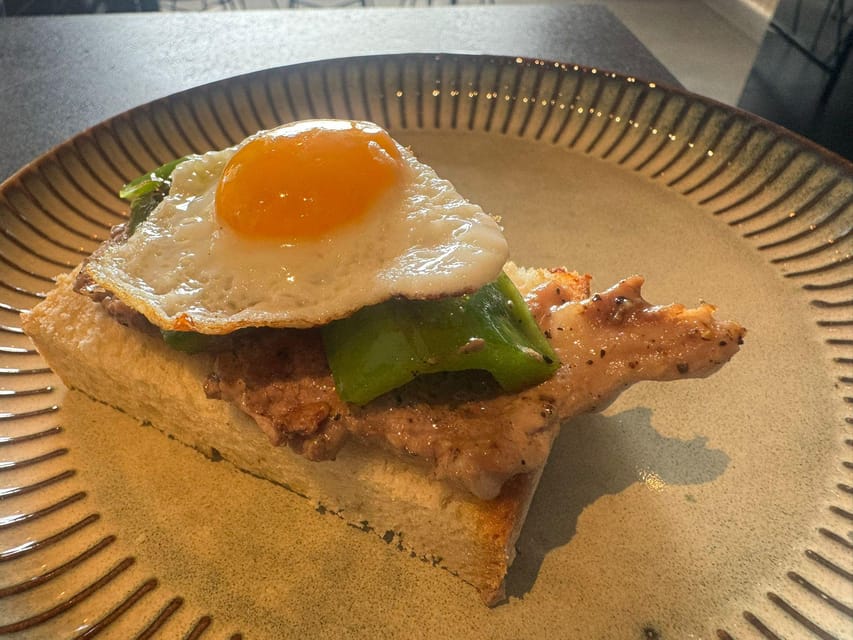
Tapas can sound like a vague category until you see how they connect. This workshop is built to teach the authentic meaning of tapas and how they’re made, using Spanish “classics” as your training ground.
The menu sample you’ll cook is straightforward and very Spanish—things like tortilla de patatas and churros—but the bigger lesson is that tapas are about sharing and variety. You don’t need one fancy centerpiece. You need a set of plates that together feel complete.
Even the dish selection gives you a balanced skill mix:
- A fried or crisp element (like fideos tostados)
- A classic egg-based anchor (tortilla)
- A richer meat course with a distinctive regional sweetness (Pedro Ximénez sauce)
- A sweet finale (churros)
The workshop also signals that the learning isn’t limited to what you see on the menu sheet. The overall tapas focus spans examples like Ajoblanco Malagueño through tortilla de patatas, and the actual menu can shift based on seasonal availability or dietary restrictions. That matters because good cooking classes aren’t just “repeat exactly this.” They teach you what’s flexible.
What you’ll walk away able to do
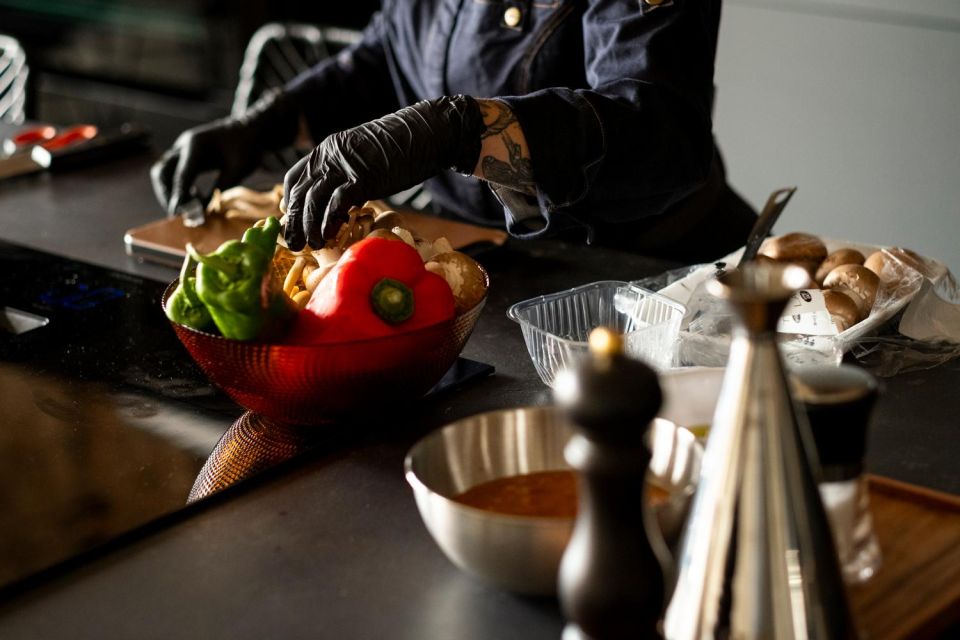
By the end, you should feel confident replicating the menu at home—because you’re not just assembling a pre-cut station. One clear advantage shown in the experience: everyone has a chance to cook, and you keep moving through steps with guidance from the chef and local staff. That’s the difference between a tasting event and a skills lesson.
Cooking in the Kulinarea kitchen: hands-on, guided, and social
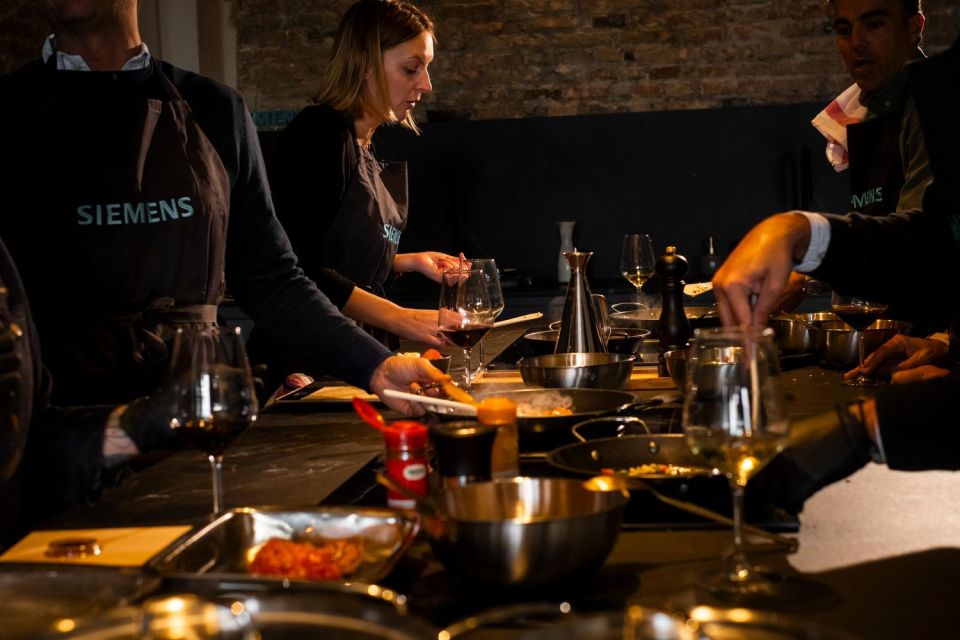
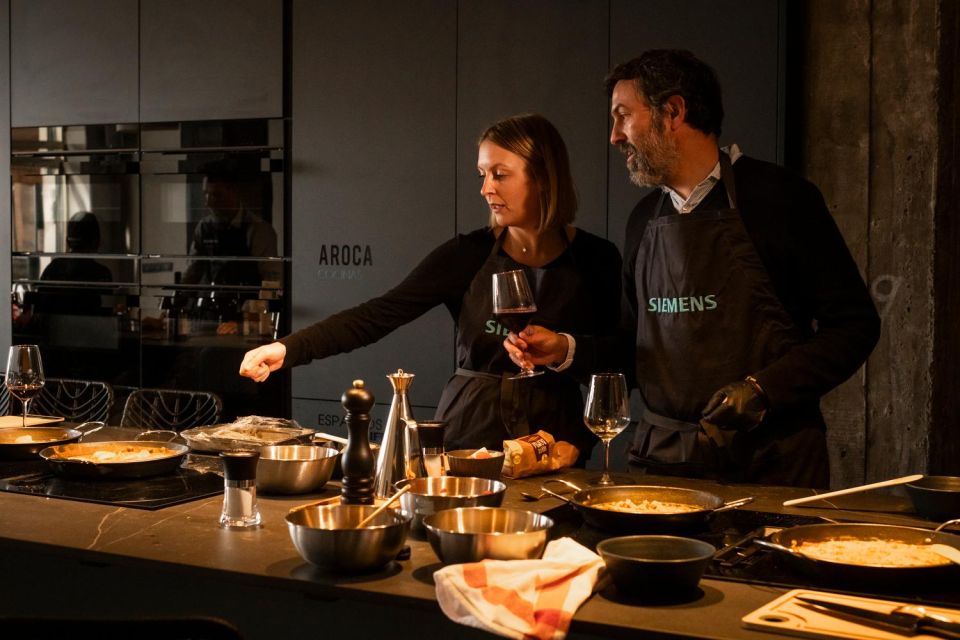
The class happens at Kulinarea (meeting point: Av Manuel Agustín Heredia 24). From the start, the tone is relaxed enough that strangers can talk while working side-by-side, but structured enough that nobody feels lost. English is the supported language, and the guides you’ll meet are the kind who keep instructions clear while still letting you participate.
Here’s what I think is the most valuable part: the workshop is designed so you create the tapas yourself and then eat what you made. In many cooking experiences, you cut or stir and hand off the real work. This one keeps the chain intact, so the food tastes like your results, not someone else’s finished product.
You can also read our reviews of more tours and experiences in Malaga

Dietary needs and substitutions: what’s supported
You’ll need to let the team know about dietary requirements before the class. And if you’re vegetarian, the experience can adapt—one participant specifically noted their recipes were adjusted so they could cook and eat. There’s also evidence of serious allergy handling: one person with a tricky allergy reported ingredient changes and careful attention to cross-contamination.
That’s important. Tapas are a mix of ingredients and small touches. If a dish can be adapted without cutting corners, it makes the class feel safer and more inclusive.
The one hard boundary: it’s not suitable for vegans.
The menu you’ll cook: what each dish teaches you
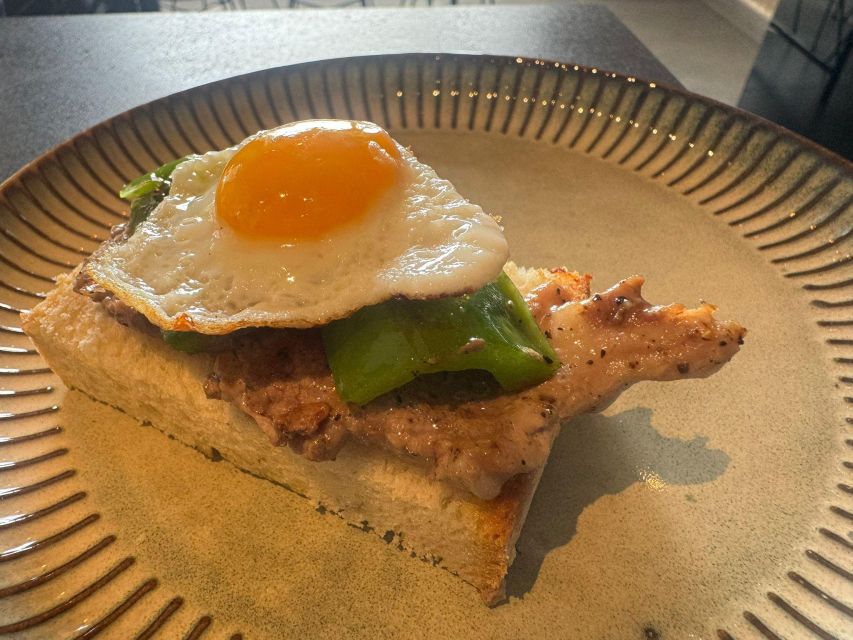
Menus can vary, but the sample lineup gives you a strong sense of the course flow. In most 3-hour sessions, you’ll cook multiple tapas and end with something sweet. Think of it like a guided evening meal built from Spanish small plates.
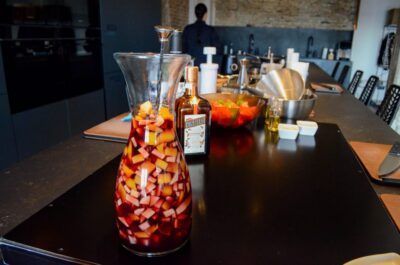
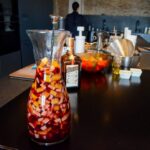
1) Sangría
You start with a Spanish classic that’s both social and practical. It sets the stage and gets you into the tapas-sharing mood. Sangría is included, and it’s paired with the menu concept of small plates plus conversation.
2) Fideos tostados (crispy noodles)
This gives you a texture lesson. Crispy and toasted elements matter in tapas because they keep each bite interesting. You’ll learn how crisping works and how to balance it so it stays satisfying rather than turning soggy.
3) Tortilla de patatas (traditional Spanish omelette)
This is the backbone dish for many Spanish meals, and it’s a great teaching tool because it’s “simple” only if you respect the technique. The goal here isn’t just the final slice—it’s understanding how eggs, potato, and timing work together.
A good sign in the class: people leave talking about the tortilla quality, which usually means the process is well guided and the kitchen equipment and method actually matter.
4) Solomillo al Pedro Ximénez (sirloin with Pedro Ximénez sauce)
Pedro Ximénez is a syrupy, dark, dessert-leaning style of wine (and sauce), and it creates a deep sweetness that feels very Andalusian. Even if you’re not a wine nerd, you’ll taste how the sauce transforms the meat from straightforward to gently complex.
5) Churros
Churros are a crowd-pleaser, but here they’re more than a dessert add-on. They help you end with a familiar Spanish finish while also making the course feel complete—salt, savory, and sweet in one stretch.
Wine pairings and drinks: what’s included in the price
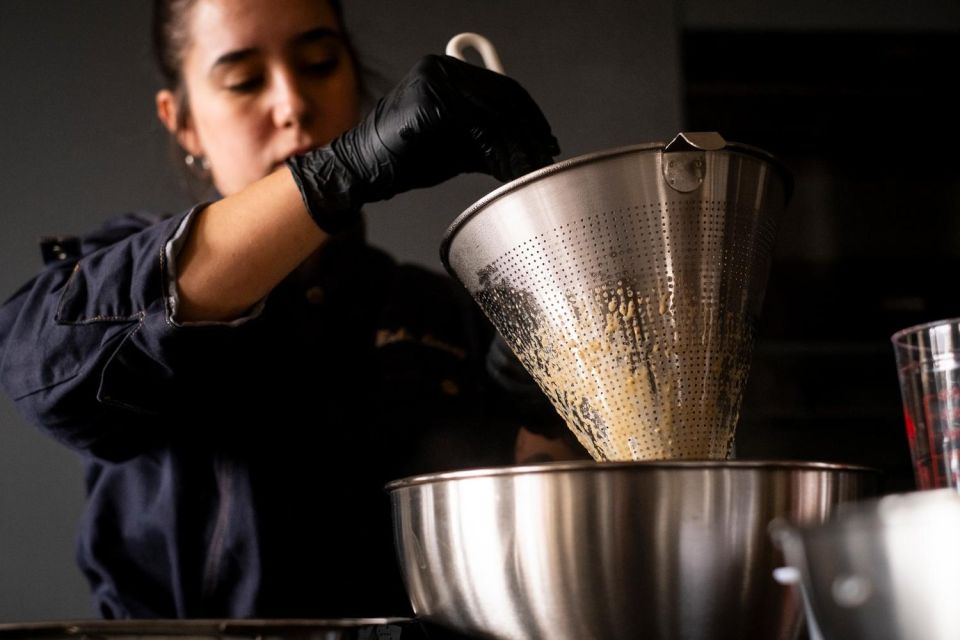
A lot of tapas classes treat wine like a token. This one includes pairings that match the menu, with selected wines made from regional grapes. You’re also covered for wine, beer, or soft drinks, and sangría is included as part of the course plan.
One helpful way to think about value: the drinks aren’t an extra add-on at the end. They’re part of the teaching design. When a class pairs drinks to food intentionally, you can taste how flavors shift with acidity, sweetness, and body.
A practical note: other drinks are not included. So if you want cocktails beyond the included options, budget for that.
Where to meet Kulinarea and what to expect on arrival
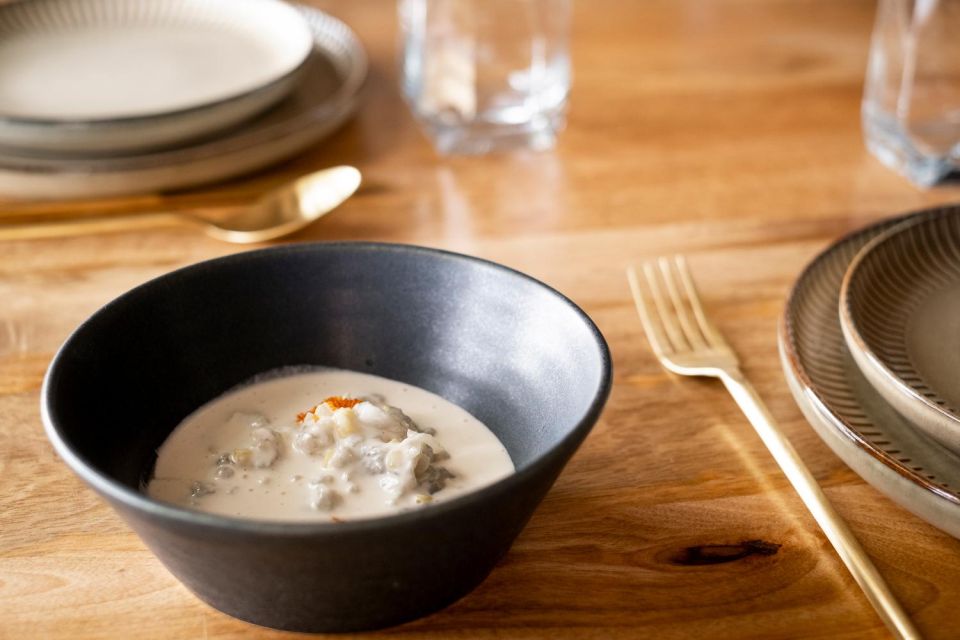
You’ll meet at Av Manuel Agustín Heredia 24. If you’re driving, there’s underground parking in front called Parking de La Marina. No pickup or drop-off is included, so plan to arrive on your own.
Once you’re there, you’ll follow the guide’s lead for either:
- the short walk to Atarazanas (daytime Monday–Saturday), or
- straight to the kitchen cooking (evenings/Sundays/National Holidays).
There are also a few rules that matter for comfort:
- No bare feet
- No baby strollers
- No bikes
- No baby carriages
If you’re traveling with kids, this is the kind of detail that can make or break the day.
Price and value: is $78 worth 3 hours of tapas?
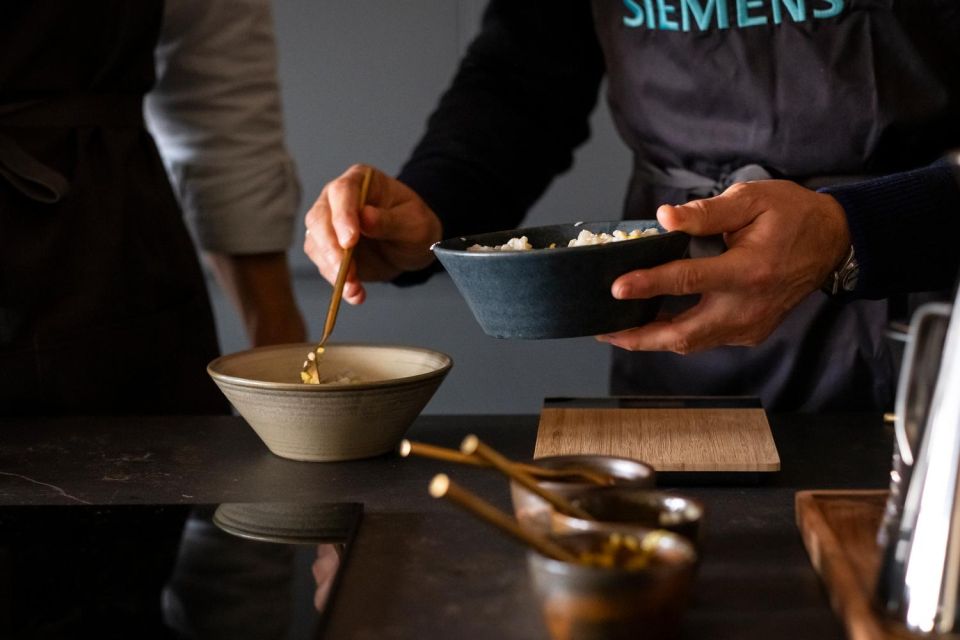
At $78 per person for a 3-hour experience, the value hinges on what you’re getting besides cooking.
Here’s the checklist of included items:
- Atarazanas market visit for daytime sessions (when open)
- All ingredients and necessary equipment
- Sangría
- Wine/beer/soft drinks included
- Eat the labor of your work afterwards
- Local chef and guide
- All recipes
- A take-home Kulinarea apron gift
That’s why this feels like more than a “nice dinner.” You’re paying for instruction, ingredients, drinks, and the meal result. Many stand-alone food tours either teach or feed, but this one does both—plus you leave with recipes and gear you can use again.
Two things that slightly temper the value (and are worth knowing):
- Not included: pick up/drop off, and other drinks beyond what’s listed as included
- Not suitable for vegans
If you fit the dietary fit and you want hands-on skills, $78 for 3 hours with market context and meal included is pretty solid.
Who this tapas workshop suits best (and who should skip it)
This workshop is a great match if you:
- want hands-on cooking (not just sampling)
- enjoy learning through real steps, especially classic Spanish dishes
- like pairing food with drinks so you can recreate flavors later
- want a social yet structured activity that works well for couples and solo travelers
It’s less suitable if you:
- are vegan (explicitly not suitable)
- need a fully stroller-friendly setup (strollers aren’t allowed)
- prefer a purely laid-back eating experience with no cooking component
If you’re vegetarian, you have a strong chance of a good outcome because recipes can be adapted. For allergies, the key is communication beforehand so the team can adjust ingredients and manage food safety properly.
Final verdict: should you book this Malaga tapas class?
If you want a Malaga food memory you can actually recreate, this is the kind of workshop that delivers. The best part is the combination: market context when available, then cooking guided by a local chef and English-speaking team, then eating the results. Add the Kulinarea apron and the full recipes, and it stops being a one-night experience.
Book it if tapas is high on your priority list and you’re not vegan. If you’re flexible about time (morning vs evening) you can pick the session style that fits your day—market walk if you want the ingredient hunt, kitchen-only if you want maximum cooking focus.
If you’d like, tell me your travel dates and whether you’re vegetarian or have any allergies, and I’ll help you pick the best session type (morning vs evening) based on what’s open.
FAQ
How long is the Malaga tapas workshop?
The class lasts 3 hours.
Do you visit Atarazanas Food Market?
Morning sessions from Monday to Saturday include the Atarazanas Food Market visit. On Sundays and in the evenings, and on National Holidays, the market is closed so the class goes straight to the kitchen.
Is the workshop available in English?
Yes. The live tour guide speaks English.
What tapas dishes are included?
A sample menu includes sangría, fideos tostados (crispy noodles), tortilla de patatas, solomillo al Pedro Ximénez (sirloin with Pedro Ximénez sauce), and churros. The menu may vary with seasonal availability or dietary restrictions.
Are drinks included in the price?
Yes. Sangría is included, and wine, beer, or soft drinks are also included. Other drinks are not included.
Is it suitable for vegans?
No, the experience is not suitable for vegans.