REVIEW · RONDA
From Malaga or Marbella: Ronda Private Day Trip
Book on GetYourGuide →Operated by CostaExcursions S.L. · Bookable on GetYourGuide
Ronda hangs over a canyon for real. This private day trip from Malaga or Marbella mixes comfort (a door-to-door van) with a guided walk through old and Moorish Ronda on the dramatic El Tajo Gorge.
I love two things most: getting the gorge and bridge into the right perspective with your guide, and having enough structured time to see the big Ronda sights without rushing. When your guide is Thomas or Peter, or when Miryam and Antonio are on the team, the vibe is easy, practical, and you’ll get plenty of pointers for what to look for next.
One consideration: it’s not a budget-style day. You’re paying for a private setup, and entry fees plus lunch are extra, so the final cost depends on what you choose to pay for once you’re there.
In This Review
- Key Things Worth Booking
- Ronda Over the El Tajo Gorge: Why It Looks Like No Other Andalusian Stop
- The Private Van From Malaga or Marbella (and Why Door-to-Door Matters)
- Getting Your Bearings: Plaza de España and Ronda’s Signature Sacred Stops
- Puente Nuevo and the El Tajo Gorge: The Stops That Make Ronda Feel Cinematic
- Spain’s Oldest Bullring: Plaza de Toros and the Museum Context
- Crossing Into Ronda’s Moorish Quarter: Arab Baths, Walls, and Islamic Echoes
- Palacio de Mondragon and the Gardens of Cuenca: Two Ways to See Ronda From Above
- Lunch and Free Time: How to Use Your 2.5 Hours Without Losing the Day
- Price and Value for a Private Group Up to Two
- The Human Touch: Thomas, Peter, Miryam, and Antonio
- Who Should Book This Ronda Private Day Trip
- Should You Book This Ronda Day Trip?
- FAQ
- How long is the Ronda private day trip?
- Where will pickup happen for this tour?
- Is cruise terminal or port pickup included?
- What is included in the price?
- Are entry fees and lunch included?
- What languages is the live guide available in?
Key Things Worth Booking
- Private guide with local storytelling in the languages Spanish, English, German, and French
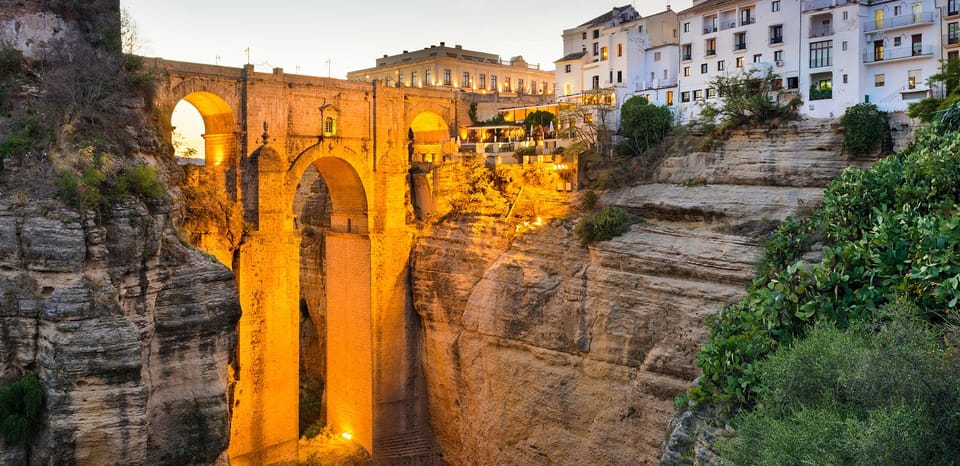
- El Tajo Gorge + Puente Nuevo photos with the timing set for the best walk
- Plaza de España and major churches including St Mary the Elder and the Holy Spirit
- Plaza de Toros stop at Spain’s oldest bullring, plus a museum layer of context
- Arab Baths and city walls for a clear view of the Islamic past
- Jardines de Cuenca ledge views over the gorge and countryside
Ronda Over the El Tajo Gorge: Why It Looks Like No Other Andalusian Stop
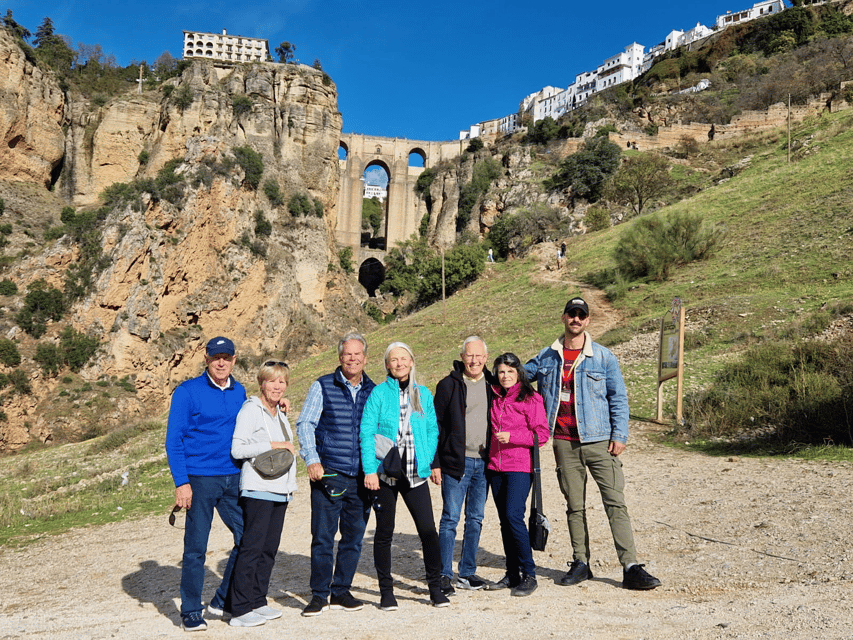
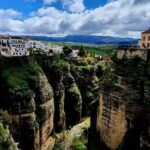
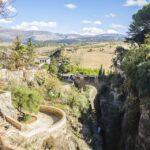
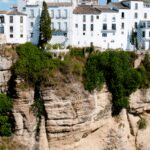
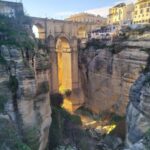
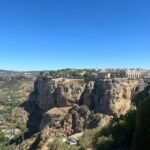
Ronda works because it feels carved. The town sits above the El Tajo Gorge, and that sheer cut in the earth splits Ronda into the older sections and the newer ones, almost like two different worlds stitched together by bridges and viewpoints. From the start, you’re primed to notice how the city plan follows the terrain.
What makes the day trip special is that it isn’t just photo stops. Your guide helps you connect what you see—streets, plazas, and architecture—to why Ronda developed the way it did. That matters, because Ronda can look like a movie set if you only glance at it. With guidance, you start reading it.
The scenery is also practical. You’ll keep moving by foot at the pace of your group, then pause when there’s something worth focusing on—especially around the gorge and the bridge. You’re not left guessing where the best angles are, which saves real time.
You can also read our reviews of more private tours in Ronda
The Private Van From Malaga or Marbella (and Why Door-to-Door Matters)
You’ll start with pickup from Benalmádena, Torremolinos, Mijas, Malaga, or Marbella. Your group rides in a private van, which is a big deal on a day trip: no waiting around for a bus full of strangers, and no scramble to make your way to a departure point.
The drive time is about 75 minutes each way. That gives you just enough time to settle, then switch gears once you’re in Ronda. Along the way, you’ll see the Andalusian countryside from the road—enough scenery to feel like you’re leaving the coast behind without turning the day into a full travel day.
Also, pay attention to the pickup rule. Cruise terminal/port pickup isn’t offered, so if you’re arriving that way, you’ll need to plan your meeting point before booking. Knowing this upfront prevents last-minute stress.
Getting Your Bearings: Plaza de España and Ronda’s Signature Sacred Stops
Once you arrive, you’re not dumped into the streets. You get a guided introduction that helps you understand the town’s structure, then you walk into the areas that define it.
A key moment is Plaza de España. It’s one of those spaces where Ronda’s mood clicks into place—wide enough for the town to breathe, but close enough that you feel part of the streetscape instead of just passing through. Your guide’s commentary here is the difference between seeing a square and understanding why it matters.
Then you’ll visit sacred buildings including the Church of St Mary the Elder and the Church of the Holy Spirit. Even if you don’t care deeply about church interiors, these stops give you a sense of how Ronda’s identity formed over time. You’ll learn what to notice—style details, local customs, and how people historically used these spaces.
This section is ideal for travelers who like architecture but also want context. It’s not just decoration; it’s how the town signals what it values.
Puente Nuevo and the El Tajo Gorge: The Stops That Make Ronda Feel Cinematic
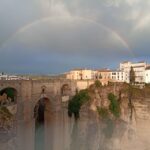
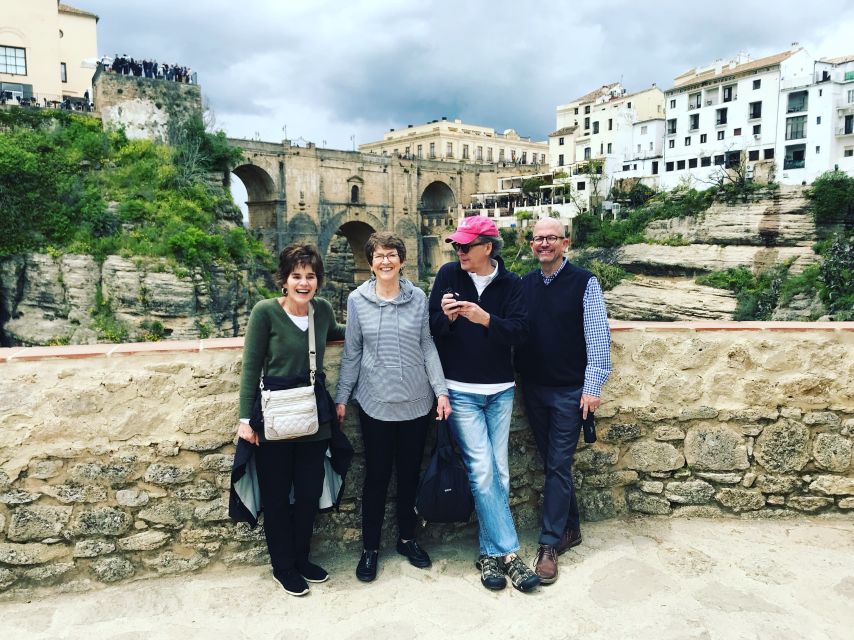
The gorge is the star. Your schedule gives you time to pause and photograph the Puente Nuevo bridge, the iconic connection tied to the view of the canyon. If you’re the kind of traveler who wants the shot but also wants to understand why that angle hits, you’ll appreciate having a guide explain what you’re looking at.
Here’s the practical side: the gorge viewpoints reward slow attention. If you rush, you’ll miss why Ronda feels dramatic—how the drop reads, how the old and new areas sit on opposite sides, and how the town’s edges frame the canyon.
After you’ve gotten the photo moment, you keep walking with your guide into the parts that reflect the town’s older character. This is where Ronda starts to feel like a lived-in hill city rather than a day-trip target.
If you’re traveling with a camera, I’d plan on taking multiple quick shots rather than trying to get everything perfect at one spot. The views shift as you move, and the guide route is designed to keep you in the right zones.
Spain’s Oldest Bullring: Plaza de Toros and the Museum Context
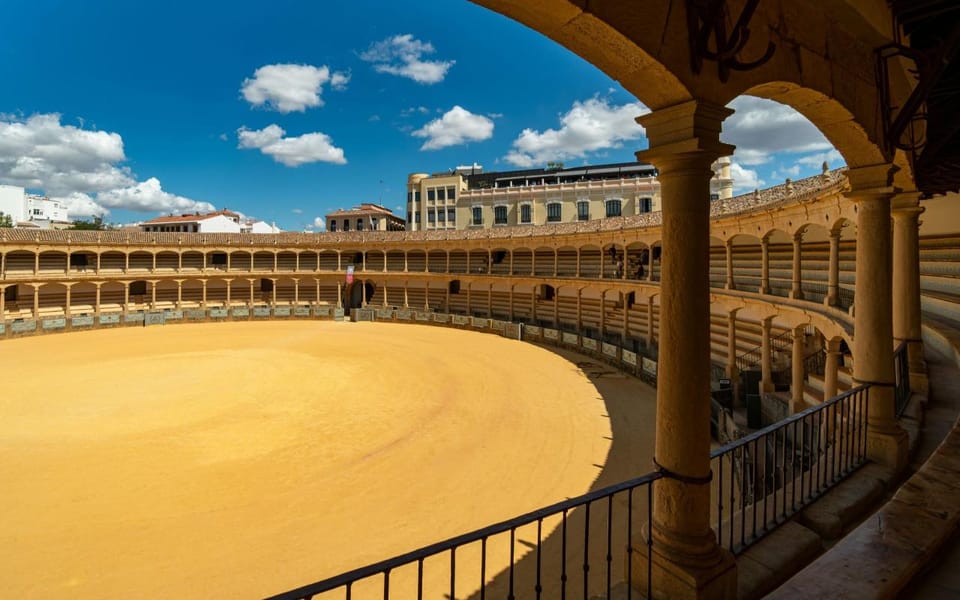
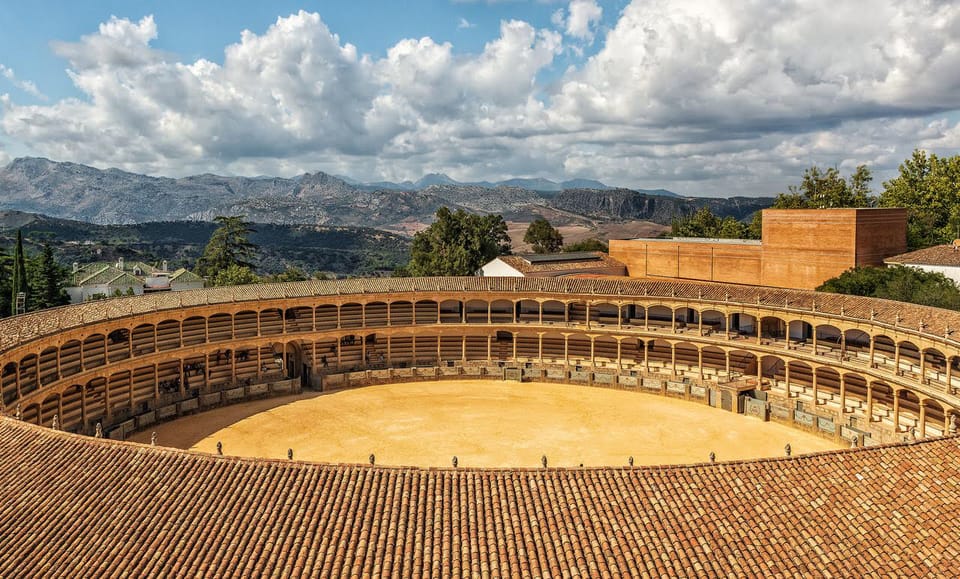
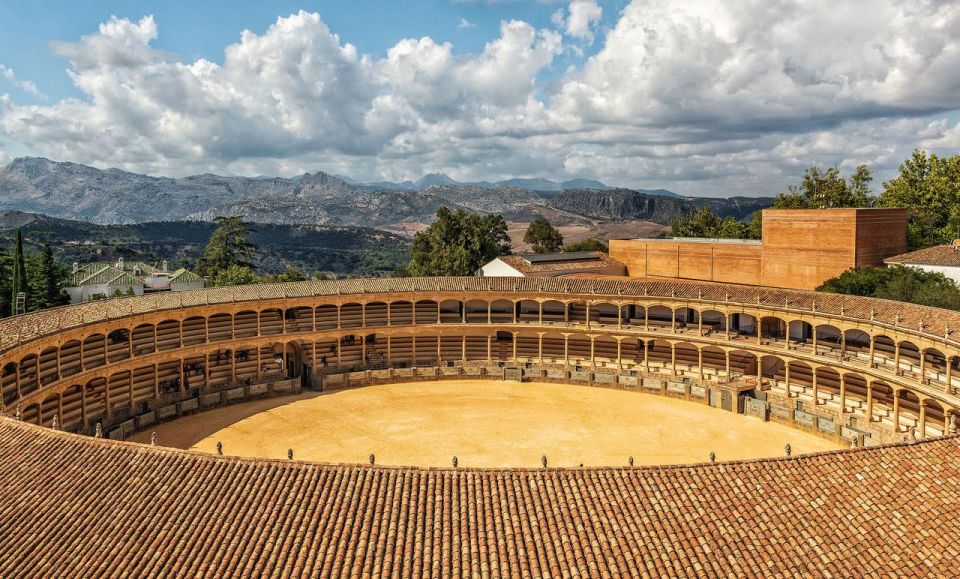
Ronda is famous for bullfighting, and this stop gives you a direct, structured look at why. You’ll visit Plaza de Toros, described as the oldest bullring in Spain, then go into the museum where the exhibits connect Spanish bullfighting traditions to the culture around them.
What I like here is that it doesn’t feel like trivia. The museum shows the human side of fandom, with framed photographs of famous bullfight fans like Orson Welles and Ernest Hemingway. That detail helps the whole subject land in a bigger story than just the ring itself.
You’ll also see museum material that explains bullfighting as a tradition rather than as an isolated spectacle. For some people, that’s enough. For others, it creates a new question—why the culture took root here, and why Ronda became such a magnet for it.
One note: entry fees aren’t included, so if you want to maximize the museum experience, budget for it. The payoff is that you’ll leave with more than a single photo of a historic building.
You can also read our reviews of more tours and experiences in Ronda

Crossing Into Ronda’s Moorish Quarter: Arab Baths, Walls, and Islamic Echoes
This is where Ronda stops feeling like a postcard and starts feeling like history with street-level texture.
You’ll cross the gorge and enter the Moorish part of the city, which makes sense geographically and emotionally. The streets and approach feel rugged, and the terrain helps you understand why older fortification patterns mattered.
A standout stop is the Arab Baths, built at the end of the 13th century and noted as the best preserved in Spain. If you’ve seen modern spas, these baths are different. They feel like a real historical structure you can picture how people once used—not just a renovated landmark.
You’ll also see remnants tied to the city’s Islamic past, including the old wall and gate. Even if you only catch fragments, they give you a sense of boundaries and movement—how entry and exit shaped daily life.
The guide part matters a lot here. With the right explanation, you’ll understand the baths and walls as part of a system, not as stand-alone points on a map.
Palacio de Mondragon and the Gardens of Cuenca: Two Ways to See Ronda From Above
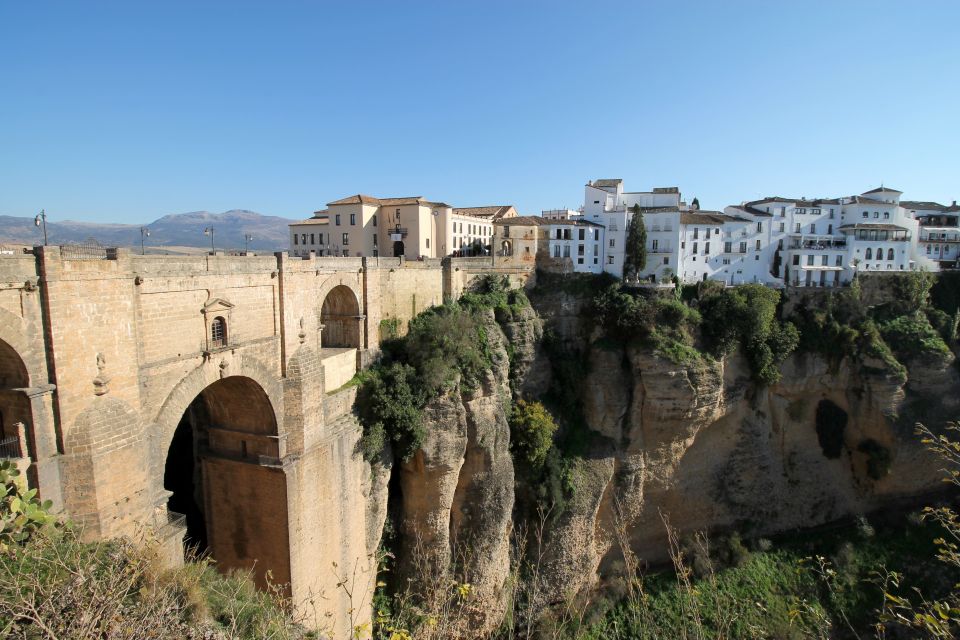
Ronda is full of viewpoints, and the trick is knowing which ones are worth your time. This day trip gives you two different flavors.
First, the Palacio de Mondragon, home to the municipal museum and some spectacular gardens. Even if you don’t spend extra time inside a museum wing, the grounds help you get a break from street heat and a fresh perspective on the town’s layout.
Then come the Jardines de Cuenca (Cuenca Gardens), which you shouldn’t skip. They sit on ledges over the gorge, so you get wide-ranging views over the Tajo and the surrounding countryside and city. This stop is for travelers who want the town to click visually: you see how the gorge cuts, how Ronda sprawls around it, and how the streets respond to the terrain.
If you’re the kind of person who likes to pause and just watch, this is your moment. Don’t pack it with ten other activities back to back. Let the views do their job.
Lunch and Free Time: How to Use Your 2.5 Hours Without Losing the Day
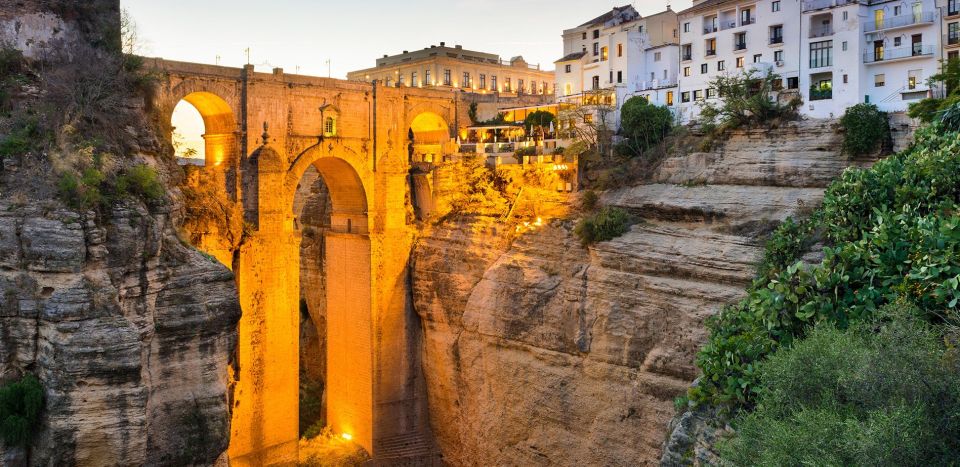
After the guided portion, you get about 2.5 hours of free time, with time to have lunch on your own. Lunch isn’t included, so you can choose what fits your budget and appetite.
This free window is a smart compromise. You get the core Ronda highlights with a guide, then you control what you do with the remaining time—whether that means lingering near a viewpoint, wandering for a slower pace, or finding a meal that feels right to you.
Here’s a simple approach: pick one loose target before you break off, like returning to a favorite viewpoint area or spending extra time around the gardens. That keeps the free time from turning into aimless walking, especially if Ronda’s streets feel like they slope and switch direction more than you expect.
In the supplied experience notes, people also talk about leaving with a full stomach and lots of photos. That’s usually a sign the timing works well—structured time early, then breathing room later.
Price and Value for a Private Group Up to Two
The price is $883 per group, up to 2 people, for about 8 hours total with pickup, private van transport, and a private guide. That sounds steep until you think about what’s included: door-to-door pickup from multiple towns, a private guide for a full Ronda run, and the flexibility to follow your pace rather than a fixed mass-tour rhythm.
For couples or small groups, the value is mainly in convenience and coverage. You’re not coordinating transport, ticket logistics, and timing yourself while also trying to read Ronda’s layout. You’re buying time and smoother movement, plus a guided explanation that helps you get more meaning from each stop.
One thing to plan for: entry fees and lunch aren’t included. So your final spend will depend on what you enter. If you’re trying to see everything inside museums or historic sites, build that into your budget.
For people who love history, architecture, and photos, private format can be the difference between a quick sightseeing mission and a day that feels coherent. Ronda is the kind of place where coherence matters.
The Human Touch: Thomas, Peter, Miryam, and Antonio
Guides aren’t a small detail on this tour. The best part of the experience, based on the strongest feedback, is how the guide makes Ronda make sense while keeping things relaxed.
Thomas and Peter are listed as guiding options, and the tone in the experience notes is consistent: helpful, friendly, and ready with answers. Another team combination mentioned in the notes includes Miryam as host and driver, with Antonio bringing a big mix of stories covering history, geology, culture, architecture, and even celebrity sightings. That mix turns Ronda into more than a checklist.
Also, there’s a practical kindness that comes up: having spare hats available. In summer sun, that kind of small readiness is surprisingly valuable, even if you think you’re prepared.
The overall pattern is strong organization. People describe the scheduling and transfer logistics as handled well, so you’re not trying to manage the day while on vacation.
Who Should Book This Ronda Private Day Trip
This is a great match if:
- You want a private guide and want answers while you walk, not after the fact
- You care about the full range of Ronda—gorge views, plazas, churches, bullring history, Moorish quarter sites, and gardens
- You’d rather pay for smoother transport and timing than spend time figuring things out
It’s also a good choice if you like guided pacing because it keeps you moving through the main areas without feeling like you’re sprinting. The day is long enough to feel full, but structured enough that you’re not overwhelmed.
Should You Book This Ronda Day Trip?
I’d book it if you want Ronda to feel like a real day out with context, not just a quick tour of pretty views. Private transport from Malaga or Marbella plus a live guide means you can focus on what matters: seeing Puente Nuevo and the gorge, walking the town’s key areas, and getting the story behind the Arab Baths and the oldest bullring.
Hold off if you’re determined to keep costs ultra-low. With entry fees and lunch extra, and a private price tag for up to two, this is best when you value comfort, guidance, and an efficient full-day plan.
If you want a day that turns Ronda into something you understand (and remember), this private trip is a strong bet.
FAQ
How long is the Ronda private day trip?
The total duration is 8 hours.
Where will pickup happen for this tour?
Pickup is available from Benalmádena, Torremolinos, Mijas, Malaga, and Marbella.
Is cruise terminal or port pickup included?
No. Cruise terminal/port pickup is not offered.
What is included in the price?
A private guide, private transportation for your group, and complementary bottled water are included.
Are entry fees and lunch included?
No. Entry fees are not included, and lunch is not included.
What languages is the live guide available in?
The live tour guide is available in Spanish, English, German, and French.