REVIEW · MALAGA
Málaga: Historic Center Tour with Local Guide
Book on GetYourGuide →Operated by Tour and Guide · Bookable on GetYourGuide
A walk through Málaga’s old streets is never just a walk. This 2-hour tour ties together Roman beginnings, Moorish influence, and Picasso-era creativity, with a great guide start-to-finish. I love the focus on Catedral de la Encarnación (La Manquita) and how you connect the architecture to real city life, and I also love that guide Igor keeps the facts moving with clear stories and smart local tips. One thing to plan for: it’s still a walking tour, so comfortable shoes and sun protection matter.
What you’re really buying here is an efficient route through the highlights, plus time to understand what you’re seeing instead of just snapping photos. The group can stay small, which makes it easier to ask questions and get food-and-neighborhood advice that actually helps. If you prefer your stops to be mostly non-religious, you should know the cathedral area can take up more attention than you might expect.
In This Review
- Key highlights I’d build my Málaga day around
- Start at Plaza de la Aduana, right by the action
- Roman Theatre: stepping into Málaga from the 1st century BC
- Picasso Museum: seeing the city through one famous name
- Catedral de la Encarnación (La Manquita): the story behind the famous tower
- Constitution Square and old-town rhythms: where the city gathers
- Alcazaba fortress viewpoint: Moorish walls at the foot of Gibralfaro
- Mercado Central de Atarazanas: taste the city, not a script
- The guide factor: why this walk works in 2 hours
- Price and value: is $23 a smart deal?
- Who this Málaga historic walk suits best
- Should you book this Málaga Historic Center Tour?
- FAQ
- How much does the Málaga Historic Center Tour cost, and how long is it?
- Where is the meeting point for the tour?
- How do I recognize the guide?
- What languages are available for this tour?
- What are the main stops on the tour?
- Is the tour wheelchair accessible?
- What should I bring for the walking tour?
- Can I pay later or cancel if my plans change?
- Where does the tour end?
Key highlights I’d build my Málaga day around
- La Manquita cathedral: the famous incomplete tower and the story behind it
- Roman Theatre and Roman layers: you see how far back Málaga goes
- Picasso Museum stop: a direct link to the artist’s Málaga
- Moorish presence via Alcazaba: fortress views and the Gibralfaro connection
- Atarazanas Central Market + tastings: food stops that feel like the city, not a tourist checkbox
- Small-group feel: more conversation, better pacing, and extra tips at the end
Start at Plaza de la Aduana, right by the action
Your tour begins at the white tourist information point in Plaza de la Aduana, next to the Alcazaba. This is a smart meeting spot because it puts you near one of Málaga’s biggest “you’re here” landmarks from the first minute. You’ll see the guide with a black cap (gorra negra), which helps in a busy square.
From there, the walk makes sense. You’re not bouncing around the city trying to connect distant points. Instead, the route flows through the historic center like a guided timeline: old structures, major squares, and the modern energy that grew around them.
Practical tip: if you’re coming from the station, you’ll find it doable on foot from Málaga Centro-Alameda, or by bus via Muelle Heredia. Either way, give yourself a little buffer so you’re not sprinting when you spot the group.
You can also read our reviews of more guided tours in Malaga


Roman Theatre: stepping into Málaga from the 1st century BC
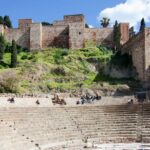
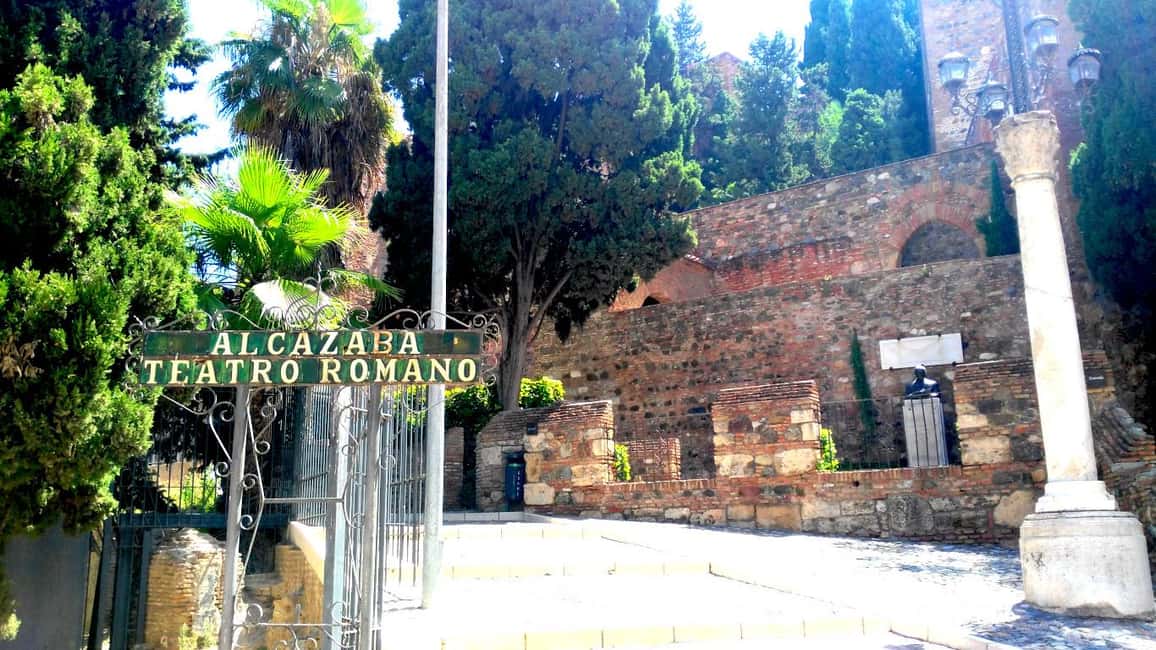
One of the first major sights is the Roman Theatre of Málaga. It dates back to the 1st century BC, and even without getting lost in scholarship, you’ll feel how Roman city planning still shapes where people walk and gather.
What I like about this stop is how it gives you a “foundation layer.” The guide can point out how the theatre fits into the wider idea of Málaga as a trading and cultural hub. You’re not just looking at stone—you’re learning how people used public spaces back then, and why this spot mattered.
A small drawback: the theatre stop is time-limited, so if you’re the type who wants to read every plaque and take your time, you might want to plan a longer independent visit later. As part of a 2-hour tour, though, it’s an excellent anchor point.
Picasso Museum: seeing the city through one famous name
Next up is the Picasso Museum Málaga stop. This part works well even if you’re not a hardcore art collector, because it’s less about museum trivia and more about how Picasso and the city connect. Picasso’s name is everywhere in Málaga, but a guide helps you make the connection from “famous resident” to “what the city actually felt like.”
You’ll also benefit from the way this tour links the artist to the streets around him. That matters because Málaga’s charm isn’t only in buildings—it’s in the layers of culture that built up over centuries and then fed into modern creativity.
If you’re short on time in Málaga, this is the kind of stop that can help you decide later whether you want to return for a deeper museum visit. If you’re already confident you’ll do the full museum experience on your own, this guided taste still helps you navigate what to focus on.
Catedral de la Encarnación (La Manquita): the story behind the famous tower
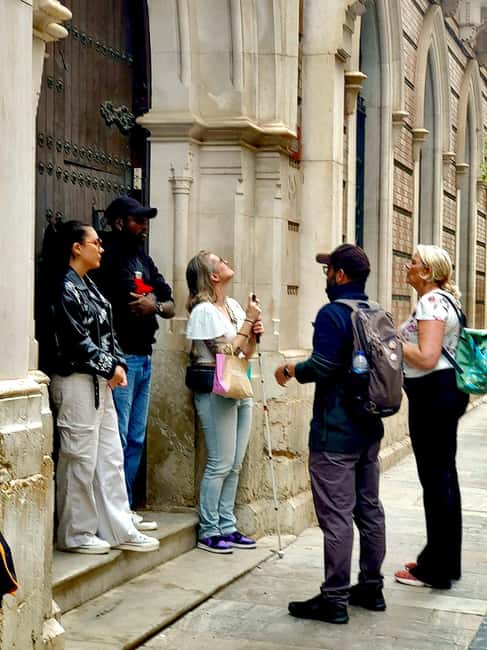
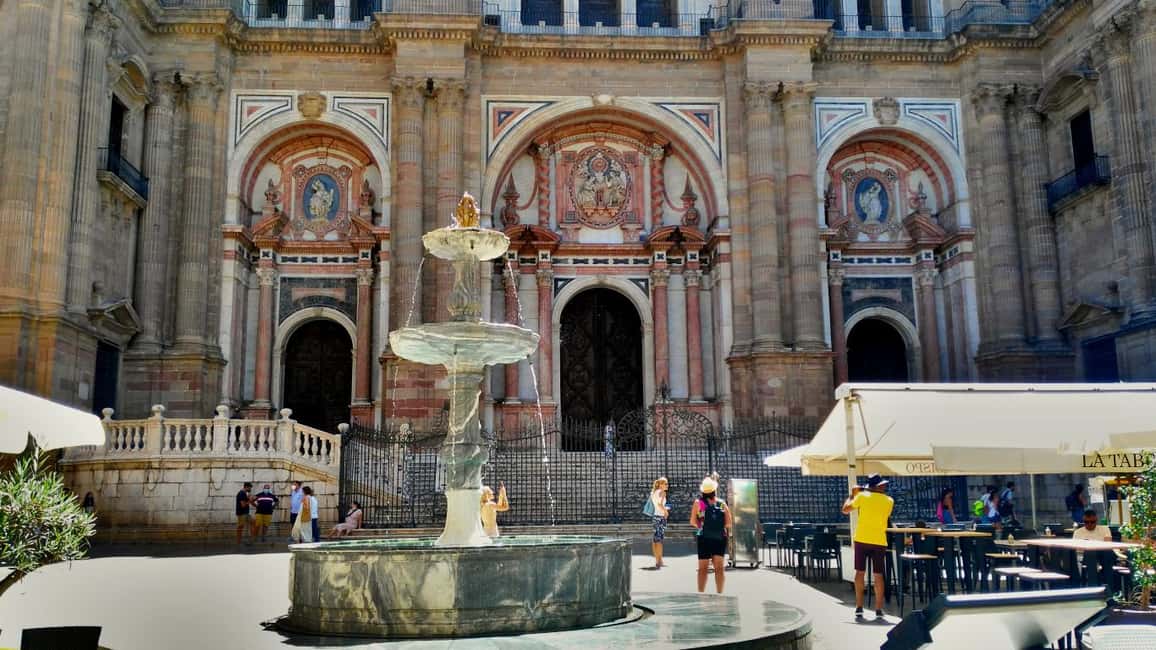
Then comes the star stop for many people: Catedral de la Encarnación, known as La Manquita because its second tower was never completed. The guide’s job here is crucial. Architecture can look dramatic in photos, but it’s the explanation that turns it into meaning.
You’ll hear about its construction story and what the unfinished element symbolizes to locals. That’s the difference between seeing a cathedral as a landmark and understanding it as a chapter in Málaga’s long public history.
What to expect on the ground:
- you’ll have a short visit window focused on key features
- you’ll get guidance on what to notice as you look up and around
One consideration: there can be a fair amount of religious and ceremonial context at this stop. If you prefer your sightseeing to be mostly secular stories, you might want to keep that in mind before you commit.
Constitution Square and old-town rhythms: where the city gathers
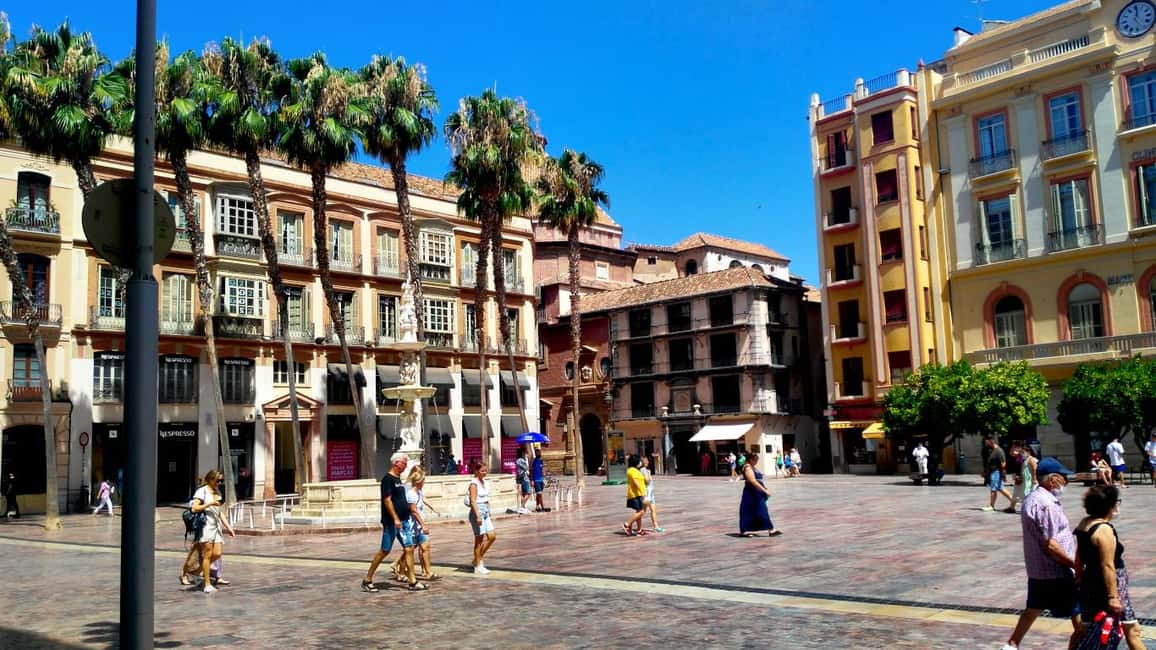
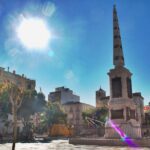
After the cathedral, you’ll head to Constitution Square, Málaga. This isn’t just a “pretty square” moment. It’s where the tour helps you understand how Málaga’s historic center operates as a living place—people pass through, meet, and keep the city moving.
The guide’s commentary can make the square feel like a crossroads between eras: a place shaped by past events, but still used today. That’s one of the underrated benefits of a guided walking tour—you get a map in your mind, not just a list of sights.
This is also the part of the walk where you’ll start feeling how the neighborhoods connect. You’ll likely notice the shift from major monuments to the tighter streets and the everyday storefront life that surrounds them.
You can also read our reviews of more historical tours in Malaga



Alcazaba fortress viewpoint: Moorish walls at the foot of Gibralfaro
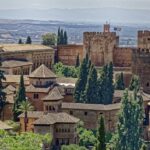
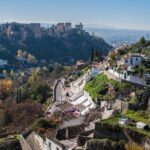
Even if you don’t spend a long chunk inside the fortress, you’ll get an important view of Alcazaba, a Moorish fortress located at the foot of Gibralfaro hill. The start point being near Alcazaba isn’t an accident—it helps you orient yourself immediately.
Why this matters: Málaga’s identity isn’t only Roman and Christian. The Moorish era left visible fingerprints on how the city’s fortifications were designed and how the landscape is used. When the guide connects Alcazaba to what you’re seeing elsewhere, the whole walk starts to click as one story.
Small tip: if the sun is strong, this is a good moment to take water, pause, and look up. The fortress-and-hill perspective can be especially striking when you’re standing in the right spot.
Mercado Central de Atarazanas: taste the city, not a script

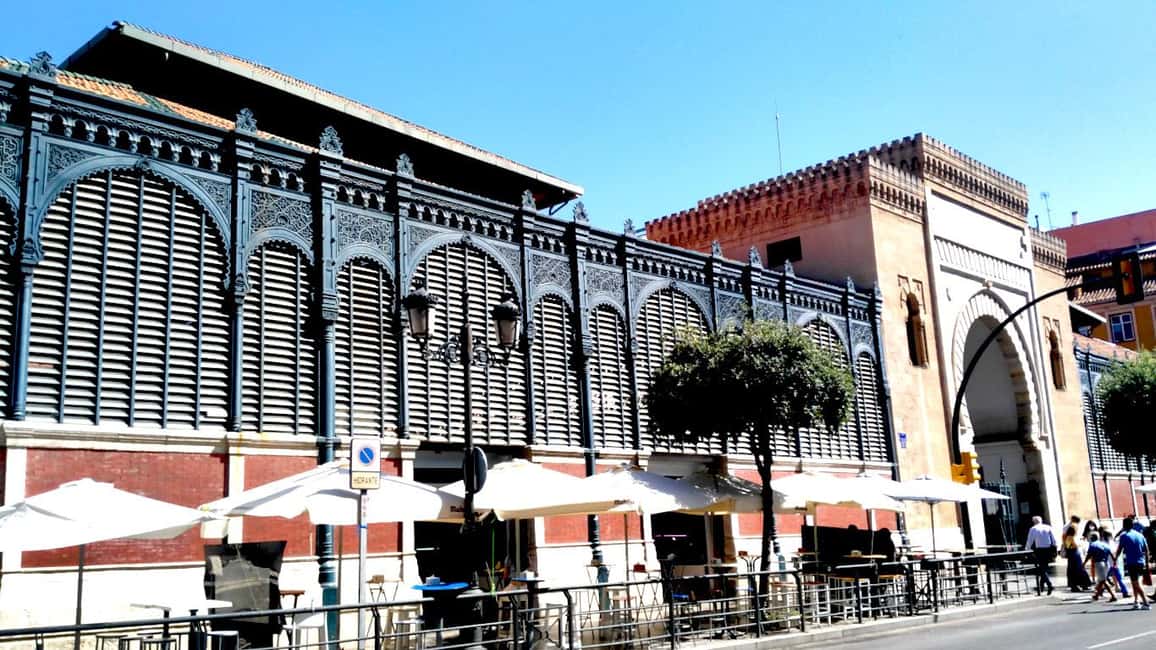
The final sightseeing phase includes the Mercado Central de Atarazanas, the central market that’s part food hall, part local marketplace energy. This is where the tour turns practical.
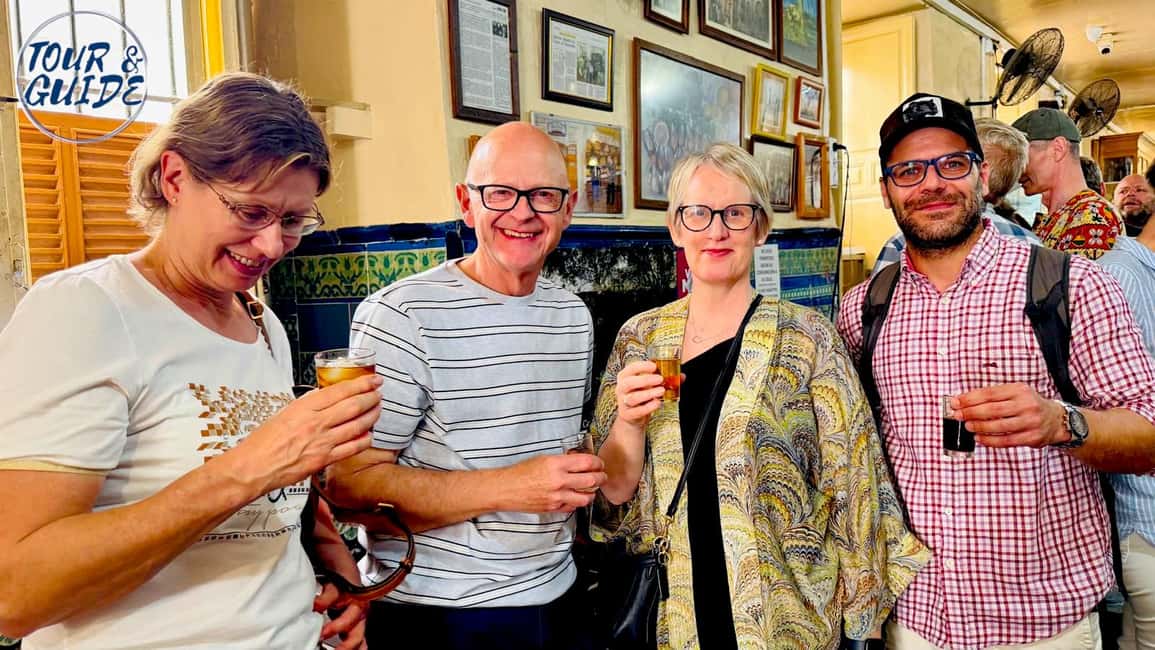
You’ll get a guided visit and a chance for tasting traditional products. That’s not just a snack break—it’s a way to understand how Málaga feeds itself and what locals treat as normal, good, and worth repeating.
And based on how the experience tends to land, that market stop is often where people start to feel the city’s daily rhythm most clearly. It’s also where your guide’s food and drink recommendations become useful for the rest of your trip.
People also commonly leave with advice that goes beyond the walk. Named suggestions you may hear include El Gallo Ronco and Las Chinitas, which can help you turn your next evening into something more local than random browsing.
The guide factor: why this walk works in 2 hours
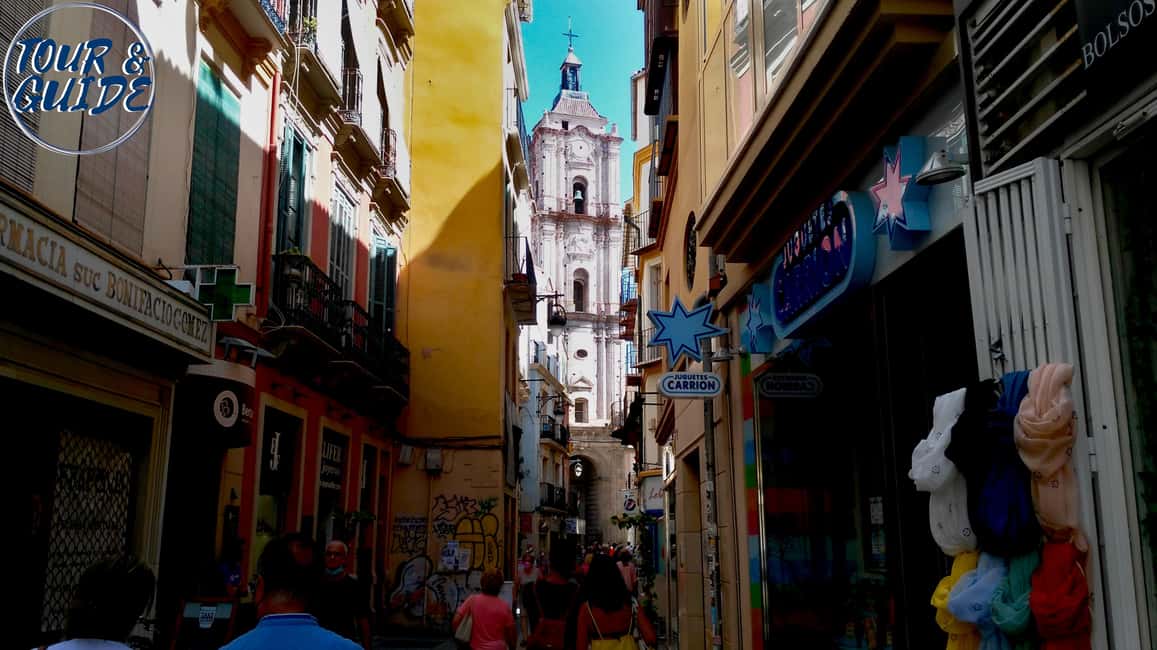
A good guided walk doesn’t just recite dates. It shapes the order you notice things and the way you connect them. In this case, the guide often makes the tour feel light, with humor and a comfortable pace, even while covering big-time topics like Roman Málaga, Moorish influence, and Picasso’s presence.
Two guide advantages you’ll feel if your day matches the same style:
- Clear explanations that help you understand what you’re looking at right now
- Personal recommendations at the end, so you don’t have to start from scratch when planning your food and drinks
Pacing also matters. This tour runs for about 2 hours, and each stop is timed to keep the story moving rather than dragging. If you’re busy and want maximum meaning per minute, that structure is a plus.
One small real-world snag to watch for: in at least one case, the start time shifted a bit due to admin timing and finding the group in a busy square. That doesn’t mean it’s common, but it does mean it’s wise to keep your schedule flexible around your chosen departure.
Price and value: is $23 a smart deal?
At $23 per person for a 2-hour guided walking tour, the value is mainly about what’s included beyond just “showing up and walking.”
You’re getting:
- a guided walk through the historic center
- time connected to major landmarks like Roman Theatre and Catedral de la Encarnación
- a Picasso-related stop
- an Alcazaba connection at the start
- a market visit plus traditional product tastings
- a surprise at the end
Even if you plan to come back to Málaga’s top sights later on your own, this tour can still be a strong starting point. You’ll get the orientation and the story that makes later visits faster and more satisfying.
Where this price can feel less “perfect” is if you’re already confident you’ll do a lot of self-guided museum time. In that case, you might want a longer, single-topic outing. But if you want one efficient, guided route that gives you both monuments and food, $23 is typically a fair match for what you’ll experience.
Who this Málaga historic walk suits best
This tour is a great fit if you:
- want a structured route through the historic center without the stress of planning
- care about understanding the meaning behind landmarks
- like your sightseeing mixed with food and local suggestions
- enjoy small-group energy where you can ask questions
It’s also a good choice for first-time Málaga visitors. The route covers the big recognizables, but the guide’s commentary adds the missing “why does it matter?” piece.
If you’re on a tight schedule and want one high-impact experience, this is also a smart anchor for your day.
If you’re only interested in modern art or only want museum time, you might find some stops less aligned with your interests. But for most people, it hits the right balance.
Should you book this Málaga Historic Center Tour?
I’d book it if you want your first Málaga day to feel organized and meaningful. The combination of La Manquita, the Roman Theatre, and a Picasso Museum connection gives you a clean timeline of what made Málaga important, while the Atarazanas market and tastings keep it from turning into “just monuments.”
I’d think twice if you dislike any cathedral-and-religious context, or if you prefer totally unstructured wandering where you don’t want guide timing. In that case, you could still visit the sights on your own, but you’ll likely miss the guide’s connections and practical food advice.
FAQ
How much does the Málaga Historic Center Tour cost, and how long is it?
It costs $23 per person and runs for about 2 hours. Starting times vary, so you’ll want to check availability to see when tours depart.
Where is the meeting point for the tour?
Meet at the white Tourist Information Point in Plaza de la Aduana, Málaga. It’s next to the Alcazaba.
How do I recognize the guide?
Your guide will be wearing a black cap (gorra negra), which makes it easier to spot the right group in the meeting area.
What languages are available for this tour?
The live guide is available in English and French.
What are the main stops on the tour?
You’ll visit the Roman Theatre, stop by the Picasso Museum, see Malaga Cathedral (Catedral de la Encarnación), visit Constitution Square, and tour Mercado Central de Atarazanas with tastings.
Is the tour wheelchair accessible?
Yes, the tour is listed as wheelchair accessible.
What should I bring for the walking tour?
Bring comfortable shoes, a sun hat, sunscreen, and water.
Can I pay later or cancel if my plans change?
You can reserve and pay later. The tour also offers free cancellation up to 24 hours in advance for a full refund.
Where does the tour end?
The tour ends back at the meeting point in Plaza de la Aduana.