Private history, without the squeeze of crowds. This private Malaga tour is built for your group, so you can move at a comfortable pace while a local guide points out what most visitors miss. You’ll start in the city center and work through key sights with built-in time for questions and context.
I especially like the way guides make the facts stick. With guides such as Nahuel and Manuel, you get local color and thoughtful answers as you walk. I also like that Alcazaba and the Roman theater come with admission, so you spend less time figuring things out and more time seeing.
One heads-up: the cathedral stop is exterior only, so if you want to go inside, you’ll need to plan that separately on your own after the tour.
In This Review
- Key Things to Know Before You Go
- Why This Essential Malaga Tour Feels Like City-First, Not Checklist-First
- La Calle Larios Starts You in the Right Place
- Malaga Cathedral: What You See (and What You Don’t)
- Alcazaba: The Fortress-Palace That Explains Malaga’s Power
- Teatro Romano de Malaga: A Theater With a Late Reveal
- Museo de Malaga (Outdoor Area) and the Picasso Birthplace Thread
- How the 2 to 3 Hour Timing Works for Real Days
- Price and Value: What You’re Really Paying For
- Who This Tour Suits Best (And Who Might Want Something Different)
- Tips to Make the Most of Your Private Time
- Should You Book This Private Tour of Essential Malaga?
- FAQ
- Is this a private tour?
- How long is the tour?
- What language is the tour offered in?
- Where does the tour start?
- What attractions are included with admission tickets?
- Is the Malaga Cathedral included with entry?
- Is the Picasso museum included?
- Does the tour include food or drinks?
- Is port pick-up included?
- Are there any accessibility considerations?
Key Things to Know Before You Go
- Private for your group: no joining strangers, and you set the pace for questions.
- Tickets are partly handled for you: Alcazaba and the Roman theater include admission.
- Great “order of sights” for first-time visitors: you get big landmarks without sprinting.
- Cathedral is exterior only: expect photos and explanation from outside.
- Picasso connection without a museum visit: you’ll hear about his birthplace from the outdoor Museo de Malaga area.
- Mobile ticket and English guide: easy to manage, with guided storytelling in English.
Why This Essential Malaga Tour Feels Like City-First, Not Checklist-First
Malaga can feel like it’s made of layers: Roman traces under modern streets, Moorish walls holding steady over centuries, and a Picasso-shaped thread you can follow right into today. This tour is designed to help you read those layers without turning your day into a rushed scavenger hunt.
What makes it work is the balance. You get the major landmarks—street-life, fortress, theater, and Picasso context—while your guide keeps explaining what you’re looking at and why it mattered. And because it’s private, you can slow down for photos, ask questions when something clicks, or keep moving when you’re eager to get the next view.
If you’re trying to get your bearings fast, this is a smart way to do it. You’ll finish with a clearer mental map of the center, plus ideas for what to explore next on your own.
You can also read our reviews of more private tours in Malaga



La Calle Larios Starts You in the Right Place
You begin at Plaza de la Constitución, then step onto La Calle Larios, Malaga’s emblematic main street. It’s a classic meeting point for a reason. This is where locals and visitors naturally funnel in, so it’s perfect for kicking things off because you’re surrounded by the city’s everyday rhythm.
From here, a good guide helps you link the street scene to the larger city story. You’ll hear context that makes later sights feel less random. Instead of viewing the Alcazaba or the Roman theater as isolated monuments, you start to see how Malaga’s “center of gravity” shifted and why certain places mattered.
Tip for you: if you’re sensitive to walking or want calmer photo stops, tell your guide early. Since it’s private, they can usually shape the flow a bit so you aren’t forced into a crowd-and-stop pattern.
Malaga Cathedral: What You See (and What You Don’t)
Next is Malaga Cathedral, and here’s the key detail: your visit is outdoor only. Your guide explains from the outside, sharing the story of the cathedral and pointing out features you can spot without tickets or inside entry.
This approach is efficient. You get the important background and visual cues, and then you’re not stuck spending time waiting or navigating without context. But it does mean you won’t automatically get the full interior experience as part of this tour.
If you want to go inside, plan it for after the tour. In fact, an important practical takeaway is that you may need to handle the cathedral entry on your own later, depending on your interests.
Alcazaba: The Fortress-Palace That Explains Malaga’s Power
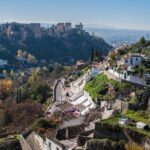
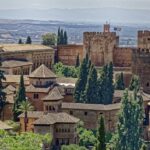
Then you move to Alcazaba, the massive palace-fortress that was completed in 1026 AD. This place can look like stone and walls at first glance. The difference here is that your guide explains what you’re seeing—military strength, administrative function, and the idea that this was also a seat of government.
That’s why this stop is one of the strongest values on the tour. You’re not just strolling around “cool old rocks.” You’re learning how a complex site worked: where power lived, how control was maintained, and how the layout supports defense.
The tour time here is generous compared to other city stops, and the Alcazaba admission is included, so you avoid an extra purchase mid-tour. Expect a walk through meaningful space with viewpoints that put Malaga’s layout into focus.
Teatro Romano de Malaga: A Theater With a Late Reveal
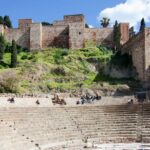
The Teatro Romano de Malaga is one of those sights that feels almost too good to be true—especially once you hear the timeline. Dating back to the 1st century, it stayed undiscovered by the public of Malaga until 1951.
Your guide connects the dots: this wasn’t just for plays. With space for almost 1,200 people, the theater also hosted opera and even public votes or referendums tied to life in Malaga. It’s a reminder that Roman entertainment wasn’t separate from civic life. It was part of how a city functioned.
You also get admission included, which matters because it keeps the momentum going. This stop works well if you like architecture and “how the past actually functioned,” not just how it looks in photos.
Practical tip: even if your schedule is tight, give yourself a few minutes longer here if you enjoy details. The setting next to the House of Culture area helps make it easier to linger and read the space without feeling rushed.



Museo de Malaga (Outdoor Area) and the Picasso Birthplace Thread
You wrap with the Museo de Malaga area, but here the focus is outdoor. The reason this stop is worthwhile is that it ties together the Picasso story with the surrounding city context, not just a museum ticket.
From this outdoor area, your guide shares insights about the life and work of Pablo Ruiz Picasso, including the point that Malaga is the birthplace of arguably the most globally known Malagan. Even without stepping into a museum during the tour, you’ll leave with enough context to decide whether you want to go deeper on your own afterward.
If you’re a first-time visitor and you want a “Picasso connection” without committing extra time, this works. You get the thread and a few guiding ideas, and you can choose your own next step depending on how much art time you want to spend that day.
How the 2 to 3 Hour Timing Works for Real Days
This tour runs about 2 to 3 hours, and it’s the kind of length that slots neatly into a vacation plan. It’s long enough to feel like you did something meaningful and got oriented, but short enough that you can still plan a lunch, a beach break, or a second walk after.
The route is set up to keep the day efficient: major city landmarks up front, fortress and viewpoints mid-tour, then the Picasso connection near the end. And since it’s private, you’re not trapped waiting for slower walkers in a large group.
One nice option: you can upgrade to a longer tour if you want more time with your guide. If you’re the type who likes to ask lots of questions—about food, neighborhoods, or what to do next—this is often where you’ll feel the extra time paying off.
Price and Value: What You’re Really Paying For
At $120.02 per person, this isn’t the cheapest “walk past a few buildings” option. The value comes from what’s included and how the time is used.
You’re paying for:
- A private guide for your group (so you aren’t sharing attention).
- Included tickets for the sites where tickets matter most: Alcazaba and Teatro Romano.
- A guided route that connects sights into a story, so you aren’t just looking at random landmarks.
If you’re comparing against cheaper tours that cram more people in, this private format is often the better trade. It’s also ideal if you want to ask questions and get practical advice as you go—like where to linger, what to photograph, and what’s worth a return visit.
Also consider the cathedral situation. Since it’s outdoor only and admission isn’t included there, you may spend a little extra time or money later if you want to go inside. That’s normal for many city tours, but it’s good to know in advance.
Who This Tour Suits Best (And Who Might Want Something Different)
This tour fits best if you:
- Want an easy first introduction to central Malaga.
- Like history explained in plain language while you walk.
- Prefer a private setting where you can move at your group’s speed.
From real feedback you can take one practical lesson: it can work well even with mobility concerns. One guide, Nahuel, was specifically praised for accommodating mobility needs while still delivering historical detail and comfort. If you have any walking limits, mention them upfront so your guide can plan pacing.
You might want a different option if:
- You’re only interested in museum interiors, not outdoor views. The cathedral and the Picasso-area stop are both not “go inside” moments during this tour.
- You want a full Picasso museum visit included. The tour ends outdoors near the Picasso birthplace story rather than functioning as a museum-ticket package.
Tips to Make the Most of Your Private Time
Here are a few smart moves that usually improve the tour experience—without needing any special planning:
- Wear shoes you’re comfortable walking in. Even at a relaxed pace, you’ll cover several stops.
- Bring a small water bottle. The tour doesn’t list food or drinks as included.
- If there’s a sight you care about most—fortress views, Roman details, or Picasso—tell your guide early. They can often focus their explanation where it matters to you.
- Take photos, but also pause. The guided explanations work best when you’re not rushing past everything.
If you’re traveling with kids or you like quick answers, private tours are a strong fit. Your guide can adjust the pace and tone so the time stays enjoyable.
Should You Book This Private Tour of Essential Malaga?
I think you should book it if you want a high-impact, low-stress introduction to Malaga. The combination of private guiding, included admission for major highlights, and a route that ties together fortress, Roman theater, and Picasso context makes it a practical choice for many first-timers.
Skip it—or pair it with a follow-up—if you’re mainly chasing interior-heavy attractions. Since the cathedral is outdoor only and the Picasso connection is shared from an outdoor area, you’ll likely want to plan optional add-ons after the tour.
If you do book, you’ll get the most out of it by leaning into the guide. The best moments aren’t the photos. It’s the part where your guide explains what you’re looking at and helps you decide where to spend your next hour in Malaga.
FAQ
Is this a private tour?
Yes. It’s a private tour/activity, and only your group participates.
How long is the tour?
It’s listed as about 2 to 3 hours.
What language is the tour offered in?
The tour is offered in English.
Where does the tour start?
The meeting point is Plaza de la Constitución, Plaza de la Constitución, Distrito Centro, Málaga, Spain.
What attractions are included with admission tickets?
Alcazaba and Teatro Romano de Malaga include admission tickets.
Is the Malaga Cathedral included with entry?
No. The cathedral stop is described as outdoor only, and admission is not included.
Is the Picasso museum included?
The tour ends with the Museo de Malaga area described as outdoor only, where you learn about Pablo Ruiz Picasso’s life and work and his birthplace context. The Picasso museum itself is not listed as included.
Does the tour include food or drinks?
No. Any food or drinks are not included.
Is port pick-up included?
No. Port pick-up is not included, and the guide will greet you at the meeting point.
Are there any accessibility considerations?
The information says most travelers can participate, and service animals are allowed. One review also highlights that a guide accommodated mobility concerns.