REVIEW · MALAGA
Roman Theatre and Alcazaba of Málaga Tour
Book on Viator →Operated by Top Tour Málaga · Bookable on Viator
Two Málaga eras, one easy walk. You’ll start with a well-preserved Teatro Romano and then climb into the Alcazaba for sweeping views, all with an official guide who makes the stones feel alive. I especially like the way the guide turns each wall and stair into a story you can picture. The only real catch: at 1 hour 30, the pace is brisk, so comfy shoes matter if you’re sensitive to stairs.
This is a smart value choice if you want the highlights without building a full day plan. The group is capped at 20, so you should get questions answered instead of getting swept along. Plus, the mobile ticket setup is simple.
One more thought: food and drinks aren’t included. If you’re doing this at 10:00 am, plan to eat after—your stops are active and mostly outdoors, with views that make you want to linger a bit.
In This Review
- Key Things To Know Before You Go
- Roman Theatre and Alcazaba: Why This Pairing Works
- Meeting At the Cristal Pyramid and Starting With Roman Málaga
- Teatro Romano de Málaga: A 1st-Century-AD Stage You Can Still Feel
- Alcazaba Fortress Walls: Learning Why It Was Called Impregnable
- Gardens, Palace Life, and the View Over the Port
- What You Get for the Price (and Why It Feels Fair)
- Guide Style: When Storytelling Changes How You See Stones
- Timing, Shoes, and Weather: The Real-World Stuff
- Who Should Book This Tour?
- Should You Book the Roman Theatre and Alcazaba Tour?
- FAQ
- Where does the tour start?
- What time does the tour begin?
- How long is the tour?
- Is the tour in English?
- Is the Alcazaba ticket included?
- Do I need to pay for the Roman Theatre entry?
- What is the group size limit?
- Is food or drinks included?
- What happens if the weather is bad?
- What is the cancellation window?
Key Things To Know Before You Go
- Official guide + English focus: You’re not just buying entry tickets; you’re getting guided context throughout.
- Teatro Romano built in the 1st century AD: You’ll connect what you see to Málaga’s long story.
- Alcazaba tickets are included: You get access to the fortress grounds without extra ticket steps.
- Walk through walls, gardens, and palaces: The tour is designed as a top-to-top path with the best payoff at the top.
- Small group limit (max 20): A calmer feel than big city bus tours.
- Good weather needed: If conditions are bad, expect a reschedule or refund path.
Roman Theatre and Alcazaba: Why This Pairing Works
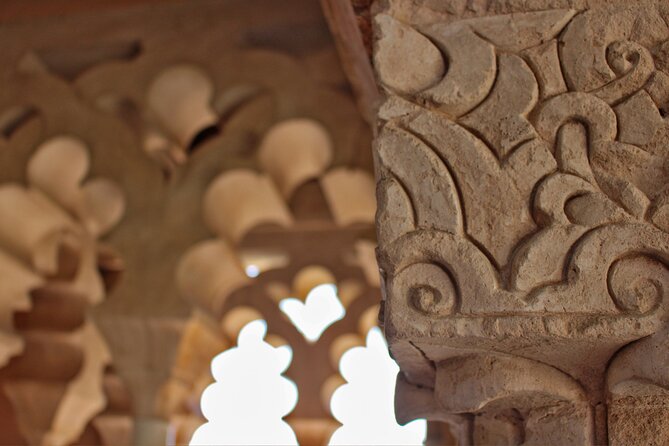
Málaga has a habit of stacking time on top of time. You look at one area and you’re suddenly in another century. That’s the charm of this combo tour: you go from Roman public life to the fortress mindset of medieval Al-Andalus, without having to hop around town with extra planning.
The Roman Theatre stop gives you the city’s early “global” identity. The Alcazaba, meanwhile, shows how rulers defended power high above the port. Put together, it helps you understand Málaga as more than a beach city. It’s a place where geography mattered, and rulers learned to control the hills.
You can also read our reviews of more tours and experiences in Malaga.



Meeting At the Cristal Pyramid and Starting With Roman Málaga
You meet at Pirámide de Cristal on C/ Alcazabilla, 4 (near Alcazabilla Street). It’s a straightforward pick-up point that’s easy to spot once you’re in the right zone, and it’s close to public transportation. Start time is 10:00 am, so it’s a great way to kick off your day before the midday heat and crowds peak.
From the get-go, the guide sets expectations: you’ll start looking at the Roman Theatre remains, then shift to the Alcazaba fortress. That sequencing matters. When you first learn what the Romans built for public gatherings, the later fortress layouts feel like a totally different strategy—less about entertaining and more about controlling access.
You’ll also get mobile ticket entry included in the process, which cuts down on last-minute confusion. For a short 1 hour 30 experience, that efficiency is a real perk.
Teatro Romano de Málaga: A 1st-Century-AD Stage You Can Still Feel
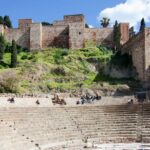
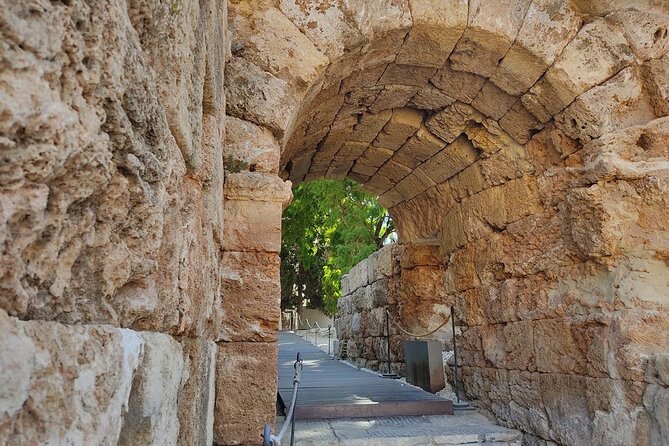
The first stop is Teatro Romano de Málaga. You’ll spend about 30 minutes at the archaeological remains, guided by your official host. The big draw here is that you’re looking at a Roman theatre that dates to the 1st century AD, so it’s old in a way that’s easy to picture. You’re not just reading a sign; you’re standing inside the bones of the place.
The tour’s approach is practical: the guide points out features and explains how the theatre worked in its original setting. That helps you see why Roman theatres were more than just entertainment. They were public spaces tied to civic life, status, and community.
What I like about starting here is the contrast. By the time you reach the Alcazaba, your brain already knows how Romans organized space for people. Then you’ll watch medieval builders use space differently: tighter, defensive, and built to control sightlines and movement.
Possible drawback: this stop is time-limited. If you like to go slow and linger over every stone detail, you might want extra self-guided time after the tour.
Alcazaba Fortress Walls: Learning Why It Was Called Impregnable
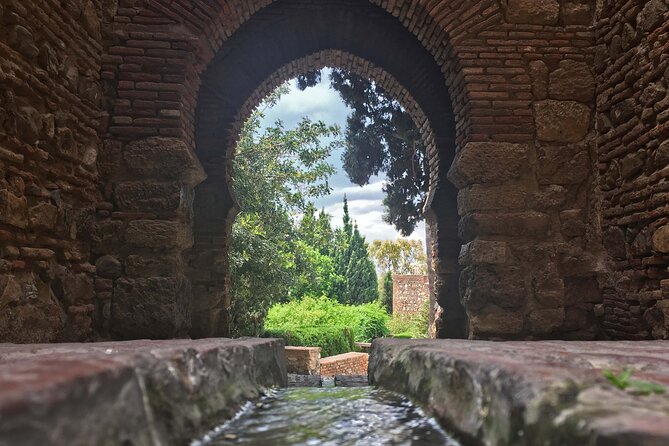
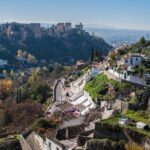
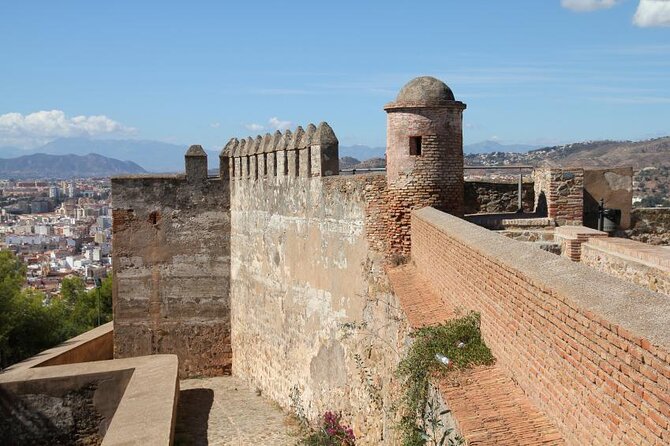
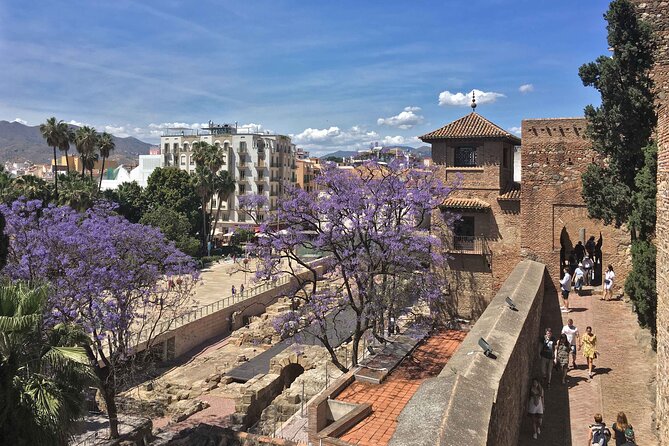
Next comes the Alcazaba. You’ll spend roughly 30 minutes walking its walls and learning how the citadel earned a reputation for being hard to conquer. The Alcazaba is often compared locally to the Alhambra—described as the younger sister—because it shares that Al-Andalus feel, just on a different scale.
The wall walk is where the fortress logic starts to click. From inside the citadel, you can understand how defense is built into the shape of the place. The guide helps you connect the physical design to the historical story—how high ground, controlled entrances, and strong construction discouraged attackers.
This is a strong stop if you enjoy seeing architecture as strategy. Even if your Spanish is limited, the fortress doesn’t require special “knowledge” to appreciate. Still, having the guide interpret it makes a big difference. It changes it from pretty ruins into a working defensive machine.
Gardens, Palace Life, and the View Over the Port
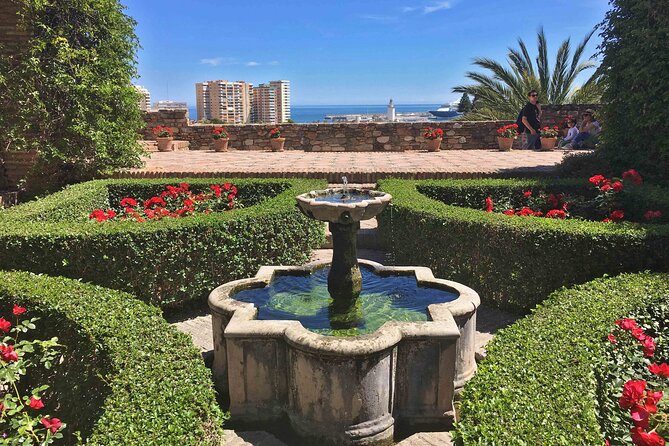
The tour’s final stretch takes you upward to the top area of the Alcazaba, where you’ll see the Arabic gardens and the palace areas tied to governance. This is the part you’ll likely remember most. The gardens create a sense of lived-in design, and the palace focus helps you grasp that the Alcazaba wasn’t only a fort. It was a home for kings and governors for more than 400 years.
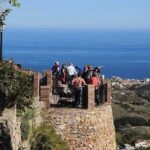
Then comes the payoff: the view toward the Port of Málaga. Standing there, you can connect the dots between fortress and coastline. You see why controlling the hills gave rulers leverage over trade, movement, and security.
For photos, it’s the best lighting slot on a lot of mornings because you’re high and angled toward the sea. If you want to take your time, this is where you’ll do it—your guide can point out angles while you’re still moving, which keeps the pace from feeling like a race.
Practical note: since this is a climb and you’ll be walking through an active historical site, wear shoes you trust on uneven ground.

What You Get for the Price (and Why It Feels Fair)
The price is listed at $26.43 per person, and for an experience like this, you’re mostly paying for two things: an official guide and included access where it matters.
Here’s the value picture:
- Your guide is included throughout, not just for one stop.
- The Alcazaba ticket is included.
- The Roman Theatre admission is listed as free for the stop.
So while the total time is about 1 hour 30, the tour isn’t just “show up and go in.” It’s structured to help you understand what you’re seeing as you move from point to point.
The group size cap (max 20) also matters. In small groups, guides can answer questions and adjust pacing if someone needs it. The reviews emphasize that the guide tells stories in a way that keeps things interactive, and that’s exactly what you want for a place like the Alcazaba, where the architecture can feel abstract unless someone explains the pattern.
If you’re trying to pack a day in Málaga without sacrificing understanding, this is a very reasonable spend.
Guide Style: When Storytelling Changes How You See Stones
One repeated theme in the guide feedback is that Raquel Haro (the host for this tour) tells the story in a way that feels human—professional, interactive, and built to keep you engaged. The guide also uses visual aids, including pictures, which helps you “see” how spaces were used, not just how they look now.
That storytelling is more than entertainment. It’s practical for your own travel memory. When you later walk past the Alcazaba walls on your own, you’ll remember the meaning behind what you’re seeing—routes, defensive logic, and the shift from Roman public life to Al-Andalus power.
If you enjoy guided history that stays grounded in what you’re standing in front of, this kind of hosting is a win.
Timing, Shoes, and Weather: The Real-World Stuff
This tour starts at 10:00 am and runs about 1 hour 30. It’s short enough that you can combine it with lunch and another afternoon activity, yet long enough that you’ll cover both major zones without rushing wildly.
The tour requires good weather. If conditions aren’t right, you’ll be offered a different date or a full refund. Since the experience is outdoors and includes walking, good weather affects comfort and footing. Even if you’re used to travel walking, you’ll appreciate dry ground here.
Bring:
- Comfortable shoes (you’ll be navigating uneven historic areas)
- Water if you’re the type who gets thirsty in the morning
- A light layer, especially in cooler months
Who Should Book This Tour?
Book this if:
- You want a guided first look at two of Málaga’s top historic sites.
- You like short tours that don’t eat your whole day.
- You care about context: how places worked, not just when they existed.
- You’re traveling in English and want an official guide rather than piecing it together yourself.
Skip it (or add time on your own) if:
- You prefer long, slow exploration with minimal structure.
- You want to linger for a long time at each viewpoint without any schedule pressure.
Should You Book the Roman Theatre and Alcazaba Tour?
Yes—if you want a high-impact overview that turns architecture into understanding. This is one of those tours where the included ticket and the official guide do the heavy lifting, so you don’t waste time figuring out what to look at. The small group size also makes it feel more like an informed walk than a conveyor-belt visit.
My main caution is the pace. With 1 hour 30, it’s efficient, not leisurely. If you’re very sensitive to stairs or uneven walking, make sure you’re comfortable with an uphill route. Otherwise, this is an excellent way to connect Málaga’s Roman roots to the fortress mindset of the Alcazaba—and to end with that view over the Port.
FAQ
Where does the tour start?
The tour starts at Pirámide de Cristal, C/ Alcazabilla, 4, 6, Distrito Centro, 29015 Málaga, Spain. The meeting point is next to the glass pyramid.
What time does the tour begin?
The start time is 10:00 am.
How long is the tour?
The duration is approximately 1 hour 30 minutes.
Is the tour in English?
Yes, it is offered in English.
Is the Alcazaba ticket included?
Yes. Alcazaba tickets are included in the tour.
Do I need to pay for the Roman Theatre entry?
The Roman Theatre stop is listed as having an admission ticket free.
What is the group size limit?
The tour has a maximum of 20 travelers.
Is food or drinks included?
No. Food and drinks are not included.
What happens if the weather is bad?
The tour requires good weather. If it’s canceled due to poor weather, you’ll be offered a different date or a full refund.
What is the cancellation window?
You can cancel for a full refund if you cancel at least 24 hours before the experience’s start time.