REVIEW · MALAGA
Málaga: Highlights, Old Town & Viewpoint Walking Tour
Book on GetYourGuide →Operated by Oh My Good Guide · Bookable on GetYourGuide
Malaga reveals its secrets on foot. This 2-hour guided highlights route threads together Old Town landmarks and a viewpoint you don’t usually see on quick city tours, with plenty of context on how the city changed over 3,000 years. It’s structured, but it never feels like a checklist.
I like two things a lot. First, you get major stops like the Cathedral area and the Alcazaba Fortress as real waypoints, not just photos. Second, I really value that viewpoint segment over Malaga Bay because the hike is short, paved, and timed to pay off fast with great sightlines.
One thing to keep in mind: you’ll do a short uphill walk to the viewpoint, and this tour is not suitable for mobility impairments. Comfortable shoes and basic stamina matter more than you might think.
In This Review
- Key things to look forward to
- Where the Tour Starts: Fuente de Genova and Calle Larios
- Old Town Core Stops: Cathedral Area, Picassos, and Santiago
- Plaza de Obispo and the Moorish Street Feel
- Alcazaba Fortress: Walls, Reconquest, and the View Rising
- The Paved Climb to the Best Bay Viewpoint (That Few Tours Reach)
- Gardens of the Dark Door and Paseo del Parque: When Malaga Gets Quiet
- Final Walk-Through Logic: Roman Theater and the Trip’s Time Loop
- Price and Value for $46: What You’re Actually Paying For
- What to Bring and How to Prepare for the Short Hike
- Who This Walking Tour Fits Best (and Who Should Skip)
- Should You Book This Malaga Old Town and Viewpoint Tour?
- FAQ
- Where does the tour meet?
- How long is the Malaga highlights walking tour?
- How much does it cost?
- What’s included in the price?
- Is hotel pickup included?
- What languages are offered?
- What should I bring?
Key things to look forward to
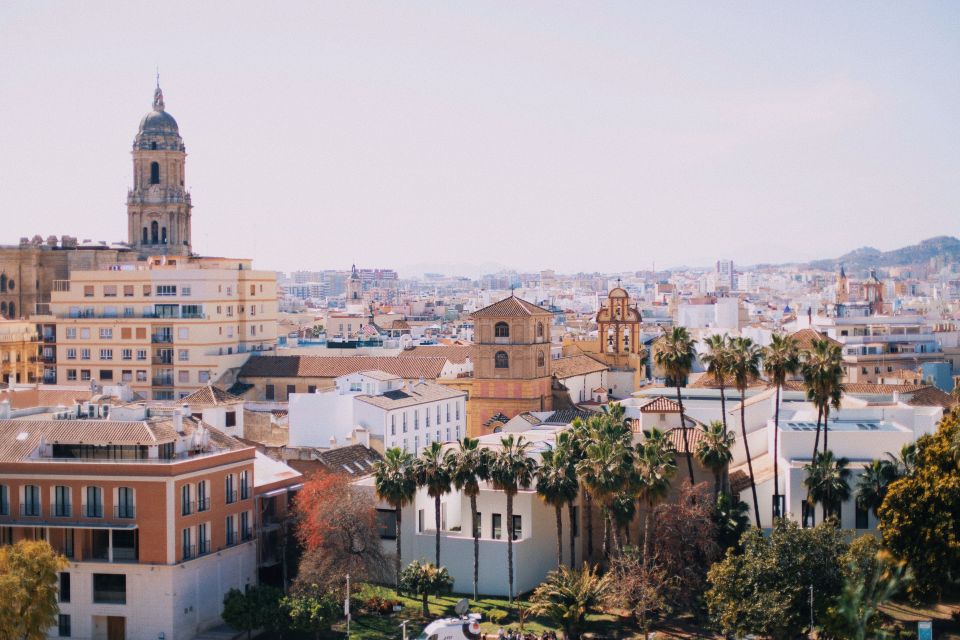
- A rare viewpoint over Malaga Bay that other tours don’t reach
- Old Town landmarks in a tight 2-hour route, from plazas to fortifications
- Picasso-focused stops including Picasso’s birthplace area
- Alcazaba Fortress walls and Roman layers you can actually see as you walk
- Dark Door Gardens + Paseo del Parque for a softer, greener break
- Small-group energy that helps you get real recommendations from your guide
Where the Tour Starts: Fuente de Genova and Calle Larios
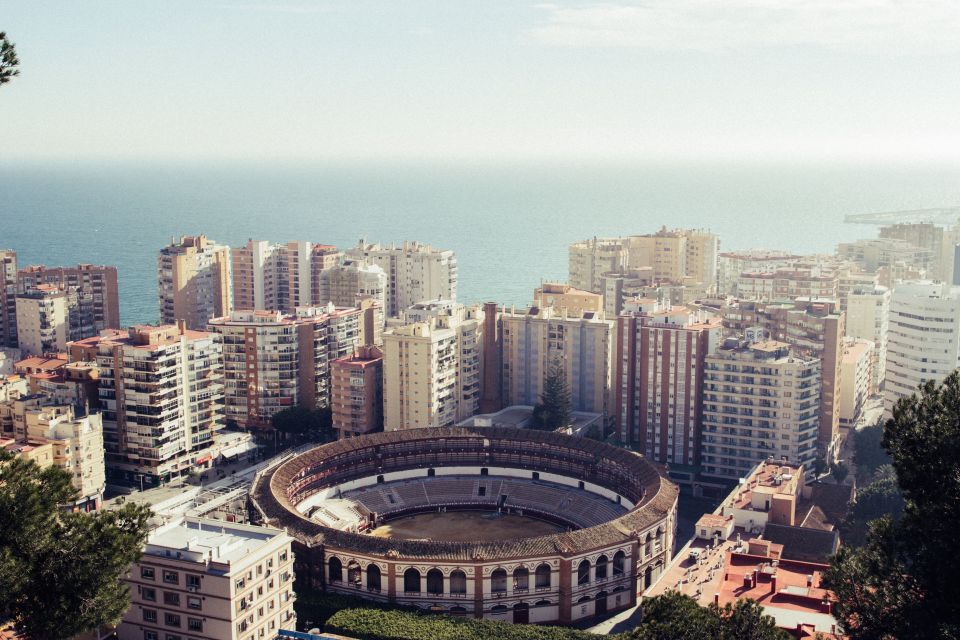
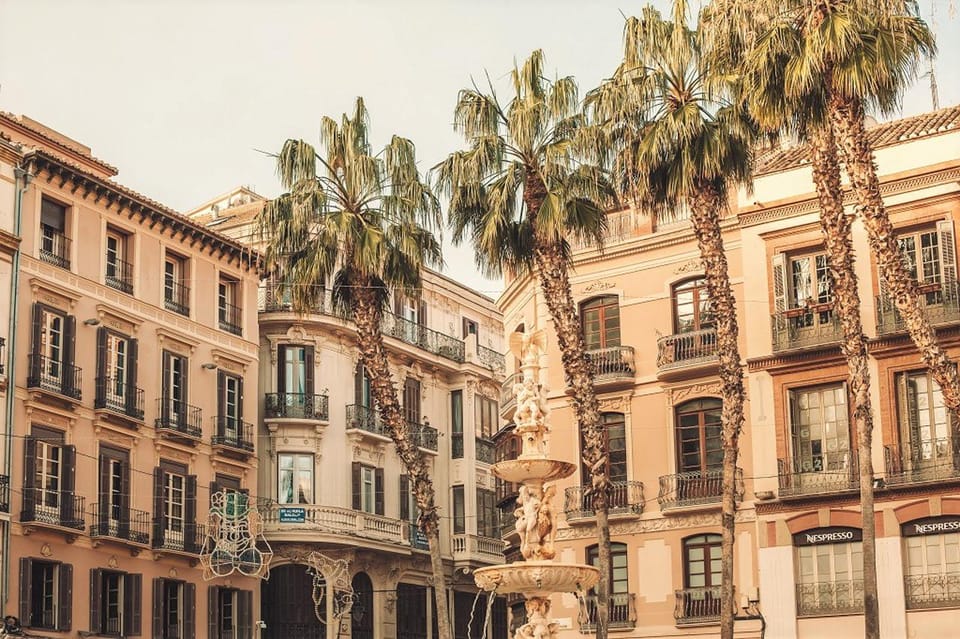
You meet right next to the White Fountain (Fuente de Genova) in Plaza de la Constitución. This is a good setup point because it’s central, easy to find, and you immediately get into the main pedestrian flow.
From there, the tour moves to Calle Larios, one of Malaga’s signature streets. This matters because it helps you calibrate the city fast. You’ll get a sense of where the old core sits, how streets funnel you toward the historic sites, and how modern Malaga still wraps around the older layers.
Your guide also gives you the kind of orientation that makes the rest of the trip smoother. Think: where to look, what to notice on façades and walls, and which monuments connect to each other in time.
You can also read our reviews of more walking tours in Malaga

Old Town Core Stops: Cathedral Area, Picassos, and Santiago

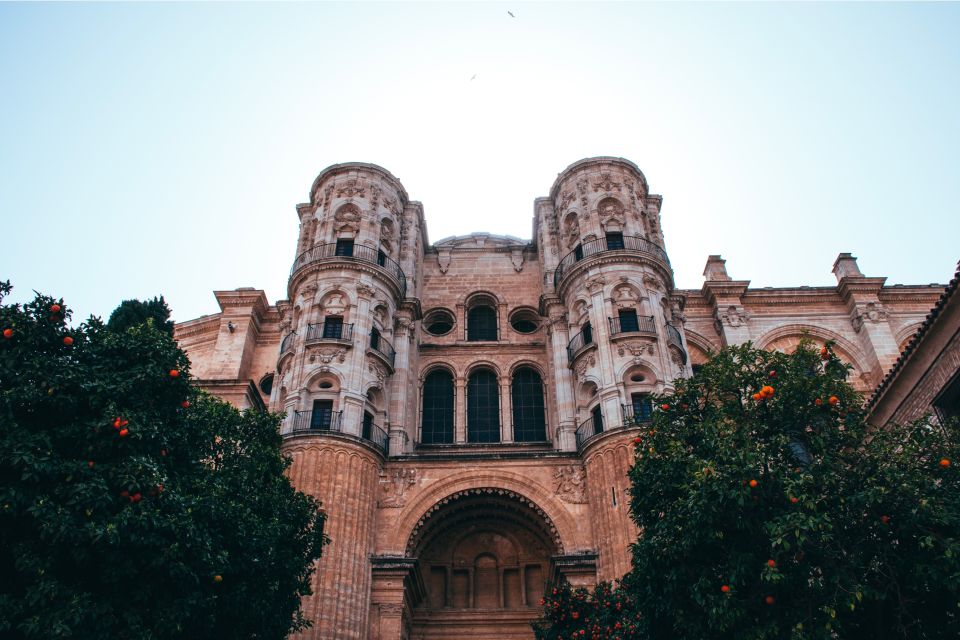
This tour is built around walking Malaga’s key historic spine, and it hits multiple Picasso-related areas. You’ll pass by the Malaga Cathedral, which gives you a quick but meaningful anchor for the city’s Christian era. Even if you don’t go inside, the exterior setting helps you understand why this part of town became a focal point after earlier periods.
Then you’ll swing through the Picasso orbit:
- You pass by the Picasso Museum area.
- You also visit Picasso’s Birthplace Museum.
That’s a smart pairing because Picasso is a modern entry point into older streets. The guide’s commentary helps connect why people still pack these sites today, while keeping your eyes on the surrounding city fabric rather than treating it like separate attractions.
You’ll also pass by the Church of Santiago. This kind of stop can feel small on paper, but in the walking context it helps you read the neighborhood. Religious buildings often mark shifts in patronage, community identity, and urban development, and your guide explains what those changes meant here.
Between plazas, churches, and museum zones, I like how the tour keeps the pace steady. You’re not running from one entrance to another—you’re learning the story of how this town laid out its important spaces.
Plaza de Obispo and the Moorish Street Feel
The route includes Plaza del Obispo, which functions like a pause button. Plazas in Malaga’s old center are more than pretty squares. They’re where you can step out of the street flow and get a clearer picture of the monument hierarchy around you.
As you continue, you’ll walk along the narrow Old Town streets that feel distinctly Moorish in character—tight, textured, and built for the kind of urban closeness that doesn’t translate well in a car. This is where you start noticing details you’d miss if you only rode a bus or focused on the biggest buildings.
The payoff here is more than atmosphere. The guide frames the streets as part of the long timeline of 3000+ years of history. You’ll hear how different periods left their imprint, and how the city’s identity shifted rather than simply restarted.
Alcazaba Fortress: Walls, Reconquest, and the View Rising

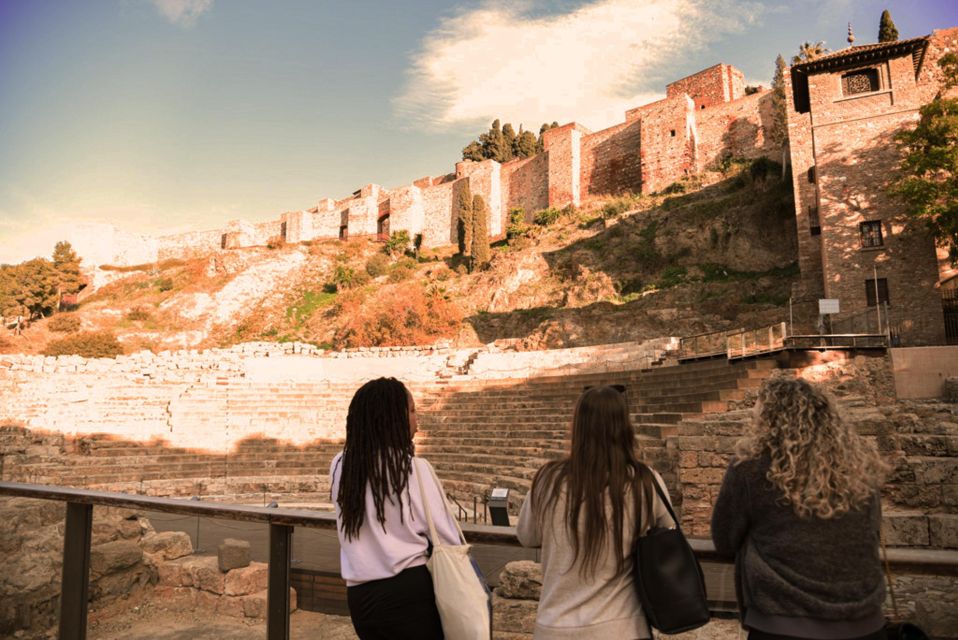
One of the strongest parts of this walking tour is the approach to the Alcazaba of Malaga. Even when a tour is short, the Alcazaba has a way of making time feel physical. It’s not just a photo spot—it’s a place where walls and elevation explain strategy.
As you move, your guide points out remains of the fortress wall on the way up. That detail matters. When you can see what’s left and learn what it used to protect, you get a better sense of how people lived with the city’s defenses.
Your guide also talks about what changed after the Christian reconquest. That historical pivot is the kind of thing that gets lost if you only read a sign. Here, it’s tied to the route you’re walking—so you understand the city transformation as something that affected real daily life, not just rulers on paper.
The Paved Climb to the Best Bay Viewpoint (That Few Tours Reach)
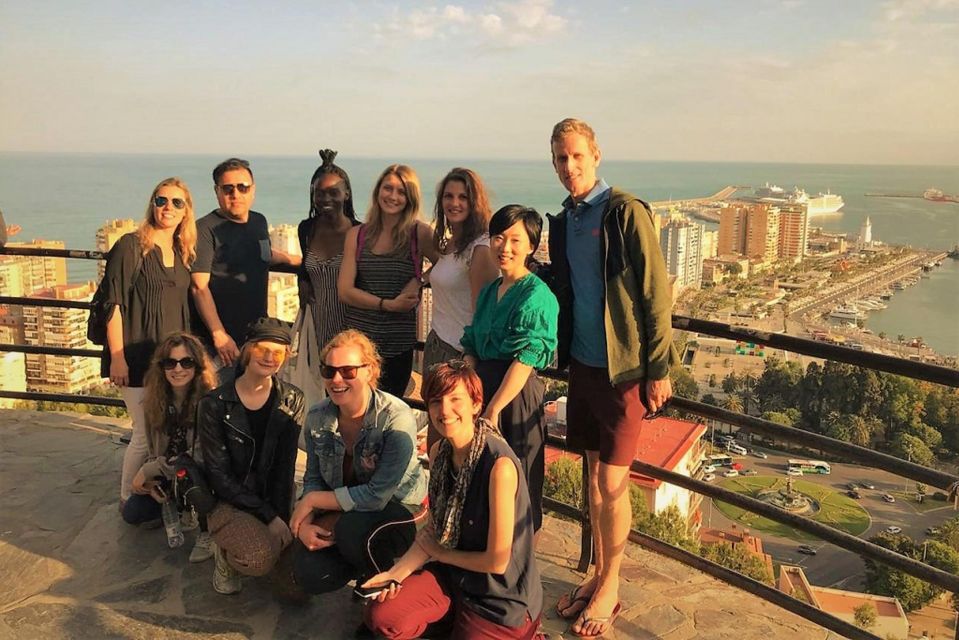
After the Old Town core, you start a short hike on a paved path to the best viewpoint overlooking Malaga Bay—and the standout detail is that this stop is not something every tour includes. That’s why it feels special: you’re not just getting another skyline moment.
This segment is short, but it does ask for effort. The path is paved, yet it’s still an uphill walk. If your main goal is maximum distance with minimum walking, this is the place where you may feel it most. If your goal is a better angle on Malaga, it’s worth it.
The guide makes the viewpoint feel earned. You’re shown what to look for as the bay opens up, and you get context for why the coastline and city layout mattered. Even without going too deep into technicalities, you’ll leave with a clearer mental map of where everything sits relative to each other.
This is also where small-group energy pays off. When your group is small, you tend to have an easier time hearing the story and adjusting your position for photos.




Gardens of the Dark Door and Paseo del Parque: When Malaga Gets Quiet
Later, the tour brings you to the Gardens of the Dark Door and the Paseo del Parque tropical park. This is a nice contrast to the stone-heavy Old Town stretch. The city doesn’t only deserve attention for monuments. It also deserves attention for how people move through shaded, calmer spaces.
Why this matters: Malaga’s appeal isn’t just about what’s old. It’s about how the city manages comfort—temperature, light, and shade—so daily life can keep going. The park segment helps you picture Malaga as a place where residents actually stroll, not just a place you pass through.
You’ll also connect these gardens to what came next in the city’s modern growth story. The tour explains how the Paseo del Parque and the brand new Port helped Malaga become a reference point for cultural tourism—and a place that many want to call home.
That’s the kind of big-picture link that makes a walking tour more than a series of stops. It gives you a sense of why today’s visitor experience looks the way it does.
Final Walk-Through Logic: Roman Theater and the Trip’s Time Loop
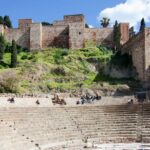
The tour loops you back into the Old Town’s historical rhythm and then ends near the Teatro Romano de Málaga. Ending here works because the Roman theatre ties the whole route together.
You don’t just leave with a list of monuments. You leave with the idea that Malaga repeatedly reinvented itself—Roman foundations, Moorish urban character, Christian reconquest changes, and modern cultural draw tied to art and tourism.
Your guide walks you through the Roman Theatre area, reinforcing how the Roman layer still shapes what you see on the street today. It’s a strong final note because it helps you read the city in layers instead of in isolated attractions.
Price and Value for $46: What You’re Actually Paying For
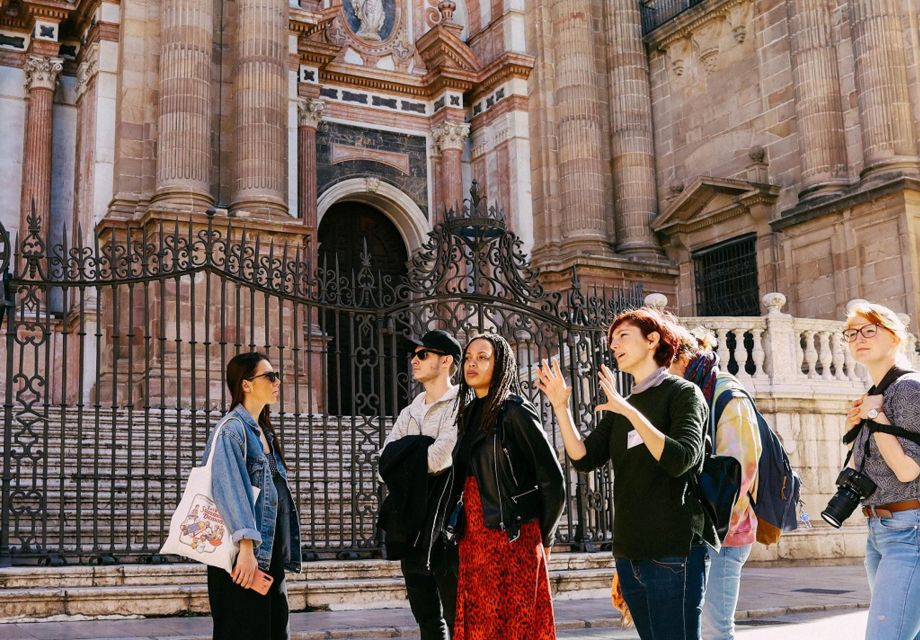
At $46 per person for a 2-hour guided walk, you’re paying for three big things:
- A route that combines multiple high-demand sights without wasting time.
- Context that makes those sights easier to understand later on your own.
- A rare viewpoint stop that’s worth real walking effort.
You should compare it to what you’d do solo. If you try to cover the same mix of Old Town monuments, fortress area, and a viewpoint without guidance, you’ll spend more time figuring out the best sequence. And without a guide, it’s easy to get lots of photos but less comprehension.
Also note that this isn’t a long day tour. It’s short by design, which is good value for visitors who want structure without committing to half a day of walking and museum time.
The tour includes the guided experience, and you’ll want to plan your own meals and any personal museum visits separately.
What to Bring and How to Prepare for the Short Hike
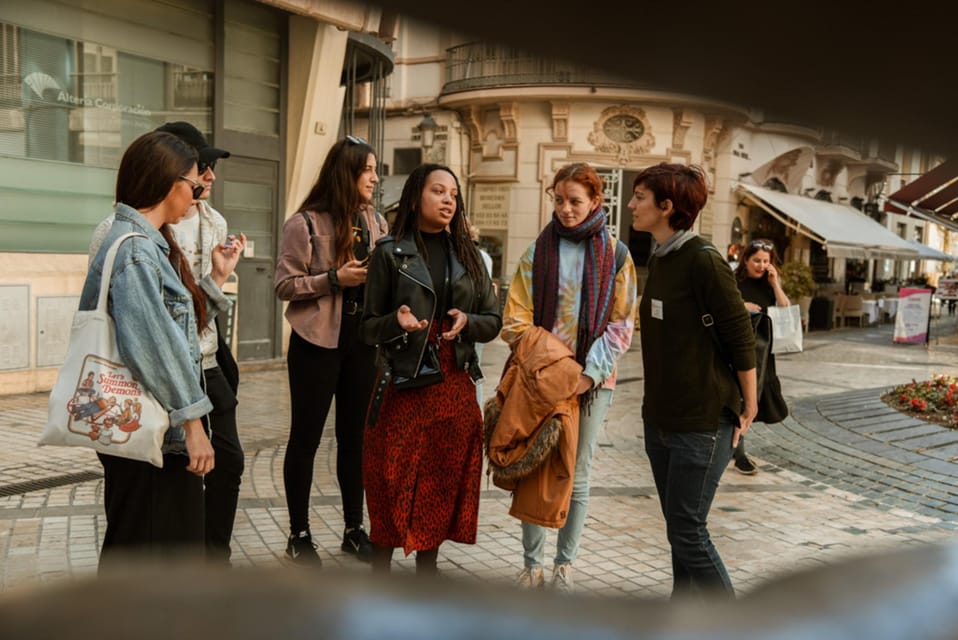
This tour is mostly a walking circuit plus a short uphill climb. Pack like that.
Bring:
- Comfortable shoes (you’ll be on foot for the whole route)
- Water (especially if you’re doing it in warm months)
If you’re the type who hates even mild uphill segments, the viewpoint hike is the one to think about before you book. If you’re comfortable with steady walking and don’t mind an uphill stretch, you’ll be fine.
Who This Walking Tour Fits Best (and Who Should Skip)
This experience is a strong fit if you:
- Want a high-coverage introduction to Malaga in only 2 hours
- Like understanding how history connects across neighborhoods
- Care about views and photo angles, not only interiors
- Enjoy being guided to better routes and better spots for what you want to see
It’s not a good fit if you:
- Need accessibility support for mobility impairments, since it includes a hike and uneven old-street walking
If you’re traveling with limited time but want more than a basic overview, this route can give you a solid foundation for the rest of your stay.
Should You Book This Malaga Old Town and Viewpoint Tour?
Yes, I think you should book it if you want a tight, guided introduction that covers major landmarks and also gives you the kind of viewpoint stop you don’t stumble upon by accident. The $46 price feels fair because the guide’s job here isn’t just to point—you’re walking a route where the story matters, especially around the Alcazaba area and the bay viewpoint.
I’d pass on it only if uphill walking is a deal-breaker for you, or if you prefer to travel without structure and would rather build your own route at a slower pace.
If you’re trying to make Malaga click quickly, this is one of the smarter ways to start.
FAQ
Where does the tour meet?
Meet right next to the White Fountain (Fuente de Genova) in Plaza de la Constitución.
How long is the Malaga highlights walking tour?
The tour lasts about 2 hours.
How much does it cost?
The price is $46 per person.
What’s included in the price?
The guided tour is included.
Is hotel pickup included?
No, there is no hotel pickup and drop-off.
What languages are offered?
The live guide offers English and Spanish.
What should I bring?
Bring comfortable shoes and water.