Ronda makes sense fast with a local guide. This private 3-hour tour with Jesús (an experienced native official guide) helps you understand Ronda’s layout and stories while you focus on the sights you actually care about, starting at the New Bridge.
I especially like two things. First, the pace is human—Jesús is prompt and patient, and he’ll keep a mixed group moving comfortably (including kids), without turning it into a race. Second, you get practical context at each stop, plus photo tips that make the viewpoints feel earned instead of accidental.
One thing to plan for: the big monuments often cost extra, and a few stops involve real walking or stairs. If you want everything—bullring, Don Bosco, the church gallery, Arab baths, and the manor museum—your total day spend will rise quickly.
In This Review
- Key Things to Know Before You Go
- Why This Private Ronda Tour Feels Easier Than Self-Guiding
- New Bridge: Ronda’s Icon and the Best First Photo
- Old Town Walk: The Historic Center as Your Map
- Plaza de Toros de Ronda: Bullfighting History Without the Lecture
- Casa Museo Don Bosco: Gardens by the Gorge and Photo Perfection
- Iglesia de Santa Maria la Mayor: The Cathedral Feel and the 100-Step Test
- Banos Arabes: One of Spain’s Best-Preserved Arab Baths
- Palacio de Mondragon: A Manor House Museum in the Old Quarter
- How Long You’ll Be Out, and How to Choose Your Entry Tickets
- Pickup, Meeting Point, and Getting There Without Stress
- Price and Value for a Private Group Up to 12
- Who Should Book This Ronda Tour
- Should You Book This Ronda Tour?
- FAQ
- What’s included in the Ronda private tour?
- Are monument entrance tickets included?
- How much extra do optional sites cost?
- How long is the tour?
- Does the tour offer pickup?
- Can I cancel for free?
Key Things to Know Before You Go
- Private guide, full attention: You’re not sharing the experience with strangers, and the pace can flex.
- Start at the New Bridge: You begin with the town’s most famous symbol and build outward from there.
- Optional entries add up: Most monument tickets are not included, so choose based on your interests and budget.
- Stairs and slopes come into play: Santa Maria has about 100 steps to reach the upper gallery, and Arab baths sit down a slope.
- An early time helps: If you can, pick an around 10:00 slot to reduce the crush for photos.
Why This Private Ronda Tour Feels Easier Than Self-Guiding
Ronda is a town that can look confusing at first glance. The streets curve, the viewpoints pop up without warning, and it’s easy to walk the wrong direction and miss the best angles. A private guide solves that fast. You don’t just see the landmarks—you understand how they connect, why they’re where they are, and what to look for when you’re standing there.
This tour is also built for decision-making. You get a focused old-town circuit, but when it’s time for doors and ticket desks, you can choose. If you only want the exterior and photos, you can skip an entry. If something clicks—like the bullring or the Arab baths—you can go in and spend your time where it matters most to you.
And yes, the guide matters. The standout theme from firsthand experiences is that Jesús is fun, professional, and genuinely proud of Ronda. People note he engages kids, handles slow pace and questions with respect, and keeps the storytelling moving even when the weather is less cooperative.
You can also read our reviews of more guided tours in Malaga
New Bridge: Ronda’s Icon and the Best First Photo
You start at the New Bridge (Puente Nuevo), Ronda’s universal symbol. It’s a neoclassical masterpiece finished in 1793, and it’s easy to see why it became the centerpiece of the town’s identity.
What I like about starting here is how it sets up the rest of your day. From the bridge area, you can visually trace the gorge, understand the sheer drop, and spot why Ronda developed viewpoints the way it did. Once you grasp that geography, the old town stops feeling random.
Also, the bridge is where smart photos happen. Even if you don’t buy any additional tickets, the guide can point you toward angles that show height and depth without you having to wander for ages.
Practical tip: If rain threatens, don’t panic. A guide can help you keep momentum and still find workable views. A good pair of shoes helps too, because the old streets can be slick.
Old Town Walk: The Historic Center as Your Map
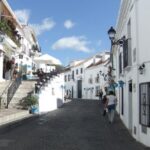
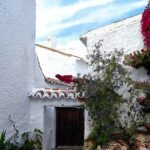
After the bridge, the tour becomes a guided loop through Ronda’s historic center. The value here is direction and context. Instead of treating every stop as a standalone postcard, you learn what’s near what, and why locals cared enough to build here centuries ago.
This is where a private format pays off. You get time to ask small questions that usually get lost in group tours—things like how one neighborhood differs from another, or why one building looks the way it does.
And because you’re moving at a human pace, you’re not forced to choose between seeing everything and taking photos. You can do both, just not at the speed of a checklist.
Plaza de Toros de Ronda: Bullfighting History Without the Lecture
Next up is the Plaza de Toros de Ronda. The bullring is often described as the cradle of bullfighting on foot, and it’s tied to a major claim: the oldest bullring still in use, dated to 1785. The building is neoclassical and made of stone.
This stop can work in two ways, depending on your interests.
- If you’re a bullfighting history fan, you’ll likely want the entry ticket to walk the space and understand how the arena is designed.
- If you’re not, the area still provides a strong cultural context for how Ronda expressed tradition and sport.
Either way, I’d treat the optional ticket as a personal choice, not a must. The exterior and setting already tell you a lot, and the guide can help you decide if going inside matches your curiosity level—or if you’ll get more value elsewhere.
Cost note: the bullring entry is 8€ per person (children under 10 don’t pay).
Casa Museo Don Bosco: Gardens by the Gorge and Photo Perfection
Casa Museo Don Bosco is a 19th-century house in the old town, and it’s well worth attention for two reasons: the gardens and the view. You’ll get a nice break from the main street rhythm, with a quiet pocket near the gorge.
The standout practical detail is the photo angle. From the area by the gardens, you can take a wonderful picture of the New Bridge. That matters because the best shots in Ronda aren’t always the ones you can access from the street directly—you sometimes need a vantage point that frames the bridge with less clutter.
If you like houses that feel lived-in (not just staged rooms), this is the kind of stop that can surprise you. And if your group includes different ages, a house-and-gardens visit is often easier for kids than a staircase marathon.
Cost note: the Don Bosco entry is 2.5€ per person (children under 10 don’t pay).
You can also read our reviews of more private tours in Malaga

Iglesia de Santa Maria la Mayor: The Cathedral Feel and the 100-Step Test
Ronda’s main church is Iglesia de Santa Maria la Mayor, often considered the town’s “Cathedral.” What’s cool here is that it’s not just one style. The building includes two churches—Gothic and Renaissance—under the same roof.
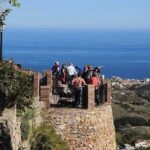
The big reward is the view. If you climb roughly 100 steps to reach the upper gallery, you’ll be rewarded with amazing panoramas over the town. This is one of those moments where a tour guide helps because they can point you toward the best spots for seeing the gorge and the rooftops, and they’ll help you plan the climb so it doesn’t feel like a sudden ordeal.
Consideration: If your group has mobility limits, this stop may require more planning. The church visit is optional, and the climb is the part to think about most.
Cost note: the church entry is 4.5€ per person.
Banos Arabes: One of Spain’s Best-Preserved Arab Baths
Banos Arabes are a 13th-century complex, and they’re known as the best preserved in Spain. You’ll explore a set of rooms—divided into four different spaces—and there’s also a small tower connected to a water wheel. It’s a rare type of site where the physical design tells part of the story.
Why I think this is a highlight even when you skip everything else: the baths feel like architecture you can read. The rooms and layout are part of what makes it memorable, not just the fact that it’s old.
The tradeoff is the walking and slope. These baths are down at the bottom of a slope, so the visit works best if your legs are ready for the descent and climb back up afterward.
Cost note: the Arab baths entry is 4€ per person.
Palacio de Mondragon: A Manor House Museum in the Old Quarter
Palacio de Mondragon is an archaeological museum inside a manor house from the 16th and 17th centuries. Even if you’re not the type who thinks museums are automatically interesting, the setting can do half the work for you. You’re not just looking at objects—you’re in a historically important building.
This is a good option if you want a break from open-air viewpoints and prefer something structured. It also complements the rest of the day because it gives you a different angle on time in Ronda: not just the landmarks you see on postcards, but how artifacts and the old house context contribute to the bigger story.
Cost note: the Mondragon entry is 4€ per person.
How Long You’ll Be Out, and How to Choose Your Entry Tickets
The tour runs about 3 hours. That’s a smart length for Ronda because you can see the core without getting exhausted. But the time pressure is real once you start entering monuments.
Here’s how I’d choose:
- If you’re short on time or want maximum outdoors: prioritize New Bridge, then pick one or two entries that match your mood.
- If you want culture and interiors: go for the Arab baths and Palacio de Mondragon.
- If your group loves views: add Santa Maria la Mayor for the upper gallery.
- If you’re into tradition and sport history: consider the bullring.
- If photos are your thing: Casa Museo Don Bosco is built for it.
Also, remember that you buy tickets directly at the desk the day of your visit. Plan a little flexibility, especially if one site has a short wait.
Pickup, Meeting Point, and Getting There Without Stress
The meeting point is Pl. Teniente Arce, s/n, 29400 Ronda, Málaga, Spain. The tour ends back at the meeting point, so you’re not dealing with drop-offs or “where do we go now?” moments.
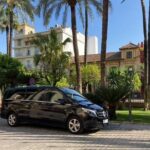
Pickup is offered, but you need to contact the operator at least a day before to finalize the details. The area is near public transportation, so even if pickup isn’t your style, you still have options.
One practical mindset: treat this as a guided route with a few ticket-based detours. If you show up ready to walk, you’ll get a smooth flow.
Price and Value for a Private Group Up to 12
The price is $299.57 per group (up to 12). That’s not a “cheap per person” deal if you’re traveling solo or as a couple, but it becomes a strong value when you’re splitting the cost among a small group.
For larger groups, the private format can be the best bargain in town because you’re paying for access to a real local guide and the comfort of staying together. It’s the kind of tour where kids don’t get stuck staring at adults’ museums, and adults don’t get stuck waiting outside for kids to finish one more stop.
You also control how much you spend on entrances. Since most monument tickets cost extra, your final day cost is a choice, not a surprise. This is especially helpful if you want to keep the tour budget-friendly while still seeing the key highlights.
Who Should Book This Ronda Tour
This tour is a great fit if you:
- Want a private guide who can tailor the pacing to mixed ages.
- Care about history and culture, but you still want time for views and photos.
- Like the idea of choosing entries, rather than being forced into a set list.
- Appreciate guidance that works even in rain, so your day doesn’t collapse.
It may be less ideal if you:
- Have very limited mobility, since Santa Maria involves about 100 steps and the Arab baths are at the bottom of a slope.
- Plan to enter every optional monument. The ticket costs are manageable, but stacking them changes the day’s budget.
Should You Book This Ronda Tour?
I’d book it if you want Ronda to feel logical instead of chaotic. The combination of a private local guide, a tight old-town route, and clear choices on monument entries makes this a smart first or second time in town. It’s also a strong pick for families, because Jesús has a track record of engaging kids and keeping everyone comfortable.
If you’re coming with only one or two must-dos, you can still use this tour as a guided shortcut to the best spots—then spend your remaining time on your own.
If you want, tell me your travel dates and your group size/ages, and I’ll suggest which optional entries to prioritize so you don’t waste time or money.
FAQ
What’s included in the Ronda private tour?
The tour includes a certified guide, the New Bridge, and a complete tour of the old town (historic center).
Are monument entrance tickets included?
No. Monument entrance fees are not included. You buy tickets directly at the desk on the same day.
How much extra do optional sites cost?
Bullring entry is 8€ per person, Don Bosco house is 2.5€ per person, Palacio de Mondragon is 4€ per person, Santa Maria main church is 4.5€ per person, and Arab baths are 4€ per person. Children under 10 don’t pay for the bullring and Don Bosco house.
How long is the tour?
The duration is about 3 hours.
Does the tour offer pickup?
Pickup is offered, but you need to get in contact at least the day before the tour to talk about pickup details.
Can I cancel for free?
Yes. You can cancel up to 24 hours in advance for a full refund. If you cancel less than 24 hours before the start time, the amount paid won’t be refunded.