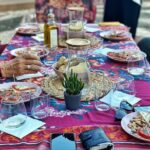
Paella tastes better when you cook it. In Pepe’s villa kitchen in Benalmádena, you get hands-on cooking and a tasting with drinks, not a sit-and-watch class. One thing to plan for: the villa sits a bit outside central Málaga, so you’ll want a car (free street parking helps).
I like that this is genuinely practical. You cook the dishes under Pepe’s close supervision, with step-by-step help, plus guidance on which Spanish ingredients matter and how to use them well.
You’ll also leave with take-home recipes, so the experience doesn’t vanish the moment you walk back out the door.
In This Review
- Key highlights worth your time
- A Local Villa in Benalmádena: Getting There Without Stress
- Meeting Pepe and Learning Spain’s Core Food Moves
- Andalusian Gazpacho: A Starter That Teaches Freshness
- Spanish Tortilla de Patatas: The Perfect Starter to Share
- Traditional Paella: Seafood and Meat, Cooked the Authentic Way
- The Tasting and Drinks: Learn by Tasting, Not Guessing
- The Take-Home Recipe Manual That Helps You Cook Again
- Price and Value: What $192.25 Really Buys
- Who This Cooking Class Fits Best
- Should You Book Spanish Food Lessons: Paella and More?
- FAQ
- What dishes are included in the class?
- How long is the experience?
- Is this class offered in English?
- Is it a private tour?
- Where do you meet, and what time does it start?
- Do I need a car to get there?
- Will I receive recipes to cook at home?
- What happens if the weather is bad?
- Is this experience refundable if I cancel?
Key highlights worth your time
- A local’s villa setting in Benalmádena instead of a cramped cooking studio
- Gazpacho, tortilla, and traditional paella taught as connected lessons, not separate demos
- Step-by-step guidance from Pepe, while you do the work
- Final tasting with drinks so you learn what good should taste like
- A detailed recipe manual sent after class, built for cooking at home
A Local Villa in Benalmádena: Getting There Without Stress
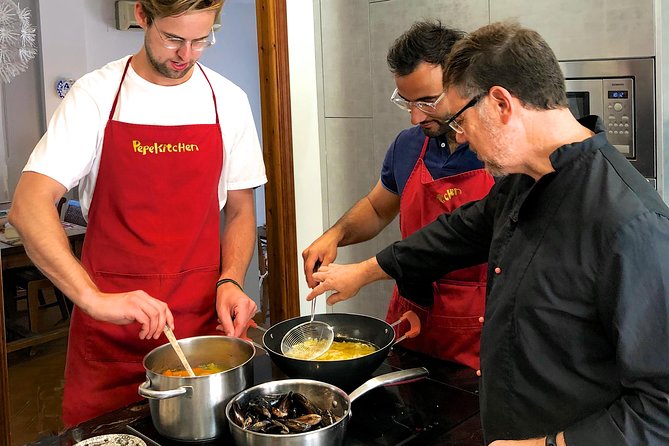
This class takes place at a private villa in Benalmádena, not in the center of Málaga. The vibe matters here. A villa kitchen feels like real life: bigger workspaces, a calmer pace, and room to actually cook instead of squeezing past other groups.
You’ll start at Av. de la Libertad, 2, 29631 Benalmádena, Málaga, Spain at 11:00 am. From central Málaga, many people handle it with a short cab ride (often around 20 minutes), but the simplest option is to drive. Free parking is available on the same street, which can save you time and walking.
A quick practical note: this experience runs best when the weather behaves. If poor weather cancels it, you’ll be offered another date or a full refund. Also, it requires a minimum number of travelers to run. So if you’re booking last-minute, double-check your dates after confirmation.
You can also read our reviews of more food & drink experiences in Malaga
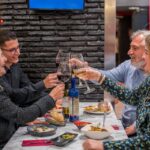
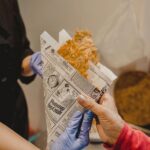
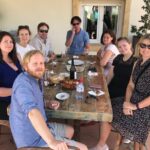
Meeting Pepe and Learning Spain’s Core Food Moves
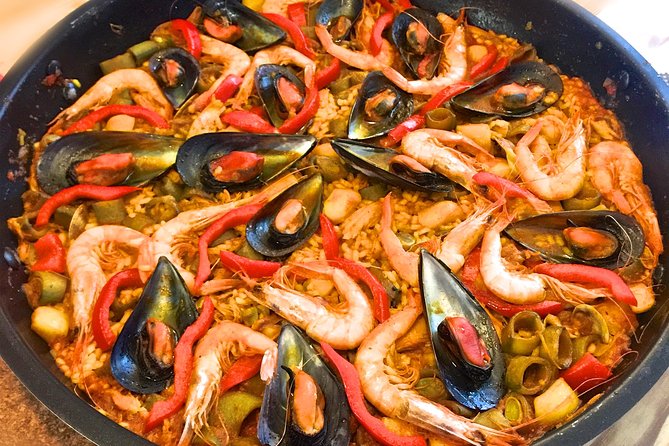
When you arrive, you’re welcomed into Pepe’s home kitchen. That detail alone changes the feel. You’re not doing a scripted “tour” of food culture. You’re working in a real cooking space, learning how the dishes come together step by step.
The class lasts about 2 hours 30 minutes and includes both the hands-on cooking and a tasting at the end. The teaching style is not theoretical. It’s you, your hands, your ingredients, and Pepe guiding you as you go.
You’ll also talk about typical Spanish products and how to get the best out of them. That matters because paella is not just one recipe. It’s a basket of small decisions: what ingredients to choose, how you treat them, and how you time the whole thing so the final pan tastes right.
And from what I’ve seen, Pepe tends to add friendly context about Málaga and Spanish food while you cook. Even if you come mainly for the cooking, you’ll likely walk away with ideas for what to eat around town next—useful when you’re trying to avoid the tourist-only traps.
Andalusian Gazpacho: A Starter That Teaches Freshness
You’ll start with Andalusian gazpacho, a cold soup built on fresh vegetables and extra virgin olive oil. The point of learning gazpacho early is simple: it trains your palate for balance before you move into warm, richer dishes.
In class, you’ll make it the practical way, not by memorizing steps from a card. You’ll hear how the flavors should behave—cool, clean, and bright—so you understand why good olive oil matters and why the vegetable choices aren’t interchangeable.
This is also the kind of dish that helps you relax. Gazpacho has a forgiving feel compared with dishes that demand strict timing. You can focus on texture, taste, and seasoning as you go, then watch how that translates into the overall meal.
If you want a takeaway that works at home, gazpacho is one of the easiest. It’s also ideal for warm days when you want something Spanish that doesn’t require turning your kitchen into a furnace.
Spanish Tortilla de Patatas: The Perfect Starter to Share
Next comes Spanish tortilla de patatas—often called the omelette version of Spain’s comfort food. It’s built with potatoes and onions fried in olive oil, then cooked into a tender set that you can slice and share.
The key lesson here is technique. Tortilla isn’t just about cracking eggs. It’s about understanding how potato behaves in olive oil, and how onion sweetness blends into the final texture. Once you’re working in the kitchen, Pepe’s guidance helps you avoid the common home-kitchen mistakes that lead to undercooked centers or dry, rubbery results.
This dish is also a social one. It’s the kind of starter that feels natural to bring to the table with friends—simple, filling, and very “Spain,” even though it takes skill to do well.
If you’re hoping to impress at home, tortilla is a great confidence-builder. You’ll learn what to watch for, then your slice at the end will be proof you actually followed the process.
Traditional Paella: Seafood and Meat, Cooked the Authentic Way
Let’s talk paella. In many places, paella becomes a show. Here, it stays a cooking process.
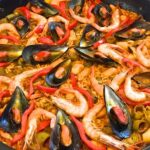
You’ll learn traditional paella using both seafood and meat, guided through the steps as you prepare it. That combo is important because it changes flavor and timing. Seafood can go over fast. Meat can add deeper savor. Getting both to work in the same final pan is where good instruction helps.
In class, you’re not just receiving a recipe. You’re learning how to manage the flow of cooking. Pepe’s supervision keeps you on track, especially around timing and how the pan develops flavor.
And the big value: you’ll taste what you made at the end. That tasting closes the loop. If something needs more salt, more olive oil character, or a little adjustment in how ingredients were handled, you’ll notice it immediately—then understand why. That’s the real advantage of doing it hands-on instead of reading recipes later.
One more thing I appreciated: the class is structured so paella connects to what you learned in earlier steps. The gazpacho trains your palate for fresh balance, tortilla teaches texture and cooking control, and then paella brings everything together into a full Spanish meal.
You can also read our reviews of more tours and experiences in Malaga


The Tasting and Drinks: Learn by Tasting, Not Guessing
At the end, you eat what you cooked. This is where the experience becomes more than a class. The final tasting lets you understand the difference between edible and properly made.
Drinks are included with the dishes, and that matters for the experience flow. You’re not tasting in a rushed “here’s your sample” way. You’re sitting down with what you created, tasting it as a meal, and letting the flavors land.
This is also the moment you’ll pick up subtle cues—like how the gazpacho’s balance changes when the olive oil is strong, or how tortilla texture should feel when it’s cooked correctly. With paella, tasting is especially important because it’s a layered dish. You’re not just evaluating one flavor. You’re checking how everything blends.
If you like food, this part is worth its weight. It’s the difference between learning steps and learning results.
The Take-Home Recipe Manual That Helps You Cook Again
One reason I think people get real value from this class is what happens after. You receive a recipe manual with detailed instructions for everything you learned. That’s key if your goal is to cook paella or Spanish starters later without guessing.
A good manual doesn’t just list ingredients. It supports the choices you made during class—so you can reproduce the results with the right method, not just the same shopping list.
If you’re the type who wants to recreate memories at home, this is exactly how to do it. You’ll also remember the smells and flavors much more vividly after cooking them yourself first.
Price and Value: What $192.25 Really Buys
At $192.25 per person for about 2.5 hours, it’s not the cheapest activity in Málaga. But it’s also not an overpriced, vague “cultural experience.”
Here’s what you’re getting for the price:
- A true hands-on cooking class where you cook the dishes
- A meal built around gazpacho, tortilla, and traditional paella
- A tasting with drinks at the end
- A recipe manual afterward to help you cook again
- Teaching in a private villa setting, with you and your group only
The value comes from the full package: instruction + outcome + learning material. If you only wanted to eat paella, you could do it much cheaper at a restaurant. But if you want skills, the ability to cook it properly later, and the satisfaction of making it with guidance—this price starts to look fair.
You’ll also appreciate that it’s offered in English, so you won’t lose meaning while you’re learning techniques.
Who This Cooking Class Fits Best
This experience is ideal if you want:
- A hands-on cooking lesson instead of a passive food tour
- A chance to cook three iconic Spanish dishes in one session
- Step-by-step support from Pepe while you’re in the kitchen
- A meal experience that ends with tasting what you made
It’s also a solid match for couples or small groups who want a more personal activity. Because it’s private for your group, it feels less rushed and more focused on your cooking.
If you’re short on time, the duration is manageable. Two and a half hours is long enough to learn real technique, not so long that you feel trapped.
And if you’re already thinking about what to eat during the rest of your Málaga stay, this class can help you understand what to look for—so restaurant choices become easier.
Should You Book Spanish Food Lessons: Paella and More?
I’d book it if your main goal is to learn by doing. You’ll get real technique, a clear sequence (gazpacho → tortilla → paella), and a payoff that’s more than a memory photo.
Skip it only if you hate kitchen work or want a strictly restaurant-style experience. This is cooking class energy. You’ll be actively involved.
Also, plan your transport. The villa is outside central Málaga, and while cabs work, having your own car (with free street parking) makes the day smoother.
If you show up hungry and ready to cook, you’ll leave with both food in your stomach and skills in your head.
FAQ
What dishes are included in the class?
You’ll learn to make Andalusian gazpacho, Spanish tortilla de patatas, and traditional paella (with seafood and meat). You also get to taste what you cook.
How long is the experience?
It lasts about 2 hours 30 minutes, including the practical cooking and the tasting.
Is this class offered in English?
Yes, the experience is offered in English.
Is it a private tour?
Yes. It’s private for your group, so only your group participates.
Where do you meet, and what time does it start?
The meeting point is Av. de la Libertad, 2, 29631 Benalmádena, Málaga, Spain. The start time is 11:00 am.
Do I need a car to get there?
The meeting place is a bit far from the center. You’re recommended to come by car, and there is free parking on the same street.
Will I receive recipes to cook at home?
Yes. After the class finishes, you’ll be sent a manual with recipes and detailed instructions for what you learned.
What happens if the weather is bad?
This experience requires good weather. If it’s canceled due to poor weather, you’ll be offered a different date or a full refund.
Is this experience refundable if I cancel?
No. The experience is non-refundable and cannot be changed for any reason.