REVIEW · MALAGA
Málaga: Cathedral, Alcazaba, Roman Theater Walking Tour
Book on GetYourGuide →Operated by ALLinMALAGA Experiences · Bookable on GetYourGuide
Málaga clicks into focus fast on foot. I like how the tour pairs skip-the-line tickets with big, easy-to-follow stories, and I also love the Alcazaba stops for those panoramic views over the city. One thing to plan for: you’ll be walking the whole time, and it’s not suitable for people with mobility impairments.
You’ll start in the central area near Plaza de La Marina, then work your way through three of Málaga’s signature landmarks—plus the Picasso-adjacent streets in the middle of town. The best part is that you’re not just looking at monuments; you’re learning how they connect, from Moorish fortifications to the Roman layer of the city to the artists who came later.
In This Review
- Key points to know before you go
- A 3-hour Malaga opener: where the walk starts
- Renaissance Cathedral of Malaga: what to notice with a guide
- Alcazaba on Gibralfaro: elevator to the best views
- Roman Theater: ancient seats in a modern city
- Picasso streets: Plaza de la Merced, Plaza del Obispo, Calle Larios
- Skip-the-line tickets and $53 value: what you’re really paying for
- Pace, comfort, and how to get the best photos
- Who this tour fits best (and who should skip it)
- If you’re choosing between “seeing” and “understanding”
- Should you book this Malaga Cathedral, Alcazaba, and Roman Theatre walking tour?
- FAQ
- What attractions are included on the Málaga walking tour?
- How long is the tour?
- Where do I meet the guide?
- Are skip-the-line tickets included?
- What languages is the guide available in?
- Is food and drink included?
- What should I wear or bring?
- Is the tour suitable for people with mobility impairments?
- What if the Cathedral has mass or is restricted?
- What’s the cancellation and payment flexibility?
Key points to know before you go

- Skip-the-line tickets for the Alcazaba, Roman Theatre, and the Cathedral keep your day moving
- Alcazaba on Gibralfaro includes an elevator ride and the best viewpoint energy in the area
- Roman Theatre stop gives you a clear sense of how the ancient city fits into modern Málaga
- Picasso street stroll ties the landmarks to the neighborhood where he lived, including Plaza de la Merced and Calle Larios
- Guides like Carmen, Raquel, Rachel, Eduardo, and Anna often bring humor and answer questions well, which makes 3 hours feel light
A 3-hour Malaga opener: where the walk starts

This is a straight-up walking tour built for first-time visitors who want the essentials without wasting hours in ticket lines. The timing is tight on purpose: about 3 hours, moving between major sights at a pace that stays social but doesn’t drag.
You begin at Plaza de La Marina, and the meeting instructions ask you to meet by the door of the Tourist Information Office. That central start matters because it puts you close to the heart of Málaga quickly—so you’re not spending half the morning figuring out logistics before you even reach the first viewpoint.
I also like that the format is clear: you follow an official guide, you get narration for the major stops, and you receive the right tickets in advance. It’s ideal if you want to see several top sights in one go and still have energy left for dinner plans.
You can also read our reviews of more walking tours in Malaga
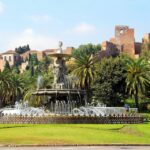
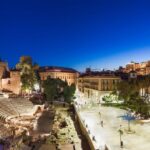

Renaissance Cathedral of Malaga: what to notice with a guide
The tour’s first major monument stop is the Renaissance Cathedral of Málaga. Even if you only have a short time in the city, this is one of those buildings where a little context changes everything. From the outside, your guide points out details you’d likely miss on your own—plus explains how this site fits into Málaga’s religious and civic identity.
One practical note: on days of mass in the cathedral, the narration happens outside the building. In other words, you’re not stuck staring at doors—you’re still learning, just in a slightly different spot. And occasionally, if access is limited, the tour still keeps moving so the experience doesn’t stall.
If you care about art and architecture (or you just like understanding why a city looks the way it does), the cathedral stop is a strong anchor. You’ll get more than a quick description; you’ll get the story behind what you’re seeing, tied to the surrounding streets and the city’s development.
Alcazaba on Gibralfaro: elevator to the best views
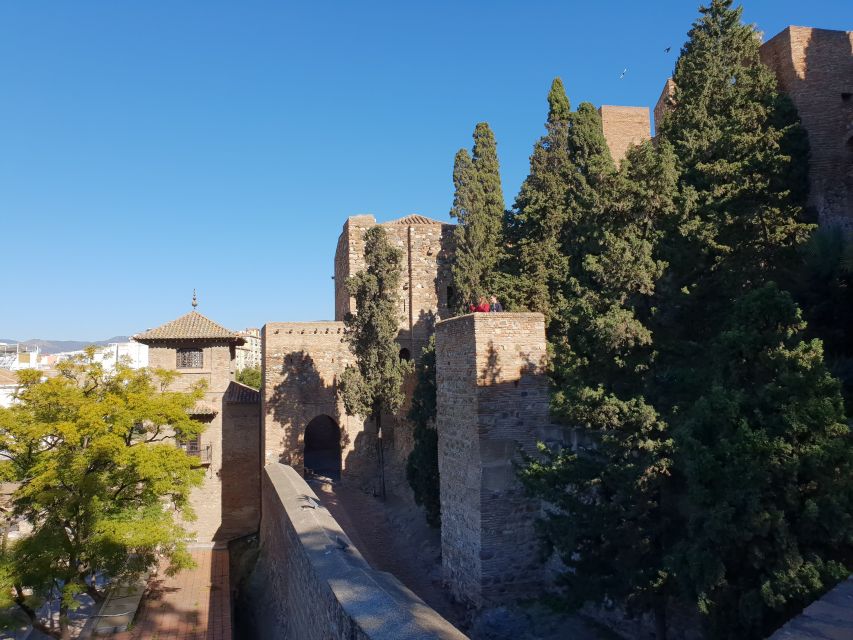
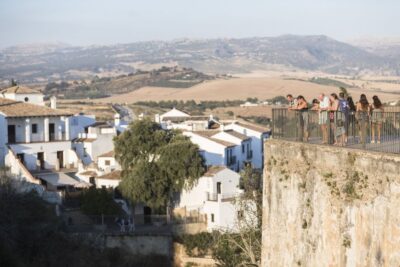
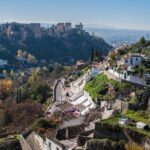
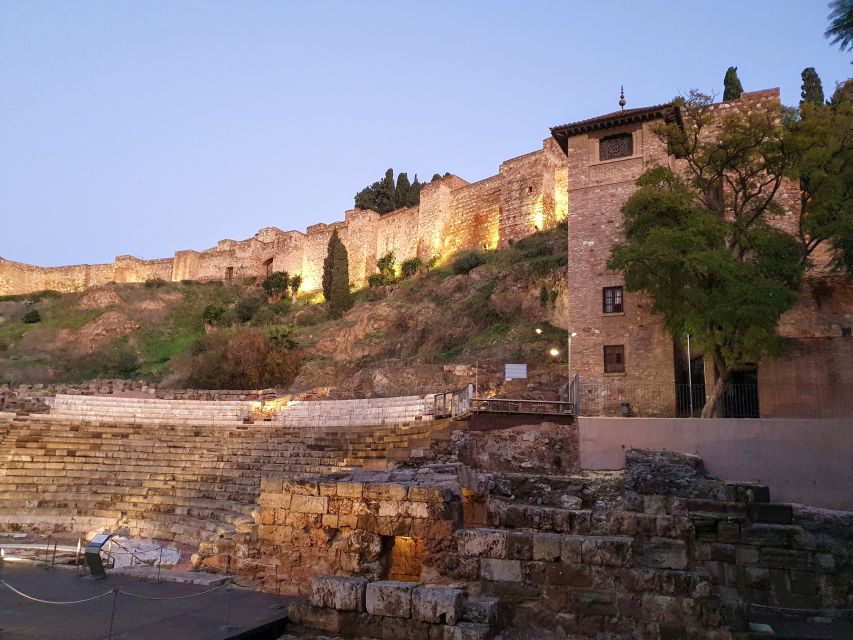
Next up is the Alcazaba, a fortress built into the sides of Gibralfaro Mountain. This is one of Málaga’s “feel it in your body” sights—the climb and the walls make it easy to understand why defensive architecture was also a way to command attention over the region.
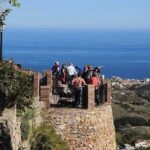
What I like most here is the elevator included in the way the tour reaches the top. You still get the fortress experience, but the route is designed to save you from an exhausting start before the views. Once you’re at the higher points, the payoff is real: Malaga opens out beneath you in layers, rooftops and streets folding into the coast direction.
The guide’s narration helps you read the fortress like a map. You’ll connect the structure you’re standing in with the bigger idea of how power and protection worked in earlier eras. That context is what keeps this stop from feeling like a generic viewpoint break.
Also, the Alcazaba portion is a crowd favorite in the feedback. Guides such as Patrick’s mentioned guide style, Carmen, Raquel, and Luis are repeatedly praised for explaining what the spaces were for and what you should look for while you’re there. In a tour like this, that kind of guidance turns a steep site into a clear story.
Roman Theater: ancient seats in a modern city
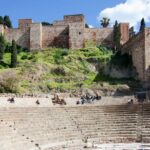
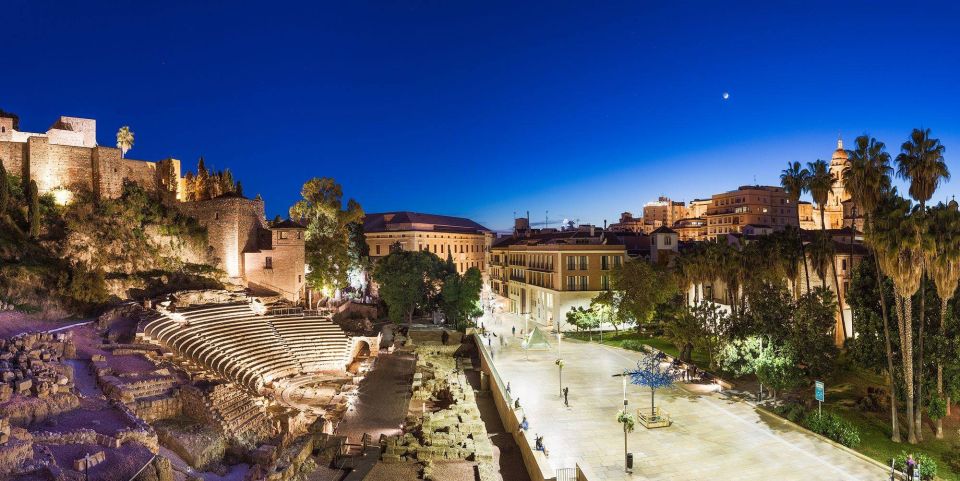
After Alcazaba, the walking route leads you to the ancient Roman Theatre. This is where you see Málaga’s older layers without needing a day trip. It’s easy for Roman remains to feel like they’re “just ruins” when you don’t have context. With a guide, you’re able to imagine what this place was used for—how crowds once gathered, and why this spot mattered.
The tour keeps it moving, so you don’t get stuck in one location for too long. That’s a good thing, because you’re aiming for variety: the cathedral (later layers), the fortress (strategic Moorish power), then the Roman theater (an earlier civilization shaping the city footprint).
If you’re the type who likes quick but meaningful explanations, the Roman Theatre stop hits a sweet spot. You’ll come away feeling like you can place it on the city map rather than treating it like a random archaeological stop.
Picasso streets: Plaza de la Merced, Plaza del Obispo, Calle Larios
The tour doesn’t end with stone and arches. It shifts into neighborhood storytelling—specifically the streets connected to Picasso.
You’ll walk toward areas that include:
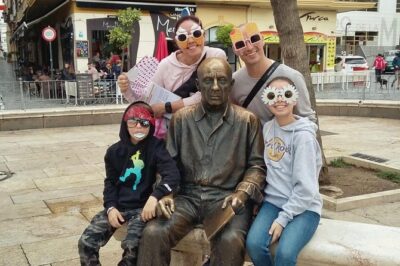
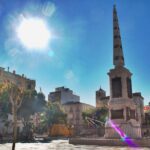
- a statue of Picasso
- Plaza de la Merced
- Plaza del Obispo
- Calle Larios
And the guide explains the connection between Picasso and these places as you move through them. This part is fun because it’s less about monuments and more about atmosphere. You get to see the city’s everyday movement while the guide gives you a thread to follow.
I especially like Calle Larios in this mix. It’s a major shopping street, yes, but within the tour it becomes a transition point: from elevated viewpoints down into the urban rhythm, from ancient and medieval structures into the more recent cultural layer of Málaga.
This is also where the tour’s narration style really matters. In the feedback, guides like Eduardo, Antonio, Daniel, Maria, and Carmen often get called out for making the walk feel lively, not like a lecture. If you enjoy stories with humor and clear pacing, this last stretch is where it shows.




Skip-the-line tickets and $53 value: what you’re really paying for
The price is $53 per person for about 3 hours, and the biggest value driver is the included access. You get official tickets for the Alcazaba, Roman Theatre, and Cathedral, with skip-the-line entry for those stops.
Is that worth it? Usually, yes—especially if you’re visiting during busy hours or on a day when you don’t want to deal with intermittent slowdowns at each monument. Ticket lines can eat your time faster than you expect, and here you’re trying to cover multiple major sites in one shot.
You’re also paying for the guide’s “translation layer.” The monuments are impressive on their own, but the tour is designed so you learn what you’re looking at while you’re standing in front of it. Without that, you might spend a similar amount of time just wandering—and you’d miss the through-line that ties the cathedral, fortress, Roman Theatre, and Picasso’s neighborhood together.
Add in the small practical benefits: you don’t handle separate ticket purchases for these three attractions, and you get a plan for where to go next. That reduces decision fatigue, which is a real kind of value when you’re in a new city.
Pace, comfort, and how to get the best photos
This is a walking tour, and that’s the main thing you should account for. The route takes you from the central start area up toward the fortress and viewpoints, then back down through town.
For comfort, bring comfortable clothes. I’d also plan for sun and heat—Alcazaba involves open areas where you’ll want breathable layers, and you’ll be walking between stops even if the group pauses for explanations.
Photo tip: save your wide-angle shots for the higher Alcazaba points, not just the first fortress area you reach. The best “wow” moments often come after the route changes as you gain elevation and angles open up toward the city.
One more pacing detail: the tour runs as a group experience with stops paced to fit within 3 hours. If you like lingering, you can do that a bit outside the main guided narrative, especially after the group moves on to the next landmark. But during the guided blocks, expect a steady rhythm rather than a slow, museum-style crawl.
Who this tour fits best (and who should skip it)

This tour is ideal if you:
- want a high-impact first visit to Málaga
- like history explanations that connect multiple eras in one walk
- prefer a guided plan over assembling it yourself
- enjoy both major monuments and the artistic neighborhood vibe tied to Picasso
It’s also a strong choice if you’re the type who asks questions. In the feedback, guides earn praise for staying attentive and taking time with answers, which makes the experience feel personal rather than rushed.
Who should skip it? It’s not suitable for people with mobility impairments, mainly because the route involves walking and a terrain that’s not presented as wheelchair-friendly in the tour details. If that’s you, you’ll want a different format—maybe a shorter stop-by-stop plan with accessibility in mind.
If you’re choosing between “seeing” and “understanding”
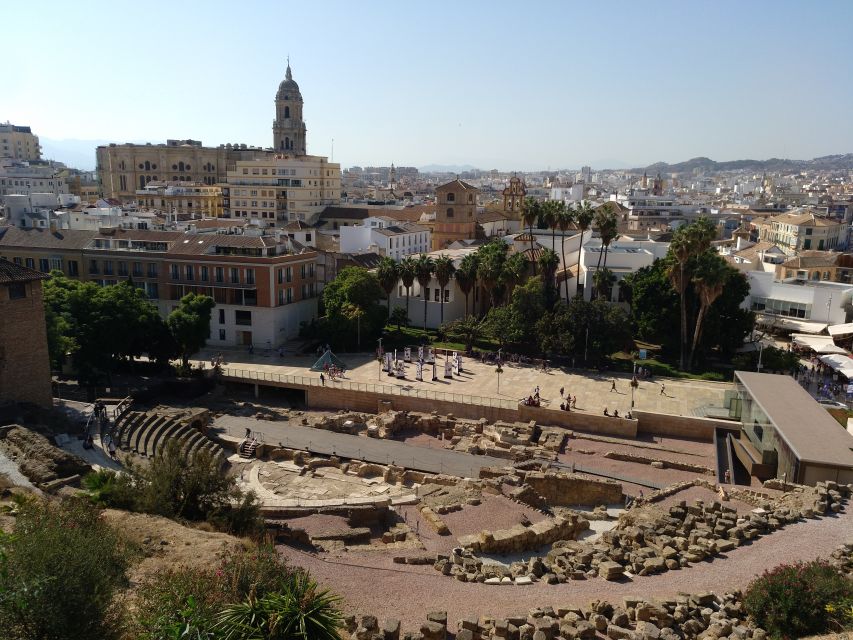
Here’s the honest difference this tour aims for. If you just want photos, you can visit these sites on your own. But when you’re trying to understand how Málaga layers its identity—Roman foundations, fortress power, cathedral authority, and later artistic influence—having a guide changes your experience fast.
I like that the tour doesn’t try to cover everything about Málaga. It focuses on a tight set of anchors:
- the Cathedral
- the Alcazaba
- the Roman Theatre
- the Picasso streets
And then it uses narration to connect them so you can carry those connections with you after the tour ends.
Even better: in feedback, many guides get called out for making the walk feel fun. Names that show up often include Carmen, Raquel, Rachel, Luís, Antonio, Eduardo, Daniel, and Maria—and the consistent theme is that you’re not stuck with dry facts.
Should you book this Malaga Cathedral, Alcazaba, and Roman Theatre walking tour?
Yes, if you want a smart, time-efficient way to see the best of Málaga in about 3 hours and you’d rather spend that time learning than waiting.
Book it when:
- it’s your first day or first full day in Málaga
- you want skip-the-line access so you can keep the pace you planned
- you like guided storytelling through major landmarks and central streets
Skip it when:
- you need an accessibility-friendly route
- you prefer to roam slowly with no schedule at all
If you’re in the middle—short on time but hungry to understand the city—this is a very practical way to start.
FAQ
What attractions are included on the Málaga walking tour?
You’ll visit the Cathedral, Alcazaba, Roman Theatre, and also walk through Picasso-related streets in central Málaga.
How long is the tour?
The duration is 3 hours.
Where do I meet the guide?
Please meet by the door of the Tourist Information Office.
Are skip-the-line tickets included?
Yes. Skip-the-line access is included for the Alcazaba, Roman Theatre, and the Cathedral.
What languages is the guide available in?
The live tour guide is available in Spanish and English.
Is food and drink included?
No. Food and drinks are not included.
What should I wear or bring?
Wear comfortable clothes.
Is the tour suitable for people with mobility impairments?
No, it is not suitable for people with mobility impairments.
What if the Cathedral has mass or is restricted?
On days of mass, the explanations will take place outside the building. The tour still continues with the rest of the sites.
What’s the cancellation and payment flexibility?
Free cancellation is available up to 24 hours in advance for a full refund, and there is a reserve now & pay later option.