REVIEW · MALAGA
Malaga: Walking Tour of Must-See Attractions
Book on GetYourGuide →Operated by Guydeez Tours · Bookable on GetYourGuide
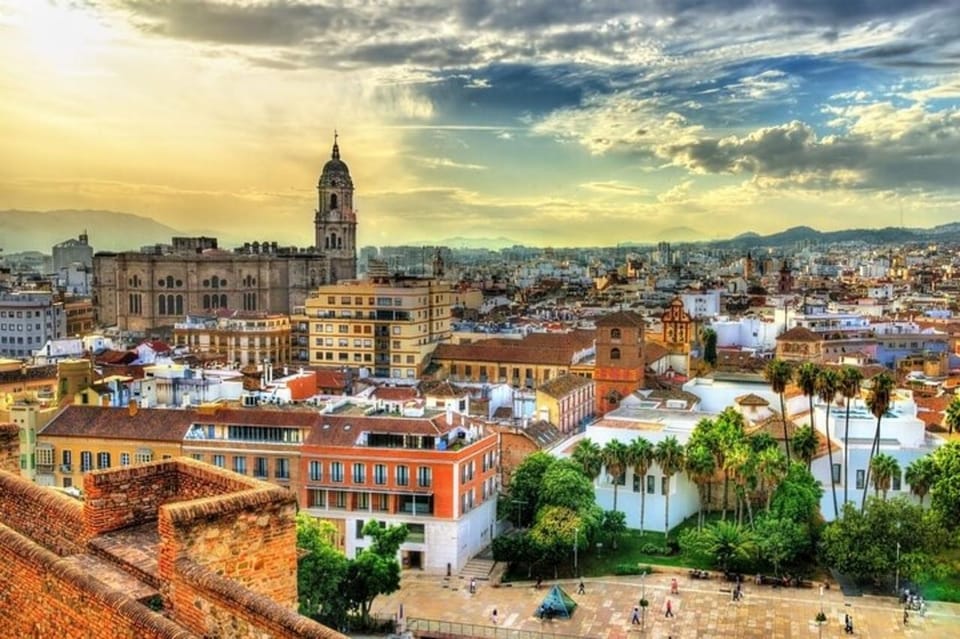
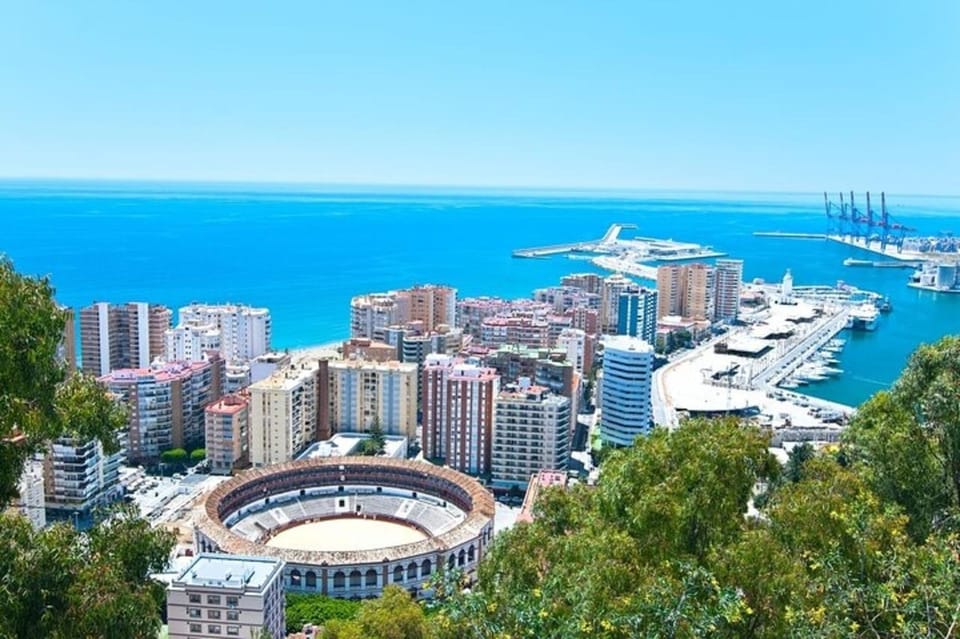
Málaga turns history into a walk you can feel. This 2-hour walking tour stitches together the city’s art trail and ancient layers, from the Roman Theater to the Moorish Alcazaba and Picasso-linked stops.
I especially like the way you get standout monuments in a tight route: Roman Theater remains and fortress views at the Alcazaba. You also get city context that makes the Picasso connection easier to grasp, not just a name you pass by.
One consideration: it’s a walking tour and food/drinks aren’t included, so if you want long museum time or a meal break, plan to eat before or after.
In This Review
- Key things I’d circle before you book
- A 2-hour route that makes Málaga’s layers click
- Starting at Alameda Principal, 1: easy to find, easy to orient
- Plaza de la Merced: Picasso’s neighborhood mood, in one short stop
- Málaga Cathedral: the grandeur you can’t miss, with context you can
- Alcazaba: walking through the Moorish fortress logic
- The Malaga Museum: Fine Arts and Archaeology in one stop
- Church of Santiago: the Picasso baptism connection
- Picasso’s childhood area to the market vibe
- Calle Larios (Marqués de Larios): the classic promenade feeling
- Teatro Romano de Málaga: seeing the remains tied to the story
- Price and value: $35 for a focused, guided framework
- Who this tour suits best (and who should skip it)
- Notes on guides and languages: the human factor
- Should you book the Málaga Walking Tour of Must-See Attractions?
- FAQ
- How long is the Malaga walking tour?
- What is the price per person?
- Where does the tour meet?
- What’s included in the price?
- Are food or drinks included?
- What languages are available?
- Is the tour wheelchair accessible?
- Can I get a refund if my plans change?
Key things I’d circle before you book
- Roman Theater remains you can actually see with a focus on ancient Malaga’s 1st-century BC story
- Alcazaba’s 11th-century fortress feel that explains why people built (and kept) power here
- Picasso-linked stops across the old center, including his baptism at Church of Santiago
- Church of Santiago details (erected in 1490, described as the oldest in Málaga) that add meaning fast
- Calle Larios and Plaza de la Merced photo-and-walk moments that balance monuments with everyday Málaga
- A human guide matters: multiple English/French/Italian/Spanish-speaking guides are listed, including David, Borja, and Maura in customer feedback
A 2-hour route that makes Málaga’s layers click
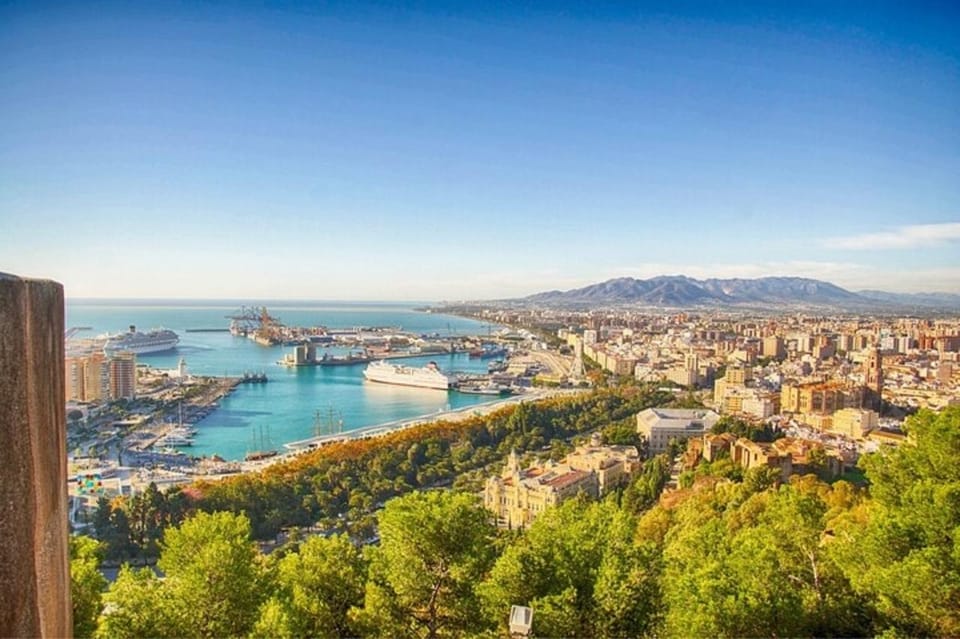
If Málaga were a book, this tour is the chapter-by-chapter skim that still leaves you impressed. In just two hours, you cover the kind of places that can take days to connect on your own: Roman remains, Moorish defenses, major Christian monuments, and the city’s art fingerprints linked to Picasso.
I like formats like this because they solve a common problem in big old cities: you see buildings, but you don’t yet know what you’re looking at. A good guide gives you the “why” in between the “what,” and here that matters because the sites span different eras and cultures. You’ll walk through the old center’s main streets, too, so you get the stones and the street life in the same stretch.
You can also read our reviews of more walking tours in Malaga
Starting at Alameda Principal, 1: easy to find, easy to orient

You meet in the heart of the city center at Alameda Principal, 1. That location is practical: it’s right where you can step into the historic core without wasting time figuring out transit or directions.
This matters on a walking tour, because the first 10 minutes set the tone. When you start in a central spot, you’re free to focus on the sights—like the route to Málaga Cathedral and the surrounding cultural cluster—rather than spending your energy on logistics.
Also, if you’re trying to keep your day efficient, this start point makes it easier to pair the tour with other plans afterward, whether that’s the Picasso area or a slower wander through the old streets.
Plaza de la Merced: Picasso’s neighborhood mood, in one short stop
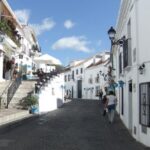
The tour begins with a stop at Plaza de la Merced. You’ll do a photo stop and then a guided visit and sightseeing walk there for about 15 minutes.
Why I think this plaza works: it’s one of those places that feels like a pause button. Even though you’re covering a lot, the atmosphere of the square helps you reset before the more monumental architecture. And you’re not just looking at scenery—this is a Picasso-linked point. The tour specifically connects the area with Picasso spending his childhood days, so the stop doesn’t feel like a random city postcard.
If you want a simple tip: when you’re there, look around the square first, not up at buildings. Then the guide’s context helps you reinterpret what you see.
Málaga Cathedral: the grandeur you can’t miss, with context you can
Next up is Málaga Cathedral for another roughly 15-minute block. You’ll get a photo stop, a guided tour, and a sightseeing walk.
Cathedrals can feel like a checklist item if you’re left alone with the façade. Here, the guide’s role is to connect what you’re seeing to the city’s larger story. Even in a short visit, that makes the building feel less like a monument and more like a living part of Málaga’s evolution.
One practical note: cathedral visits often mean standing still for parts of the talk, and the sidewalks can be crowded. Comfortable shoes matter more than you’d think, because “15 minutes” can feel longer when you’re focused on details and photos.
Alcazaba: walking through the Moorish fortress logic
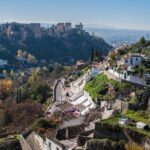
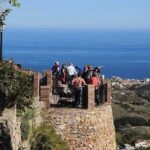
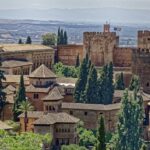
The route then shifts to Alcazaba of Malaga, described as an 11th-century Moorish fortress. You get another short guided visit and sightseeing walk (again, about 15 minutes), plus a photo stop.
Alcazaba is the kind of place where scale can surprise you. From the moment you start moving through, you can sense how the site was designed to control movement and protect the city. The value of this stop isn’t only the view—it’s the explanation of why the structure looks and works the way it does.
What you’ll likely enjoy most here is the way the guide ties earlier and later eras together. You’re moving from a Christian monumental space into a Moorish defensive one, so it’s an instant lesson in how many civilizations left marks in Málaga.



The Malaga Museum: Fine Arts and Archaeology in one stop
After Alcazaba, you pass by the Malaga Museum, which houses both Fine Arts and Archaeology museums. You’ll have another guided stop with a short sightseeing walk.
Even though the time here is limited, it’s a smart inclusion. It gives you a named anchor for further exploring later. If you’re the type who likes to follow up, this stop points you toward two categories of interest—art and archaeology—that pair well with the rest of the route.
A small caution: a “guided walk-by” style stop isn’t the same as a full museum visit. If you’re hoping for deep time inside galleries or archaeological rooms, use this as your orientation and then plan a separate museum block when you have more time.
Church of Santiago: the Picasso baptism connection
One of the most meaningful stops is Church of Santiago—described as the oldest in Málaga, erected in 1490. The tour includes a photo stop and guided visit for around 15 minutes.
This is where the Picasso story becomes concrete. The tour specifically says Picasso was baptized here, which gives the church a personal, human link rather than leaving it as a background monument. That kind of connection is exactly what can turn “I saw a church” into “I understood why this place matters.”
If you’re curious about art history, religion, and how personal timelines overlap with major landmarks, this stop does a good job of making that triangle feel logical.
Picasso’s childhood area to the market vibe
The route also spends time around the Plaza de la Merced area and later connects you back into the streets around the historic center, where the tour mentions a lively culture and market vibe near the end.
This is a smart pacing decision. You’re not stuck only in stone and formal architecture. Instead, you get a sense of Málaga as a city you can actually live in—people moving, street energy, and the feeling that the old center is still used.
When a tour balances monuments with ordinary city scenes, you’re less likely to feel like you spent two hours staring at walls. That balance is one reason this tour scores so well in overall experience ratings.
Calle Larios (Marqués de Larios): the classic promenade feeling
Then you reach Calle Larios (listed as Calle Marqués de Larios) for shopping and sightseeing, also for about 15 minutes.
This is Málaga’s emblematic pedestrian street: elegant, central, and busy. It’s also a perfect end-of-route lane because it gives you an easy “keep walking” option even after the tour finishes. If you want to grab a drink, browse shops, or just watch life move, you’re in the right spot.
If you’re the practical type, here’s your advantage: you’re ending near a street where it’s easy to find options afterward without backtracking to find a taxi or a bus stop.
Teatro Romano de Málaga: seeing the remains tied to the story
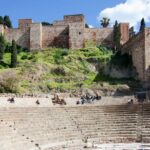
The last major monument stop is the Teatro Romano de Málaga for about 15 minutes, including photo stop and guided sightseeing.
The Roman Theater is described as a historic gem from the 1st century BC, and the tour is set up so you don’t just look at ruins—you get context for what Roman Málaga used. That’s crucial, because with archaeological sites, it’s easy to stare at fragments and wonder what you’re missing.
A good guide helps you picture the scale and purpose, so the place feels more complete in your mind. For me, that’s the biggest value in a guided Roman stop: turning “leftovers” into a living scene.
Price and value: $35 for a focused, guided framework
At $35 per person for a 2-hour guided walking tour, the value comes from what’s included: the guide and the walking tour itself. You’re not paying extra for food or major add-on tickets in the tour price.
Whether that’s a good deal depends on your travel style. If you like to get orientation and connections fast—especially across Roman, Moorish, and Picasso-related sites—this price feels fair. If you’re the type who can happily wander for hours with a map and your own reading, you might decide to self-guide and spend less.
Still, for many visitors, the guide is what makes the route worthwhile: the ability to ask questions, get explanations in plain language, and avoid spending your limited time piecing history together.
Who this tour suits best (and who should skip it)
This is a strong fit if you want:
- A compact plan for seeing big Málaga landmarks without planning every step
- The Picasso connection explained clearly at the places tied to him, not just in a museum context
- A route that mixes architecture and street-level city life, especially near Calle Larios
You might choose a different option if:
- You want deep museum time inside the Malaga Museum rather than a short guided stop
- You’re hoping for a food-focused tour, since food or drinks aren’t included
- You prefer minimal walking and lots of sit-down time (this is a walking itinerary)
Notes on guides and languages: the human factor
The tour lists live guide availability in English, French, Italian, and Spanish, and you can also request a private group option. In the feedback tied to the experience, guides such as David, Borja, and Maura are mentioned with praise for preparedness, responsiveness, and a friendly, calm delivery.
That kind of range matters. When a guide is good at pacing and explaining, you enjoy every stop more, especially in tight time windows.
And yes, wheelchair accessibility is noted, so it’s designed with mobility needs in mind.
Should you book the Málaga Walking Tour of Must-See Attractions?
I’d book this if you’re coming to Málaga for a short stay and you want your time to add up quickly. It’s a good route for people who like structure without feeling rushed into museum-only mode.
But be honest with yourself about what you want from two hours. If you want food included, long sit-down breaks, or a deep museum session, you’ll likely feel the limits. If your goal is to connect the big monuments—Roman, Moorish, cathedral, and Picasso-linked sites—into one coherent walk, this tour is a practical way to do it.
FAQ
How long is the Malaga walking tour?
The tour lasts 2 hours.
What is the price per person?
It costs $35 per person.
Where does the tour meet?
Meet your guide at Alameda Principal, 1 in Málaga’s city center.
What’s included in the price?
The guide and the walking tour are included.
Are food or drinks included?
No, food or drinks are not included.
What languages are available?
The live guide is available in English, French, Italian, and Spanish.
Is the tour wheelchair accessible?
Yes, the tour is wheelchair accessible.
Can I get a refund if my plans change?
Yes. You can cancel up to 24 hours in advance for a full refund.