REVIEW · MALAGA
Malaga: OXO Video Game Museum Ticket Entry
Book on GetYourGuide →Operated by KAIJU ENTERTAINMENT S.L · Bookable on GetYourGuide
Gaming history becomes playtime.
In OXO, a video game museum in Malaga, you’ll love the hands-on console playing and the clear Past, Present, Future setup that makes the history feel like a living timeline. The one catch is also part of the deal: the museum does not allow drinks, alcohol, or food inside, so plan around that if you’re used to snack breaks.
I also like the way the visit starts with a 3D room experience, then moves into mostly interactive galleries where you can try equipment from early eras right up through modern trends. For a lot of people, including parents trying to bridge the gap for kids, it turns into a fast, fun education rather than a lecture.
One possible drawback to keep in mind: if you only like watching video games and you don’t care about touching controls or trying systems yourself, you may feel the experience is a bit too play-forward for your taste.
In This Review
- Key things to know before you go
- OXO Video Game Museum in Malaga: what you actually do
- The start: the 3D room and the pace of your visit
- Past, Present, Future: the three-floor timeline you can touch
- Floor 1: Past of video games
- Floor 2: Present of video games
- Floor 3: Future of video games
- Consoles you can play: why the interactive design is the real value
- A note on expectations
- Temporary exhibit: Final Fantasy as a pop-culture anchor
- Rooftop Cathedral Terrace: views and a relaxed finish
- Price and time: is a $17 ticket good value?
- Who should book OXO (and who might skip it)
- Practical tips so your visit feels smooth
- Should you book OXO Video Game Museum Ticket Entry?
- FAQ
- How long is the OXO Video Game Museum visit?
- Do I need to choose a starting time?
- What’s included with the ticket?
- Is the museum wheelchair accessible?
- Is food or drink allowed inside the museum?
- What’s at the end of the visit?
- Can I cancel for a full refund?
- Can I reserve now and pay later?
Key things to know before you go

- Play on consoles across eras: from early home computers to later gaming systems
- Three floors tell one story: Past, Present, and Future of video games
- Start with a 3D room: then you move straight into hands-on exhibits
- Temporary Final Fantasy exhibition: a major franchise spotlights gaming culture
- Rooftop Cathedral Terrace finish: great panoramic views plus food options on-site
- Mostly interactive: not just photos and glass cases
OXO Video Game Museum in Malaga: what you actually do
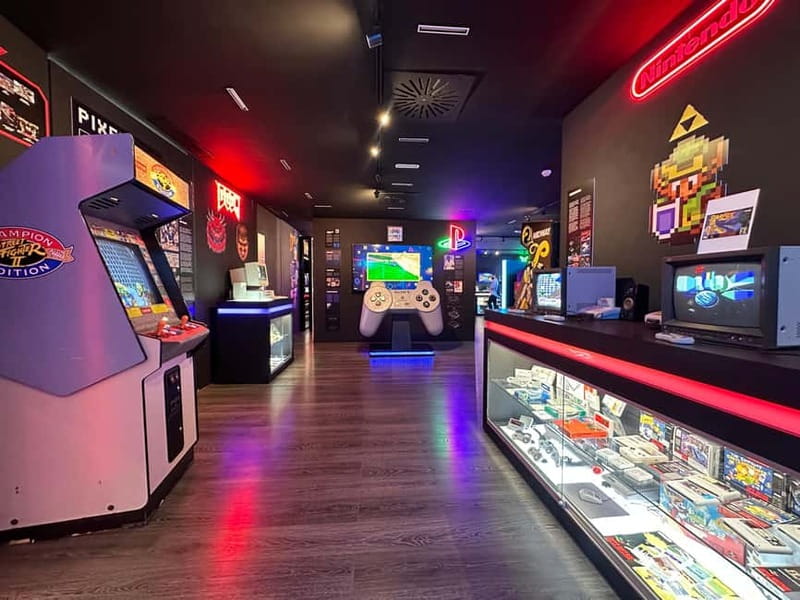
OXO is built for one thing: getting you interacting with gaming history, not just reading about it. From the moment you enter, the museum’s structure is designed like a guided arc through time. You begin with the big-picture framing in a 3D room, and then you move into three levels that cover the past, the present, and the future of digital entertainment.
If you grew up with controllers, keyboard clicks, or handheld games, this place hits a nerve in the best way. I like that the museum doesn’t act like nostalgia is the only point. It keeps pointing toward how ideas changed the technology, the design, and the culture of playing.
And if you’re bringing kids or a partner who mostly knows today’s gaming world, OXO can work as a bridge. You’ll see how early systems shaped genres, how interfaces evolved, and why experimentation mattered. One detail that matters: the museum says almost the entire experience is interactive, so you’re not stuck spending two hours only looking.
You can also read our reviews of more tours and experiences in Malaga



The start: the 3D room and the pace of your visit
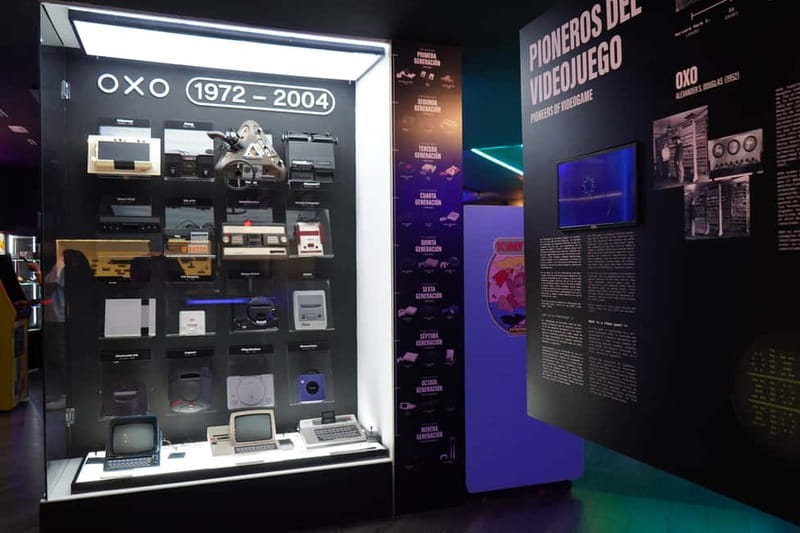
Your ticket entry includes a structured beginning: you attend the 3D room experience before you start exploring the three floors. This matters because it sets expectations. Instead of wandering, you get a sense of the big storyline and the kind of themes the museum wants you to notice: experimentation, innovation, and what the cutting edge looks like.
Pace is usually where museum tickets win or lose. OXO is designed to keep you moving. After the 3D start, you shift quickly into play and discovery. That’s a big reason why it can feel fun even if you’re not the type who loves long galleries.
Duration is listed as 2 hours, and there’s also mention of a 3-hour visit. Plan for closer to the longer side if you want time to actually try multiple consoles and not just hop from one station to the next. The ticket also uses starting times, so you’ll want to pick a slot that matches your day.
Past, Present, Future: the three-floor timeline you can touch
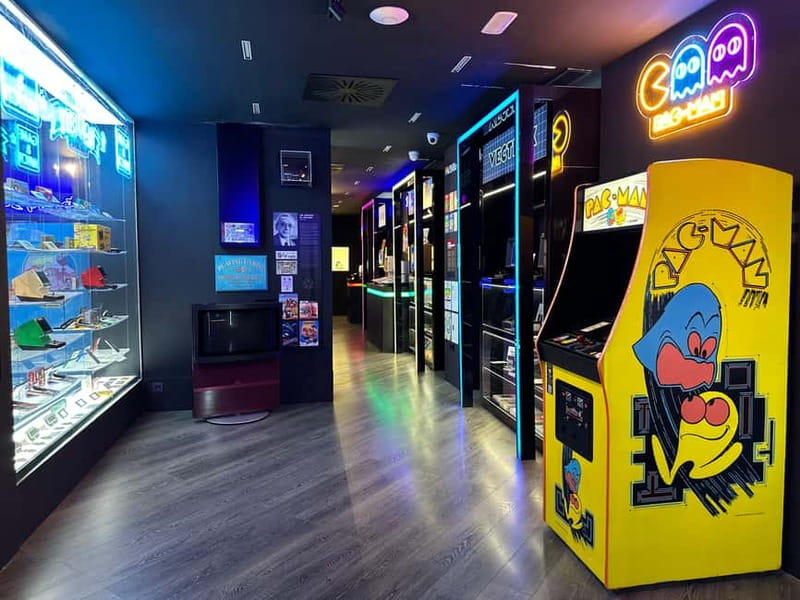
This is the core of OXO. The museum divides the experience into three levels: Past, Present, and Future of video games. The point isn’t just to show old hardware. It’s to connect old experiments to what’s possible now.
Floor 1: Past of video games
On the Past side, expect a walk through early gaming and computer culture. The museum’s focus is on systems and experimentation, so you’re not just seeing static displays. You get the chance to play on historical devices.
The most meaningful part of this section is that it helps you understand how people learned to play on limited hardware. Old computers and early consoles didn’t just look different; they made you adapt your thinking. If you remember classic home systems, this floor tends to feel personal. If you don’t, it can still feel like a history lesson with hands-on demos.
One set of eras people often clock immediately includes the ZX81 and Spectrum days, as well as classic titles like Elite. Even if you never owned those systems, it’s fascinating to see how design constraints shaped what games became.
Floor 2: Present of video games
Then you move into the Present level. This is where the museum shifts from historical curiosity to cultural momentum. You’ll see how technology and storytelling grew, and you get a sense of how current gaming trends connect to the earlier experiments.
I like the Present floor because it doesn’t treat modern games as a separate planet. It keeps the through-line: innovation builds on what came before. It also helps you avoid the common museum problem where “modern section” is just a couple of screens. Here, the museum is meant to be interactive, so you can keep your hands on the experience.
You can also read our reviews of more museum experiences in Malaga






Floor 3: Future of video games
On the Future side, the museum aims at what’s coming next, and it does it through themes tied to digital creation and emerging tech. The museum describes its mission as supporting culture and innovation in digital entertainment, linking the industry to educational areas like programming, 3D, AI, and digital art within STEAM disciplines.
Even if you’re not a coder, you’ll likely enjoy this level. It turns gaming into a conversation about how tools are made, not just how games are consumed. This is also where the museum can work especially well for students or anyone curious about how interactive media is built.
Consoles you can play: why the interactive design is the real value
The biggest reason OXO often earns such high praise is simple: you can play. Not just press buttons for show, but actually use consoles across time. That’s the difference between a “video game museum” that feels like a slideshow and one that feels like a playable archive.
When you can try the systems yourself, you instantly understand why certain genres took off and why certain control schemes became standard. It also makes the museum easier to enjoy in short spurts. If you only have energy for one hour, you can still get a satisfying hit of hands-on gaming history.
So yes, the permanent exhibition is a big deal, but the interaction is what makes it hit. The museum highlights experimentation, innovation, and the cutting edge. You don’t just hear those words; you test the tools.
A note on expectations
This isn’t a hands-off collection of rare artifacts. It’s a working, interactive space. If you go in expecting museums where you photograph displays from a safe distance, you may feel the opposite. OXO is built for participation.
Temporary exhibit: Final Fantasy as a pop-culture anchor
XO is also featuring a temporary exhibition tied to the legendary Final Fantasy saga. Temporary exhibits matter because they keep the museum from feeling frozen in time. You get a fresh angle on gaming culture and can connect the general timeline theme to one of the most influential franchise stories in gaming.
Practically, this can help you choose your route. If Final Fantasy is your thing, you’ll likely spend a little longer finding that section and reading the surrounding context. The good part is that it doesn’t have to replace the main three-floor story. It acts like a recognizable anchor inside the broader history of how games evolve.
If you’re a gamer who likes big-name franchises, this kind of temporary element can turn a “cool museum” into a “must-see museum.”
Rooftop Cathedral Terrace: views and a relaxed finish
The visit ends with the Cathedral Terrace, a rooftop space designed for panoramic views in the heart of Malaga. This is a smart way to structure the experience. After time on the screens and controls, you get air, light, and a view that reminds you you’re in a real city.
The rooftop also includes gastronomic proposals, so it’s an easy place to refuel without turning your visit into a logistics puzzle. One important rule to remember: drinks and food are not allowed inside the museum galleries. That makes the rooftop stop feel even more intentional because it gives you a built-in place to pause.
If you like city viewpoints as much as exhibits, you’ll appreciate that OXO doesn’t end with another room. It ends with the skyline.
Price and time: is a $17 ticket good value?
At about $17 per person, OXO sits in the “reasonable splurge” category. The value isn’t just that it’s a themed museum. It’s that you’re paying for time in an interactive environment with playable systems plus a 3D room start and a rooftop finish.
Two hours is a good target if you focus. You can hit the main storyline: Past, Present, Future, plus at least a few systems you’ll remember. If you want a more leisurely pace and you genuinely want to play across multiple eras, plan for the possibility that you’ll land closer to the longer visit experience that’s referenced elsewhere.
Also, consider who you’re going with. If you’re paying for two people who both enjoy games, the ticket often feels like a bargain because you’re getting shared fun. If your group is mixed—one person loves gaming history and the other is more “show me quickly”—you can still make it work by splitting play time with the rooftop views as the natural reset.
Who should book OXO (and who might skip it)
This ticket entry is a strong fit if you answer yes to any of these:
- You’ve played games across different eras and want to reconnect with older systems
- You like hands-on museums where you actively try things
- You want something fun for families where the kid can learn without it feeling like school
- You’re curious about how digital entertainment connects to fields like programming, 3D, AI, and digital art
You might think twice if:
- You’re not interested in trying consoles or controlling anything
- You prefer quiet, text-heavy museums over interactive stations
- Your group needs frequent snack breaks inside venues, since food and drinks are not allowed during the museum part
For me, the best part is that OXO can satisfy both nostalgia and curiosity. It’s not trapped in “remember when.” It uses the past to explain why today looks the way it does.
Practical tips so your visit feels smooth
- Pick a starting time that gives you breathing room. The ticket has multiple starts, so don’t schedule it back-to-back with a long walking day.
- Go in with one goal. Example: try a classic console type you remember, then spend the rest exploring whatever stations catch your attention.
- Save your hunger for the Cathedral Terrace. Food is not allowed inside the museum spaces, but the rooftop is where you can enjoy the gastronomic proposals.
- If you’re bringing someone new to classic systems, treat the Past floor like an adventure. Early games are part technical puzzle, part design culture.
Should you book OXO Video Game Museum Ticket Entry?
Yes, you should book if you want a museum ticket that behaves like an activity. OXO is one of those rare experiences where history isn’t just explained; you test it. The playable consoles, the clear Past/Present/Future structure, and the rooftop finish with Cathedral Terrace views make the time feel well spent.
Skip it only if your group hates hands-on attractions or you know you won’t enjoy trying systems yourself. If you do like to press buttons and see how things work, OXO turns Malaga into a story you can actually play through.
FAQ
How long is the OXO Video Game Museum visit?
The duration is listed as 2 hours. There is also mention of a 3-hour visit experience, so it’s smart to expect you may need closer to the longer end if you want to play a lot.
Do I need to choose a starting time?
Yes. The ticket entry notes that you should check availability to see starting times.
What’s included with the ticket?
The ticket includes an interactive museum experience across three floors (Past, Present, Future), a 3D room experience at the start, and a visit length tied to the entry option. There is also currently a temporary exhibition of the Final Fantasy saga.
Is the museum wheelchair accessible?
Yes, the activity is wheelchair accessible.
Is food or drink allowed inside the museum?
No. The museum does not allow drinks, alcohol, drugs, or food.
What’s at the end of the visit?
You end at the Cathedral Terrace, a rooftop space with panoramic views and gastronomic proposals.
Can I cancel for a full refund?
Yes. Free cancellation is offered up to 24 hours in advance for a full refund.
Can I reserve now and pay later?
Yes. There is a reserve now & pay later option, so you can book your spot without paying immediately.