REVIEW · MALAGA
Private walking tour: Cathedral, Alcazaba and Roman Theatre
Book on GetYourGuide →Operated by ABANICO TOURS · Bookable on GetYourGuide
Malaga layers history faster than most cities. This private walk ties together the Roman, Muslim, and Christian eras with entrances included. I especially like how the route feels tailored to your pace, and how the guide turns big monuments into clear stories you can actually follow. One thing to plan for: the Alcazaba involves steep spots and cobblestones, so it can be tough if you have mobility issues.
For me, the best part is pacing. In just three hours, you go from a 1st-century stage, up into a fortified citadel, and then into a cathedral nicknamed La Manquita. It’s a strong value for the price because you’re not piecing tickets together, and the group is private—so questions don’t get lost in a crowd.
In This Review
- Key highlights worth your attention
- Why this Malaga combo works (Roman, Alhambra-style fortress, then La Manquita)
- Starting at C/ Alcazabilla 3 and settling into the walk
- Roman Theatre: a 1st-century stage that stayed hidden
- Alcazaba: the Arabic citadel on Mount Gibralfaro slopes
- Practical reality: steep areas and cobblestones
- Plaza del Obispo: the pause point before the Cathedral
- Malaga Cathedral and La Manquita: where Christian power meets older foundations
- Tickets, private group pace, and why $119 feels fair
- Who this tour suits best
- Should you book this private walking tour?
- FAQ
- FAQ
- How long is the private walking tour?
- Where does the tour start?
- Does the price include tickets?
- Is the tour private?
- What languages are the guides available in?
- Is there a way to avoid ticket lines?
- Is pickup offered?
- Is it suitable for wheelchair users?
- What should I wear or bring?
Key highlights worth your attention
- Private guide, route adjusted to your interests, so the tour doesn’t feel like a one-size script
- Tickets included for the Roman Theatre, Alcazaba, and Malaga Cathedral
- Roman Theatre from the 1st century, long hidden underground, now a major preserved monument
- Alcazaba meaning citadel in Arabic, built in the 11th century and known for serious defensive design
- Cathedral known as La Manquita, tied to the earlier Muslim Aljama Mosque
- Skip-the-ticket-line so you spend more time looking and less time waiting
Why this Malaga combo works (Roman, Alhambra-style fortress, then La Manquita)
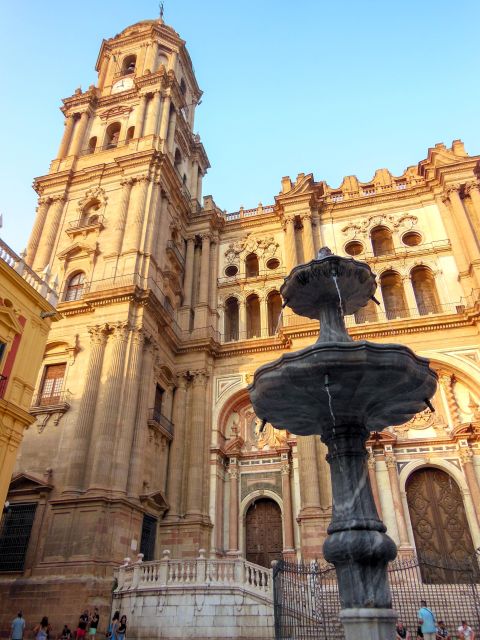
You can see Malaga’s highlights piecemeal. Or you can put them in a logical chain, and that’s what makes this kind of private walking tour click.
You start with the Roman Theatre, the clearest preserved reminder that Malaga (then tied to Roman city life) wasn’t always a coastal backwater. Then you move to the Alcazaba, where the tone changes completely: higher ground, fortification walls, and a sense of protection—built to defend the city. Finally, you finish at the Cathedral of Our Lady of the Incarnation, nicknamed La Manquita, where you see how Christian Malaga took shape on top of earlier Muslim presence.
That three-step arc matters because it helps you read the city. Instead of treating each site as a separate stop, you start noticing the transitions—how power shifted, how buildings changed hands, and how the city reinvented itself while reusing the same strategic locations.
You can also read our reviews of more walking tours in Malaga
Starting at C/ Alcazabilla 3 and settling into the walk
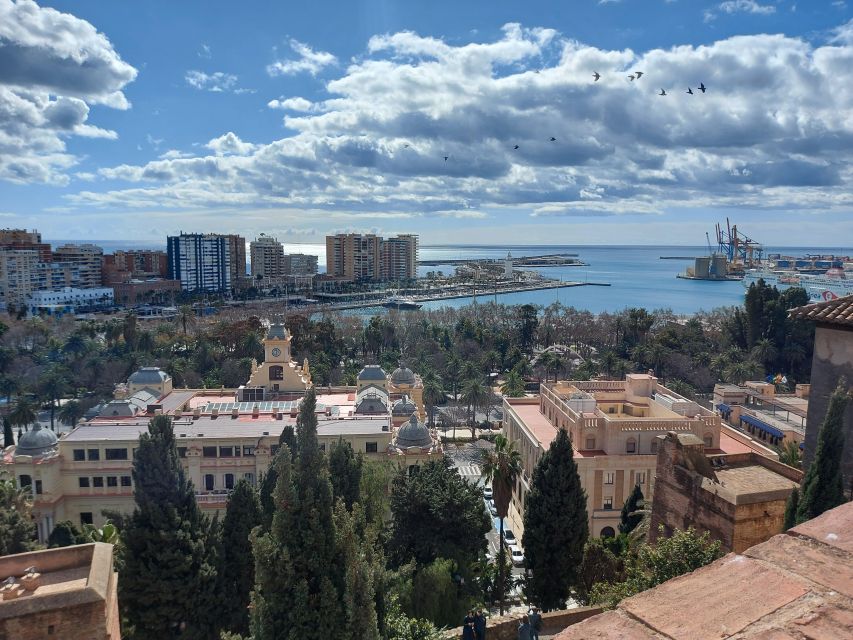
The tour meets at C/ Alcazabilla, 3. From there, you’ll do a short walk (around ten minutes) to reach the Roman Theatre area. That brief warm-up is useful: you’re not thrown straight into a long staircase maze, and you have a moment to orient yourself in the neighborhood feel of central Malaga.
There’s also the possibility of pickup, but only if your hotel or starting point is in the historical centre. If you’re staying outside that zone, the meeting point is your anchor. Either way, the tour ends back at the meeting point, which makes planning after your tour much simpler.
If your day has you hopping between sights, think of this as a “core history loop.” It covers three of the most meaningful monuments in a small radius, with ticket lines handled for you.
Roman Theatre: a 1st-century stage that stayed hidden
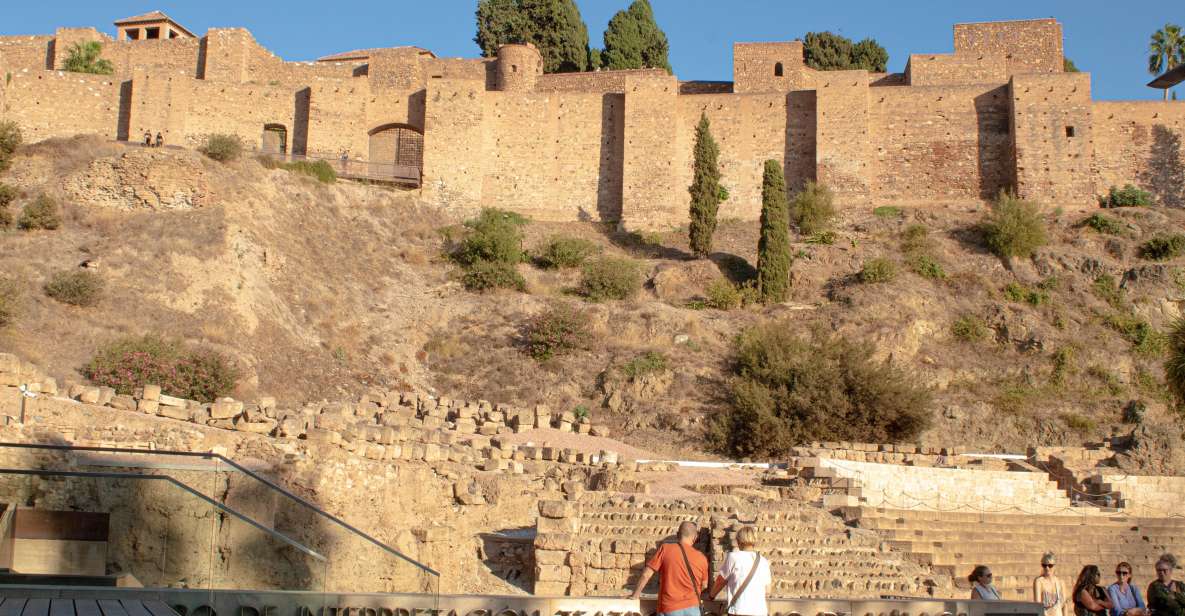
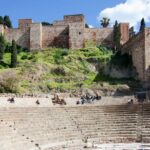
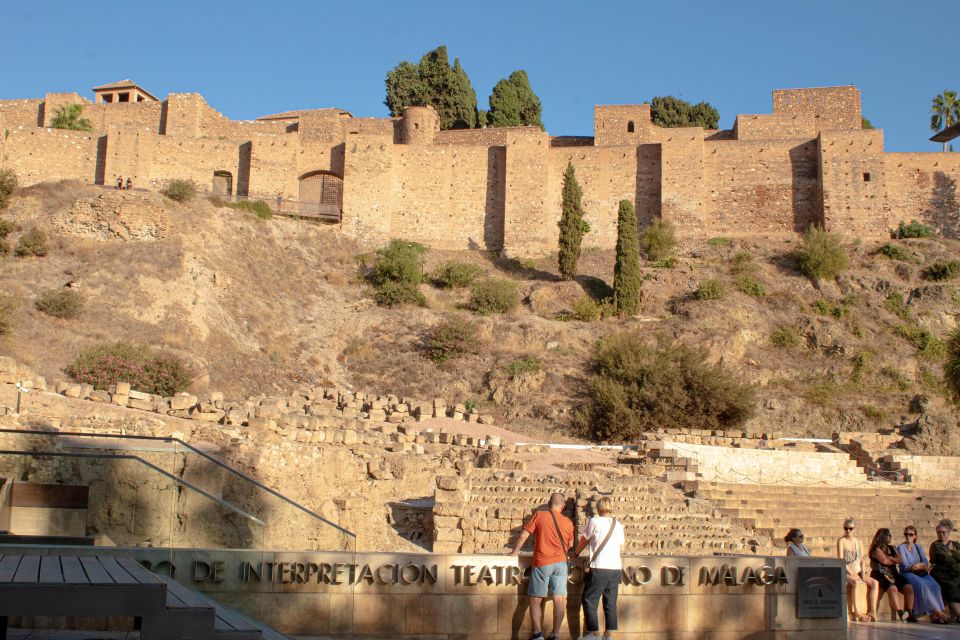
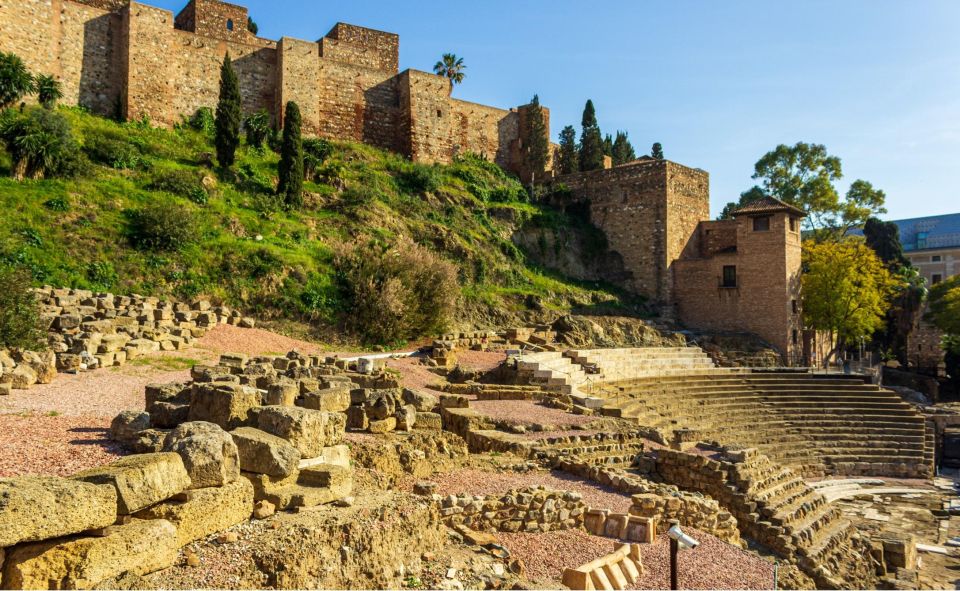
The Roman Theatre is the star for anyone who likes the feeling of time layering on itself. This is from the 1st century AD, and it served both recreational and political purposes. In Roman cities, the theatre wasn’t only entertainment—it also worked as a tool for showing power and social ranking. The architecture and seating weren’t neutral. They helped reinforce who mattered.
One detail I love here: the theatre remained hidden underground for several centuries. That means when you see it today, you’re not just looking at ruins on the surface—you’re seeing what survived beneath later city life. The guide’s job is to help you understand how it would have functioned in Roman times, not just what’s exposed now. In practice, that often turns a “pretty old stones” visit into something you can mentally place in a real schedule of events.
This tour includes the Roman Theatre entrance, and it also includes skip-the-ticket-line, so you spend more of your 30 minutes watching and listening than handling paperwork. Your guided time here is about 30 minutes, which is long enough to connect the dots without rushing you into the next climb.
Quick consideration: if you’re visiting during hot periods, remember you still have the rest of the walk to go. Wear comfortable shoes—this is a walking tour, not a sit-down museum marathon.
Alcazaba: the Arabic citadel on Mount Gibralfaro slopes
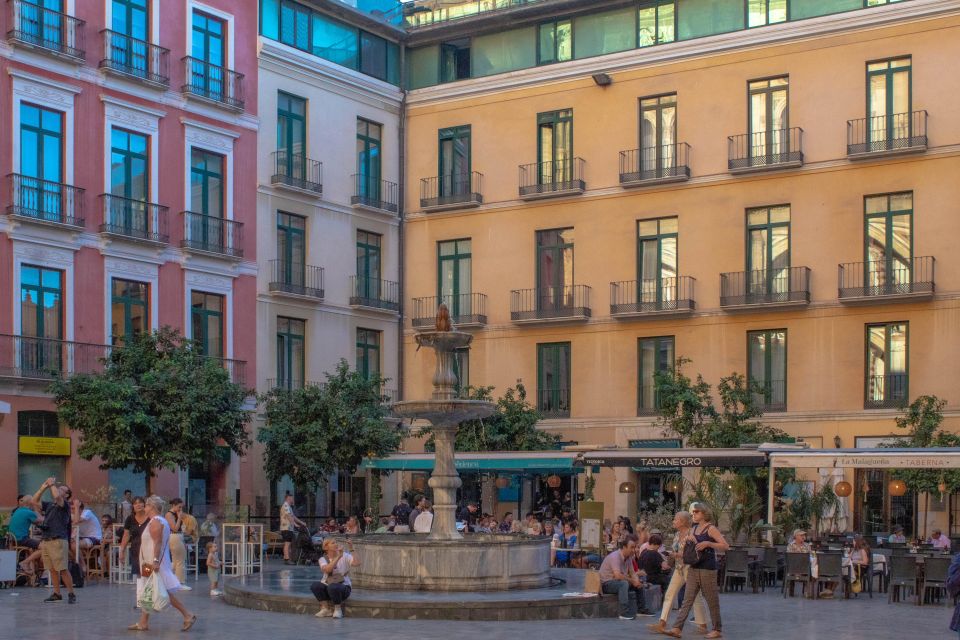
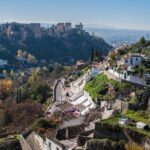
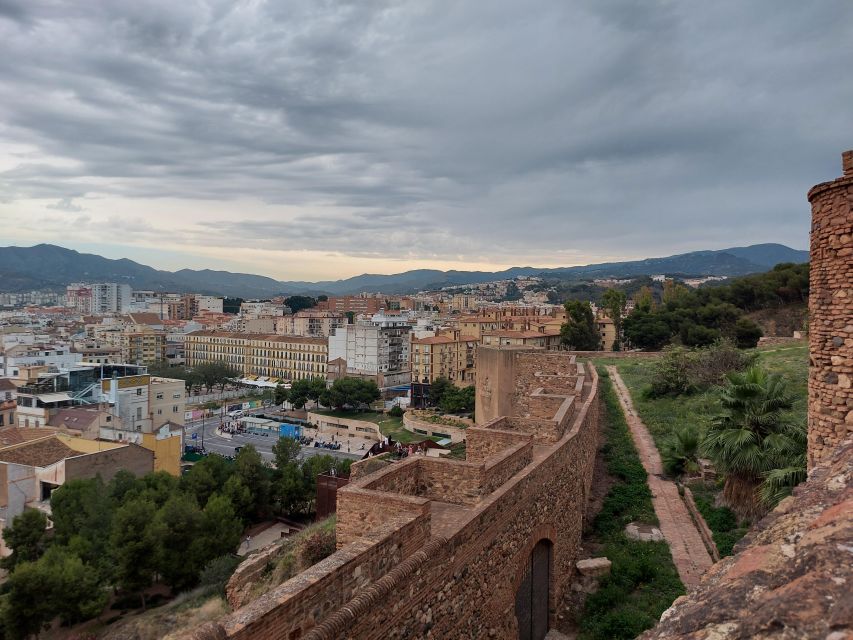
Then you head into the main event for many first-time Malaga visitors: the Alcazaba. The name comes from Arabic and means citadel, which is exactly what it feels like once you’re inside. This wasn’t just a palace complex for comfort—it was a fortified residence for the city’s Muslim rulers.
Key facts that make the site click:
- It was built in the 11th century.
- It sits on the slopes of Mount Gibralfaro, giving it commanding defensive positioning.
- It was considered one of the best defensive constructions of its time, nicknamed the impenetrable.
Over time, the Alcazaba story shifts. In the 19th and 20th centuries, it became more of a humble neighborhood, not a royal stronghold. Later, it gained formal protection in 1931 as a national monument, and restoration work brought it back as one of the best preserved examples of Islamic military architecture.
That’s why a guided visit helps. The walls and passages can look like “just fortress stuff” if you’re trying to go it alone. With a guide, you can connect the design choices to defense: sightlines, entry points, and how spaces were meant to control movement.
Practical reality: steep areas and cobblestones
This stop comes with a real-world warning: during the Alcazaba portion, you’ll find steep areas and cobblestone ground. The tour is also explicitly not suitable for wheelchair users.
If you’re unsure about your own comfort level, think about it like this: you’re not just viewing flat walls. You’re walking on uneven footing, and the grade adds effort even on short stretches. Comfortable shoes are non-negotiable here.
Expect about 80 minutes at the Alcazaba, including guided time and walking. It’s enough to feel the place without turning it into a slog.
You can also read our reviews of more private tours in Malaga






Plaza del Obispo: the pause point before the Cathedral
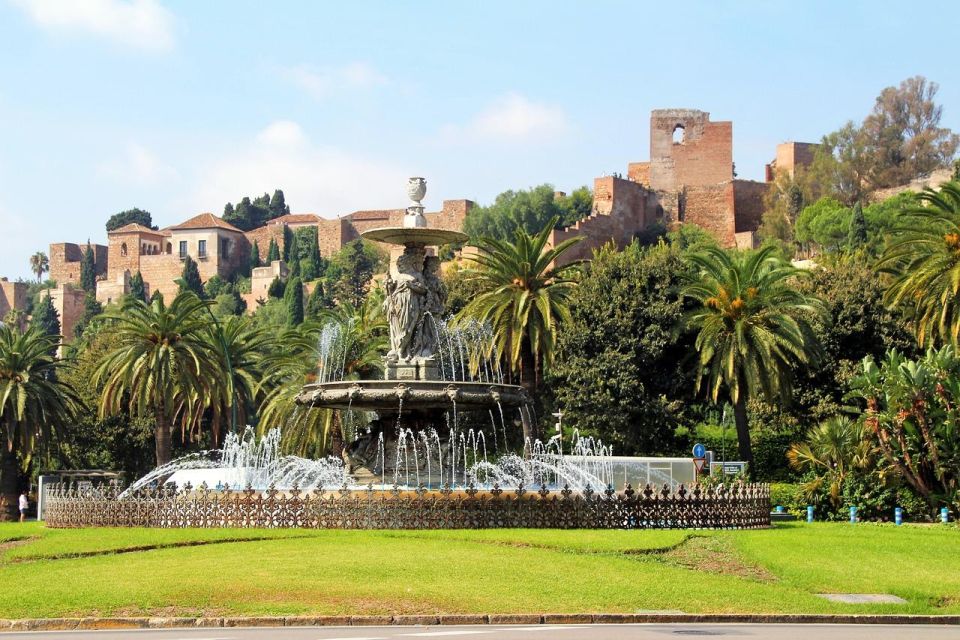
After the Alcazaba, the tour moves toward Plaza del Obispo. This is one of those “breathing space” moments on a history-heavy route. The plaza gives you a small reset before stepping into La Manquita.
From a practical standpoint, it’s also where you’ll notice the tone change. The view corridors and fortification mood from the Alcazaba gradually soften into the urban church-and-square feel of the cathedral area.
This segment is about 30 minutes of guided tour and walking. You’re not stopping just for scenery—you’re getting context so the cathedral makes sense in relation to what came before.
Malaga Cathedral and La Manquita: where Christian power meets older foundations
The Cathedral of Our Lady of the Incarnation is known in Malaga as La Manquita. That nickname alone is worth knowing before you arrive, because it hints at the story of what the building is and what it still isn’t.
What makes this cathedral extra interesting on a guided tour is the way it connects to earlier Muslim presence. Construction is tied to the earlier Aljama Mosque from the Muslim era. That matters because it turns the cathedral from a standalone landmark into part of a bigger urban evolution.
You’ll look at the main façade and notice that the construction was never completely finished. That’s not just trivia—it’s a clue that the city’s plans, funding, or priorities changed over time. You’ll also focus on the Portal del Sagrario, which is a detail worth paying attention to because façades often tell you what a community wanted to emphasize.
Inside, the guide helps you observe structure and artistry: vaults and columns, the main altar, and main chapels with interesting artistic and religious expressions. There’s also the choir with carved wooden stalls, another place where design shows craftsmanship and religious practice at the same time.
This stop runs about one hour, and it includes the Cathedral entrance. With the overall pace of the tour, this timing is just right. You have enough time to see the key architectural elements, but you’re not trapped inside while your legs would rather move.
Practical tip: keep an eye on clothing expectations. Sleeveless shirts aren’t allowed, so plan accordingly. It’s an easy fix, and it prevents an awkward moment at the entrance.
Tickets, private group pace, and why $119 feels fair
At $119 per person for about three hours, this isn’t the cheapest option in Malaga—but it also doesn’t try to be. What you’re paying for is the combination of:
- A professional local guide who can explain how each era connects
- Private group pacing, meaning fewer time crunches and more room for questions
- Hotel pickup in the historical centre (when applicable)
- Entrances included to all three major sites
- Skip-the-ticket-line so you’re not burning your limited time on queues
If you tried to do this yourself, you’d spend time buying tickets, navigating routing, and figuring out what to focus on. Guides don’t just save you time. They help you see the important parts fast—Roman theatre functions, Alcazaba defensive logic, and the cathedral’s relationship to the Aljama Mosque.
And yes, guides can vary. In the reviews, Maria Lourdes comes up as a strong standout—passionate, attentive, and able to adapt when the weather turns complicated. That kind of flexibility matters in real life. You want a guide who can keep the flow when conditions aren’t perfect.
Who this tour suits best
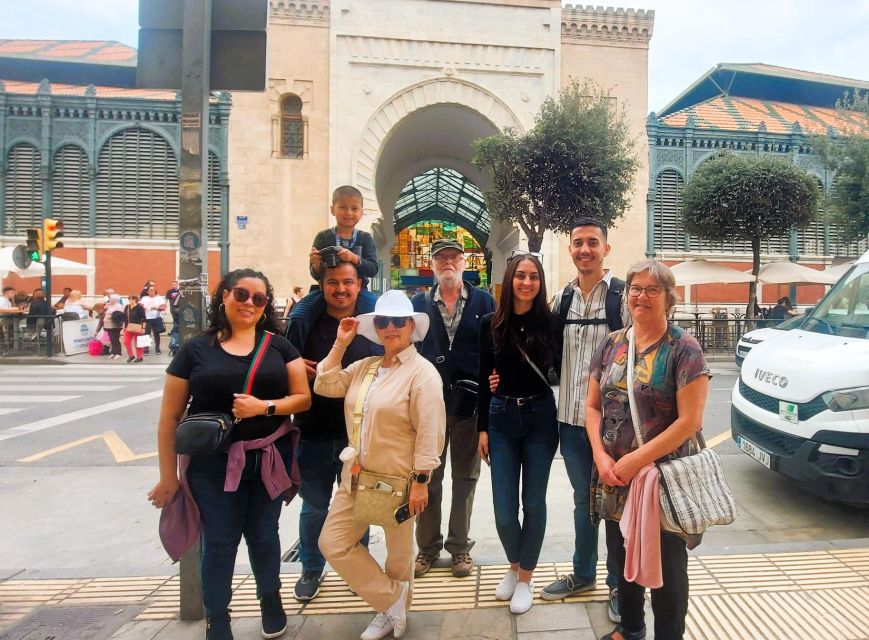
This works best if you want a concentrated history walk without spending your day on logistics. I’d especially recommend it if:
- you like monuments but also like understanding what you’re looking at
- you prefer smaller groups where you can ask questions and control the pace
- you want the clearest “three-layer Malaga” route: Roman Theatre → Alcazaba → Cathedral
It’s less ideal if your mobility is limited due to the Alcazaba’s steep and cobblestone sections and because the tour is not suitable for wheelchair users.
Also keep it in mind if you’re traveling with kids in strollers. Baby carriages aren’t allowed on this tour, so you’ll want to plan accordingly.
Should you book this private walking tour?
I’d book it if you want the most meaningful monuments in Malaga connected into one story, with tickets already handled and a guide keeping the pace realistic for a walking route. The private format is a big deal here because each site needs a bit of explanation to land well—especially the shift from Roman design to Alcazaba fortification to La Manquita.
Skip it if you can’t handle uneven footing and steep sections, or if you’re mainly chasing casual, zero-education sightseeing. This is built for people who like context.
If the weather is iffy, consider that the guide can adapt—at least based on real feedback from Maria Lourdes, who’s been praised for adjusting to difficult conditions and staying focused on the group’s rhythm.
FAQ
FAQ
How long is the private walking tour?
It lasts 3 hours.
Where does the tour start?
The tour starts at C/ Alcazabilla, 3.
Does the price include tickets?
Yes. Roman Theatre, Alcazaba, and Cathedral entrances are included, and all taxes are covered.
Is the tour private?
Yes, it’s a private group tour.
What languages are the guides available in?
The live tour guide is available in English and Spanish.
Is there a way to avoid ticket lines?
Yes, the tour includes skip-the-ticket-line entry.
Is pickup offered?
Pickup is available if your hotel or meeting place is in the historical centre of Malaga. If you want pickup elsewhere in the historical centre, you need to contact the provider at least 24 hours in advance.
Is it suitable for wheelchair users?
No. It is not suitable for wheelchair users due to steep areas and cobblestones during the Alcazaba part.
What should I wear or bring?
Wear comfortable shoes and comfortable clothes. Sleeveless shirts aren’t allowed.
If you want, tell me your travel dates and what you care about most (Roman ruins, Islamic history, cathedral art, or just the best views), and I’ll suggest how to time this stop in your Malaga day.