REVIEW · MALAGA
Malaga: Drawing & Painting Lesson Outdoors
Book on GetYourGuide →Operated by Oh My Good Guide · Bookable on GetYourGuide
Sketching Malaga outdoors is a fast reset. This 1.5-hour drawing and painting lesson turns everyday streets into your art class, with the city’s sights doing the hard work of inspiration. I like that you’re not stuck in a studio—you’re learning live drawing right where the scenes are.
I also love the variety in both subject and tools. You can focus on the Port (reflections, boats, lighthouse), the tropical feel of a park, or Old Town architecture like the Roman Theater and the Cathedral, using media such as watercolor, soft pastels, markers, and charcoal.
One thing to keep in mind: with only 1.5 hours, you’ll create a great sketch, but you may not have time to fully polish everything the way you would with a longer class.
In This Review
- Key highlights to look for
- Outdoor Art in Malaga: Learn to See the City Differently
- Meeting by the Centre Pompidou Colors Cube
- 90 Minutes of Instruction Without the Guesswork
- Choose Your Malaga Scene: Port Views, Park Texture, or Old Town Architecture
- The Port: reflections, boats, and the lighthouse
- The park: tropical nature and softer forms
- Old Town: Roman Theater and Cathedral architecture
- Techniques You’ll Practice With Real Supplies (Not Just Theory)
- The Teaching Focus: Perspective, Proportion, and Color Choices
- What You Get, Straight Up: Materials and Instructor Time
- Price and Value: Is $65 Worth 1.5 Hours?
- Who This Workshop Fits Best
- Small Practical Tips to Get Better During the Session
- Should You Book This Malaga Drawing and Painting Session?
- FAQ
- Where is the meeting point for the Malaga drawing and painting lesson?
- How long is the lesson?
- What is the price?
- How big is the group?
- What languages are available?
- Do I need prior drawing or painting experience?
- What drawing and painting techniques will I learn?
- Are art materials included?
- Can I choose what I draw in Malaga?
- Is it wheelchair accessible, and what’s the cancellation and payment option?
Key highlights to look for
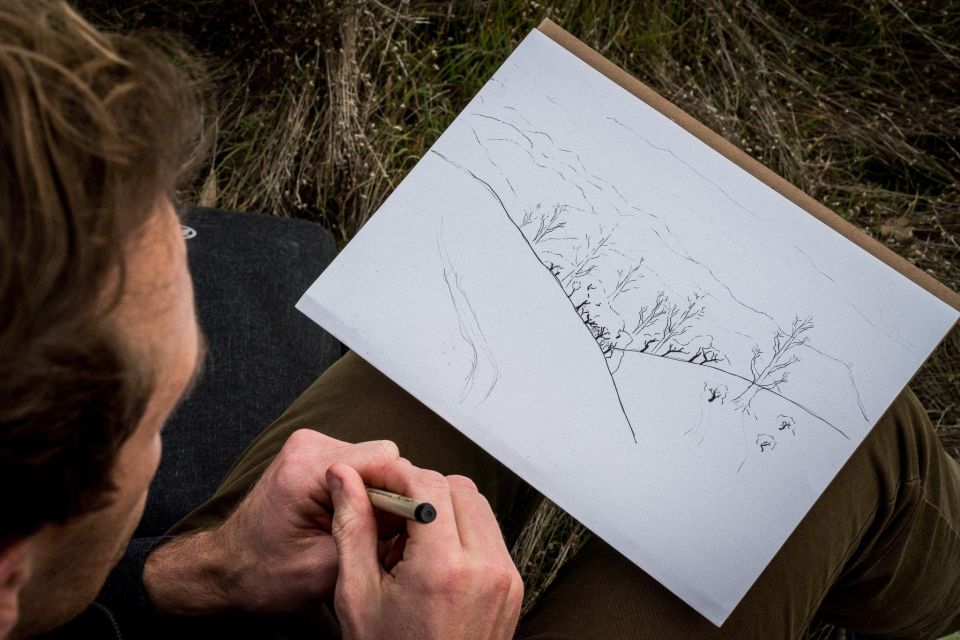
- Choose your Malaga view: Port, park, or Old Town landmarks (Roman Theater, Cathedral)
- Practice real drawing tools: watercolor, soft pastels, markers, charcoal, pencils, and brushes
- Hands-on instruction in a small group: up to 10 participants
- Teacher guidance on what to look for: perspective, proportion, and color planning
- Materials included: paper and art supplies are provided so you can just start
Outdoor Art in Malaga: Learn to See the City Differently
Malaga has a way of making you want to slow down. Between bright facades, moving water, and sharp architecture, it gives you “subjects” on demand. In this lesson, you’re not just copying postcards—you’re learning how to look so your sketch feels like Malaga, not like a generic drawing.
This is a good option if you’ve had drawing on the back burner. The workshop is built for beginners and people returning after a break, with enough structure to keep you from feeling lost. And because it’s outdoors, the city supplies the energy: light changes, angles shift, and you’re forced to make quick, smart choices.
You can also read our reviews of more tours and experiences in Malaga



Meeting by the Centre Pompidou Colors Cube
You’ll meet right next to the Colors Cube of the Centre Pompidou. That’s helpful because it anchors the experience in a real, easy-to-find part of town. Even if you’re new to Malaga, you get your bearings quickly, and the class starts moving you toward the kind of views you’ll actually want to sketch.
The lesson is designed so you don’t need special logistics to “get to the art.” You show up, get started, and then your teacher steers the process.
90 Minutes of Instruction Without the Guesswork
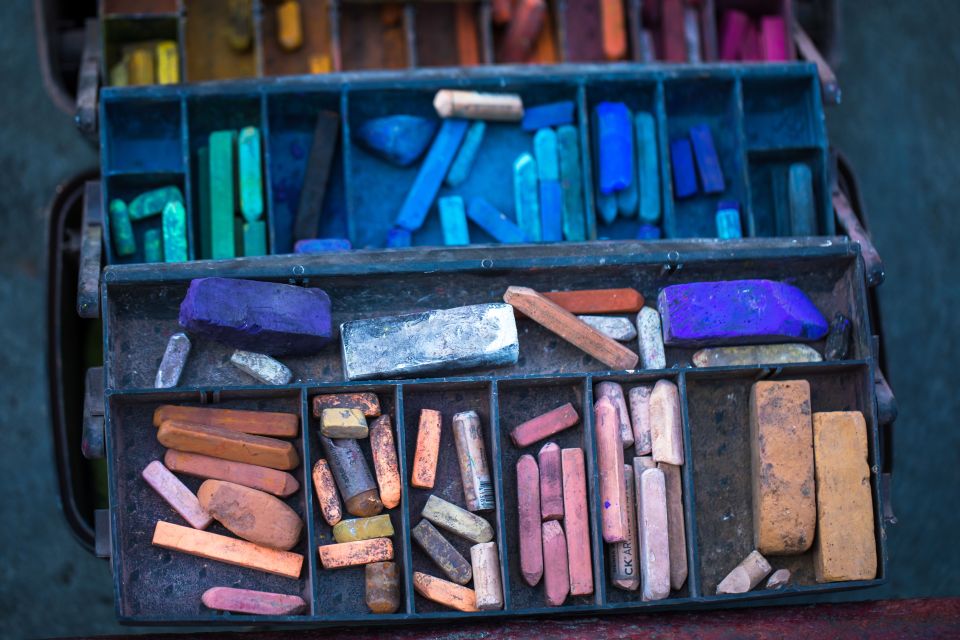
The class runs for 1.5 hours with a small group (limited to 10). That small size matters. You’re not competing for attention, and it’s realistic for the teacher to check your drawing setup and point out what will improve it fastest.
You can also count on an instructor who adjusts to your level. One participant highlighted that the host asked what you expected and guided you based on where you were starting from. That’s exactly what you want in a workshop: clear tips, not a lecture, and enough personal feedback to make your page look like progress.
Languages are offered in Spanish, English, and Italian, which makes it easier to learn the technique part without missing the details. You’ll spend your time actually making marks, not translating on the fly.
Choose Your Malaga Scene: Port Views, Park Texture, or Old Town Architecture
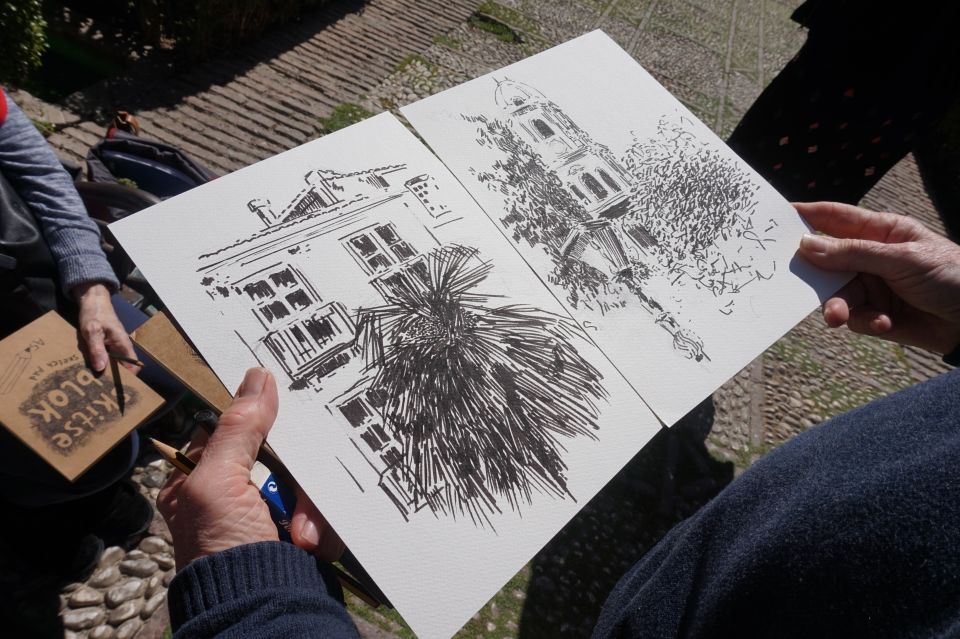
This is one of the best parts: you’re not limited to a single spot. You can choose what you want to draw, and that choice makes the class feel personal.
The Port: reflections, boats, and the lighthouse
If you want drama and movement, the Port is a strong pick. Think reflections, boats, and the lighthouse—a combination that teaches you how to handle contrasts and layered shapes. You’ll also learn how to suggest water without trying to draw every ripple like a machine.
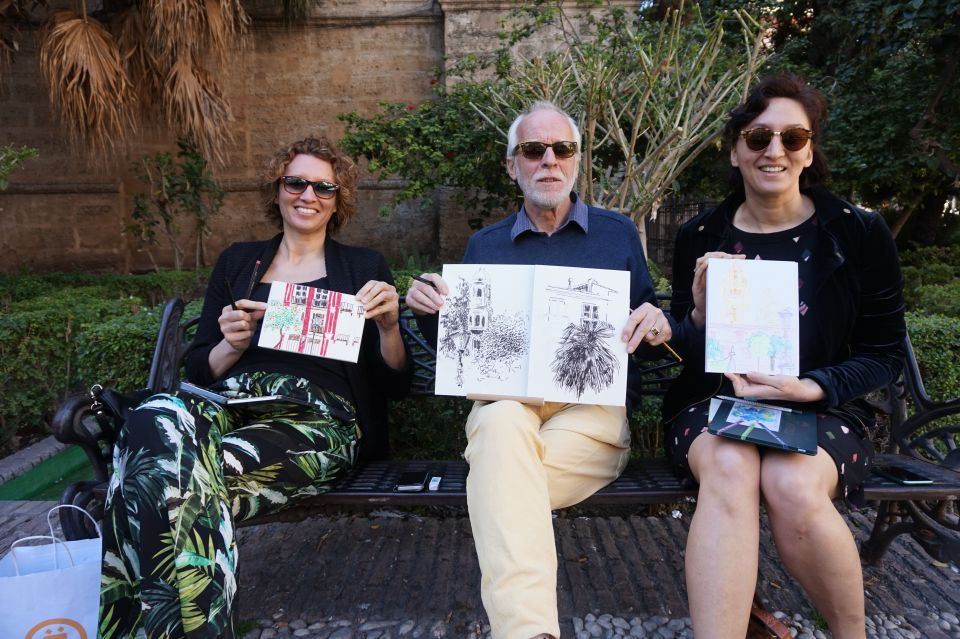
One sketch that came out of this lesson focused on the lighthouse and the harbor, and the artist was pleased with a standout sky color. That’s the kind of outcome you can aim for here: not perfect realism, but a convincing scene built from smart decisions.


The park: tropical nature and softer forms
If you’d rather work with shapes that don’t require rigid lines, choose the park option. It’s a chance to practice how to bring texture into your page—leaves, tonal areas, and uneven forms—using your chosen mediums. This is a good track if you tend to freeze when you see lots of detail.
Old Town: Roman Theater and Cathedral architecture
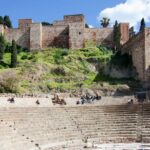
For architecture lovers, the Old Town options are the real draw: the Roman Theater and the Cathedral. These views are great training for proportion and perspective, because buildings punish sloppy angles fast. You get the satisfaction of drawing something unmistakably Malaga, even if you keep your sketch style simple.
A balanced note: architecture can feel intimidating at first. But that’s also why it’s useful—this class is there to help you build the structure before you worry about the finishing touches.
Techniques You’ll Practice With Real Supplies (Not Just Theory)
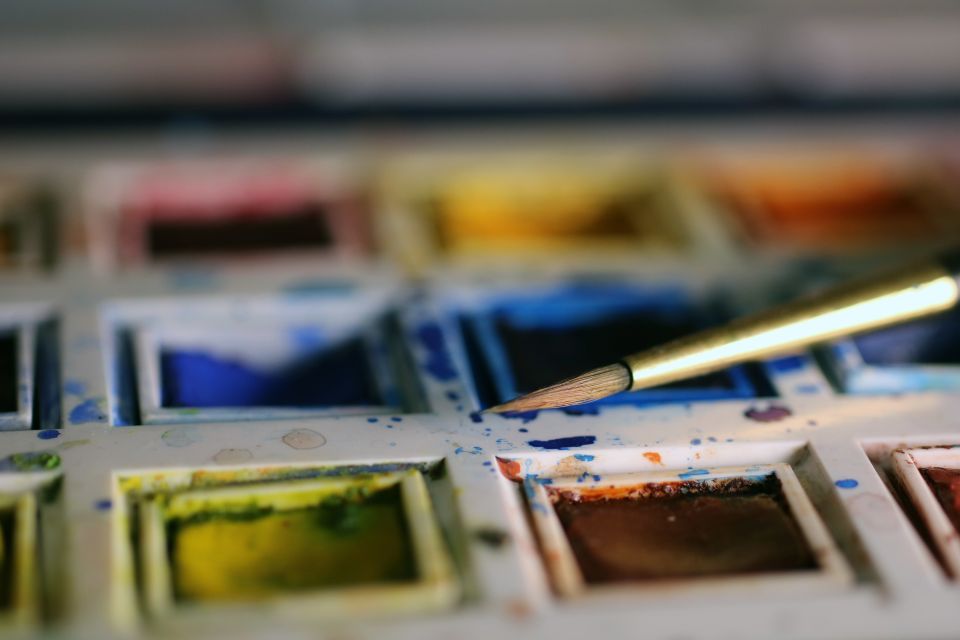
The workshop teaches you multiple mediums, so you can see how each one behaves in outdoor light and on the paper you’re using.
Here’s what you can expect to try:
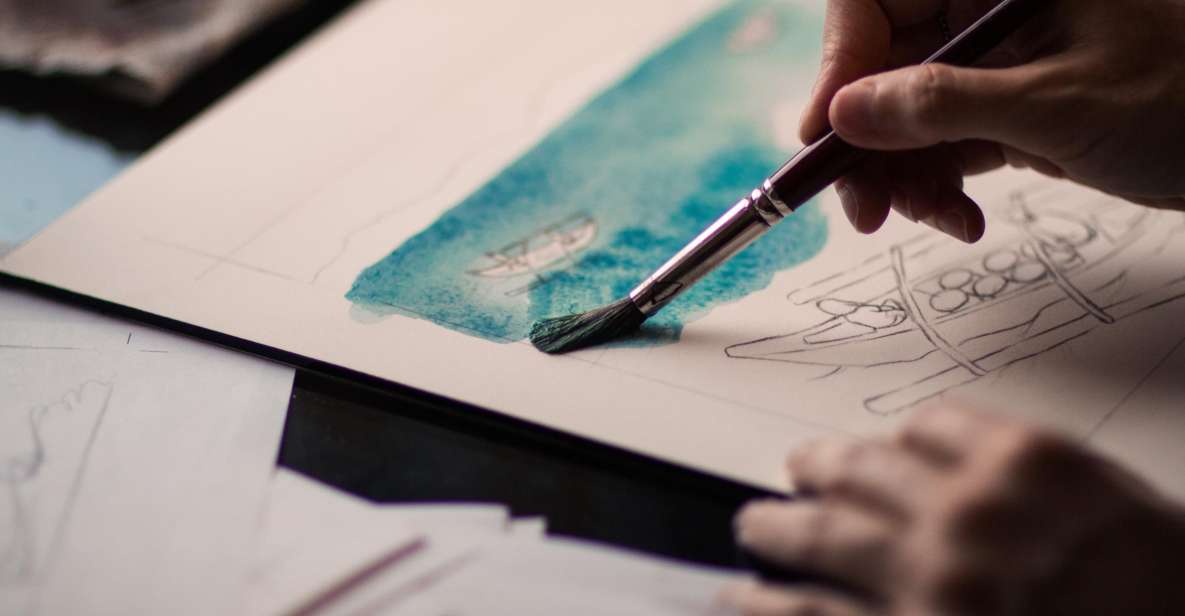
- Watercolor for color washes and quick atmosphere
- Soft pastels for texture and gentle blending
- Markers for crisp lines and stronger outlines
- Charcoal for bold shadows and expressive marks
- Pencils for planning your composition
- Plus brushes and watercolors, since materials are included
What this does for you as a student is practical: you stop treating drawing as one single skill. Instead, you learn that line, tone, and color are separate tools you combine. That mindset makes your results improve even if you don’t use the “perfect” medium.
And because everything is provided, you’re free to experiment. You’re not paying extra for supplies, and you’re not stuck using only whatever you happened to bring.
The Teaching Focus: Perspective, Proportion, and Color Choices
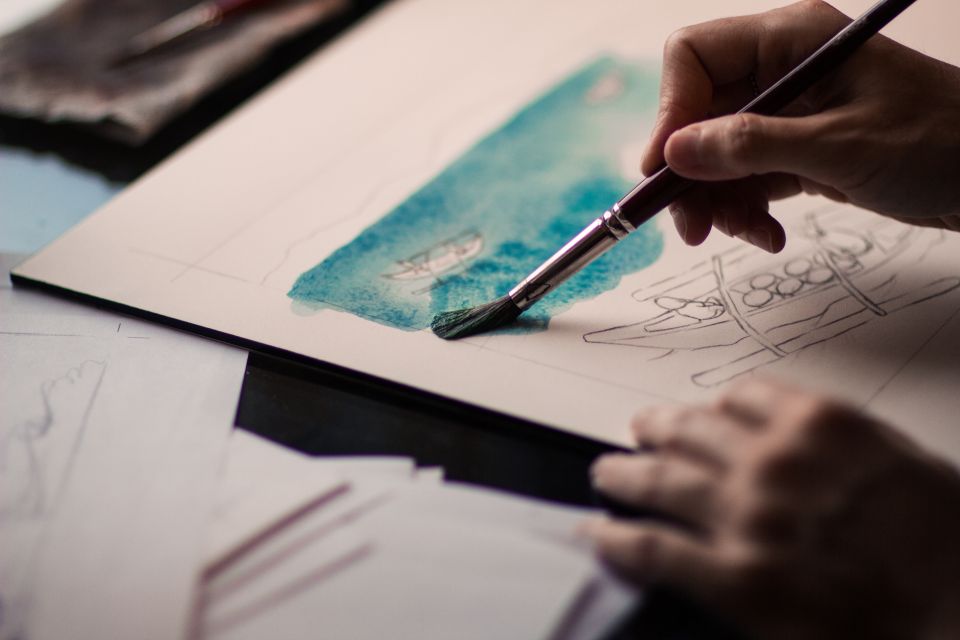
A great outdoor sketch isn’t just about art supplies. It’s about decisions: where to place things, how big they should be, and how to plan the color so it doesn’t turn muddy.
One participant described guidance specifically on perspective and proportions, plus help with picture layout. That’s huge. If you get proportions and structure right, even a loose style looks intentional.
Color is also part of the lesson. Another review mentioned learning colorization using different media and discovering a pleasing sky blue. That tells me the teacher isn’t just handing out tools—they’re showing you how to use them in a way that makes your drawing feel alive.
What You Get, Straight Up: Materials and Instructor Time
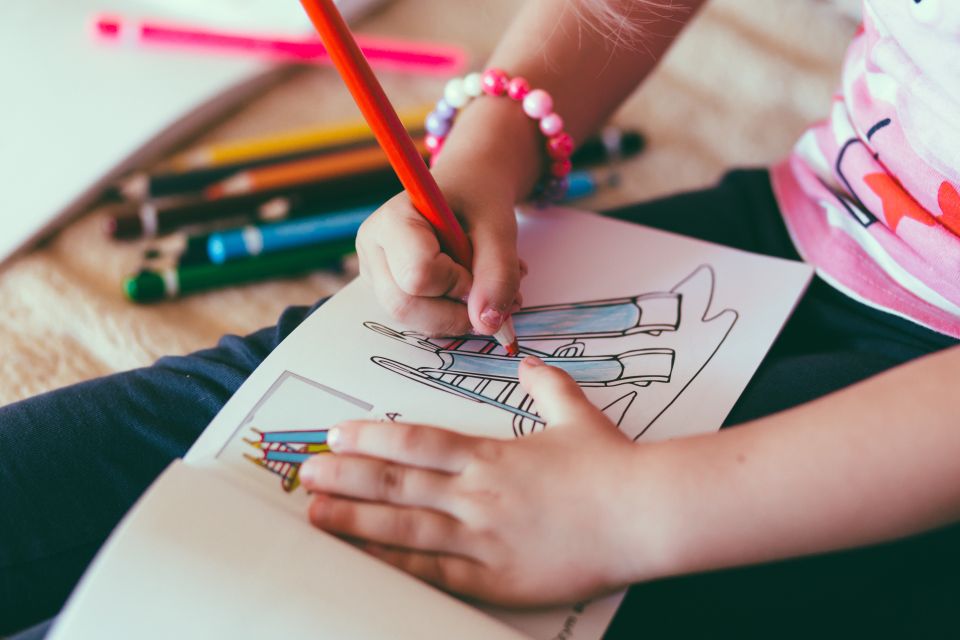
The class includes:
- Drawing materials (paper, watercolors, brushes, pencils, soft pastels, markers, charcoal)
- An art teacher
That means you can show up and start immediately. No shopping list. No “did I bring the right paper?” stress. It’s also a real value factor with a price like this: you’re paying for instruction plus the supplies you’d normally have to buy (at least if you don’t already have a basic kit).
The teacher is also the value multiplier. Even if you’re a beginner, having someone help you correct the biggest issues early makes your final page feel more satisfying.
Price and Value: Is $65 Worth 1.5 Hours?
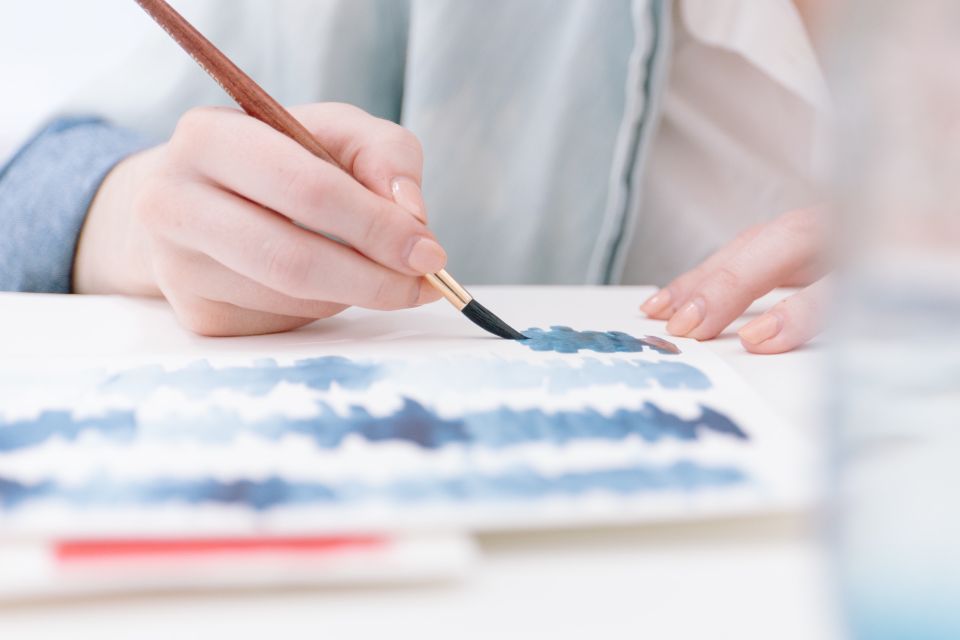
$65 for 1.5 hours, in a small group, with materials included, is actually a pretty fair deal—especially because the lesson is hands-on and tool-based. You’re getting:
- direct feedback from a teacher,
- access to multiple mediums you might not own yet,
- and a structured way to draw or paint a real Malaga view instead of wandering and hoping inspiration hits.
The main tradeoff is time. One participant felt that 2 hours would be better, even though 1.5 hours didn’t feel too rushed for them. I agree with that logic: if you’re the type who loves refining tiny details, you may wish you had another session to polish.
But if you want a motivated art break that ends with a finished sketch and a new technique or two, 1.5 hours is a sweet spot.
Who This Workshop Fits Best
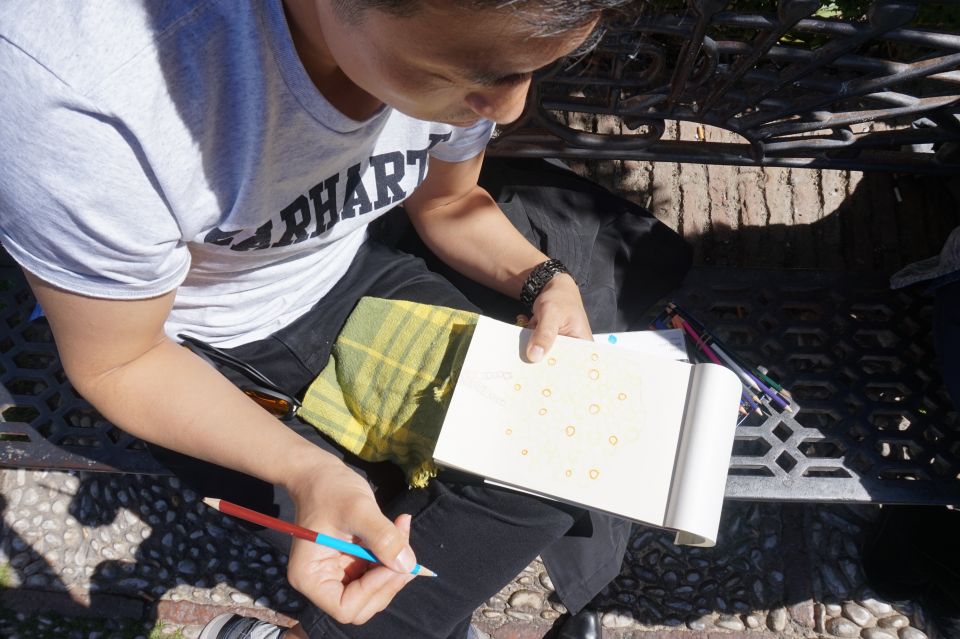
This lesson is a strong match for:
- Absolute beginners who want structure and fast feedback
- People who are rusty and want to restart with confidence
- Travelers who want something more personal than a photo stop
- Families with kids around school age who can follow directions and enjoy creating (one review noted an 11-year-old and an adult both feeling successful)
It’s also good for mixed skill levels because the teacher can work with where people are. One review specifically said it was fun for both beginners and more experienced people—everyone walked away with something they learned and wanted to do more.
If you’re the type who needs a break from constant sightseeing, this is also a nice rhythm shift. You’re still in the city, but your attention is guided in a calm, creative way.
Small Practical Tips to Get Better During the Session
You don’t need to be an artist to enjoy this lesson. Still, a few mindsets can help your results quickly:
- Start with simple outlines first, then add tone and color. It reduces panic.
- Pick one focal point (lighthouse, a building edge, or a cluster of leaves). If everything is “important,” nothing is.
- Treat color as mood, not decoration. Build it in layers so it stays clean.
- Don’t aim for perfection—aim for clarity. If the proportions and main shapes feel right, the rest can be looser.
If you do this, your page will look like Malaga even if you take a freer style approach.
Should You Book This Malaga Drawing and Painting Session?
Yes—if you want a guided way to draw Malaga that doesn’t require prior skill or buying supplies. The small group size, the included materials, and the focus on perspective/proportion and color make it a solid “learn and leave with something” experience.
Skip it only if you’re looking for a long, slow, highly detailed painting day. With 1.5 hours, you’ll get strong foundations and a finished sketch, but you may crave more time for deeper detail work.
FAQ
Where is the meeting point for the Malaga drawing and painting lesson?
You meet right next to the Colors Cube of the Centre Pompidou.
How long is the lesson?
The lesson lasts 1.5 hours.
What is the price?
The price is $65 per person.
How big is the group?
It is a small group limited to 10 participants.
What languages are available?
The instructor offers Spanish, English, and Italian.
Do I need prior drawing or painting experience?
No. The workshop is designed for beginners and also works for people who want to improve.
What drawing and painting techniques will I learn?
You learn techniques such as watercolor, soft pastels, markers, charcoal, and more.
Are art materials included?
Yes. Materials are provided, including paper, watercolors, brushes, pencils, soft pastels, markers, and charcoal.
Can I choose what I draw in Malaga?
Yes. You can choose between drawing the Port (reflections, boats, lighthouse), the tropical nature of the park, or Old Town architecture like the Roman Theater or Cathedral.
Is it wheelchair accessible, and what’s the cancellation and payment option?
The experience is wheelchair accessible. It also offers free cancellation up to 24 hours in advance for a full refund, and a reserve now & pay later option.