REVIEW · MALAGA
Malaga Walking Tour, Roman Theater and Alcazaba in small group with Tickets
Book on GetYourGuide →Operated by Málaga Guiada · Bookable on GetYourGuide
Malaga can feel like a pile of eras stacked on top of each other. This small-group walk ties it all together, from Phoenician roots to modern-day Malaga, with tickets included for the big fortress-and-theater pair. You’ll also get that classic city-center wandering that makes first-time visitors feel oriented fast.
I especially like how the pace is built for learning without dragging. The guide brings years of experience, and the route hits the places you’ll recognize on a map—Calle Larios, Plaza de la Constitución, La Manquita, the Picasso area—then connects them to what came before. My second big win is practical value: no queuing for the main entrances, and you don’t have to juggle tickets while trying to enjoy the day.
One thing to consider: this tour is very much a walking plan, and it isn’t suitable for wheelchair users or people with mobility impairments. Also, if the Roman Theater is closed on your day, you may not get the full “two paid sites” experience you expect from the ticket inclusions.
In This Review
- Key points at a glance
- Start at Plaza de la Marina: a smooth, small-group beginning
- Calle Larios and Plaza de la Constitución: the city’s “front door”
- La Manquita and the Picasso area: quick stops that still teach you what to look for
- El Pimpi: a guided taste of Malaga, not just a photo
- Church of Santiago and Plaza de la Merced: where the neighborhoods start to feel real
- Teatro Romano de Málaga: a short visit with big scale
- Alcazaba of Málaga: the fortress stop you’ll feel in your feet
- The small details that make the guide experience work
- Price and value: why $67 can make sense for this route
- Who should book this Malaga walking tour
- Should you book this tour?
- FAQ
- How long is the Malaga walking tour?
- How big is the group?
- What’s included in the ticket price?
- Do I need to buy separate tickets for the Alcazaba and Roman Theater?
- What languages are offered?
- Is the tour suitable for wheelchair users or limited mobility?
- What should I bring, and is anything not allowed?
Key points at a glance
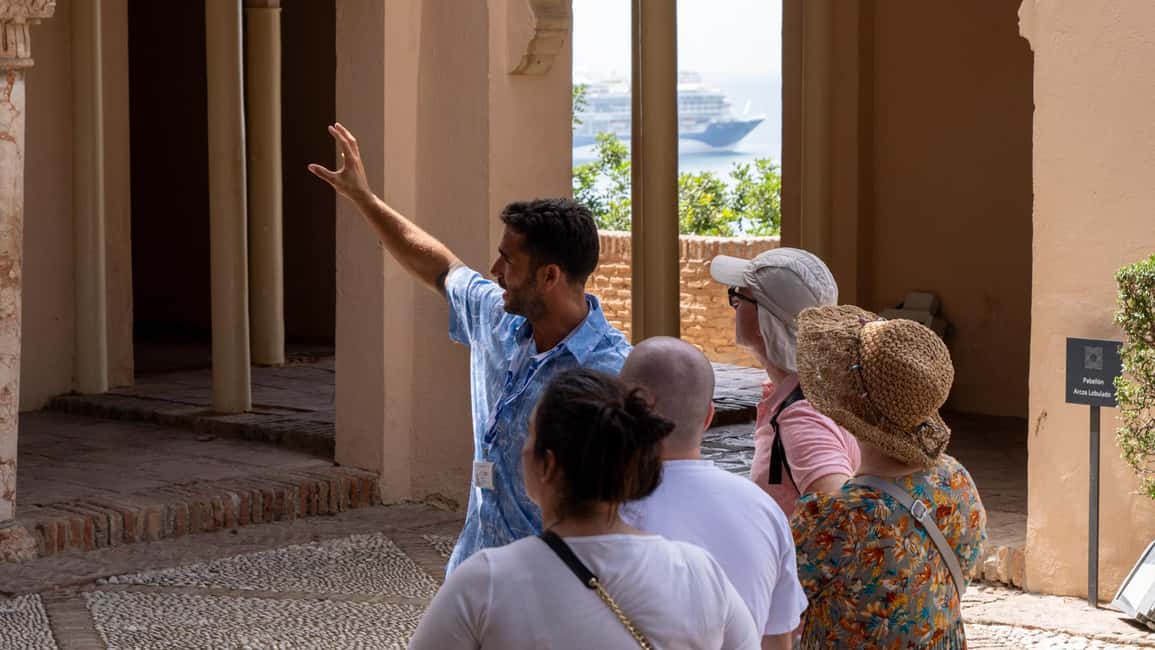
- Small group up to 10 people, so it feels personal rather than herded
- Alcazaba + Roman Theater tickets included, with skip-the-line access
- A local guide with years of experience who explains the why behind the stones
- City-center landmarks hit efficiently, including La Manquita and the Picasso area (outside/photo stops)
- Local product tasting included for a taste of everyday Malaga
- Not wheelchair accessible and not a good match if you get motion sick
Start at Plaza de la Marina: a smooth, small-group beginning
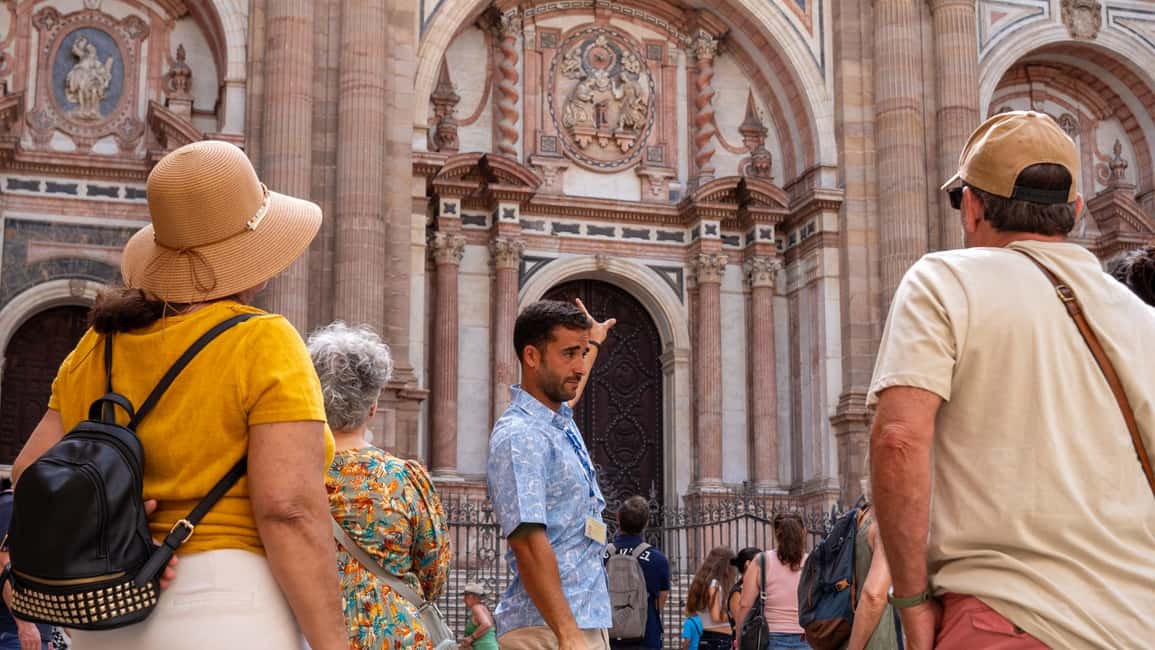
You meet at the door of the Oficina de Información Turística de Málaga, at Plaza de la Marina. That matters more than it sounds. You’re starting in the thick of things, with the guide already set up to help you get oriented, and you’re not wasting the first part of your time figuring out where to go next.
The group size is capped at 10 participants. In real terms, that usually means two things: you can hear the guide, and you don’t constantly end up stuck behind a slow-moving line. If you’ve ever done a big-group tour where you only see the top of someone’s head, you’ll appreciate the difference right away.
Also, bring comfortable shoes. You’re going to cover a good chunk of the historic center in 2.5 hours, and the route mixes flat streets with tighter, older lanes where you’ll naturally slow down.
You can also read our reviews of more tours and experiences in Malaga


Calle Larios and Plaza de la Constitución: the city’s “front door”
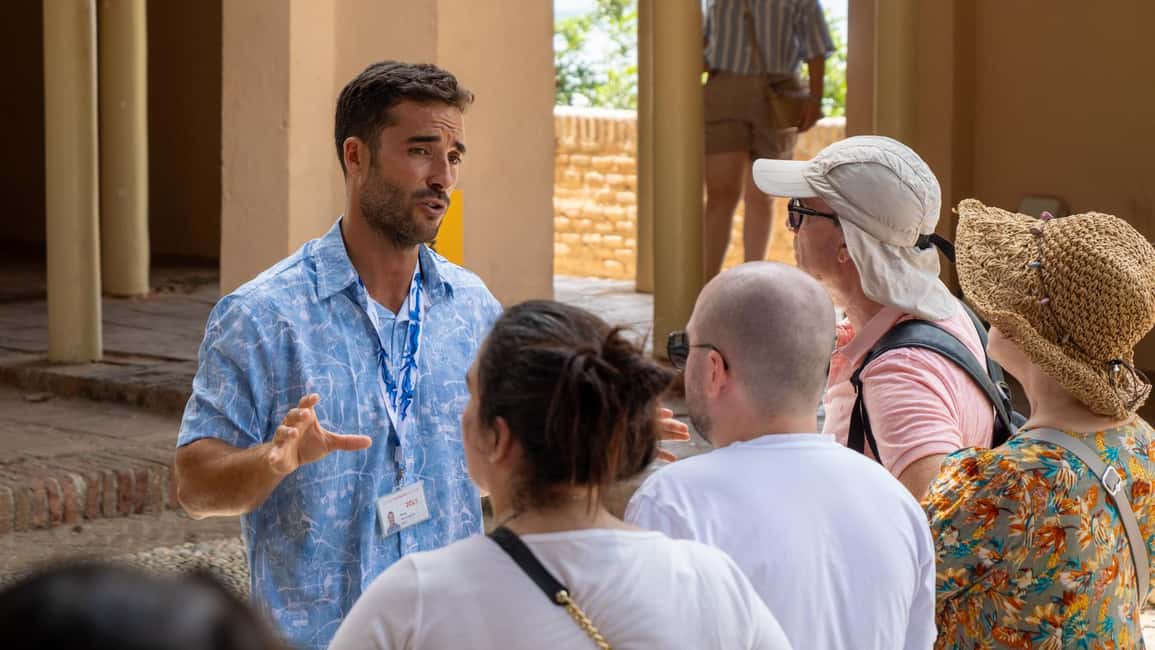
The first walk through the center takes you along Calle Larios, the famous shopping street that acts like a spine for the city. Even if you don’t plan to shop, it’s a helpful way to read Malaga’s urban rhythm. You’ll see the blend of everyday life and grander architecture without having to search for it.
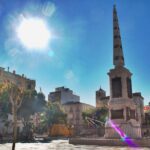
From there you move to Plaza de la Constitución. This is one of those squares where you can almost feel the layers: political life, public gatherings, and the way Malaga organizes itself around central meeting points. It’s a smart early stop because it gives you a mental map. After this, the rest of the route clicks into place.
La Manquita and the Picasso area: quick stops that still teach you what to look for
You’ll get a photo stop at the Catedral de la Encarnación de Málaga—better known as La Manquita, thanks to its distinctive look. You don’t need a long cathedral visit here to get value. What you’re really doing is learning how to spot what makes it memorable, and why Malaga’s skyline looks the way it does.
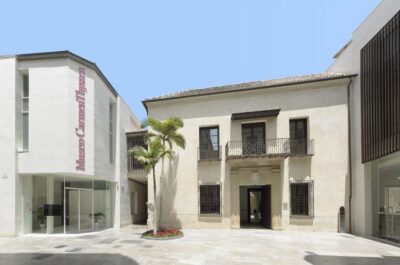
Next comes the Picasso Museum area. You’ll pass by it rather than go inside, with time kept intentionally short. I like this approach for a walking overview tour. You get the visual landmark, plus enough context to connect it to the city’s identity. You can then choose later whether you want to schedule a dedicated Picasso visit on your own time.
If you’re traveling with limited time and want to understand why Malaga is talking about art, industry, and identity all at once, these quick stops help you avoid the feeling of just “walking past stuff.”
El Pimpi: a guided taste of Malaga, not just a photo

One of my favorite segments is the guided stop at El Pimpi. This is where the tour shifts from sightseeing to something more human. Instead of treating the city like a checklist, you get a small tasting of a local product.
That tasting is one of those small details that quietly improves the whole experience. It gives you a reason to slow down, talk to the guide, and remember what Malaga tastes like—not just what it looks like.
Even if you’re not a big foodie, think of this as a cultural bookmark. It also helps the walking tour feel like it’s about local life, not just monuments.
Church of Santiago and Plaza de la Merced: where the neighborhoods start to feel real
The Church of Santiago is next, with a visit and guided time inside. This stop works well because it adds texture. You’re not only seeing city highlights—you’re stepping into a religious and architectural presence that shaped everyday life over long periods.
Then you head to Plaza de la Merced, another key square that helps you transition from “big names” to the more lived-in atmosphere of Malaga. It’s the kind of place where you can look around and understand why locals choose these spots, even if you’re just passing through as part of the route.
The best part here is how the guide connects places. You start to recognize Malaga not as isolated sights, but as a city that evolved—Phoenicians, later layers, then the 19th-century families who turned Malaga into an industrial powerhouse. When that explanation clicks, the buildings start making sense.
You can also read our reviews of more walking tours in Malaga



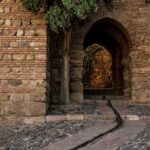
Teatro Romano de Málaga: a short visit with big scale
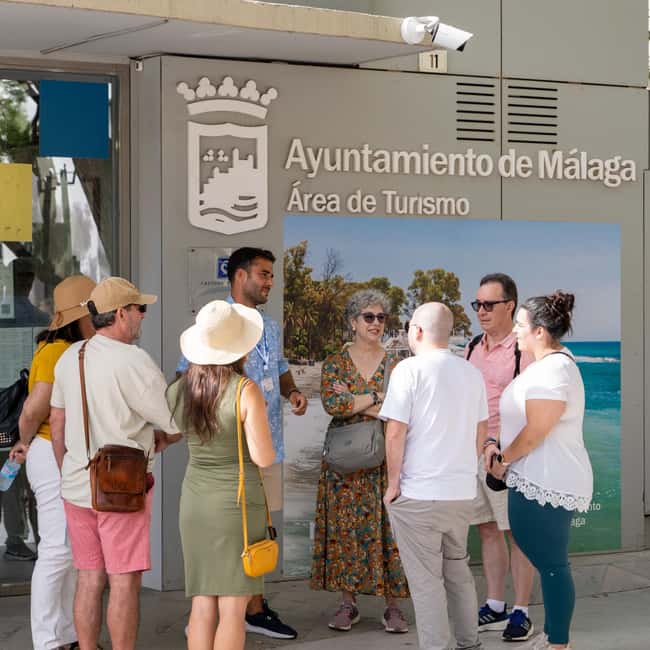
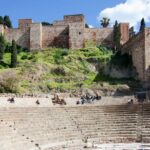
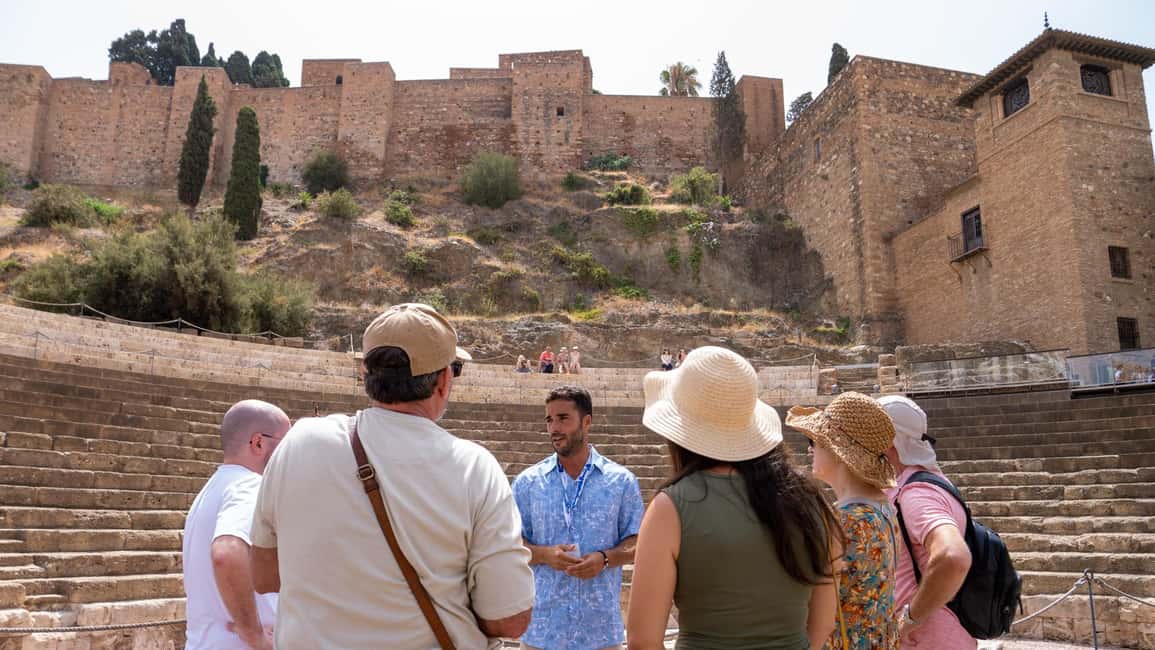
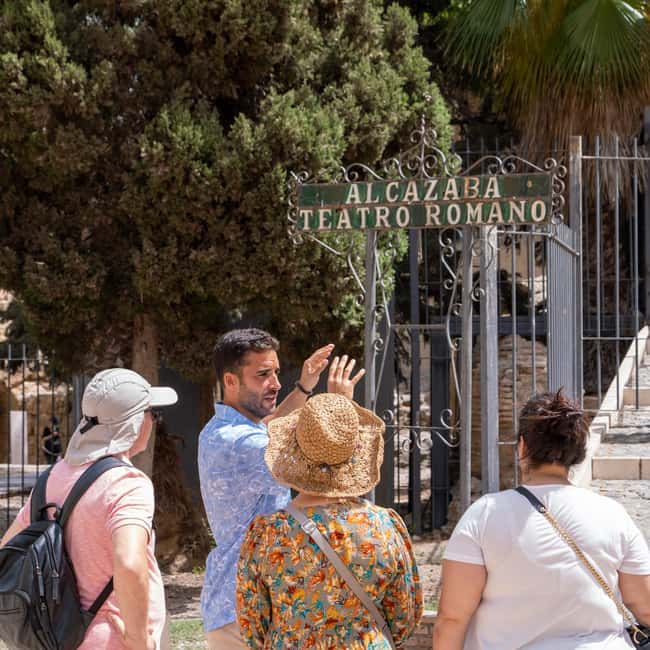
The Roman Theater stop is a guided visit with a set time window. Even with limited minutes, you get the sense of how the site functioned—and why it matters. It’s one of those moments where you look around and realize you’re standing in a place designed for public gathering and performance.
Important consideration: one of the key entrances is included, but if the Roman Theater is closed on your specific day, your time at paid areas may be reduced. I’d treat this as a small risk you accept when booking any ticketed site tour, especially when you’re traveling without full control over daily site operations.
Still, the guided component is what lifts this above a quick “see it and move on” stop. You’ll know what you’re looking at, which is the difference between a photo you like and a place you remember.
Alcazaba of Málaga: the fortress stop you’ll feel in your feet
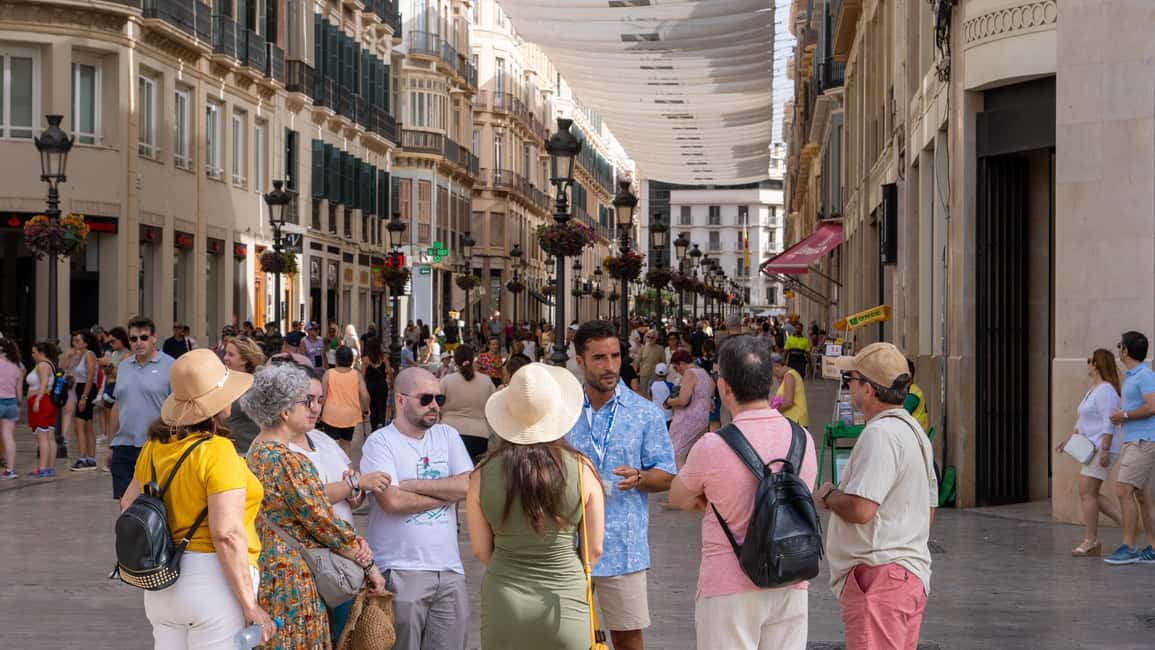
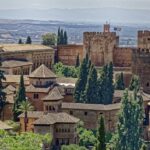
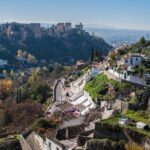
If there’s one “must” monument in this route, it’s the Alcazaba of Malaga. This is where the tour’s themes—power, defense, and layered influence—become physical. The included entrance fee helps here. You’re not paying separately for one of the big-ticket experiences, and you’re not spending precious time lining up.
This stop is guided, so you’re not just wandering through walls and courtyards. You’ll get explanations that help you understand why the Alcazaba sits where it does and what it was built to control.
From a practical angle, it’s also a great use of the 2.5-hour time frame: you get one major monument that anchors the entire tour. By the time you finish here, Malaga stops feeling like a list and starts feeling like a story you can follow.
The small details that make the guide experience work
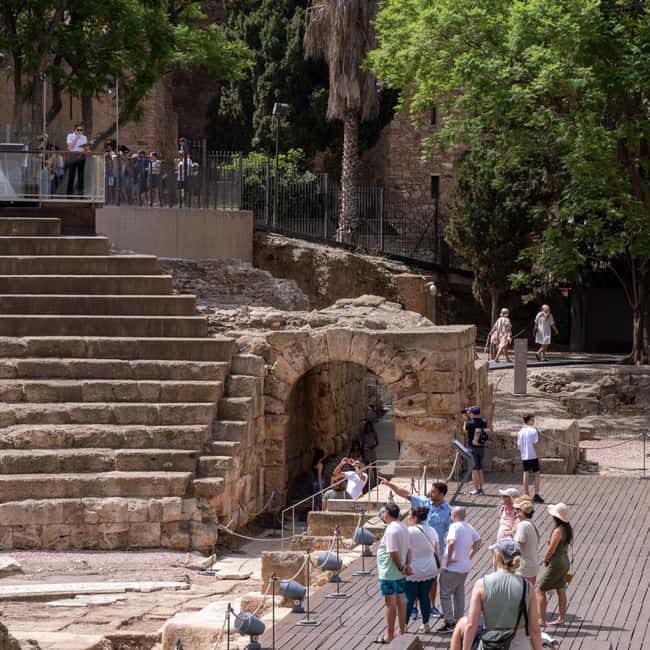
Even though it’s a walking tour, it’s not sloppy or random. The guide approach is clearly designed for clarity: stop-by-stop context, photo-friendly moments, and guided time where it counts.
I also like the way the tour speaks to the whole city, not just one era. You’ll hear about the city’s earliest foundation by the Phoenicians, then jump forward to more recent influence, including the 19th-century families who helped push Malaga into an industrial power role. That timeline framing is what makes the route feel complete.
If you’re lucky, you might meet a guide like Nahuel, who’s been praised for being friendly, professional, and knowledgeable without talking over people.
Price and value: why $67 can make sense for this route
At about $67 per person for roughly 2.5 hours, the value hinges on two things: you’re paying for expert guiding plus included entries for the two biggest-ticket sites on the route.
This isn’t the kind of tour where you just walk past paid attractions and hope you can buy tickets later. You’re getting direct access without queuing for the included entrances, which saves time and reduces stress. That matters when your vacation schedule is tight.
Is it a bargain? It depends on how you like to travel. If you prefer to do your own route and you’re comfortable buying tickets on the spot, you might spend less on admissions. But if you want a guided overview that handles the “logistics friction” for you, this price starts to feel reasonable fast.
Who should book this Malaga walking tour
You’ll probably love this if:
- You’re in Malaga for a short stay and want a clear overview in one morning-style block
- You enjoy history that’s explained in plain language, not academic lectures
- You want a small group (max 10) so the guide can actually work with your questions
- You’d like a mix of landmarks plus one major “ticket monument” experience (Alcazaba)
You might skip it if:
- You need wheelchair access or have mobility limitations that make walking unsafe
- You get motion sickness easily (even though it’s mostly walking, the tour format isn’t aimed at that)
- You want long inside time at major museums or cathedrals—this tour keeps some stops to outside views and photo time
Should you book this tour?
I’d book it if your goal is to understand Malaga quickly, see the skyline-defining landmarks, and still get real entrance time at Alcazaba and the Roman Theater without wasting your trip in lines. The small group size, included tickets, and local product tasting create a solid mix of practical and memorable.
Skip it if accessibility is a concern or if you’d be disappointed by limited inside time at stops like the cathedral and Picasso Museum area (you’ll see them, but you’re not entering everything).
If you want one well-structured introduction to Malaga’s layered identity, this is a strong way to start.
FAQ
How long is the Malaga walking tour?
The tour lasts about 2.5 hours.
How big is the group?
It’s a small group limited to 10 participants.
What’s included in the ticket price?
The price includes an official tour guide, guided tour time, small group service, and entrance fees for the Alcazaba and the Roman Theater.
Do I need to buy separate tickets for the Alcazaba and Roman Theater?
No. The entrance fees for those two sites are included, and you get direct access without queuing for the included monuments.
What languages are offered?
The live tour guide is available in English and Spanish.
Is the tour suitable for wheelchair users or limited mobility?
No. It’s not suitable for people with mobility impairments or wheelchair users.
What should I bring, and is anything not allowed?
Wear comfortable shoes. Pets are not allowed.