REVIEW · MALAGA
Ronda Old Town Walking Tour with Audioguide on Your Smartphone
Book on Viator →Operated by TouringBee · Bookable on Viator
Ronda’s cliff views are one tap away. This Ronda Old Town Walking Tour turns key sights—Puente Nuevo, Moorish relics, and sweeping viewpoints—into a paced walking route you can do at your own speed using a smartphone audioguide.
I especially like the way the tour helps you “read” Ronda as you walk, with 21 audio recordings by a professional historian. You also get an offline map, so you’re not constantly fiddling with weak signal or getting lost in the tight streets.
One thing to plan for: it’s fully self-guided, and the walk may not feel like it finishes exactly where your parking spot is. So if you drive, I’d give yourself a little buffer for the final walk back to your car.
In This Review
- Quick Takeaways Before You Walk
- How the Smartphone Audioguide Works in Ronda
- Start at Plaza del Socorro: Getting Your Bearings Fast
- Balcón del Coño: The Viewpoint Stop That Turns Heads
- Plaza de España and the Bullring Area: Architecture as a Shortcut
- Puente Nuevo: The Gorge Moment You Actually Remember
- Mirador de Aldehuela: A View With an Engineering Backstory
- Puente Viejo: The Old Bridge for a Slower Look
- Moorish-to-Christian Ronda: Minaret of San Sebastián and Arab Baths
- Casa del Rey Moro and the Water Mine: Gardens and Underground Steps
- Santa María la Mayor and Palacio de Mondragón: Mudéjar Meets Big Church Views
- Lara Museum and Don Bosco House: When You Want Something Different
- Puerta de Almocábar: Ending the Loop at a Medieval Gateway
- What You’ll Learn (and How to Get the Best Audio Moments)
- Price and Value: Why $6.73 Can Make Sense
- Who This Ronda Old Town Walk Is Best For
- Should You Book This Tour?
- FAQ
- How long is the Ronda Old Town Walking Tour?
- What does the tour include?
- Do I need a smartphone and headphones?
- Is there a human guide?
- Where do I start the tour?
- What language is the audio guide in?
- Are entrance tickets included for museums and churches?
- How many people are on the tour?
- Can I cancel for a full refund?
Quick Takeaways Before You Walk
- 21 audio stops paced for an easy 90 minutes without feeling rushed
- Offline map + GPS route helps you stay oriented on foot
- Big Ronda hits in one loop: Puente Nuevo and two bridges, plus viewpoints
- Moorish-to-Christian layers are explained on-site at key monuments
- Museums and quirky interiors are included as stops via audio prompts (entry fees not included)
How the Smartphone Audioguide Works in Ronda
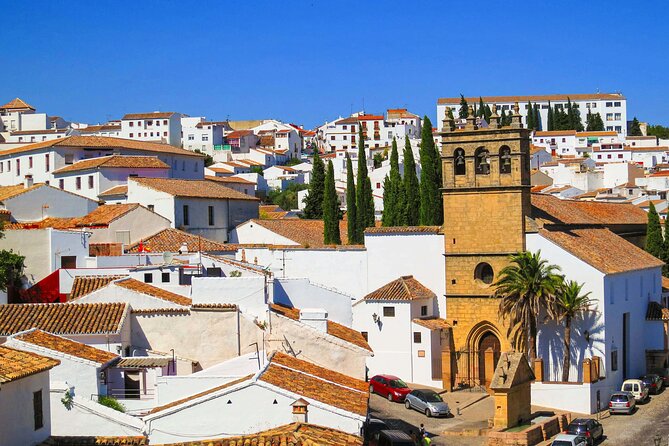
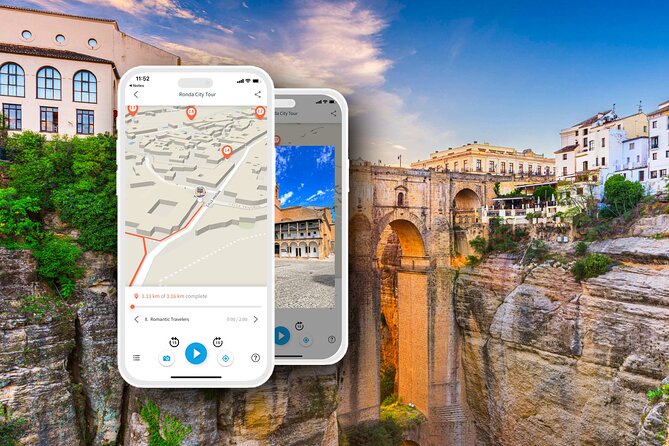
This tour is built for independence. You download the Audio Guide app for iOS and Android, activate your purchase, and then follow the route using the mobile app map. There’s no human guide waiting at Plaza del Socorro—so your phone is the guide.
The good part: you get offline map navigation plus illustrations to help you spot the landmarks quickly. In a place like Ronda, where streets can feel like a maze when you’re carrying bags or juggling photos, that matters. You’re spending your energy looking outward, not searching inward for where to turn next.
Another plus for value: you receive 1 year access to the tour in your preferred language. So if you return to Ronda later (or you’re traveling with someone who wants another listen), you can use the same audio again.
You can also read our reviews of more walking tours in Malaga
Start at Plaza del Socorro: Getting Your Bearings Fast
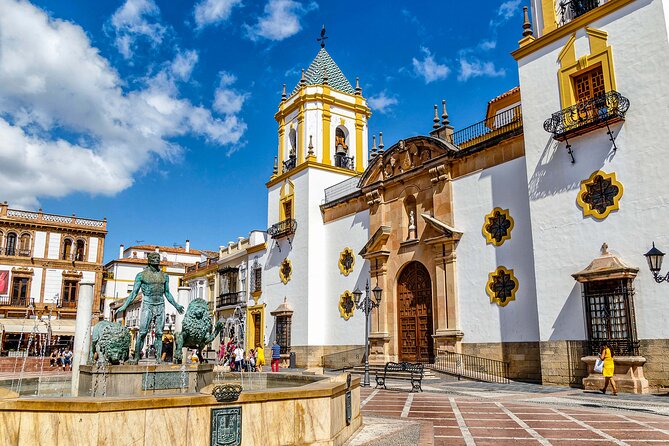
Your route kicks off at Plaza del Socorro (Pl. del Socorro, 29400 Ronda). This is a great starting point because it’s not just a random landmark—it’s a working plaza where you can grab a coffee later and mentally reset before the gorge views begin.
From here, the audio points you to:
- The Church of Socorro, including what to notice on the facade
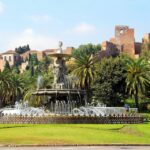
- A fountain featuring Hercules and the Two Lions, tied to Andalusian symbolism
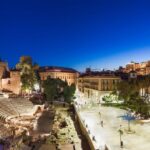
- The overall plaza vibe—historic buildings and local café life around you
What I like about this first stop is the pacing. You’re not thrown immediately into huge viewpoints and stairs. You begin with “Ronda in miniature,” then the route builds to the drama.
Balcón del Coño: The Viewpoint Stop That Turns Heads
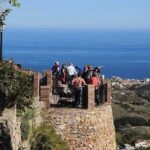
Next comes Balcón del Coño, a dramatic viewpoint on the edge of Ronda’s gorge. Yes, the name is unforgettable, but the real point is what you’re there to see. The audio sets you up to look outward: the Serranía de Ronda mountains, the valley below, and the iconic angle of Puente Nuevo.
This is a short stop, about 10 minutes on the itinerary, so it’s perfect for:
- Quick photos (and getting the angle right)
- A moment of silence where you can just feel the height and scale
Practical note: viewpoints like this can be windy and crowded at peak times. If you want calmer photos, plan for early morning or later in the day.
Plaza de España and the Bullring Area: Architecture as a Shortcut
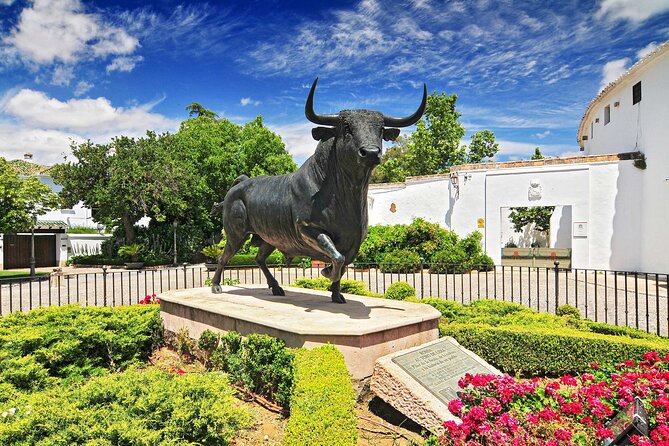
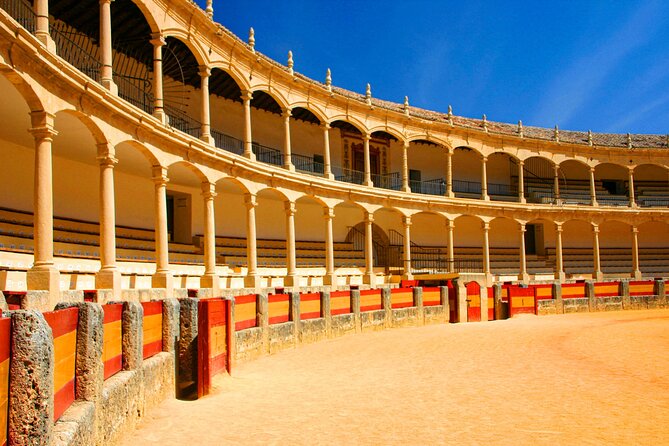
From the viewpoints, the walk shifts into the city’s center. The audio introduces the area near Plaza de España, where you’ll also hear about the Royal Cavalry bullring setting the scene.
Even if you’re not focused on corrida culture, the stop is useful because it anchors you to major landmarks and gives you a strong “map in your head.” You’ll also be guided to notice the neoclassical Parador de Ronda hotel facade (a former town hall) and how Puente Nuevo lines up in the broader city view.
This is one of those stops that works even if you’re not a “museum person.” It’s sightseeing with context.
Puente Nuevo: The Gorge Moment You Actually Remember
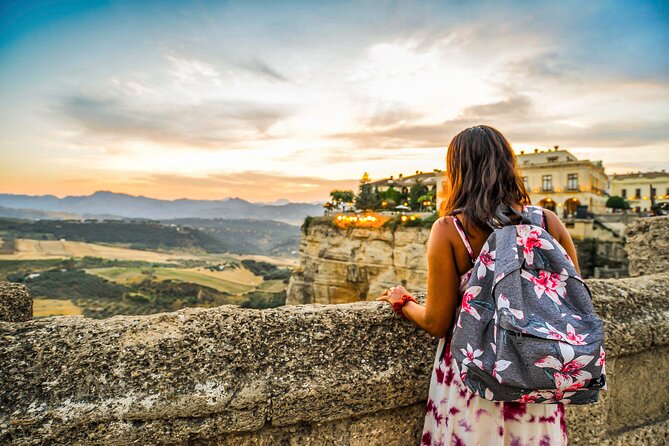
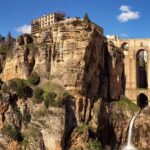
Then the route reaches the star: New Bridge (Puente Nuevo). This bridge is described as completed in 1793 after 40 years of construction, spanning the 120-meter-deep El Tajo gorge and connecting the old and new parts of Ronda.
What the audio does well here is direct your attention. It doesn’t just say it’s impressive—it tells you what to look for:
- The dramatic stone design and structure
- How the bridge frames the gorge
- The way the Guadalevín River drops below (best seen as you shift your position for a better angle)
Plan for a few minutes beyond the “10-minute” mark if you can. Puente Nuevo is one of those sights where the first photo is never the last. If your phone battery is low, start here—don’t wait until later.
You can also read our reviews of more tours and experiences in Malaga

Mirador de Aldehuela: A View With an Engineering Backstory
Right after Puente Nuevo, you get the Mirador de Aldehuela, which is named after engineer José Martín de Aldehuela, tied to Puente Nuevo’s design. The audio helps you connect the dots: the viewpoint isn’t just scenic; it’s part of the story of how the bridge was imagined to fit the terrain.
From this stop, you’re guided to focus on:
- The El Tajo gorge from a different angle
- The Guadalevín River’s path
- The surrounding mountain ridges
I love when a tour gives you a “why” with a “wow.” This is one of those moments.
Puente Viejo: The Old Bridge for a Slower Look
As the route continues, you’ll reach Puente Viejo (Old Bridge), dating back to the 17th century. This is another gorge-spanning stone bridge, but it feels different from Puente Nuevo—more historic and grounded, like a quieter cousin.
The audio prompts you to walk across the arches and enjoy the view over the gorge and river below. This stop is also a smart rest for your brain. You’ve seen the big showpiece bridge; now you get a second frame for comparisons.
If you’re the kind of traveler who likes understanding how a city grows, this is a key one. Two bridges, two eras, one dramatic river cut.
Moorish-to-Christian Ronda: Minaret of San Sebastián and Arab Baths
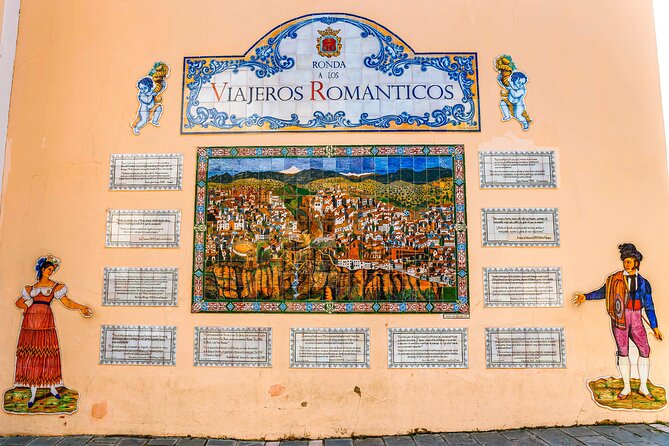
Ronda’s layers really come through when you slow down at the Minaret of San Sebastián. This is described as an older mosque tower dating to the Moorish period, later integrated into a Christian church after the Reconquista. The audio points out what you can still “read” in the structure—especially the brickwork and the way the tower survives as a visible memory of earlier rule.
Then comes one of the most interesting stops on the route: the Arab Baths (Baños Árabes). You’re pointed to why this site matters: it’s described as one of Spain’s best-preserved Moorish bathhouses, dating to the 13th and 14th centuries.
What to look for as you follow the audio:
- Horseshoe arches and intricate brickwork
- Star-shaped skylights that shape how light falls in the rooms
- How water heating and steam generation were handled
Even if you only get a quick look, this is a great “switch.” It shifts you from cliffs and bridges to daily-life engineering and cultural routines.
Casa del Rey Moro and the Water Mine: Gardens and Underground Steps
Next you’ll visit the House of the Moorish King (Casa del Rey Moro), built on the ruins of a Moorish palace. The route also brings in a specific attraction: terraced gardens designed by French architect Jean-Claude Nicolas Forestier, plus the Water Mine, described as a labyrinth of steps carved into the rock leading toward the Guadalevín River below.
This is one of the stops that rewards curiosity. The audio doesn’t treat it like a random ruin. It ties together:
- The setting of the gardens
- The function and location of underground water access
- The gorge views you can catch as you move around
If you like places that feel half legend and half engineering, this one will click.
Santa María la Mayor and Palacio de Mondragón: Mudéjar Meets Big Church Views
Two major stops in the historic center help you understand Ronda’s religious and architectural shifts.
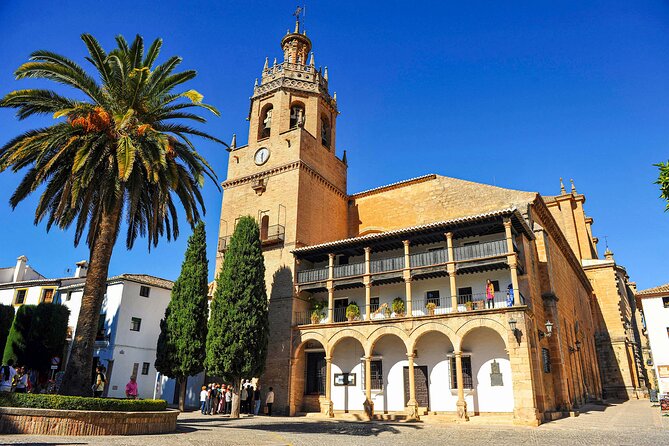
First is Church of Santa María la Mayor. The audio frames it as a blend of Gothic, Renaissance, and Baroque styles. It’s also described as originally a mosque, transformed into a Christian church after the Reconquista. As you listen, you’re guided to notice the intricately carved altarpiece, impressive columns, and a Mudejar coffered ceiling. There’s also a bell tower listed for panoramic views.
Then comes Mondragon Palace (Palacio de Mondragón). This one is described as originating in Moorish times, then blending Renaissance and Mudéjar styles. The audio ties it to real historical transitions: once a residence for Moorish kings and later connected to the Catholic Monarchs, and today housing the Municipal Museum. You’re guided to focus on courtyards, tiled rooms, and gardens with Serranía de Ronda views.
These two stops work best together. One is religious architecture; the other is palace architecture. Together they help you see how design choices shift with power and purpose.
Lara Museum and Don Bosco House: When You Want Something Different
If you’re tired of only bridges and viewpoints, the tour includes stops that add personality.
The Lara Museum (Museo Lara) is described as an 18th-century palace filled with an eclectic mix, including antique scientific instruments, vintage firearms, clocks, ethnographic artifacts, and even an exhibit connected to Witchcraft and the Inquisition. The audio suggests themed rooms, so you’re not just passing through halls—you’re following a narrative.
Then there’s Casa Museo Don Bosco, an early 20th-century mansion tied to the lifestyle of a wealthy Ronda family. The audio guides you toward period details, antiques, and azulejo tiles, plus gardens with views toward El Tajo and Puente Nuevo.
A practical note: entrance fees are listed as not included, so if you want to go inside for the full experience at any museum stop, check what’s required on the day.
Puerta de Almocábar: Ending the Loop at a Medieval Gateway
Near the end, the route highlights Puerta de Almocábar, a grand old city gate dating back to the 13th century. The audio describes it as originally Moorish, fortified, and designed as protection and access to the medieval town.
What I like about this finale is that it gives you a satisfying sense of closure. After walking the gorge bridges and cultural sites, you return to a defensive structure that explains how the city kept itself safe—and why the old town still feels enclosed.
What You’ll Learn (and How to Get the Best Audio Moments)
Because the audio comes in 21 separate recordings, the tour works like a guided sequence even though it’s self-guided. That helps you learn without slowing down for a lecture.
Here’s how to get more value out of it:
- Start the tour with headphones plugged in and the app activated before you reach the first turn
- If you stop for photos, pause the audio when you’re shooting, then resume when you’re walking again
- Use the illustrations to confirm you’re at the right landmark before you look around
- If you’re traveling with someone, consider one set of headphones per person—audio sharing is awkward in a place where the sidewalks are narrow
One real-world downside shows up in reviews: the app can be finicky at activation, and one person reported needing support after multiple attempts. That’s why I’d rather you do the setup early rather than right at departure.
Price and Value: Why $6.73 Can Make Sense
At $6.73 per person, this is priced like a low-cost way to get a high-coverage walking day. You’re not paying for a human guide, and you’re not paying for transport. What you’re buying is:
- structured route coverage of major Ronda sights
- professional historian audio with 21 recordings
- offline navigation tools that make the city easier to handle
For a destination where you can easily spend your day “wandering,” having a guided route you control is a big deal. Even if you only listen to parts, the walk still gives you a plan and a reason for every stop.
The tradeoff is obvious: you won’t get a live Q&A. If you want that, you’d need a guided tour instead.
Who This Ronda Old Town Walk Is Best For
This is a good match if you:
- like independent travel and set your own pace
- want a structured first look at Ronda’s top highlights
- enjoy architecture and the Moorish-to-Christian story thread
- want cliff views without booking multiple separate tours
It also suits day-trippers. The total time is about 1 hour 30 minutes, and many segments are designed around short stops of roughly 10 minutes.
Should You Book This Tour?
I’d book it if you want an affordable way to cover Ronda’s big sights in one organized loop, with audio that actually explains what you’re looking at. The combination of Puente Nuevo, gorge viewpoints, and on-site storytelling about Moorish relics is exactly the kind of self-guided structure that makes a walk feel worth it.
Skip it (or think twice) if you prefer a live guide, because this is built for your phone. And if you’re driving and parking matters to you, plan extra walking time at the end. The route is listed as returning to Plaza del Socorro, but some visitors found the finish less convenient for their parking spot than expected.
FAQ
How long is the Ronda Old Town Walking Tour?
It’s approximately 1 hour 30 minutes. Some stops are about 10 minutes each, depending on your pace.
What does the tour include?
You get a mobile ticket, 1 year access to the audio tour in your preferred language, 21 audio recordings narrated by a professional historian, an audio guide app for iPhone and Android, illustrations to identify landmarks, and an offline map with the route for GPS navigation.
Do I need a smartphone and headphones?
Yes. You need your own smartphone to run the app, and you need your own headphones since headphones are not included.
Is there a human guide?
No. This is self-guided. There’s no human guide at the meeting point.
Where do I start the tour?
The meeting point is Plaza del Socorro (Pl. del Socorro, 29400 Ronda, Málaga, Spain).
What language is the audio guide in?
The tour is offered in English.
Are entrance tickets included for museums and churches?
Entrance fee/tickets are not included. The tour is designed so you follow a route without requiring ticketed entry as part of the activity.
How many people are on the tour?
The tour has a maximum of 20 travelers.
Can I cancel for a full refund?
Yes. You can cancel for a full refund if you cancel up to 24 hours in advance. If you cancel less than 24 hours before the start time, the amount paid will not be refunded.