REVIEW · MALAGA
Visit Oil Mill Museum and Olive Oil Tasting in Ronda
Book on Viator →Operated by LA Organic Experience · Bookable on Viator
Olive oil meets modern art. At LA Almazara La Organic (LA Organic Experience) on the road to Ronda, you get a short guided visit that turns a simple product into a full-on experience: photos, design details, terraces with big views, and then a structured organic olive oil tasting.
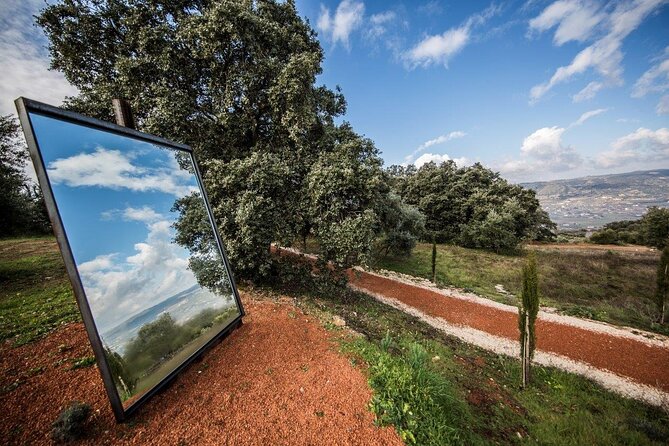
What I love most is the combo of nature + art on the same site. You start with an outdoor photo exhibition (the car park is designed by Stefano Robotti), then move through a modern greenhouse setup and spot surprises in the groves linked to Philippe Starck.
One possible drawback to keep in mind: if you’re hoping to watch the olive oil pressing process with equipment running the whole time, it’s not something you can count on. The experience is built around the property, the walk, the museum spaces, and the tasting, so plan to enjoy the learning and samples even if production isn’t happening at that moment.
In This Review
- Key highlights at LA Organic in Ronda
- Getting oriented: the start at LA Almazara La Organic
- Inside the Greenhouse: video, mill, terraces, and tasting rooms
- The walk through olive groves and organic vineyards
- The oil tasting: how the samples are taught
- Museum time, views, and staying for food
- Price and value: is $30.23 fair for this stop?
- Who this tour suits best (and who should think twice)
- The bottom line: should you book LA Organic in Ronda?
- FAQ
- How long is the Oil Mill Museum and Olive Oil Tasting tour in Ronda?
- What’s included in the $30.23 price?
- Is the tour offered in English?
- Is lunch included?
- Where do I meet for the tour?
- What happens if weather is bad or I need to cancel?
Key highlights at LA Organic in Ronda
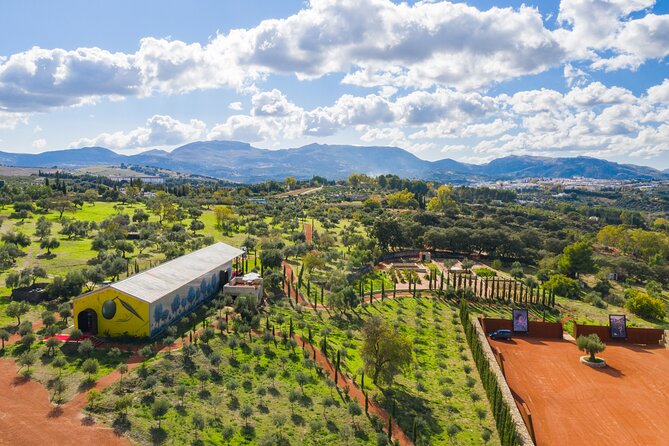
- Art-designed spaces for olive oil tourism right from the car park, with Stefano Robotti details
- Greenhouse visit with an artisanal oil mill, projection room, tasting room, and two terraces
- A short video that lays out olive oil origins and the production process before you walk
- Olive groves + organic vineyards route, with playful surprises attributed to Philippe Starck
- Organic olive oil tasting that starts with blind sampling and moves into real comparisons
- Optional food time after the tour, including an on-site country menu after you taste
Getting oriented: the start at LA Almazara La Organic
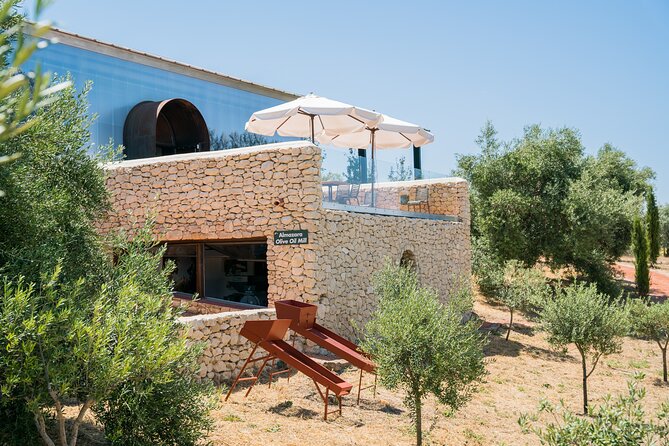
The meeting point is LA Almazara – LA Organic, on Carretera Ardales Ronda A-367, KM 39.5, outside Ronda. The property feels purposeful from the first step: the car park isn’t just a parking lot. It’s part of the design story, with an impressive exhibition of photographs created in that space by Stefano Robotti.
This matters more than you might think. Arriving somewhere like this can either feel cold and rushed, or it can help you slow down. Here, the beginning nudges you to look around instead of just following instructions. It’s a good “set the stage” move for what comes next: a tour where olive oil is treated like a craft, not a commodity.
The timing is also friendly. The tour runs about 1 hour 15 minutes to 1 hour 30 minutes, so it fits well if you already plan to spend a day in Ronda and want an extra stop that doesn’t swallow your schedule.
You can also read our reviews of more food & drink experiences in Malaga

Inside the Greenhouse: video, mill, terraces, and tasting rooms
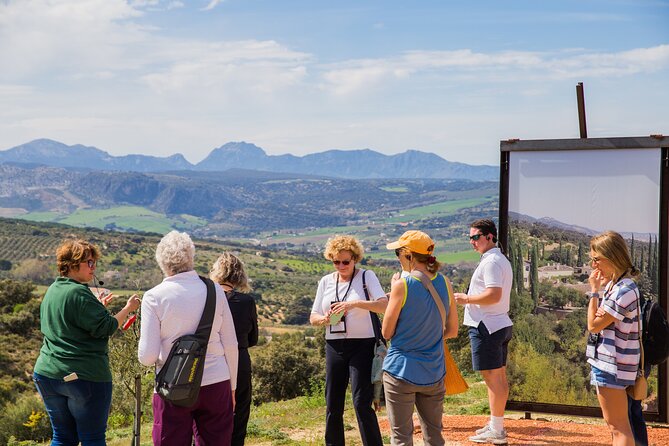
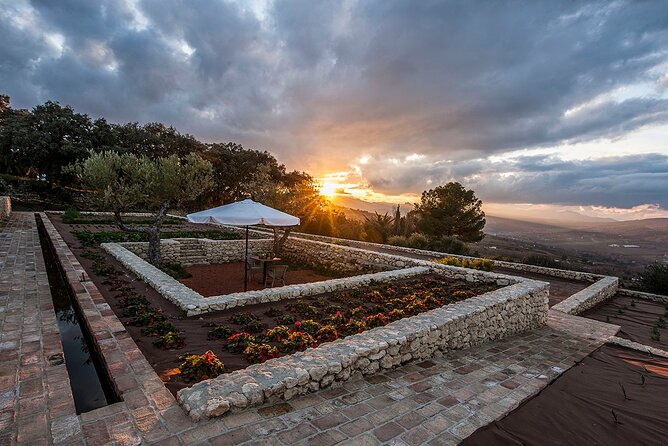
Next comes the greenhouse area, which links several functions into one compact, modern complex. You’ll find spaces for an artisanal oil mill, a projection room, a gastronomic bar, a tasting room, and two terraces.
Before you head out on the walk, you watch a short five-minute video. It explains where olive oil comes from and the production process. Even if you’ve read about olive oil before, this kind of quick overview helps your brain “click” while you’re walking. You start noticing what you’re tasting later, because you’ve already been shown how the product is made.
After the video, you’re guided through the greenhouse and the surrounding areas. You’re not just herded from one room to another. The spaces are meant to give you different angles on the same idea: olive oil as agriculture, design, and a food ingredient that people actually use.
The terraces are worth paying attention to. They’re not just nice extras—they give you a real sense of why people farm here. When you can look out and connect the physical setting to the product, the tasting hits harder.
The walk through olive groves and organic vineyards
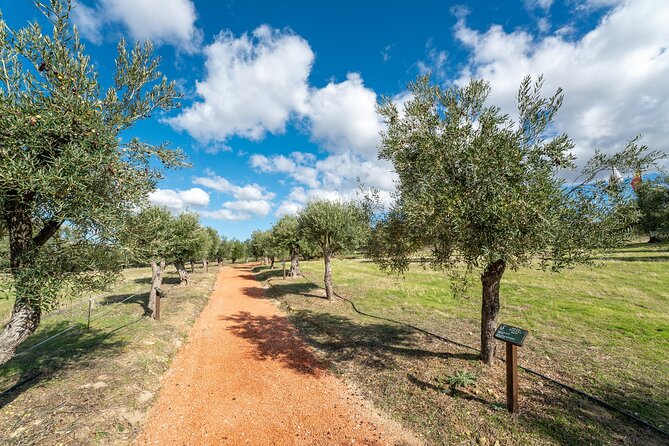
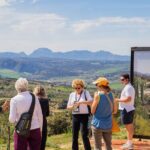
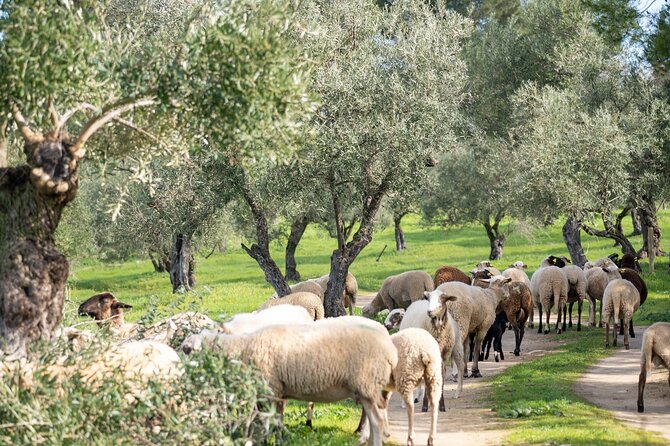
Here’s the heart of the experience: the route between olive groves and organic vineyards. Expect a guided stroll that mixes education with surprises.
You’ll hear about the olive-growing cycle and what makes organic production different in practice (and why it affects the final oil). You’re also told there are surprises from Philippe Starck integrated into the visit. Even without a “theme park” feeling, those nods to famous modern design create a fun contrast: a future-minded building and art choices planted inside an old-world agricultural setting.
A small reality check: this is a walking experience. One review note even flags that it involves quite a bit of walking. If your legs are sensitive, wear comfortable shoes and take your time. The route is part of the payoff—this isn’t a sit-in-a-chair tour.
Another thing to expect: you’re moving through a mix of curated spaces and outdoor views, so the pace can feel different from a typical museum. If you like slowing down to take in details, you’ll enjoy the flow. If you prefer fast and factual, you might want to pay extra attention during the guide’s explanations so you don’t miss the “why” behind each stop.
The oil tasting: how the samples are taught
This is where you get to turn the tour into something you can use at home. The tasting is included and focuses on organic olive oil from different olive varieties.
The tasting is structured. One of the best-loved parts is the way it trains your senses. Many tastings start with a blind comparison of two oils. Then you taste additional oils with bread and vinegar to help you notice how flavors change when you pair them.
That format does two helpful things for you:
- It removes the “label effect.” You taste first, then learn which is which.
- It gives your palate context. Bread and vinegar aren’t random add-ons—they’re a simple way to explore how intensity, bitterness, and fruitiness behave.
If you’ve ever stood in a supermarket trying to choose extra virgin olive oil, you’ll likely appreciate what this tasting teaches: you’re not just buying a label. You’re buying a flavor profile shaped by olive varieties and production choices.
Also, don’t rush the tasting room. The experience includes time to slow down and understand what you’re tasting. If you’re the kind of person who asks questions, this is also the moment to do it. The setting supports it.
Museum time, views, and staying for food
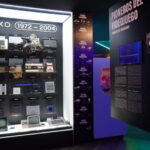
After the official tasting segment, you can continue at your own pace. The museum spaces include at least one area noted as being on the second floor, and you can revisit them as you like.
Some people love this because it turns the tour into a mini half-day. You can spend more time in the museum, shop for olive oil on site, or relax on the patio with wine and snacks if that’s offered during your visit window.
There’s also an on-site food option that can pair well with the tasting: lunch for €20 per person (country menu). It’s not included in the tour price, but it’s a practical add-on if you don’t want to think about where to eat right after.
The menu list provided includes things like Iberian assortment, Iberian ham, Payoyo cheese, garden salad, and seasonal fruit. It’s a straightforward way to keep the day focused on local food without turning it into a logistics project.
One more consideration from real experience accounts: the museum lighting in at least one area can be dim. If you’re the type who dislikes walking through dark or low-light spaces, this is worth factoring into your expectations. It may not ruin the visit, but it could affect comfort while moving around.
You can also read our reviews of more museum experiences in Malaga

Price and value: is $30.23 fair for this stop?
The price is $30.23 per person, and it includes key components:
- admission
- the route between olive groves and vineyard
- an organic olive oil tasting
- all fees and taxes
That’s what makes the value feel real. You’re not just paying for entry into a showroom. You’re paying for guided interpretation of the production process, plus a tasting that gives you something usable for buying decisions later.
The duration also helps. With about 75–90 minutes, you get enough time to cover the main flow without losing half a day. If you’re doing Ronda plus one extra activity, this is a strong “pairing” option because it’s long enough to feel meaningful and short enough to keep your day flexible.
Group size is capped at 30 travelers, which usually helps with the guide experience. If you’re visiting during high season, booking earlier is smart; the experience is commonly booked around 12 days in advance on average.
Who this tour suits best (and who should think twice)
This fits best if you want more than a standard food stop.
You’ll probably enjoy it if:
- You like farm visits that feel designed and intentional, not rustic and chaotic
- You want a tasting you can learn from, not just sip and move on
- You’re traveling as a couple, with kids, or with a mixed group that wants something sensory and educational
- You care about organic production and want the basics explained clearly before tasting
You might think twice if:
- Your top priority is seeing machinery in action. One experience note says production wasn’t running during their visit, so don’t assume you’ll watch pressing equipment working.
- You dislike environments with dim lighting in museum areas.
- You need maximum focus in one language. The tour is offered in English, but at least one experience mention notes it can be bilingual, which can slow down or fragment the flow of information.
If you do book, a good strategy is to arrive ready to walk, look, and taste. This is a “learn with your senses” kind of outing.
The bottom line: should you book LA Organic in Ronda?
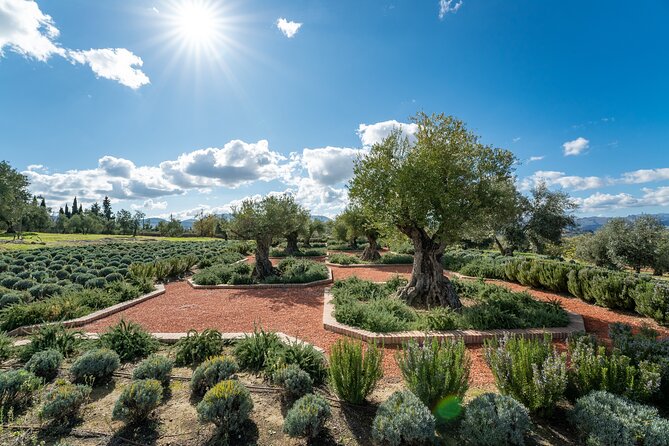
If you’re even mildly interested in olive oil, I’d say this is worth booking. The organic tasting is the main reason, and it’s supported by a tour structure that gives you context before you sample. The art-and-design touches—photo exhibition, modern greenhouse spaces, and the Philippe Starck surprises—make the whole stop feel more memorable than a basic factory-style visit.
Just go in with the right expectations: you’re visiting a crafted experience on an organic property, not guaranteeing a live production show every time. Pack comfortable shoes, keep your schedule flexible for a late museum browse or lunch if you want it, and you’ll leave with a much sharper sense of what to look for when you buy olive oil.
FAQ
How long is the Oil Mill Museum and Olive Oil Tasting tour in Ronda?
It lasts about 1 hour 15 minutes to 1 hour 30 minutes.
What’s included in the $30.23 price?
The ticket includes all fees and taxes, the route between olive groves and vineyard, and an organic olive oil tasting.
Is the tour offered in English?
Yes. The experience is offered in English.
Is lunch included?
No. Lunch is not included. There is an option for €20 per person for a country menu after the oil tasting.
Where do I meet for the tour?
Meet at LA Almazara – LA Organic, Carretera Ardales Ronda A 367, KM 39.5, 29400 Ronda, Málaga, Spain.
What happens if weather is bad or I need to cancel?
The experience requires good weather. If it’s canceled due to poor weather, you’ll be offered a different date or a full refund. You also get free cancellation up to 24 hours in advance for a full refund.