REVIEW · MALAGA
Málaga: Private Personalized Walking Tour
Book on GetYourGuide →Operated by ALLinMALAGA Experiences · Bookable on GetYourGuide
Three hours can feel like five in Málaga. This is a private walking tour where you steer the stops, and I like the language choice so the city actually makes sense.
One thing to plan for: museum and monument entrances are not included. If you want sites like the Picasso Museum, you’ll arrange payment with your guide, and you’ll want comfortable shoes since it’s still a walking tour.
In This Review
- Key points you’ll care about
- Private walking tour value in Málaga’s compact old center
- How the meeting works: hotel pickup, exact start points, and your timing window
- Choosing your own route: steering between monuments, museums, and street-level Málaga
- Cathedral area and Plaza de la Constitución: where Málaga shows its civic face
- Picasso Birthplace Museum stop: art context without the stress
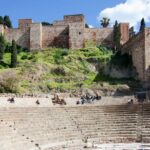
- Roman Theatre remains: seeing the ancient layer without needing archaeology homework
- Alcazaba and Moorish Málaga: fortifications, views, and the logic of defense
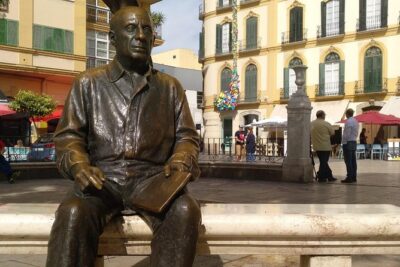
- Hans Christian Andersen’s statue: the quick detour that makes Málaga feel human
- Calle Larios and Plaza de la Marina: shopping energy and the port-side shift
- Tapas picks and finding a good show with your guide
- Price and what you actually get for $380 (group up to 2)
- Who should book this private Málaga walk
- Should you book this Málaga: Private Personalized Walking Tour?
- FAQ
- What’s included in the $380 price?
- Which languages are available for the guide?
- Does the tour include museum and monument tickets?
- Where can the tour start?
- How long is the walking tour?
- Is hotel pickup available, and what about luggage?
Key points you’ll care about

- No other group on your route: it’s truly private, so the pace and questions stay with you.
- You choose what to see: cathedral, Plaza de la Constitución, Picasso Birthplace Museum, Roman Theatre remains, Moorish Alcazaba, and more.
- Start from your hotel (central areas): pickup and drop-off are part of the plan.
- Language matched to you: Spanish, English, French, with other languages confirmed within 24 hours.
- Local guidance that goes beyond monuments: tapas picks and ideas for a good show are part of the value.
- Extra tickets only if you want them: entrances aren’t included, even though your guide helps with ticket-line time.
Private walking tour value in Málaga’s compact old center
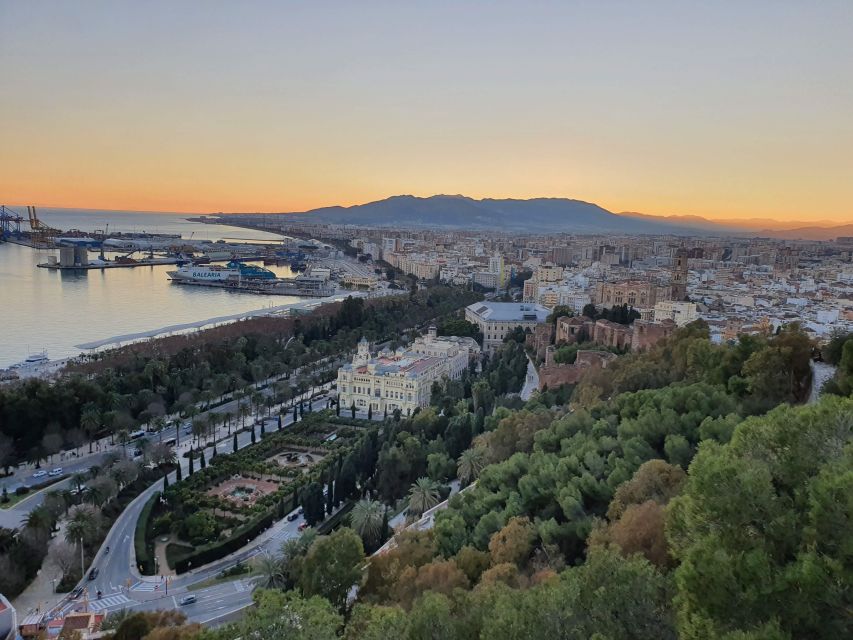
Málaga works best on foot. The core sites sit close enough together that a good guide can stitch them into one story, instead of you bouncing from place to place with guesswork. With this tour, you’re not stuck with a fixed checklist. You can build your own route around what you care about most—architecture, art, Roman leftovers, Moorish fortifications, or simply the feel of the streets.
What really drives the value here is control. You get a private guide, and that means you can ask practical questions as you walk: where to pause, what to skip, and how to see things without turning the day into an exhausting sprint. The best example from guide variety in the feedback: people praised guides like Carmen, Jorge, and Daniel for shaping the walk to the group, not forcing a one-size plan.
The one main consideration is how you’ll handle paid entry stops. If you’re the type who wants lots of indoor time—cathedral areas, Picasso, Alcazaba features—expect that to add cost. The tour itself is priced for the guide and the walking route, not for admissions.
You can also read our reviews of more walking tours in Malaga
How the meeting works: hotel pickup, exact start points, and your timing window
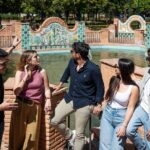
You can start from your hotel or another central location in the city. That matters in Málaga because the center can be easier to navigate once you’re oriented, not while you’re hunting for street numbers alone. Pickup is included, but it has to be in the center, and you’ll need to be ready about 15 minutes before the appointment time.
If you’d rather follow the recommended flow, the suggested starting point is the Plaza de la Marina, near the tourist information area. That’s a smart base because it’s central and it sets you up for both the older streets and the move toward the port.
This also affects how you pack your day. It’s only 3 hours, so the route choice matters. If you start later or lose time to transit, you’ll eat into the guided portion. I’d plan for an early, calm start—snack first if you need it—then let the guide set the rhythm.
Choosing your own route: steering between monuments, museums, and street-level Málaga

The tour is flexible by design. You can choose the big-name stops you care about: the cathedral area, Plaza de la Constitución, the Picasso Birthplace Museum, the remains of the Roman Theatre, the Moorish Alcazaba, and even the statue of Hans Christian Andersen. You can also plug in less obvious priorities as you go—like shopping streets, the seaside mood, or just neighborhoods that feel right.
Here’s the practical benefit: a private guide can match your route to your energy. If you’re more interested in the “why” behind each layer of the city, you can lean harder into the Roman and Moorish sites. If you want the art angle, you can build time around Picasso and then adjust the rest of the route around that.
There’s also a small but important detail about entrances: if you want to go inside a specific monument or museum, tell your guide ahead of time so payment can be arranged. That keeps you from standing at a door with your day plan half-built. Guides in past bookings were also praised for being responsive to requests not explicitly listed in the plan, which is exactly what you want from a private tour.
Cathedral area and Plaza de la Constitución: where Málaga shows its civic face
Most people start picturing Málaga by the time they reach the cathedral zone. Even if you don’t go heavy on indoor time, the cathedral area sets the tone for the “official” side of the city—how it organized itself after centuries of change.
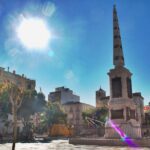
From there, the walking naturally leads you into Plaza de la Constitución, a key public square where you can feel how the old city functions day to day. It’s a good stop for pausing because it helps you connect architecture with street life. This is the kind of moment where a guide’s perspective changes the experience: you don’t just see buildings; you understand why this space exists and what role it played.
A small caution: if you’re planning multiple paid entries, decide what you want from each place. The cathedral area can be impressive without rushing, but if you stack several indoor visits, the best strategy is to keep your sightseeing choices tight so you don’t spend your last 45 minutes chasing last-minute tickets.
Picasso Birthplace Museum stop: art context without the stress
If Picasso is in your trip plan, this tour gives you a smoother path than trying to assemble everything on your own. The Picasso Birthplace Museum is one of Málaga’s biggest art magnets, and it pairs nicely with the rest of the historic walk.
The practical win: the tour does not include museum entrances, but your guide can help arrange payment if you want to visit. Also, you get the advantage of skipping the ticket line, which can matter a lot when the museum is busy.
Where a private guide pays off is interpretation. Art museums can feel like they’re talking to you in a language you don’t speak yet. Guides can help you focus on what to notice first—so you’re not just walking from display to display thinking, I should be feeling more.
One review specifically mentioned a relaxing pause at the Picasso Museum as part of a great 3-hour experience. That’s a clue to how to use this stop: treat it as a structured break. Walk in, get oriented, and then slow down long enough to actually look.
You can also read our reviews of more private tours in Malaga





Roman Theatre remains: seeing the ancient layer without needing archaeology homework
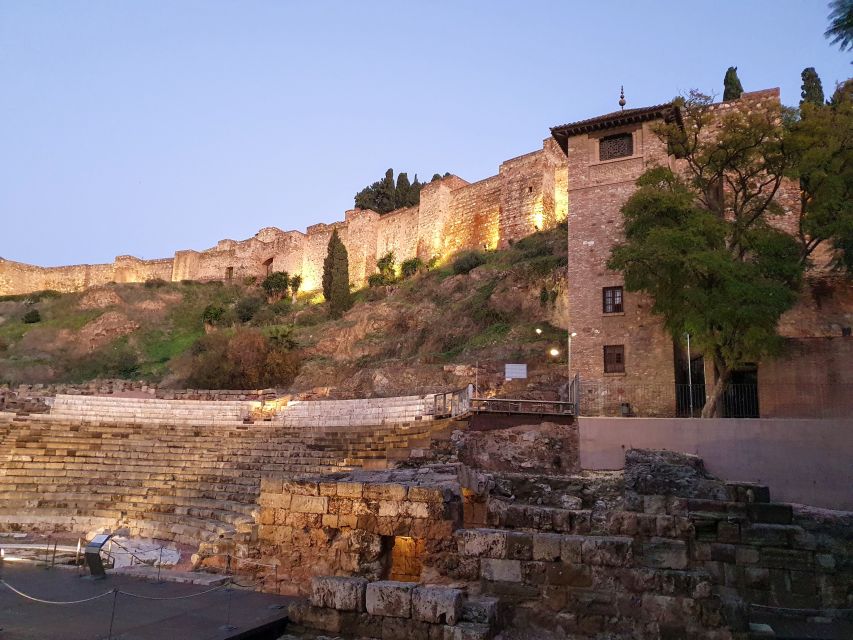
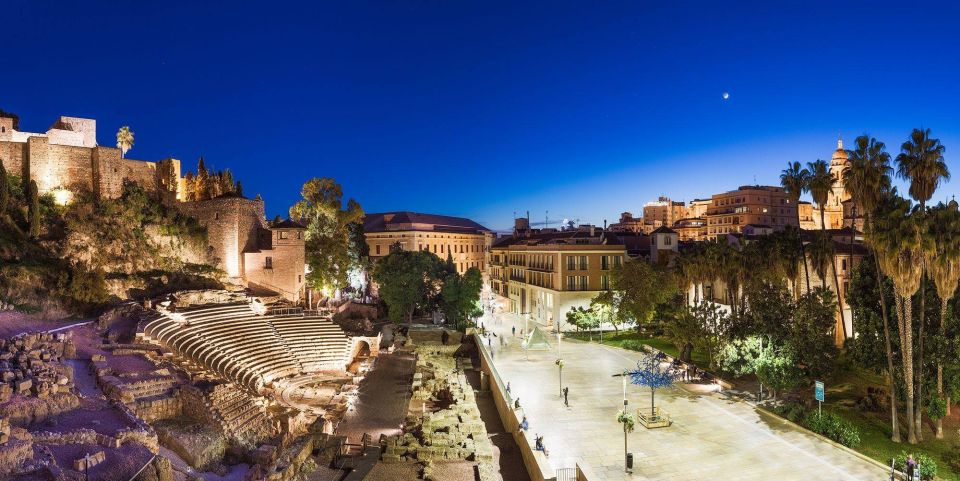
Málaga has older roots than most first-time visitors expect. The remains of the Roman Theatre give you a chance to read the city in layers, not as one block of time.
Even if you don’t know Roman architecture terms, a guide can help you spot what you’re actually looking at. The experience here is less about perfectly restored ruins and more about understanding how the city expanded and reused space. When you’re on foot, it’s easier to visualize the scale—where the theatre might have faced, how it connects to later districts, and why the Roman presence still matters.
Potential drawback: this is a walking tour with a 3-hour window. If Roman Theatre is a must-see, you may need to make peace with spending less time somewhere else, like shopping streets or lingering near plazas. That’s not a problem—just choose intentionally.
Alcazaba and Moorish Málaga: fortifications, views, and the logic of defense
The Moorish Alcazaba is the kind of stop that tends to justify the whole trip. It’s not just pretty walls. It’s built logic—how a fortress protects, how movement works inside a defensive site, and how the city’s Moorish past shaped what you see today.
With a private guide, you’ll likely get more from the walk up and around the complex than you would solo, because the “point” of a fortification isn’t obvious if you’re not thinking like a builder. Guides can point out the layout and help you connect the site to the broader historic timeline of Málaga.
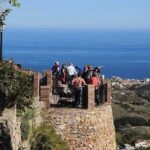
Another bonus: the Alcazaba area sets you up for views and photo angles. You’ll have a clear sense of how Málaga sits between hills and sea. If you love panoramic city moments, this stop is where you’ll get them.
But there’s a real consideration: this tour is not suitable for people with mobility impairments. That’s important. You’ll be walking through uneven, sometimes steep areas typical of historic sites.
Hans Christian Andersen’s statue: the quick detour that makes Málaga feel human
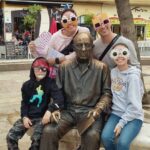
This tour includes an unusual stop: the Hans Christian Andersen statue. It’s not the kind of feature every visitor expects in Málaga, and that’s exactly why it works.
Small “oddball” sights make cities feel real. They break the pattern of cathedral-then-museum-then-ruins and add personality to the walk. For many people, the statue becomes a memorable marker: you remember your guide took you there, not because it’s the biggest monument, but because it adds an extra layer of culture and storytelling.
In a private tour format, detours like this are easy to include. Your guide can treat it as a short stop that adds context without eating the day.
Calle Larios and Plaza de la Marina: shopping energy and the port-side shift
Once you move toward the commercial spine, Calle Larios gives you a different Málaga feel: movement, shopping, and a more modern rhythm layered on top of the historic streets. Even if you don’t buy anything, it’s a useful contrast to the older sites. It shows you where daily life runs and how the city’s center breathes.
Then you land at Plaza de la Marina, which makes a great finish point as well as a smart start. It sits close to the atmosphere of the port, so you can shift from “old streets” to “sea-adjacent” mood without changing your whole plan.
If you like photo breaks and people-watching that doesn’t feel like chaos, this area is often where the tour becomes easier to absorb. You can end your walk without feeling like the day is abruptly cut off.
Tapas picks and finding a good show with your guide
This isn’t just about monuments. A big part of the experience is what happens between stops: your guide can recommend places for tapas and where to enjoy a good show.
That’s the kind of value you can’t easily recreate on your own, because it’s based on practical, current local sense—what’s worth ordering, what’s near where you’ll be walking, and what fits your schedule. Multiple guide reviews highlighted restaurant recommendations and shopping guidance, which suggests your guide isn’t only reciting facts; they’re helping you live the day.
If you want to keep your time efficient, ask your guide at the midpoint of the tour for two options: a casual tapas plan and a more sit-down meal idea. Then you can choose based on how tired you feel and whether you want to linger.
Because food and drinks are not included, you control the budget. This makes the tour flexible for different travel styles.
Price and what you actually get for $380 (group up to 2)
At $380 per group up to 2 for a 3-hour private tour, you’re paying for time with a guide, not for admissions. That price can look high if you compare it to a public walking tour.
But here’s the real value math:
- You get a private guide with no other group.
- You can choose the language (Spanish, English, French, plus other languages confirmed within 24 hours).
- You can start at your hotel or a central meeting point and finish where you choose.
- Your guide can adapt the order and help you make decisions on the fly.
If you’re traveling as a couple or small pair, the cost spreads well. And because you’re not locked into a fixed itinerary, you’re more likely to get the stops you truly care about, instead of paying for things you’ll barely skim.
The main “cost shock” is entrances. Museum and monument entries are not included, so Picasso (and any other ticketed sites you choose) add on top. Still, the tour includes the helpful support of arranging entry and includes skip the ticket line, which can save time.
Who should book this private Málaga walk
This tour fits best if you want:
- A private experience where you can ask questions and adjust the pace.
- A compact way to cover major historic zones—cathedral area, Roman remains, Alcazaba, Picasso—without you trying to plan every turn.
- A guide who adds practical value like tapas suggestions and shopping guidance.
It may not fit if:
- You need mobility-friendly routing, because it’s not suitable for people with mobility impairments.
- You travel with luggage or large bags; luggage or large bags are not allowed.
- You want a fully self-guided museum day. This tour is about walking and orientation with a guide, and you’ll need to add paid entries if you want to go inside.
From the names that show up in the feedback—Carmen, Jorge, Blanca, Daniel, and David—the consistent theme is that guides were easy to work with and open to requests. If you like having someone who can read your interests quickly, this private format is the point.
Should you book this Málaga: Private Personalized Walking Tour?
Book it if you’re the type who wants to understand what you’re seeing, not just check boxes. The private setup and language choice make it easier to get real context as you walk through Málaga’s layers—from Roman traces to Moorish defense and Picasso’s world.
Skip it (or plan differently) if you’re determined to do a lot of indoor time without adding admissions, or if mobility constraints make historic-site walking difficult. Also, go in knowing you’ll likely spend extra for entrances if you want the big museums and monuments.
If you can handle comfortable walking and you’re traveling with one other person or a small group, this is one of the more efficient ways to get your bearings fast and still end the day with a city feel—plazas, shopping streets, and the port-side mood all in one guided arc.
FAQ
What’s included in the $380 price?
The price includes an official insured guide and an exclusive private tour with no other people in your group. Hotel pickup in central Málaga is also included as part of starting the tour.
Which languages are available for the guide?
The guide can be arranged in Spanish, English, French. The tour also lists that other languages can be confirmed within 24 hours.
Does the tour include museum and monument tickets?
No. Entrance to museums and monuments is not included. If you want to visit a specific site, you should tell your guide so payment for entry can be arranged.
Where can the tour start?
It can start from your hotel or another desired location in central Málaga. If you follow the recommended starting point, it’s the Plaza de la Marina next to the tourist information point.
How long is the walking tour?
The tour lasts 3 hours.
Is hotel pickup available, and what about luggage?
Pickup is included for central hotels, and you need to be there about 15 minutes before the appointment time. Luggage or large bags are not allowed, and the tour is not suitable for people with mobility impairments.